How to Layer Perfumes Like a Pro: Expert Guide

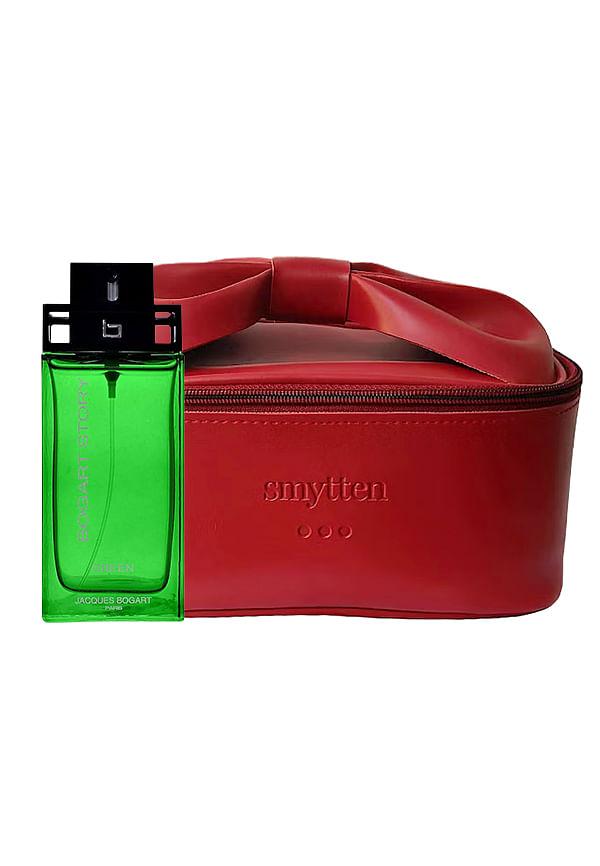
Elite Essence Duo
Ever caught a whiff of someone's scent and thought, "That's absolutely gorgeous, but I can't quite place what it is?" Chances are, they've mastered the art of perfume layering. This isn't just about spraying on multiple fragrances and hoping for the best—it's a proper technique that can transform your scent game completely. Whether you're looking to make your favourite fragrance last longer, create something totally unique, or just experiment with what you've got in your collection, layering is your ticket to a signature scent that's entirely yours. Let's dive into the world of fragrance layering and turn you into a proper scent-mixing pro.
Think of fragrance layering as creating your own personal scent cocktail. It's the practice of combining two or more fragrances to create something new, complex, and totally you. Unlike just wearing one perfume, layering lets you play with different notes and intensities to build a scent that evolves throughout the day.
The science behind it is actually quite clever. When fragrances interact on your skin, they don't just sit there separately—they blend and react with your natural oils and body chemistry. This creates new scent combinations that you literally can't buy in a bottle. Your skin's pH, temperature, and natural oils all play a part in how these perfume combinations develop and change over time.
The benefits are pretty amazing too. You get better longevity because you're essentially doubling up on scent molecules. You create something completely unique that no one else will be wearing. Plus, you can customise your fragrance to match your mood, the season, or even the occasion. Real talk—once you start layering, single fragrances might feel a bit boring.
Let's bust a common myth whilst we're here: layering doesn't mean your scent will be overwhelming or clash horribly. When done right, it creates depth and complexity that's actually more sophisticated than wearing one fragrance alone.
If you're new to layering scents, don't worry—everyone starts somewhere. The key is understanding a few basic principles that'll set you up for success. Think of this as your foundation course in becoming a fragrance-layering legend.
Getting the basics right means you'll avoid the most common mistakes and actually enjoy the process. Trust us, there's nothing worse than spending ages creating what you think is the perfect combination, only to realise it's not quite working.
Your skin is basically the canvas for your scent masterpiece, so it needs to be prepped properly. Clean, moisturised skin holds fragrance better and lets the different layers blend more naturally. Think of dry skin like trying to paint on rough paper—it just doesn't work as well.
Use an unscented moisturiser or one that matches your base fragrance. Competing scents from your body lotion can throw off your carefully planned combinations. Your skin's natural pH and temperature will affect how fragrances develop, so consistency in your prep routine helps you predict results better.
This is probably the most important rule in how to layer perfumes: always apply your heaviest, most intense fragrance first. Think of it like building a house—you need a solid foundation before adding the decorative touches.
Heavy fragrances usually contain deeper notes like oud, amber, vanilla, or heavy florals. Light fragrances are typically citrusy, fresh, or have delicate floral notes. Apply your heavy base, wait about 5-10 minutes for it to settle, then add your lighter layers on top.
Your pulse points are where your blood vessels are closest to your skin, creating natural heat that helps fragrances develop. But here's the clever bit—you don't have to use the same pulse points for every layer.
Try applying your base fragrance to your wrists and behind your ears, then add your second layer to your collarbones or the inside of your elbows. This creates different scent zones that blend as you move, rather than competing directly with each other.
Ready to level up your fragrance layering techniques? These are the methods that proper perfume enthusiasts swear by. They might sound a bit technical, but once you get the hang of them, they'll become second nature.
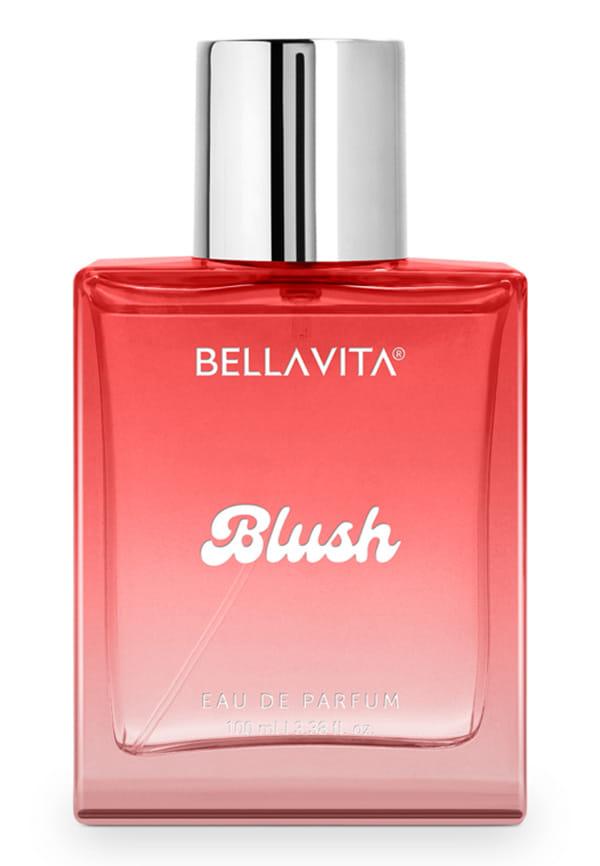
Blush Perfume
So good!
 5
5“Soooo goooddd. ”
So good!
5“Soooo goooddd. ”
Good & Refreshing Smell
5“smells so good so refreshing should try”
Professional layering is all about understanding fragrance architecture and working with it, rather than against it. It's like learning to cook—once you understand the basic techniques, you can start experimenting and creating your own signature combinations.
This technique mirrors how perfumes are actually constructed. Start with a fragrance that has strong base notes (think woody, musky, or amber scents), add something with beautiful middle notes (florals, spices, or fruits), and finish with something that has gorgeous top notes (citrus, herbs, or light florals).
The key is balancing intensity levels so no single layer overpowers the others. Your base should be the strongest, your middle layer moderate, and your top layer the lightest. This creates a fragrance that unfolds beautifully as it develops on your skin.
This is where things get really interesting. Instead of layering fragrances on top of each other, apply different scents to different areas of your body. It sounds mad, but it works brilliantly.
Try a woody scent on your wrists, a floral on your neck, and maybe something fresh behind your ears. As you move throughout the day, these different zones create a complex, ever-changing scent trail that's absolutely captivating. Just make sure your chosen fragrances complement rather than clash with each other.
Your layering game should definitely change with the seasons. In summer, focus on lighter, fresher combinations that won't feel overwhelming in the heat. Think citrus with light florals or aquatic notes with soft woods.
Winter calls for richer, more complex combinations. This is when you can really go to town with deeper notes like vanilla, amber, oud, and heavy florals. The cooler air means these intense combinations won't feel suffocating.
Now for the fun part—actual perfume combinations that work beautifully together. These aren't just random suggestions; they're tried-and-tested pairings that create gorgeous, complex scents. Think of these as your starting point for developing your own signature combinations.
The beauty of these combinations is that they work with most skin types and preferences. You can adjust the ratios and application points to make them uniquely yours.
Some combinations are classics for a reason—they just work. Vanilla with almost any floral creates a soft, romantic scent that's perfect for everyday wear. The vanilla adds warmth and sweetness whilst the floral keeps it from being too gourmand.
Citrus with woody notes is another winner. The fresh, zesty top notes provide an immediate burst of energy, whilst the woody base adds depth and sophistication. Rose with amber or oud creates something truly special—the rose provides romance whilst the deeper notes add mystery and complexity.
For romantic vibes, try layering rose with vanilla or soft amber. This creates a scent that's feminine without being overly sweet, perfect for date nights or special occasions. The rose provides the floral beauty whilst the vanilla adds that cosy, comforting element.
Fresh combinations work brilliantly for daytime wear. Layer citrus notes with white flowers like jasmine or lily of the valley. This creates something clean and elegant that works beautifully in professional settings or casual weekend outings.
For something bolder, try combining oud with sweet or amber notes. This might sound intimidating, but when done right, it creates a sophisticated, confident scent that's absolutely stunning for evening wear.
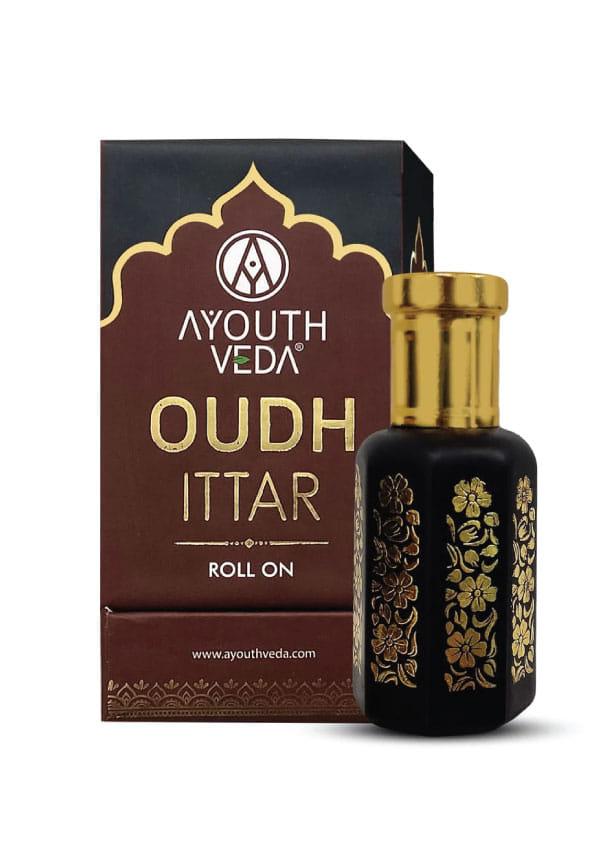
Oudh Ittar
Sometimes the most surprising combinations create the most beautiful results. Try pairing something fresh and aquatic with a warm vanilla—the contrast creates something really interesting and unique.
Seasonal crossover blends can be gorgeous too. A light summer fragrance layered with a deeper winter scent can create something perfect for those in-between seasons when you can't quite decide what mood you're in.
Let's talk about layering perfume oils—they're a bit different from traditional alcohol-based fragrances, but they can be absolutely brilliant for layering. Oil-based fragrances tend to sit closer to the skin and last longer, making them perfect base layers.
The beauty of oils is that they're often more concentrated, so you need less product to get the same impact. They also tend to be gentler on sensitive skin and don't have that initial alcohol hit that some people find overwhelming.
Perfume oils give you much better control over intensity. Because they don't have the immediate projection of alcohol-based fragrances, you can build up layers gradually without accidentally creating something overpowering.
They're also brilliant for longevity. Oils bind to your skin differently than alcohol-based fragrances, often lasting much longer throughout the day. Plus, they're usually more cost-effective, so you can experiment with different combinations without breaking the bank.
You absolutely can mix oils with traditional perfumes—just be mindful of application order and timing. Generally, apply oils first as they take longer to develop, then add your alcohol-based fragrances on top.
Wait a few minutes between applications to avoid any separation issues. The oil will create a beautiful, long-lasting base whilst the alcohol-based fragrance provides that initial burst of scent and projection.
Even with the best intentions, it's easy to make mistakes when you're starting out with fragrance layering tips and tricks. The good news is that most of these mistakes are easily avoidable once you know what to look out for.
The biggest mistake is probably over-application. When you're excited about creating something new, it's tempting to use too much of each fragrance. Remember, layering amplifies scent, so you actually need less of each individual fragrance than you'd normally use.
Another common error is rubbing fragrances together after application. This breaks down the fragrance molecules and can create muddy, unclear scents. Always let each layer dry naturally before adding the next.
Ignoring your skin chemistry is another big one. What smells gorgeous on your friend might not work on you, and that's totally normal. Your skin's natural oils, pH, and temperature all affect how fragrances develop, so always test combinations on yourself before committing to them for a full day.
Timing errors can also throw off your combinations. Applying layers too quickly doesn't give each fragrance time to settle and develop properly. Patience really is key in successful layering.
Finally, don't ignore incompatible note combinations. Some scents just don't play well together, no matter how much you want them to work. If something smells off after a few minutes, it's probably not going to improve with time.
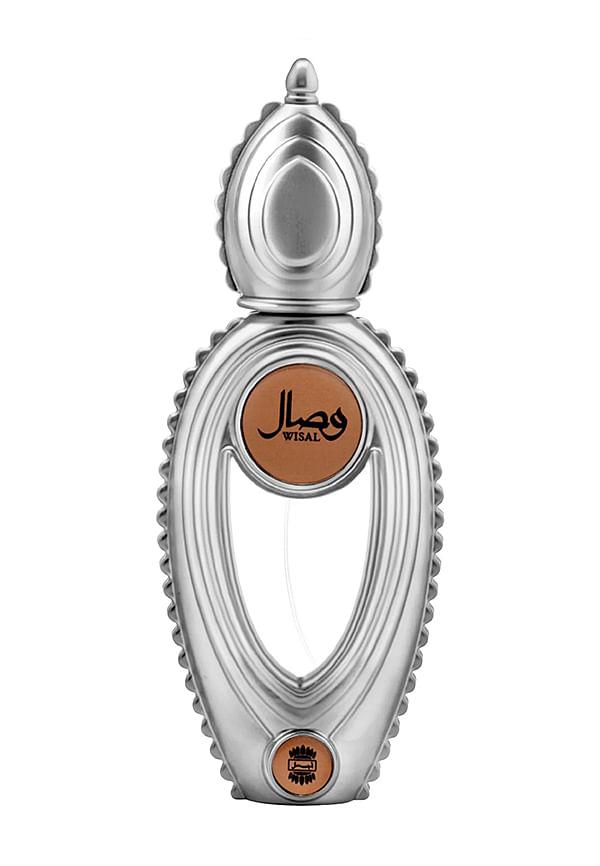
Wisal Edp
Mastering perfume layering tips is all about understanding the basics and then experimenting to find what works for your skin and preferences. Start with simple combinations, follow the heavy-to-light rule, and always prep your skin properly. Remember that layering is an art, not a science—what matters most is that you love how it smells on you.
The beauty of fragrance layering is that it lets you create something completely unique. With practice, you'll develop an instinct for which combinations work and which don't. Don't be afraid to experiment with unexpected pairings—some of the most beautiful scents come from surprising combinations.
If you're looking to explore different fragrances for layering, platforms like Smytten make it incredibly easy to try new scents without committing to full-size bottles. With access to trial packs from over 1,500 trusted fragrance brands, you can experiment with different combinations and discover your perfect layering partners. After all, why settle for just one fragrance when you can create something entirely your own?
Start with clean, moisturised skin and apply your heaviest fragrance first. Wait 5-10 minutes between each layer, and use different pulse points for different scents. Always apply from heaviest to lightest intensity.
Vanilla pairs beautifully with most florals, citrus works well with woody notes, and rose combines gorgeously with amber or oud. Start with fragrances that share at least one common note for easier blending.
Always apply the heaviest, most intense fragrance first, followed by medium-intensity scents, and finish with the lightest. This prevents lighter fragrances from being overwhelmed by stronger ones.
Wait about 5-10 minutes between each layer to allow the previous fragrance to settle and develop on your skin. This prevents the scents from muddying together and creates cleaner, more distinct layers.
Absolutely! Mixing different brands often creates the most unique and interesting combinations. Focus on how the scents work together rather than whether they're from the same house.
Layering involves applying different fragrances to your skin in sequence, whilst mixing means physically combining fragrances before application. Layering is generally safer and gives you more control over the final result.
For beginners, start with just two fragrances. Once you're comfortable, you can experiment with three or even four, but more than that often becomes overwhelming and muddy.
Yes, your skin's natural oils, pH, and temperature all affect how fragrances develop and blend. Dry skin tends to absorb fragrance faster, whilst oily skin can intensify certain notes. Always test combinations on your own skin.
