How to Identify Your Favorite Perfume Notes


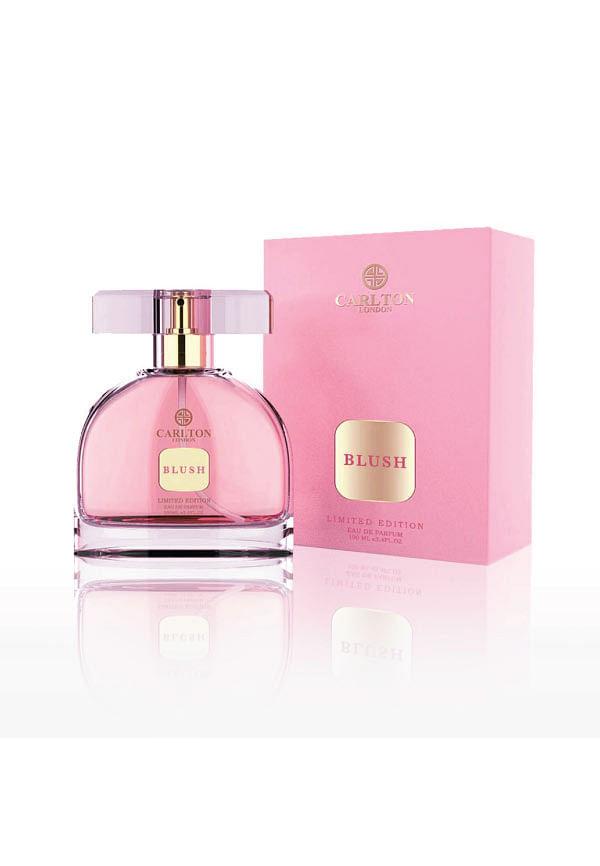
Limited Edition Blush Perfume
Really Good Product
 5
5“bro I have no words for this it's really good too be honest”
Really Good Product
5“bro I have no words for this it's really good too be honest”
Really Good Product
5“bro I have no words for this it's really good too be honest”
Ever walked into a perfume shop and felt completely overwhelmed by the endless bottles? You're not alone. Finding your signature scent can feel like searching for a needle in a haystack, especially when you don't know what notes actually speak to you. The secret lies in understanding how to identify your favourite perfume notes—those specific ingredients that make your heart skip a beat when you catch a whiff. Whether you're drawn to fresh citrus bursts, romantic florals, or warm woody embraces, learning to recognise and categorise these scent elements is your ticket to fragrance confidence. With platforms like Smytten offering trial packs from over 1,500 brands, you can now explore different perfume scent profiles without the commitment of full-size bottles. Let's dive into the art of perfume note identification and help you discover what truly makes your nose happy.
TL;DR
Perfume notes are individual scent ingredients that unfold in three stages: top notes (first 15 minutes), heart notes (15 minutes to 4 hours), and base notes (4+ hours)
Understanding fragrance families (fresh, floral, oriental, woody) helps narrow down your preferences and guides your scent exploration
Proper testing techniques involve applying fragrance to clean skin, waiting for different stages to develop, and keeping a scent journal
Your body chemistry affects how notes smell on you, so testing on your own skin is crucial for finding your perfect match
Building a personal scent profile through systematic testing and note-taking leads to more confident fragrance choices
Think of perfume notes like ingredients in your favourite recipe—each one plays a specific role in creating the final masterpiece. These aren't just marketing terms; they're actual aromatic compounds that perfumers carefully blend to create the scents we love. Understanding fragrance notes is like learning a new language, one that speaks directly to your emotions and memories.
Perfume notes are individual scent molecules that your nose can detect and identify within a fragrance. Unlike accords (which are harmonious blends of multiple notes), individual notes are distinct ingredients like bergamot, rose, or sandalwood. These notes don't just create pleasant smells—they trigger emotional responses, evoke memories, and even influence your mood throughout the day.
Every well-crafted fragrance follows a pyramid structure that unfolds over time. Top notes are your first impression—bright, volatile ingredients like citrus, herbs, and light florals that grab attention but fade within 15 minutes. Heart or middle notes form the soul of the fragrance, featuring fuller ingredients like roses, spices, and fruits that develop between 15 minutes and 4 hours. Base notes provide the foundation with rich, long-lasting elements like woods, musks, and vanilla that can linger for 4+ hours. This timeline isn't just technical—it's your roadmap to understanding how a fragrance will behave on your skin throughout the day.
Just like you might prefer certain cuisines or music genres, your nose likely gravitates towards specific fragrance families. These broad categories help organise the vast world of scents into manageable groups, making your perfume ingredient identification journey much more focused and enjoyable.
Fresh fragrances include citrus (lemon, bergamot), green (grass, leaves), aquatic (sea breeze), and fruity (apple, peach) scents that feel clean and energising. Floral families range from single-flower compositions to complex bouquets, featuring everything from romantic roses to exotic jasmine. Oriental fragrances bring warmth through spices, amber, and exotic resins, creating rich, sensual profiles. Woody scents ground you with sandalwood, cedar, vetiver, and patchouli, offering everything from creamy smoothness to earthy depth.
Your lifestyle often hints at your ideal fragrance family. Love spending time outdoors? Fresh and green notes might be your calling. Drawn to romantic settings? Florals could be your match. Consider your wardrobe too—if you gravitate towards flowing fabrics and soft colours, florals might suit you, whilst structured, minimalist styles often pair beautifully with clean, woody scents.
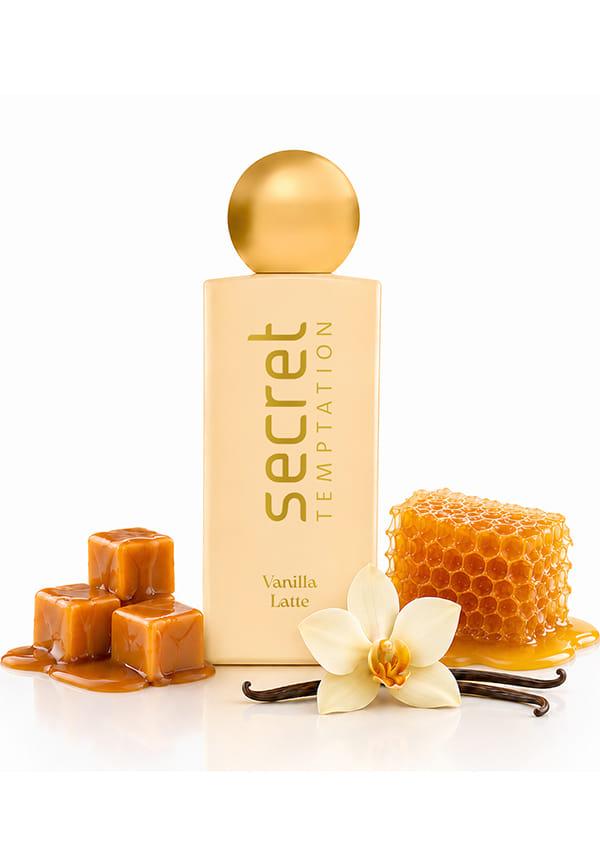
Vanilla Latte Perfume
Learning how to smell perfume notes properly is like developing any skill—it requires technique, patience, and practice. The good news is that your nose is already equipped with everything you need; you just need to train it to recognise and categorise what it's experiencing.
Start with a clean slate—literally. Avoid wearing other fragrances, scented lotions, or even strongly scented foods before testing. Apply the fragrance to clean, moisturised skin (preferably your wrist or inner elbow) rather than paper strips, as your body chemistry plays a crucial role in how notes develop. Test no more than three fragrances at once to avoid overwhelming your nose, and take breaks between testing sessions.
Begin with single-note fragrances or essential oils to build your scent vocabulary. Smell fresh lemons, then try a lemon-heavy perfume to make the connection. Visit spice markets, flower shops, or even your kitchen to experience raw ingredients. Create reference points by keeping small vials of common notes like vanilla extract, dried roses, or coffee beans. The more real-world scent experiences you have, the easier it becomes to identify these elements in complex fragrances.
Your fragrance preferences aren't random—they're deeply connected to your personality, experiences, and even your body's natural chemistry. By analysing what you already love and understanding how scents interact with your unique biology, you can fast-track your journey to finding your signature scent.
Take inventory of all the scented products you currently love—not just perfumes, but candles, body lotions, cleaning products, and even foods. Notice patterns: do you gravitate towards vanilla-scented everything? Are you drawn to fresh, clean scents in your home products? These preferences often translate directly to fragrance choices. Also consider scents from your past that evoke positive memories—your grandmother's rose garden, holiday spice markets, or that amazing hotel lobby.
Your skin's pH level, natural oils, and even your diet can dramatically alter how fragrance notes smell on you. Oily skin tends to amplify and extend fragrances, whilst dry skin may cause them to fade quickly. Hormonal changes, medications, and stress levels can also shift how certain notes develop. This is why the same perfume can smell completely different on two people—and why testing on your own skin is absolutely crucial for discovering personal fragrance preferences.
Creating your personal scent profile is like building a fragrance fingerprint—unique to you and incredibly useful for future purchases. This systematic approach takes the guesswork out of fragrance shopping and helps you articulate what you love to sales assistants or when shopping online.

Romance Spray Perfume
Very Sweet Smell
5“smell is very sweet one will love it”
Favorite Deo & Perfume
5“my all time favorite deo and perfume 💕😍 I only use this bcoz of long lasting fragrance...and the best ting is that I got buy one get one 💕”
Loved it, Must Buy
5“I loved it. must buy. ,...........................”
Start a fragrance journal documenting every scent you test. Note the specific notes you love, hate, and feel neutral about. Pay attention to which note categories (citrus, floral, woody) consistently appeal to you and which ones make you wrinkle your nose. Record how different fragrances make you feel—energised, confident, romantic, or calm. Also note practical considerations: do you prefer subtle scents for work or bold statements for evenings? This data becomes your personal fragrance GPS.
Develop a systematic testing routine that works with your lifestyle. Visit department stores during less busy times when staff can provide proper attention. Request samples to take home—many brands offer small vials for extended testing. Try fragrances in different seasons and situations to see how they perform. Consider subscription services or discovery sets that let you explore multiple options affordably. Remember, finding your signature scent is a journey, not a destination, so embrace the exploration process.
Once you've mastered the basics, diving deeper into fragrance analysis can unlock even more precise preferences and help you discover hidden gems that perfectly match your taste. These advanced techniques separate casual fragrance wearers from true scent connoisseurs.
Learn to decode marketing language—"fresh" might mean citrus, aquatic, or green notes depending on the brand. Understand concentration levels: Eau de Toilette (5-15% fragrance oils) offers lighter, shorter wear, whilst Eau de Parfum (15-20%) provides richer, longer-lasting scents. Parfum or Extrait de Parfum (20-40%) delivers the most intense, long-wearing experience. Research brands' signature styles—some excel at clean, minimalist compositions whilst others specialise in complex, layered creations.
Designer fragrances often aim for mass appeal with crowd-pleasing combinations, whilst niche brands experiment with unusual ingredients and artistic compositions. Neither approach is better—they serve different purposes. Designer scents work brilliantly for everyday wear and office environments, whilst niche fragrances can provide unique signature scents that set you apart. Consider building a fragrance wardrobe with both types to suit different moods and occasions.
Product | Best for Skin Type | Key Notes | Affordability | Longevity |
|---|---|---|---|---|
Plum Bodylovin' Hazelnut Eclair Body Mist | All skin types, gourmand lovers | Hazelnut, Vanilla, Chocolate, Caramel | Mid-range | 4-6 hours |
OSSA Perfume Magnet Original Unisex EDP | Normal to oily skin, aquatic lovers | Oceanic freshness, Citrus, Musk, Amber | Premium | 7-9 hours |
Bella Vita Gourmet Collection Vanilla | All skin types, vanilla enthusiasts | Vanilla, Sweet accords, Musk, Amber | Mid-range | 5-7 hours |
The Love Co. Fall in Love Body Mist | Dry to normal skin, romantic scent lovers | Grapefruit, Peach, Jasmine, Rose | Mid-range | 4-6 hours |
Ajmal Royal Series Attar Gift Set | All skin types, traditional fragrance lovers | Oud, Rose, Amber, Musk | Premium | 8+ hours |
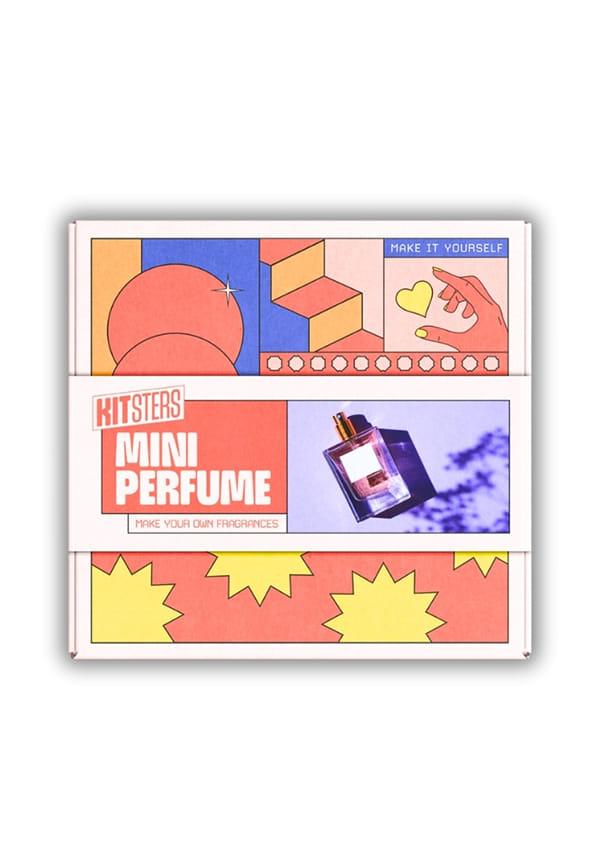
DIY Mini Perfume Kit
Start by analysing scents you already enjoy in daily life—your favourite candles, body products, or even foods. Test fragrances systematically by note families and keep a fragrance journal to track your reactions over time. Pay attention to which notes make you feel confident, happy, or relaxed.
Most people need 2-4 weeks of consistent testing to identify clear patterns in their preferences. However, some discover their favourite notes immediately, whilst others require months of exploration. The key is patience and systematic testing rather than rushing the process.
Absolutely! Use sample sets, department store testers, subscription services, and travel-size options to explore notes affordably. Platforms like Smytten offer trial packs that let you test multiple fragrances before committing to full purchases, making note identification both accessible and budget-friendly.
Your skin's pH level, natural oils, diet, hormones, and even medications can alter how fragrance notes develop and smell. This is why testing on your own skin is crucial—a fragrance that smells amazing on your friend might smell completely different on you due to these individual chemistry differences.
Notes are individual scent ingredients like rose, bergamot, or sandalwood that you can identify separately. Accords are harmonious blends of multiple notes that create a unified scent impression—like a "green accord" that might combine grass, leaves, and cucumber notes to create an overall fresh, natural effect.
Practice with single-note fragrances or essential oils, visit spice markets and flower shops, and create reference materials using everyday items like vanilla extract or coffee beans. The more real-world scent experiences you have, the easier it becomes to identify these elements in complex fragrances available on Smytten.
Identifying your favourite perfume notes is a journey of self-discovery that combines technical knowledge with personal exploration. Understanding the three-tier structure of fragrances—top, heart, and base notes—provides the foundation for recognising how scents develop over time. Fragrance families offer a helpful framework for narrowing down your preferences, whether you're drawn to fresh citrus, romantic florals, exotic orientals, or grounding woody scents.
The key to successful note identification lies in proper testing techniques and systematic documentation. Your body chemistry plays a crucial role in how notes smell on you, making personal testing essential rather than relying solely on others' recommendations. Building a fragrance journal and creating your personal scent profile transforms random testing into purposeful discovery, leading to more confident fragrance choices that truly reflect your personality and preferences.
Discovering your favourite perfume notes doesn't have to be an expensive or overwhelming journey. Smytten is India's largest product discovery and trial platform, connecting consumers with top lifestyle, beauty, wellness, and grooming brands through curated trial packs from over 1,500 trusted brands. With authentic brand-verified minis available for just ₹249 for up to 8 products, you can explore different fragrance families and notes without the commitment of full-size purchases. The platform offers 100% cashback on trials, making it the perfect way to build your scent vocabulary and identify your signature notes. With PAN-India delivery and over 100 million trial minis delivered, Smytten ensures you can shop and trial fragrances confidently, knowing that when you find your perfect scent match, the full-size version is just a click away. After all, why settle for 'maybe' when you can #TryItAll!
