How to Do Odor Control in Monsoon at Home: Fresh Home Smell

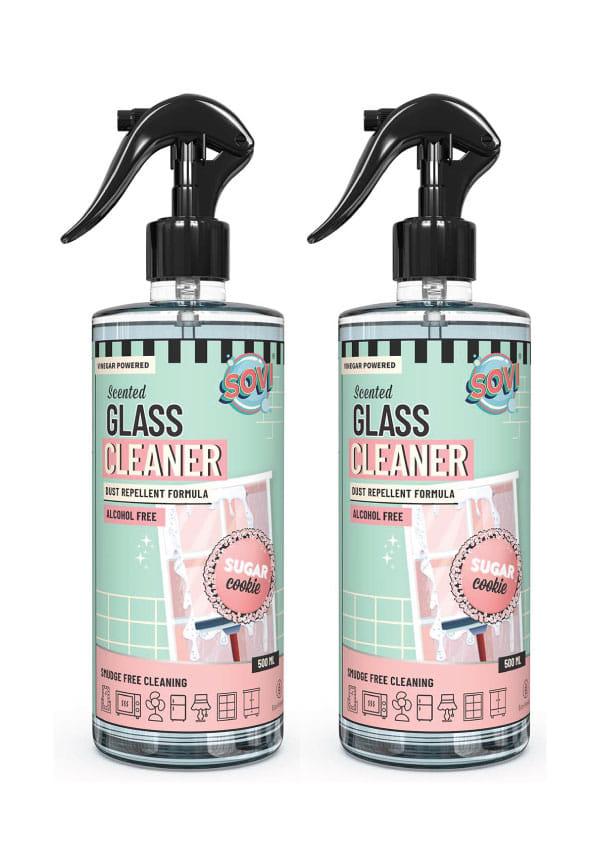
Scented & Vinegar Powered Glass Cleaner with Dust Repellent Formula, Alcohol Free, Powder Room
Great Value
 5
5“Good valueee for moneyyyyyyyyyyy”
Positive Product Review
5“Liked it, definitely would like others to try it.”
Monsoon season brings relief from scorching heat, but it also brings an unwelcome guest—persistent dampness and musty odours that seem to settle into every corner of your home. If you've ever wondered how to do odor control in monsoon at home, you're not alone. The combination of high humidity, poor ventilation, and trapped moisture creates the perfect storm for unpleasant smells that can make your living space feel less than fresh. From that distinctive earthy smell after rain to the musty odour of damp clothes, monsoon odours can quickly take over your home if left unchecked. The good news? With the right strategies and some clever home odor control monsoon techniques, you can keep your space smelling fresh and inviting throughout the rainy season. Whether you're dealing with mould growth, damp carpets, or just general stuffiness, there are proven methods to tackle these challenges head-on. At Smytten, we understand the importance of creating a pleasant home environment, which is why we've curated solutions that actually work for Indian households during the monsoon months.
TL;DR
Monsoon odours stem from high humidity, poor ventilation, and mould growth in homes
Natural odor absorbers like baking soda, activated charcoal, and essential oils effectively combat damp smells
Proper ventilation and dehumidification are crucial for humidity odor solutions at home
Daily maintenance routines help prevent mold smell and maintain fresh indoor air
Room-specific strategies target problem areas like bathrooms, kitchens, and storage spaces
The science behind monsoon smell removal home strategies starts with understanding why your house develops these persistent odours in the first place. During rainy season, humidity levels can soar between 60-80%, creating an environment where moisture gets trapped in fabrics, walls, and furniture.
High humidity acts like a breeding ground for bacteria and mould spores that naturally exist in our homes. When moisture levels rise, these microorganisms multiply rapidly, releasing compounds that create that characteristic musty smell. Poor air circulation during monsoon makes matters worse, as stagnant air allows odours to concentrate rather than dissipate.
Your home's building materials also play a role. Wooden furniture, carpets, and even painted walls can absorb moisture, becoming sources of persistent dampness. This is why eliminate damp smell house efforts need to address both the moisture source and the affected materials.
Bathrooms top the list of problem areas, especially those with inadequate ventilation. Steam from hot showers combines with existing humidity, creating perfect conditions for mould growth behind tiles and in corners. Kitchens face similar challenges, particularly around sinks and cooking areas where steam and moisture accumulate.
Don't overlook storage areas like wardrobes and cupboards. These enclosed spaces trap moisture from damp clothes or humid air, leading to that distinctive musty smell that can transfer to your belongings. Shoes left near entrances, wet umbrellas, and damp towels all contribute to the overall moisture load in your home.
Managing humidity is the cornerstone of effective monsoon odor control. When you reduce moisture levels, you're essentially cutting off the food supply for odour-causing bacteria and mould. The key is combining mechanical and natural approaches for comprehensive humidity management.
Electric dehumidifiers work brilliantly for larger spaces, but placement matters. Position them in the most humid areas of your home, typically bathrooms, kitchens, or rooms that feel consistently damp. Aim to maintain indoor humidity between 30-50% for optimal comfort and odour prevention.
For budget-friendly alternatives, natural moisture absorbers like silica gel packets (saved from shoe boxes) or calcium chloride can work wonders in smaller spaces. Place these in wardrobes, storage boxes, or any enclosed area prone to dampness.
Strategic ventilation doesn't mean keeping windows open during heavy rain. Instead, take advantage of brief dry periods to create cross-ventilation. Open windows on opposite sides of your home to encourage air movement, even if it's just for 15-20 minutes.
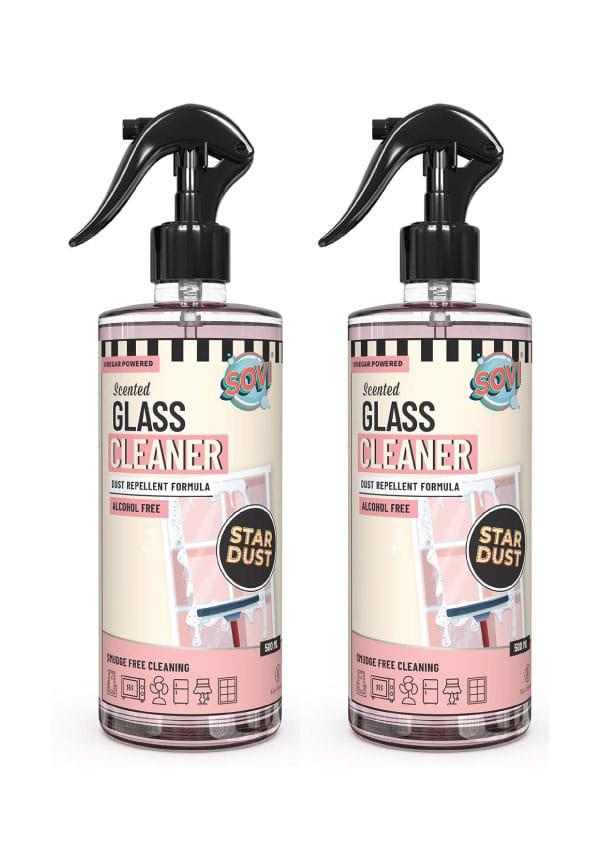
Scented & Vinegar Powered Glass Cleaner with Dust Repellent Formula, Alcohol Free, Stardust
Exhaust fans become your best friends during monsoon. Run bathroom exhaust fans during and after showers, and use kitchen exhausts while cooking. These simple steps prevent moisture from settling into your home's surfaces and fabrics.
Nature provides some of the most effective solutions for indoor air freshening monsoon challenges. These natural odor absorbers work by either neutralising odour molecules or physically trapping them, offering a chemical-free approach to maintaining fresh home smell monsoon conditions.
Baking soda stands out as the ultimate odour neutraliser. Sprinkle it on carpets before vacuuming, place open boxes in cupboards, or create a paste with water for scrubbing surfaces. Its alkaline nature neutralises acidic odour compounds naturally.
White vinegar works differently—it kills bacteria and mould while neutralising odours. Mix equal parts water and vinegar in a spray bottle for a natural air freshener, or place bowls of vinegar in problematic rooms overnight. The vinegar smell dissipates quickly, taking other odours with it.
Coffee grounds, especially used ones, absorb odours effectively. Place dried coffee grounds in small bowls around your home, or stuff them into breathable fabric pouches for wardrobes and shoe racks.
Essential oils don't just mask odours—many have antimicrobial properties that address the root cause. Tea tree oil excels at preventing mould growth; add a few drops to your cleaning solutions or diffuse it in problem areas.
Eucalyptus oil naturally purifies air while providing a fresh, clean scent. Lemon oil offers natural freshness and has antibacterial properties, making it perfect for kitchen and bathroom use. Lavender oil creates a calming atmosphere while helping to neutralise musty odours.
Prevention beats cure when it comes to mould and mildew. These fungi don't just create unpleasant odours—they can also impact your health and damage your belongings. The key is creating an environment where they simply can't thrive.
Bathrooms require special attention due to constant moisture exposure. Clean tiles and grout regularly with antifungal solutions, ensure proper ventilation during and after use, and fix any leaks immediately. Consider using mould-resistant paint in particularly problematic areas.
Kitchens need similar vigilance, especially around sinks and cooking areas. Wipe down surfaces after cooking, ensure good ventilation while preparing food, and address any plumbing issues promptly. Don't forget to clean and dry dish towels regularly—they can become odour sources if left damp.
Learn to recognise the early signs of mould growth: musty odours, visible spots on walls or fabrics, and increased allergy symptoms. Address these immediately with natural solutions like vinegar or tea tree oil treatments before they become major problems.
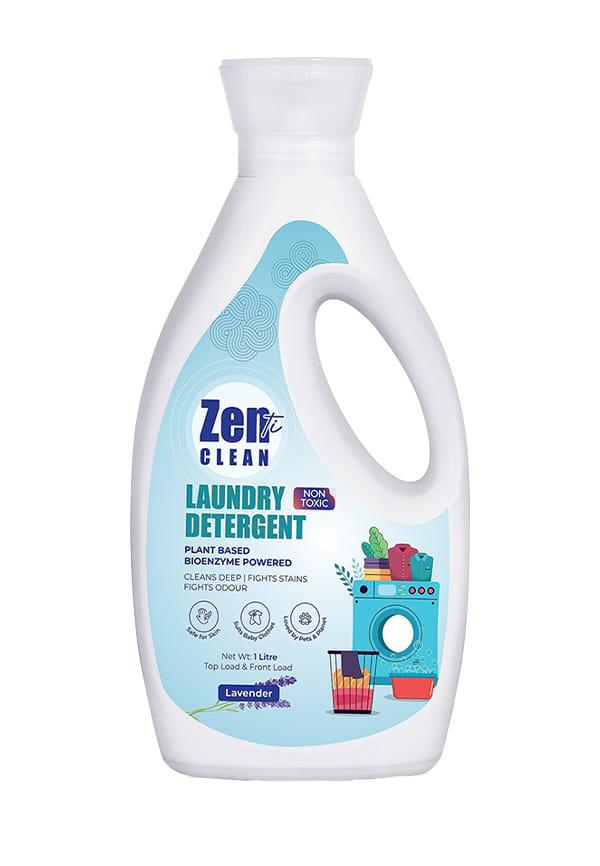
ZentiClean™ Natural Laundry Detergent - Lavender
Regular inspection of hidden areas like behind furniture, under sinks, and in storage spaces helps catch issues early. Use a torch to check dark corners and feel for dampness in areas that don't get much airflow.
Different rooms face unique challenges during monsoon, requiring tailored approaches to deodorize home during rain effectively. Understanding these specific needs helps you allocate your efforts where they'll have the most impact.
Bedrooms accumulate moisture from breathing and body heat, especially with windows closed during rain. Use mattress protectors to prevent moisture absorption, and rotate pillows and cushions regularly to ensure even drying. Wash bedding more frequently during monsoon, and ensure it's completely dry before putting it back on beds.
Living areas with carpets need extra attention. Vacuum regularly and consider professional cleaning if odours persist. For immediate relief, sprinkle baking soda on carpets overnight before vacuuming. Leather furniture benefits from occasional wiping with a slightly damp cloth followed by thorough drying.
Kitchens generate both moisture and food odours during monsoon. Clean drains regularly with baking soda and vinegar to prevent bacterial buildup. Store food in airtight containers to prevent moisture absorption and spoilage odours. Empty garbage bins more frequently, as decomposition accelerates in humid conditions.
Bathrooms need daily attention during monsoon. Squeegee shower walls after use, hang towels properly to dry, and run exhaust fans longer than usual. Consider placing moisture absorbers in bathroom cabinets to protect toiletries and prevent musty smells in stored items.
Consistency trumps intensity when it comes to monsoon odor control. Small daily actions prevent problems from building up, making your overall home fragrance monsoon tips more effective and less time-consuming.
Start each day by assessing humidity levels and air quality in your home. If there's a break in the rain, open windows for even 10-15 minutes to refresh the air. Wipe down surfaces that tend to collect moisture overnight, particularly in bathrooms and kitchens.
Check and empty any moisture absorbers you've placed around the house. Replace or refresh them as needed—this simple step prevents them from becoming ineffective or even contributing to odour problems.
Before bed, ensure all wet items are properly hung or placed in well-ventilated areas. This includes umbrellas, raincoats, and any damp clothing. Set up fans or dehumidifiers to run overnight in problem areas.
Place fresh natural odor absorbers in areas that will be closed overnight, such as wardrobes or storage rooms. This passive approach works while you sleep, ensuring you wake up to fresher air.
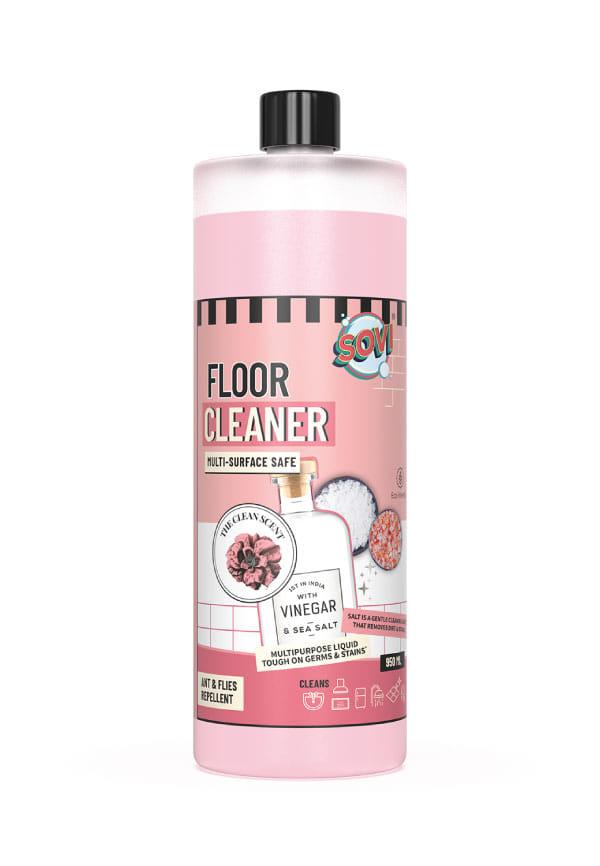
Vinegar Powered, Multi Surface Safe, Floor Cleaner & more, 100% Natural Repellent, Clean Scent
Great Fragrance & Stain Remover
5“Good packaging, firstly I purchased this and this is very nice and fresh frengrance.. clean all type stain.”
Open windows during dry periods for cross-ventilation, place bowls of white vinegar or activated charcoal around the room, and use natural moisture absorbers like baking soda. Essential oil diffusers with eucalyptus or tea tree oil also help neutralise musty odours while adding pleasant fragrance.
Combine dehumidifiers in main living areas with natural absorbers like silica gel in smaller spaces. Ensure proper ventilation in kitchens and bathrooms, use exhaust fans regularly, and maintain indoor humidity between 30-50%. Regular cleaning with vinegar-based solutions prevents mould growth.
Replace or refresh natural absorbers every 2-3 weeks during heavy monsoon periods. Baking soda can be refreshed by heating it in the oven, activated charcoal can be recharged in sunlight, and coffee grounds should be replaced when they lose their effectiveness.
Absolutely! Maintain proper ventilation, use natural antifungal solutions like tea tree oil or vinegar, control humidity levels, and ensure good air circulation. Regular cleaning and immediate attention to damp areas prevent mould growth naturally. Available on Smytten, you'll find various natural home fragrance solutions that work effectively during monsoon.
Bathrooms and kitchens require daily attention due to high moisture levels. Bedrooms with poor ventilation, storage areas, and any rooms with carpets or heavy fabrics also need regular monitoring and treatment during rainy season.
Effective monsoon odor control combines understanding the root causes with implementing practical, sustainable solutions. Focus on humidity management through proper ventilation and dehumidification, while using natural odor absorbers to maintain fresh indoor air. Prevention through daily maintenance habits proves more effective than reactive measures.
Remember that different areas of your home require tailored approaches—what works in your living room might not be suitable for your bathroom. Natural solutions like baking soda, vinegar, and essential oils offer safe, effective alternatives to chemical air fresheners while addressing the underlying causes of monsoon odours.
Consistency in your approach yields the best results. Small daily actions like proper ventilation during dry periods, immediate attention to wet items, and regular replacement of natural absorbers create a cumulative effect that keeps your home fresh throughout the rainy season.
Creating a fresh, pleasant home environment during monsoon doesn't have to be complicated or expensive. With the right combination of natural solutions and consistent habits, you can effectively combat humidity-related odours and maintain the comfortable living space you deserve. Smytten understands the importance of discovering products that truly work for your lifestyle needs. As India's largest product discovery and trial platform, Smytten offers curated trial packs from over 1,500 trusted brands, including home fragrance and wellness solutions perfect for monsoon challenges. With authentic brand-verified minis available through PAN-India delivery, you can try before you buy and find the perfect products for your home's specific needs. The platform's 100% cashback on trials makes it easy to explore different solutions without the commitment, ensuring you never have to settle for products that don't quite work. After all, why settle for 'maybe' when you can #TryItAll and find exactly what keeps your home fresh and welcoming, rain or shine!
