How to Describe Your Perfume Preferences for Recommendations

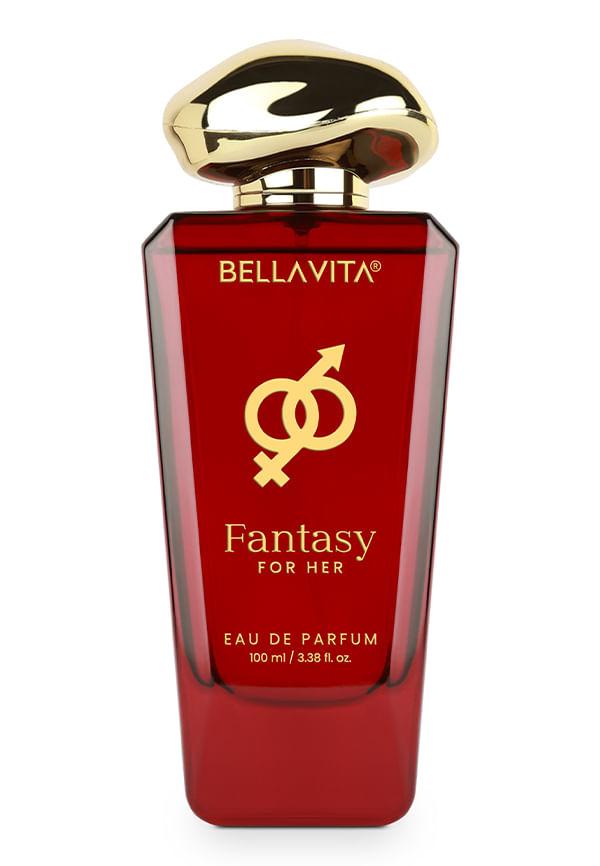
Organic Mood Collection Fantasy Perfum for Women
Ever walked into a perfume shop and felt completely lost when the sales assistant asked, "What kind of fragrance do you like?" You're not alone. Most of us know what we like when we smell it, but putting those preferences into words? That's where things get tricky. Whether you're chatting with a fragrance consultant, browsing online, or exploring trial packs on Smytten, knowing how to describe your scent preferences is the key to finding your perfect match. Let's break down the art of fragrance communication so you never have to settle for "something floral" again.
Learn basic perfume vocabulary including top, middle, and base notes to describe fragrances accurately
Use sensory descriptors like texture, temperature, and intensity words instead of vague terms
Identify your scent profile by analysing current favourites and considering lifestyle needs
Create a personal description template and mention both likes and dislikes for better recommendations
Consider body chemistry, seasonal preferences, and occasion-specific needs when describing your ideal fragrance
Getting the right perfume recommendations starts with understanding why clear communication matters. Think about it—fragrance is deeply personal, and what smells divine on your best mate might be completely wrong for you. When you can articulate your preferences properly, you're not just helping others help you; you're also developing a better understanding of your own taste.
The challenge of finding your signature scent becomes so much easier when you have the right vocabulary. Instead of wandering aimlessly through countless options, clear fragrance descriptions act like a roadmap to your perfect match. When you can explain that you love "fresh, citrusy top notes with a warm, woody base" rather than just "something light," you're giving fragrance experts the tools they need to guide you effectively.
Let's be real—most of us have been guilty of using terms like "nice" or "fresh" without really explaining what we mean. These vague descriptors don't give anyone much to work with. Similarly, focusing only on brand names ("I like Chanel") without understanding the actual scent profiles means you might miss out on amazing alternatives. Don't forget to consider when and where you'll wear your fragrance—your office scent and weekend vibe are probably quite different.
Ready to level up your fragrance game? Understanding basic perfume vocabulary is like learning a new language—one that opens up a whole world of scent possibilities. Once you grasp these fundamentals, describing your preferences becomes so much clearer.
Top notes are what you smell first—think citrus, fresh herbs, or light florals that create that initial impression. Middle notes form the heart of the fragrance, often featuring florals, fruits, or spices that develop after a few minutes. Base notes are the foundation—woody, musky, or amber scents that linger longest on your skin.
Move beyond basic adjectives with texture words like crisp, velvety, soft, sharp, or smooth. Temperature descriptions such as warm, cool, fresh, or heated help paint a clearer picture. Intensity words—light, bold, subtle, powerful, delicate—give others a sense of how prominent you want your fragrance to be.
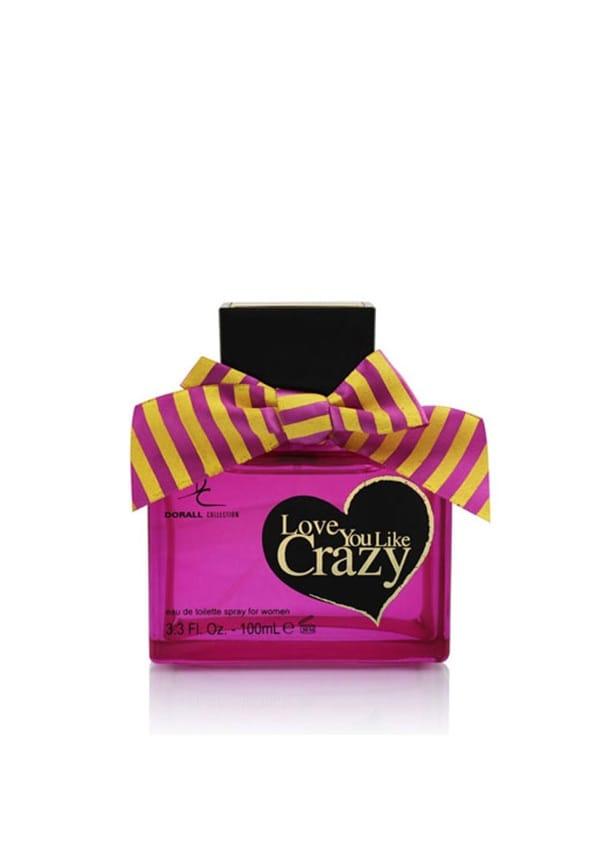
Love You Like Crazy For Women
Beautiful Products, Good Results
 5
5“beautiful products good results”
Refreshing and Awesome Smell
5“love the smell.its so refreshing and just awesome..”
Excellent Product and Packaging
5“nice packaging product is really good i love this product it is excellent like other products from this company ❤️thanks smytten ❤️”
Understanding fragrance families helps narrow down your preferences quickly. Fresh fragrances include citrus, green, and aquatic scents perfect for everyday wear. Floral families range from romantic rose to powdery violet to fresh peony. Oriental fragrances bring spicy, warm, exotic vibes, while woody families offer earthy, dry, smoky characteristics.
Now comes the fun part—figuring out your personal scent DNA. This isn't about following trends or copying what influencers wear; it's about understanding what genuinely works for you and your lifestyle.
Start by looking at the fragrances already in your collection. What do they have in common? Maybe they all feature vanilla base notes, or perhaps you're drawn to fresh, aquatic scents. Breaking down these patterns helps identify your natural preferences and makes it easier to explain what you're looking for.
Some people love a fragrance that announces their presence, while others prefer something more intimate. Think about your ideal sillage—that scent trail you leave behind. Do you want something that lasts all day, or are you happy reapplying? These preferences are crucial for getting the right recommendations.
Your daily routine plays a huge role in fragrance choice. Office environments might call for something subtle and professional, while weekends allow for bolder, more experimental scents. Consider seasonal changes too—what feels perfect in summer might be completely wrong for winter.
Having the vocabulary is one thing, but putting it all together in a way that gets results? That's where these practical techniques come in handy.
Develop a go-to framework for describing your preferences. Start with your favourite fragrance families, mention specific notes you love, describe your ideal intensity level, and don't forget to include any deal-breakers. For example: "I love fresh, citrusy openings with floral hearts and clean, musky bases. I prefer moderate sillage for work but avoid anything too powdery or overly sweet."
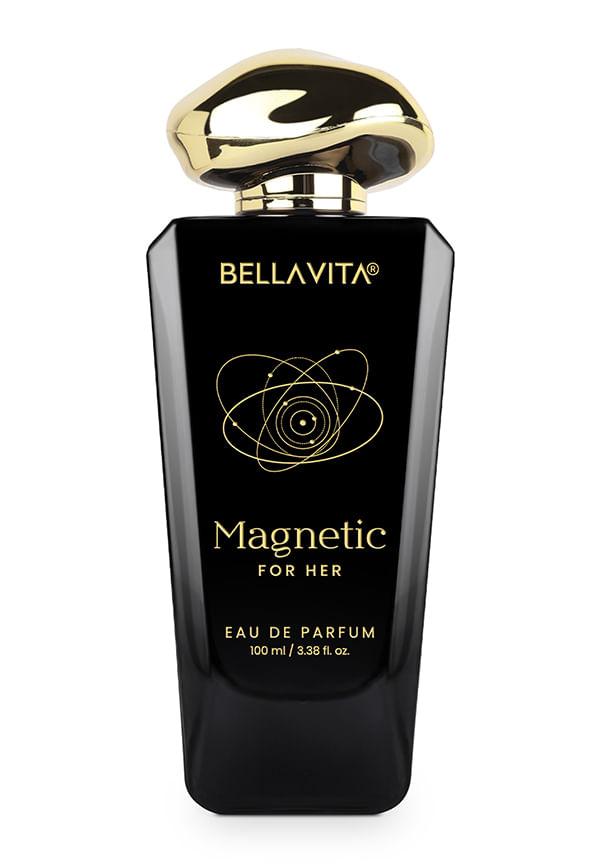
Organic Mood Collection Magnetic Perfum for Women
Relating scents to familiar smells makes communication so much easier. Instead of struggling with technical terms, you might say "something that reminds me of a garden after rain" or "like walking through a spice market." Reference popular fragrances as starting points, then explain what you'd want more or less of.
Context is everything when it comes to fragrance recommendations. Mention when you'll wear it, your age and style preferences, and any budget considerations. This information helps narrow down options and ensures suggestions actually fit your life.
Armed with your new vocabulary and description skills, it's time to put them to work. Whether you're shopping in-store or exploring options online, clear communication is your secret weapon for fragrance success.
Don't be shy about asking questions and sharing your preferences in detail. Good consultants appreciate customers who can articulate what they want. Test fragrances properly by applying them to your skin and giving them time to develop—those base notes need a chance to shine.
The internet is brilliant for fragrance discovery. Join online communities where you can describe your preferences and get recommendations from fellow fragrance lovers. Many websites offer scent profiling tools that translate your preferences into specific suggestions.
Remember that fragrances smell different on everyone due to individual body chemistry. Mention how scents typically perform on your skin—do they last long? Do certain notes become more prominent? This information helps others suggest fragrances that will work well with your unique chemistry.
Ready to take your fragrance journey to the next level? These advanced techniques will help you become even more precise in describing your preferences and discovering new favourites.
Keep track of every fragrance you try, noting what you loved, what you didn't, and how it performed throughout the day. This creates a personal database of preferences that becomes invaluable when seeking new recommendations. Include details about the weather, your mood, and any compliments you received.
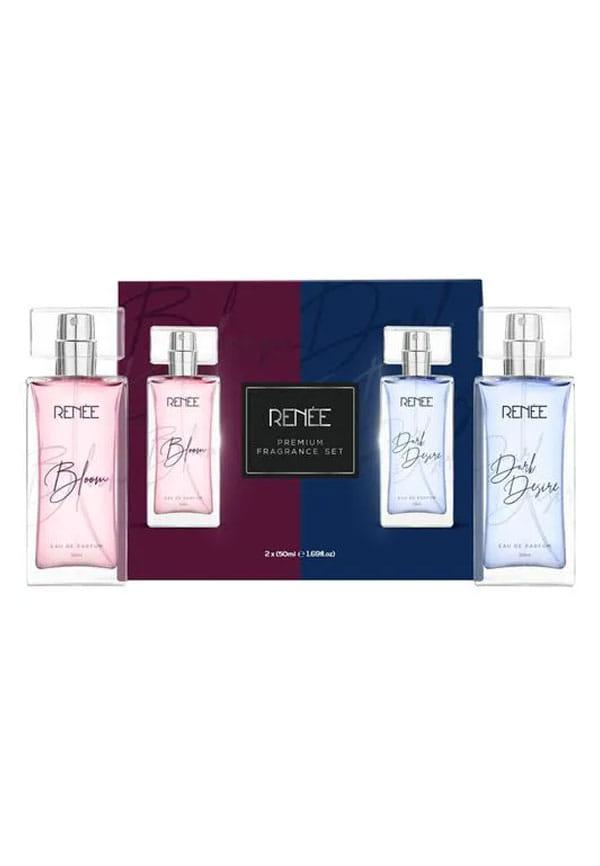
Eau De Parfum Premium Fragrance Set - Bloom & Dark Desire
Sophisticated and Charming Fragrance
5“This fragrance is a mesmerizing fusion of sophistication and charm, designed for those who appreciate timeless elegance. Its vibrant opening notes awaken the senses, while a rich, velvety heart unfolds gracefully, leaving a lasting impression. Perfectly balanced between freshness and warmth, it transitions effortlessly from day to evening wear. Encased in sleek, minimalist packaging, it embodies understated luxury.”
Amazing Product
5“go for ittt it's amazing loved it so much”
Highly recommended product
5“This is the best product you must buy. Loved it.”
Understanding whether you prefer mainstream appeal or unique, artistic compositions helps narrow down your search. Niche fragrances often feature unusual combinations and higher concentrations, while designer options tend to be more universally appealing. Communicate your preference for familiar versus adventurous scents.
Use specific sensory words like 'crisp and energising' or 'warm and enveloping' rather than generic terms. Focus on how the fragrance makes you feel and which notes stand out to you. Mention the fragrance's personality—is it sophisticated, playful, mysterious, or comforting?
Start with simple comparisons to familiar scents like flowers, fruits, or spices, then gradually build your vocabulary. Many platforms, including Smytten, provide detailed fragrance descriptions that can help you learn the terminology while exploring different options.
Use targeted questioning about your lifestyle and existing preferences to narrow down fragrance families first. Work with knowledgeable consultants and take advantage of trial options to test multiple scents efficiently before committing to full sizes.
Absolutely! Describing what you don't like is just as valuable as explaining your preferences. Mention specific notes, fragrance families, or characteristics you want to avoid—this prevents wasted time and disappointing purchases.
Mention that your preferences shift with seasons and occasions. Explain whether you want something versatile for year-round wear or specific seasonal options. This helps ensure recommendations suit your actual wearing patterns.
Mastering the art of describing your perfume preferences transforms fragrance shopping from overwhelming to exciting. Start with basic vocabulary around fragrance notes and families, then develop your personal description template that includes both likes and dislikes. Remember that context matters—your lifestyle, the occasions you're shopping for, and your body chemistry all play crucial roles in finding the perfect match. Don't be afraid to be specific and detailed in your descriptions; the more information you provide, the better recommendations you'll receive.
Finding your perfect fragrance doesn't have to be a game of chance. With the right vocabulary and description techniques, you can communicate your preferences clearly and discover scents that truly resonate with you. Smytten makes this journey even easier by offering curated trial packs from over 1,500 trusted fragrance brands, letting you explore different scent profiles before committing to full-size purchases. With authentic brand-verified minis available across India and 100% cashback on trials, you can experiment with various fragrance families and notes to build your perfect scent vocabulary. Whether you're seeking your signature scent or expanding your fragrance wardrobe, the ability to describe your preferences clearly opens up a world of olfactory possibilities. After all, why settle for 'maybe' when you can try it all and find exactly what speaks to you?
