How to Layer Floral Perfumes

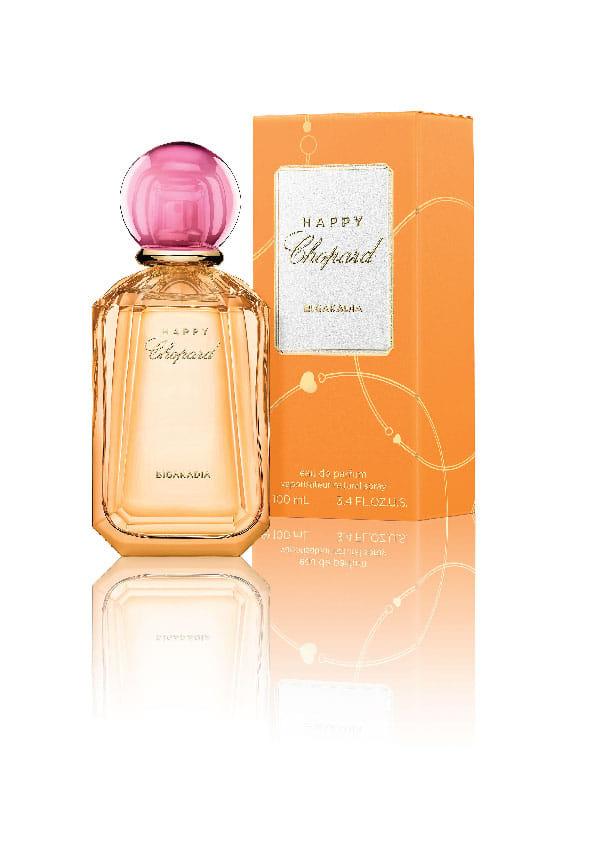
Happy Bigaradia Eau de Parfum
Ever sprayed a floral perfume and wondered why it smells completely different after an hour? That's the magic of understanding the complexity of multi layered floral scents. Unlike simple single-note fragrances, these sophisticated compositions unfold like a story on your skin, revealing different chapters as time passes. From the bright burst of bergamot and rose petals in the first few minutes to the warm embrace of sandalwood and musk hours later, multi-layered floral scents are masterpieces of perfumery that deserve proper appreciation. Whether you're exploring trial packs on Smytten or investing in a full-size bottle, knowing how to decode these intricate fragrance compositions transforms your entire scent experience. Let's dive into the fascinating world of floral fragrance architecture and discover what makes some perfumes utterly captivating while others fall flat.
TL;DR
Multi-layered floral scents follow the olfactory pyramid structure with top, middle, and base notes that evolve over 6-12 hours
Complex floral compositions blend different flower types (white florals, roses, green florals) with supporting ingredients for depth
Professional evaluation involves timing your analysis phases and understanding how different notes interact and transform
Modern fragrance layering techniques include molecular perfumery and time-release technology for enhanced complexity
Quality multi-layered florals show seamless transitions between phases without harsh gaps or overwhelming dominance
The magic of complex floral fragrances lies in their carefully orchestrated structure. Think of it like a symphony where different instruments come in at precisely the right moments to create something beautiful together.
Every sophisticated floral perfume follows the classic top middle base notes structure, but it's the execution that separates amateur blends from masterpieces. The top notes hit your nose first—usually lasting 0-15 minutes—and include lighter molecules like citrus, green leaves, or delicate flower petals. These create that initial "wow" moment but evaporate quickly due to their low molecular weight.
The heart or middle notes emerge as the top notes fade, typically dominating the 15 minutes to 6-hour mark. This is where the main floral story unfolds—think rich jasmine, velvety rose, or exotic frangipani. Finally, base notes provide the foundation, lasting 6+ hours with heavier molecules like sandalwood, musk, or amber that anchor the entire composition.
Here's where things get fascinating. Perfume ingredient interactions aren't just about layering scents—they're about creating chemical conversations. When jasmine meets sandalwood, new aromatic compounds form that smell different from either ingredient alone. Some florals compete for attention (like tuberose and gardenia), while others create beautiful synergy (rose and geranium).
Supporting non-floral ingredients play crucial roles too. A touch of pink pepper can make rose smell more vibrant, while vanilla can soften the intensity of white florals. Understanding these relationships helps you appreciate why certain combinations work brilliantly whilst others feel chaotic.
Not all floral perfumes are created equal. The difference between a simple rose water and a complex perfume composition lies in the artistry of blending multiple floral elements into a cohesive story.
Soliflore fragrances celebrate the beauty of one flower—like a pure jasmine or single rose scent. They're lovely but straightforward. Floral bouquet scents, however, are like master perfumers conducting an orchestra. They might combine Bulgarian rose with Moroccan rose, add jasmine for richness, include lily of the valley for freshness, and finish with iris for powdery elegance.
The skill lies in balancing these elements so no single flower dominates unless intentionally. Each bloom should enhance the others, creating depth and interest that keeps you discovering new facets throughout the day.
Fresh florals like lily of the valley, freesia, and peony bring clean, dewy qualities—perfect for spring mornings or office wear. White florals such as jasmine, tuberose, and gardenia are the drama queens of perfumery, offering intoxicating richness that's either beloved or overwhelming.
Rose variations deserve their own category. Bulgarian rose is rich and jammy, Turkish rose is spicy and complex, whilst tea rose offers delicate, green nuances. Exotic florals like frangipani, tiare, and ylang-ylang transport you to tropical paradises with their creamy, heady presence.
Green florals including violet leaf, geranium, and petitgrain add fresh, sometimes sharp green notes that prevent floral compositions from becoming too sweet or heavy.
Creating multi-layered floral masterpieces requires both traditional wisdom and modern innovation. The art of perfume blending has evolved significantly, but certain principles remain timeless.
Classical French perfumery follows strict proportional guidelines. The famous 30-50-20 rule suggests 30% top notes, 50% heart notes, and 20% base notes, though master perfumers often adjust these ratios based on the specific flowers and desired effect. Seasonal considerations matter too—lighter florals work better in summer heat, whilst richer compositions shine in cooler weather.
Traditional fragrance layering techniques also consider the natural blooming cycles of flowers. Morning glories open at dawn, jasmine releases its strongest scent at night, and roses peak at midday. Skilled perfumers mirror these natural rhythms in their compositions.
Today's perfumers have exciting new tools. Molecular perfumery allows for the isolation and recreation of specific scent molecules, creating florals that never existed in nature. Encapsulation technology enables time-release effects—imagine rose petals that bloom on your skin hours after application.
Sustainable and synthetic alternatives also expand creative possibilities. Lab-created lily of the valley (since the flower doesn't yield essential oil naturally) can be more consistent and ethical than traditional extraction methods.
Knowing how to properly evaluate multi-layered florals transforms you from casual sprayer to informed fragrance enthusiast. Evaluating fragrance depth requires patience, technique, and understanding of timing.
Start with clean skin—no moisturiser, previous fragrances, or strong soaps that might interfere. Apply the fragrance to pulse points (wrists, behind ears) and resist the urge to rub it in. Rubbing breaks down the molecular structure and can muddle the intended progression.
Environmental factors significantly affect perception. Test fragrances in different temperatures, humidity levels, and times of day. That gorgeous tuberose might smell divine in cool evening air but overwhelming in humid afternoon heat.
The first 15 minutes reveal top note transitions. Notice how bright citrus or green notes might give way to the first hints of floral heart notes. The 15-minute to 2-hour mark is prime time for heart note emergence—this is when the main floral story unfolds.
Base note appreciation requires patience. After 4-6 hours, the true character of the fragrance emerges. Quality compositions show seamless transitions without harsh gaps or sudden disappearances. Common masking patterns include vanilla covering sharp florals or musk emerging to soften white floral intensity.
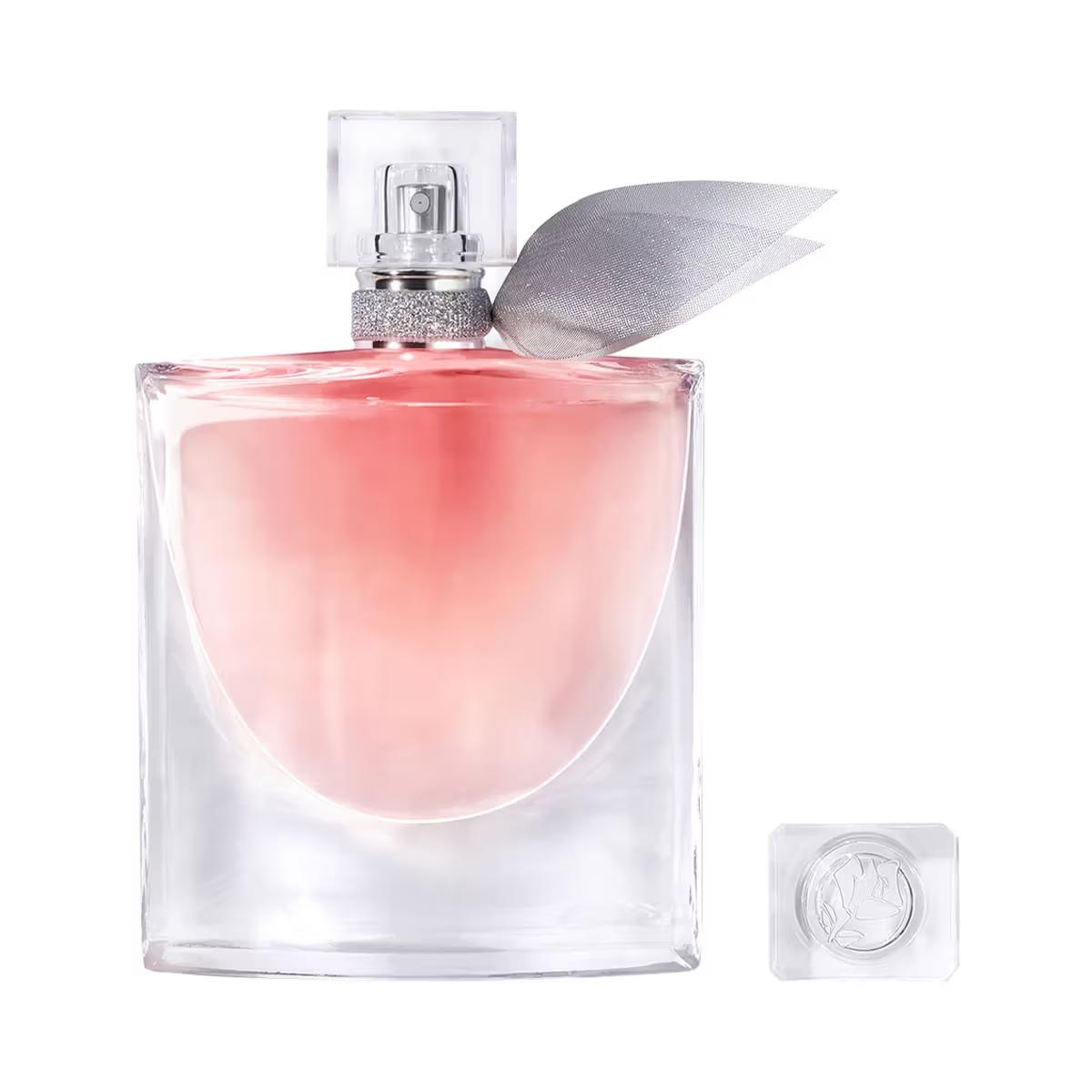
The Lancôme La Vie Est Belle Eau De Parfum exemplifies masterful multi-layered floral construction. Built around a trio of precious florals—Iris Pallida, Jasmine Sambac, and Orange Blossom—it creates sophisticated happiness that evolves beautifully on skin. The sweet, powdery dry-down showcases how supporting gourmand notes can enhance rather than compete with floral elements, making it a perfect example of understanding the complexity of multi layered floral scents in practice.
Product | Skin Type Suitability | Key Floral Notes | Price Range | Longevity |
|---|---|---|---|---|
AJMAL Musk Rose Concentrated Perfume | All skin types | Rose, spicy florals, musk | Mid-range | 8-10 hours |
The Perfume Co. Rose Allure Body Mist | Sensitive skin friendly | Rose, bergamot, jasmine, peony | Premium | 5-7 hours |
Fragrance & Beyond Dazzle Green Jasmine | Normal to oily skin | Green jasmine, tuberose, honeysuckle | Mid-range | 5-7 hours |
ATARSTORY Rose Oudh Luxury Attar | All skin types | Rose, oud, floral heart | Mid-range | 8-10 hours |
IBA Kashmir Meadows EDP | Sensitive skin, alcohol-free | Rose, oriental florals | Mid-range | 8-10 hours |
The 30-50-20 rule refers to the traditional concentration ratios in fragrance pyramids: 30% top notes, 50% heart/middle notes, and 20% base notes. This creates balanced compositions where the main floral story (heart notes) dominates whilst top notes provide initial impact and base notes ensure longevity.
The 3-1-1 application rule suggests three sprays maximum: one on each wrist and one behind the neck. This prevents overwhelming projection whilst ensuring the fragrance develops properly across different pulse points, especially important for complex floral compositions.
The four main fragrance families are Fresh (citrus, aquatic), Floral (single florals, floral bouquets), Oriental (spicy, warm, exotic), and Woody (sandalwood, cedar, vetiver). Multi-layered floral scents often incorporate elements from other families to create depth and complexity.
Start with the heaviest, most complex floral as your base. Add lighter, complementary florals that share similar notes or colour families. For example, layer a rich rose perfume with a light jasmine body mist, or combine white florals with green floral accents. Always test combinations on skin first, as body chemistry affects how scents blend.
Smytten's trial packs let you experience complex floral compositions before committing to full sizes. Try multiple floral fragrances from different brands to understand various layering approaches and find your preferred style of multi-layered complexity.
Understanding the complexity of multi layered floral scents transforms your entire fragrance journey. These sophisticated compositions follow the olfactory pyramid structure, where top, middle, and base notes create an evolving story on your skin. The magic lies in how different floral families—from fresh lily of the valley to exotic ylang-ylang—interact and enhance each other through careful blending techniques.
Quality multi-layered florals show seamless transitions between phases, with each note supporting rather than competing with others. Modern innovations like molecular perfumery and time-release technology have expanded creative possibilities, whilst traditional French perfumery principles still guide proportional balance.
When evaluating these complex compositions, patience is key. Allow at least 6 hours to experience the full evolution, and consider environmental factors that affect perception. The best multi-layered florals reveal new facets throughout their wear time, keeping you engaged and discovering subtle nuances hours after application.
Smytten is India's largest product discovery and trial platform, connecting consumers with top lifestyle, beauty, wellness, and grooming brands. At its core, Smytten offers curated trial packs - mini-sized products from over 1,500 trusted brands such as Cetaphil, Dot & Key, True Elements, Renee, Love, Beauty & Planet, and Bella Vita. This lets users explore and experience products before committing to full-size purchases. The platform covers a wide range of categories, including skincare, makeup, haircare, fragrances, and more. Each mini is linked with Trial Points, and users can get up to 8 minis for just ₹249. Plus, Smytten offers 100% cashback on the purchase of these minis, redeemable in the shop section for future orders, making product discovery both affordable and rewarding. When exploring complex floral fragrances, Smytten's try before you buy approach proves invaluable—you can experience how multi-layered compositions evolve on your skin without the commitment of full-size purchases. With India's largest minis collection available on Smytten, discovering your perfect floral complexity has never been more accessible. After all, why settle for 'maybe' when you can #TryItAll!
