How to Decode Eau de Parfum vs Parfum: Concentration & Character

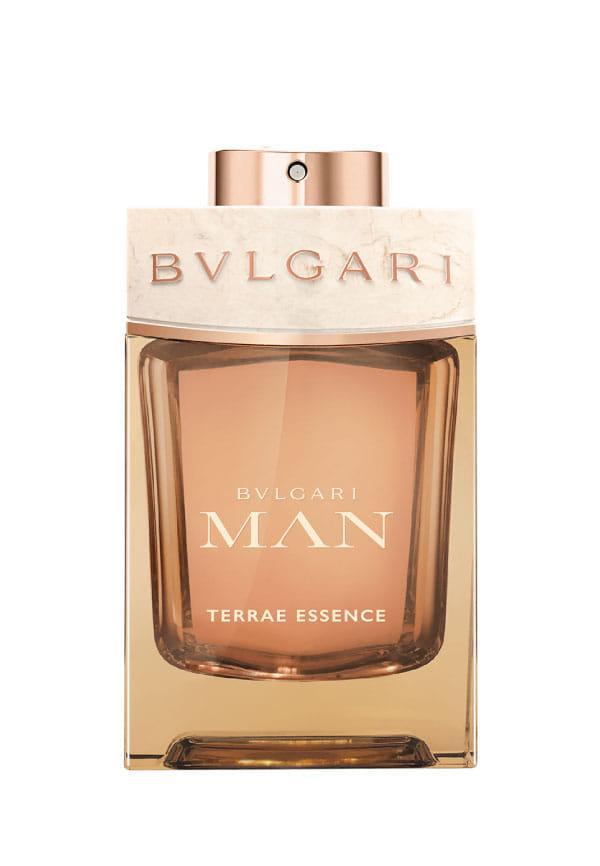
Man Terrae Essence Eau De Parfum
Ever stood in a perfume shop, completely baffled by the difference between eau de parfum and parfum? You're not alone. These concentration levels can feel like a secret code that only fragrance experts understand. But here's the thing – knowing the difference between eau de parfum versus parfum isn't just about sounding sophisticated. It's about finding the right scent intensity for your lifestyle, budget, and personal style. Whether you're after something that whispers elegantly throughout the day or makes a bold statement that lasts well into the evening, understanding perfume concentration levels is your key to making smarter fragrance choices. With platforms like Smytten offering trial packs of premium fragrances, you can actually test these different concentrations before committing to a full bottle – because why guess when you can try?
TL;DR
Parfum contains 20-40% fragrance oils whilst eau de parfum has 15-20%, making parfum stronger and longer-lasting
Eau de parfum offers 6-8 hours of wear time compared to parfum's 8-12 hours, but costs significantly less
Your choice depends on occasion, budget, and skin chemistry – EDPs work brilliantly for daily wear whilst parfum suits special occasions
Understanding fragrance oil percentages helps you pick the right concentration for your lifestyle and scent preferences
Let's start with the basics. Perfume concentration levels determine how much aromatic compound is mixed with alcohol and water in your bottle. Think of it like making tea – the more tea leaves you use, the stronger your brew becomes.
Aromatic compounds are extracted from natural ingredients like flowers, woods, and spices, then carefully diluted to create different concentration levels. The higher the fragrance oil percentage, the more potent your scent becomes. This isn't just about strength though – it affects how the fragrance behaves on your skin, how far it projects, and how long it lasts.
Here's where things get interesting. The fragrance world follows a clear hierarchy:
Extrait de Parfum (Pure Parfum): 20-40% concentration – the most luxurious option
Eau de Parfum (EDP): 15-20% concentration – the sweet spot for most people
Eau de Toilette (EDT): 5-15% concentration – lighter and more refreshing
Eau de Cologne (EDC): 2-4% concentration – fresh and fleeting
Eau Fraiche: 1-3% concentration – barely there freshness
Now for the main event – what actually sets eau de parfum and parfum apart? The difference isn't just academic; it affects everything from your morning routine to your evening plans.
Parfum typically contains 20-40% fragrance oils, whilst eau de parfum sits at 15-20%. This might seem like a small gap, but it creates a massive difference in performance. Parfum generally lasts 8-12 hours on skin, whilst EDP gives you a solid 6-8 hours. The projection differs too – parfum creates an intimate scent bubble around you, whilst EDP offers more noticeable sillage.
The formulation differences go beyond just concentration. Parfum uses less alcohol and more oil, creating a richer, more luxurious texture that sits closer to your skin. EDP balances oil and alcohol for better projection whilst maintaining good longevity. This affects not just performance but also how the fragrance feels when you apply it.
Here's something fascinating – the same fragrance can smell completely different in parfum versus eau de parfum concentrations. It's not just about strength; the character actually changes.
In higher concentrations like parfum, base notes become more prominent and complex. You'll notice deeper, richer facets that might be barely detectable in lighter concentrations. Top notes, whilst still present, don't dominate the composition as much. In eau de parfum, you get a more balanced representation of all three note levels – top, heart, and base.
Most fragrances follow this classic structure:
Top notes (50%): Your first impression – usually citrus, herbs, or light florals
Heart notes (30%): The personality of the fragrance – florals, spices, fruits
Base notes (20%): The foundation – woods, musks, vanilla, amber
In parfum concentrations, this balance shifts towards the base, creating a deeper, more complex experience.
Performance isn't just about longevity – it's about how a fragrance behaves throughout its wear time. Let's break down what you can actually expect from each concentration.
On normal skin, parfum typically delivers 8-12 hours of noticeable scent, with some exceptional formulations lasting even longer. Eau de parfum gives you 6-8 hours of good performance. However, your skin type matters enormously. Oily skin holds fragrance longer, whilst dry skin tends to absorb and fade scents more quickly. Environmental factors like humidity and temperature also play a role.
Parfum costs more upfront but often delivers better value per wear. A single application of parfum might last all day, whilst you might need to reapply EDP once or twice. For daily wear, EDP often makes more financial sense. For special occasions where you want maximum impact and longevity, parfum justifies its premium price.
Understanding the full spectrum helps you choose the right concentration for different situations. Each has its place in a well-rounded fragrance wardrobe.
Eau de toilette works brilliantly for hot weather, office environments, or when you want a subtle scent presence. EDP strikes the perfect balance for most daily situations – noticeable but not overwhelming. Parfum is your special occasion hero, perfect for evenings, dates, or when you want to make a lasting impression.
Take a beloved fragrance like rose or vanilla-based scents. In EDT, you'll get a light, airy interpretation. In EDP, the rose becomes more rounded and substantial. In parfum concentration, you'll discover hidden facets – perhaps green stems, spicy undertones, or creamy depths that weren't apparent in lighter concentrations.
Product | Brand | Concentration | Best For | Longevity |
|---|---|---|---|---|
Midnight Rouge Perfume Body Mist | The Perfume Co. | Body Mist | Evening wear, sensitive skin | 6-8 hours |
Vanilla Oudh Luxury Attar | ATARSTORY | Pure Oil (Highest) | Special occasions, maximum longevity | 8-10 hours |
Mumbai Glam EDP | IBA | Eau de Parfum | Daily wear, alcohol-free option | 8-10 hours |
Luxure Oudh EDP | LA' FRENCH | Eau de Parfum | Budget-friendly daily Oud | 6-8 hours |
Terra EDP | WILD STONE | Eau de Parfum | Strong projection, humid weather | 6-8 hours |
Your perfect concentration depends on several personal factors. Let's work through how to make the right choice for your lifestyle and preferences.
Oily skin amplifies and extends fragrance, so you might prefer lighter concentrations like EDP for daily wear. Dry skin tends to absorb fragrance quickly, making parfum a better investment for longevity. Your skin's pH also affects how fragrances smell – some people find that higher concentrations work better with their natural chemistry.
A well-rounded collection might include an EDT for summer freshness, an EDP for daily versatility, and a parfum for special occasions. Consider having different concentrations of the same fragrance family – perhaps a light citrus EDT for morning, a floral EDP for day, and a rich oriental parfum for evening.
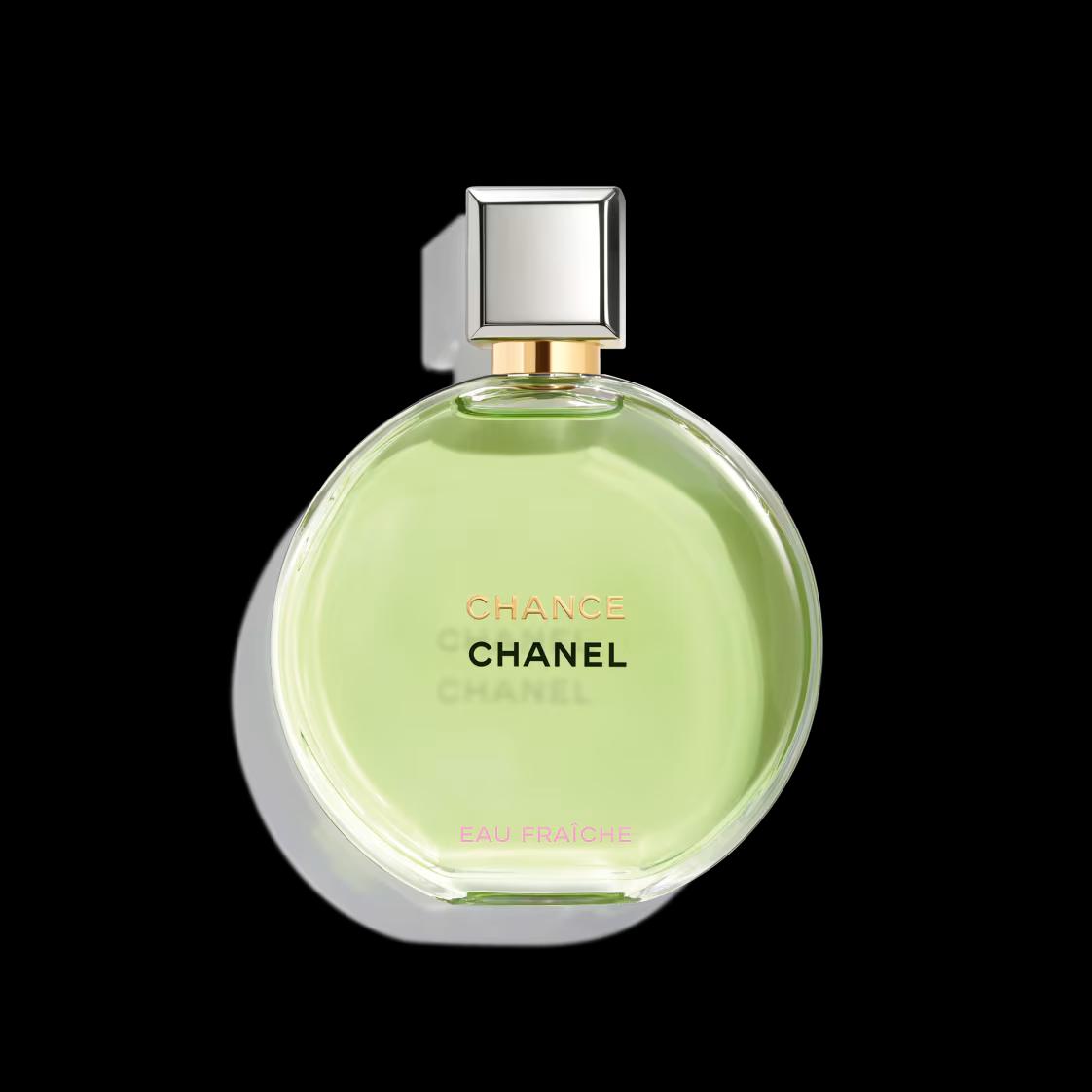
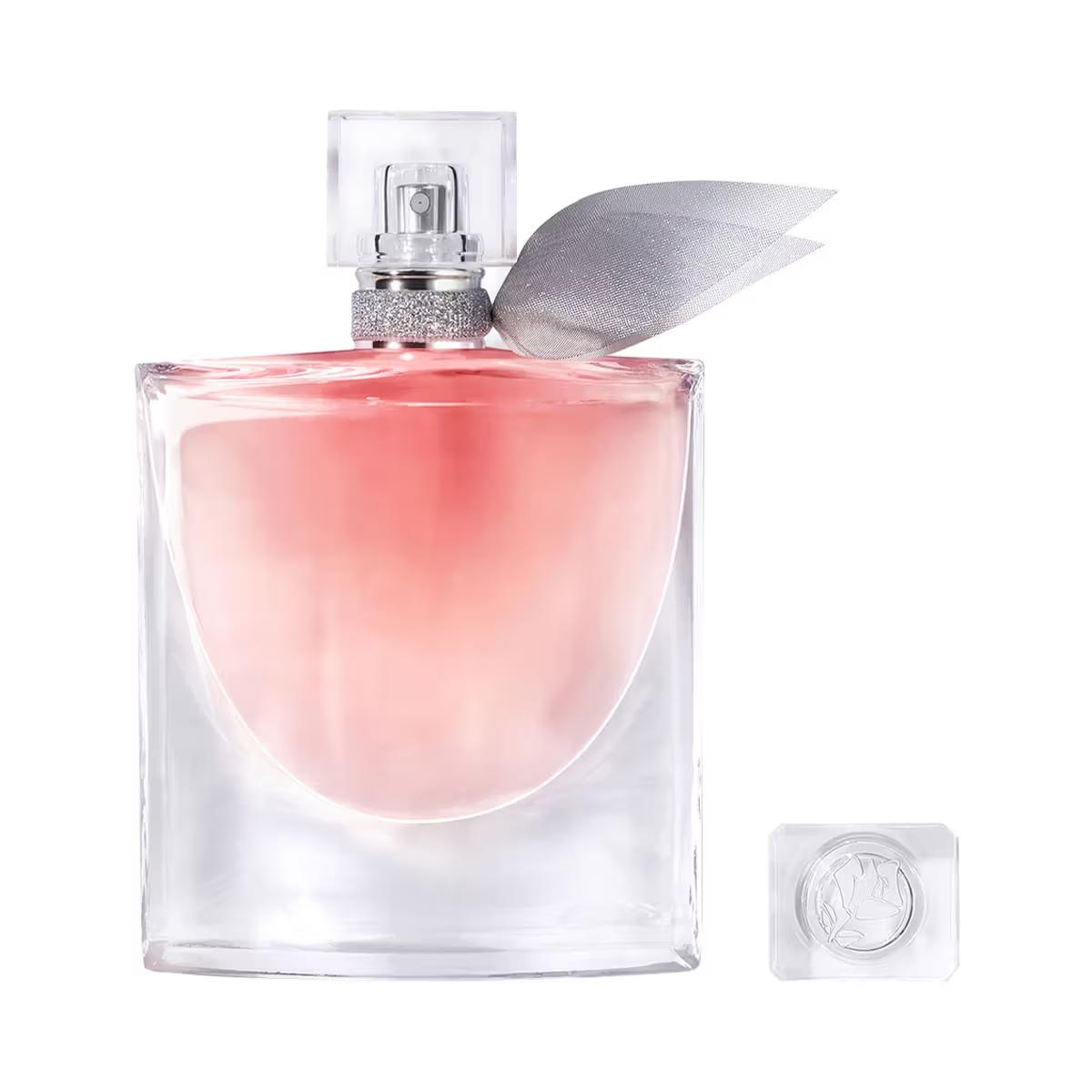
The Lancôme La Vie Est Belle Eau De Parfum is one of the world's best-selling luxury fragrances — and for good reason. A timeless floral gourmand built around a trio of precious florals — Iris Pallida, Jasmine Sambac, and Orange Blossom — it creates an aura of sophisticated happiness that is warm, sweet, and incredibly long-lasting on the skin. The name translates to 'life is beautiful,' and the fragrance delivers exactly that feeling: joyful, generous, and deeply feminine without being heavy. Its sweet, powdery dry-down makes it a year-round favourite for both day and evening wear. Available in a generous 100ml size, it is best suited for women who want an iconic, investment-worthy perfume that is universally loved, long-lasting, and appropriate for both gifting and everyday luxury.
Parfum is significantly more concentrated, containing 20-40% fragrance oils compared to eau de parfum's 15-20%. This makes parfum stronger, longer-lasting, and more expensive. The higher concentration also means you need less product per application, making it more economical in the long run despite the higher upfront cost.
Yes, Extrait de Parfum (also called Pure Parfum) is the highest concentration available, containing 20-40% fragrance oils. Some niche brands offer even higher concentrations, but these are rare and extremely expensive. Extrait de Parfum represents the most luxurious and long-lasting option in mainstream perfumery.
EDP stands for Eau de Parfum (15-20% concentration), EDT means Eau de Toilette (5-15% concentration), and EDC refers to Eau de Cologne (2-4% concentration). These French terms indicate the fragrance oil percentage in each formulation, with EDP being the strongest of the three and EDC the lightest.
Consider your lifestyle, budget, and scent preferences. If you want all-day longevity and don't mind a higher price, choose parfum. For daily versatility and good performance, EDP is ideal. For hot weather, office wear, or budget-conscious choices, EDT works well. Testing different concentrations through trial packs available on Smytten can help you find your perfect match without committing to full-size bottles.
Understanding eau de parfum versus parfum concentration and character comes down to knowing what works for your lifestyle. Parfum offers maximum longevity and intensity but costs more, whilst eau de parfum provides excellent performance at a more accessible price point. Your skin chemistry, wearing occasions, and personal preferences all play a role in determining which concentration suits you best. Remember that fragrance oil percentage directly impacts not just longevity but also how the scent develops and projects throughout the day.
Smytten is India's largest product discovery and trial platform, connecting consumers with top lifestyle, beauty, wellness, and grooming brands. At its core, Smytten offers curated trial packs - mini-sized products from over 1,500 trusted brands such as Cetaphil, Dot & Key, True Elements, Renee, Love, Beauty & Planet, and Bella Vita. This lets users explore and experience products before committing to full-size purchases. The platform covers a wide range of categories, including skincare, makeup, haircare, fragrances, and more. Each mini is linked with Trial Points, and users can get up to 8 minis for just ₹249. Plus, Smytten offers 100% cashback on trials, redeemable in the shop section for future orders, making product discovery both affordable and rewarding. With authentic brand-verified minis available on Smytten and PAN-India delivery, you can trial before you buy and discover your perfect fragrance concentration without the guesswork. After all, why settle for 'maybe' when you can #TryItAll!
