How to Decode Designer Perfume Notes Like a Pro


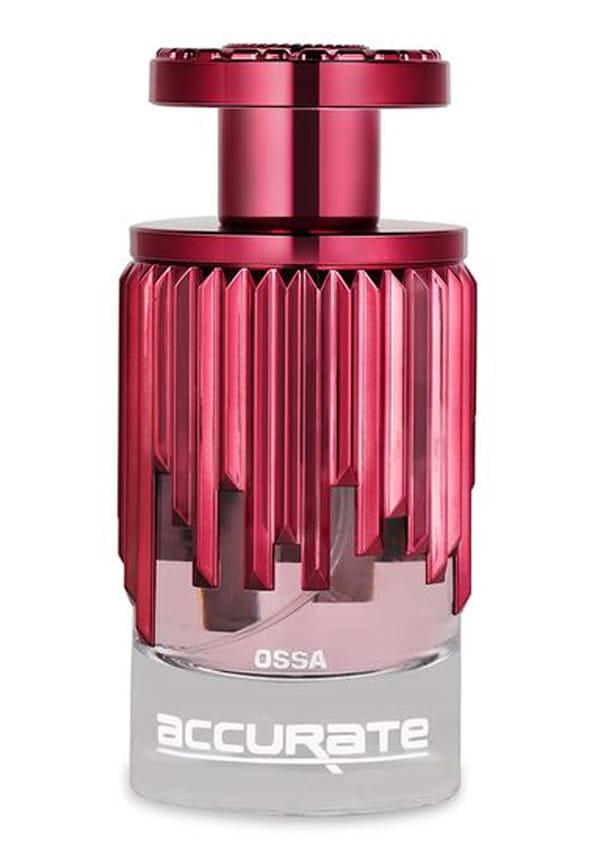
Accurate Eau De Parfum
Ever sprayed a perfume that smelled divine in the shop but turned into something completely different on your skin? You're not alone. The secret to finding your perfect scent lies in understanding perfume notes – those mysterious ingredients that make or break a fragrance. Think of it like learning to read music before you can truly appreciate a symphony. Once you crack the code of designer perfume notes, you'll never make another blind fragrance purchase again. Let's dive into this complete designer perfume notes guide that'll turn you into a proper scent detective.
Perfume notes are the individual scent components that make up a fragrance – think of them as the ingredients in your favourite recipe. But here's where it gets interesting: these notes don't all appear at once. Your nose experiences them in layers, creating a story that unfolds over hours. This layered approach is what separates a well-crafted designer fragrance from something that smells flat or one-dimensional.
The science behind how we perceive these notes is fascinating. Our olfactory system processes different molecular weights at different speeds. Lighter molecules (like citrus) hit your nose first, while heavier ones (like woods and musks) take their sweet time to develop. This is why that initial spritz of bergamot might fade into rose, then settle into sandalwood by evening.
When you understand perfume composition, you're not just buying a pretty bottle – you're investing in a scent that actually works with your lifestyle. Love fresh, energising scents for morning meetings? You'll want to focus on citrus and green notes. Prefer something sultry for date nights? Oriental and woody bases are your best mates.
Let's be real – most modern perfume ingredients are synthetic, and that's not necessarily a bad thing. Synthetic molecules can be more sustainable, consistent, and sometimes even smell better than their natural counterparts. Plus, they're often what gives designer fragrances their unique character and longevity.
Picture a pyramid – that's how perfumers structure their creations. The fragrance pyramid isn't just a fancy concept; it's the blueprint that determines how your perfume will smell from the first spray to the final whisper on your skin hours later.
Understanding this structure is crucial for reading scent profiles accurately. Each layer has a specific job, and knowing what to expect helps you evaluate whether a fragrance is worth your time and money.
Top notes perfume components are the opening act – bright, attention-grabbing, and designed to make you fall in love at first sniff. These typically include citrus fruits like bergamot and lemon, fresh herbs like basil and mint, or light florals like freesia. They're the reason you might impulsively buy a fragrance, but here's the catch: they disappear within 15-30 minutes.
Also called heart notes, these form the soul of your fragrance. Lasting 2-4 hours, middle notes include fuller florals like rose and jasmine, spices like cinnamon and cardamom, or fruits like apple and peach. They bridge the gap between the initial excitement of top notes and the lasting comfort of base notes.
Base notes perfume ingredients are the marathon runners of the fragrance world. These heavy hitters – think sandalwood, vanilla, musk, and amber – can last 6+ hours and sometimes linger on clothes for days. They're what people smell when they hug you or catch a whiff as you walk past.
Fragrance families are like genres in music – they help you navigate the vast world of scents and find what resonates with your personal style. Understanding these families is essential for any serious fragrance guide, as they provide a framework for exploring new scents systematically.
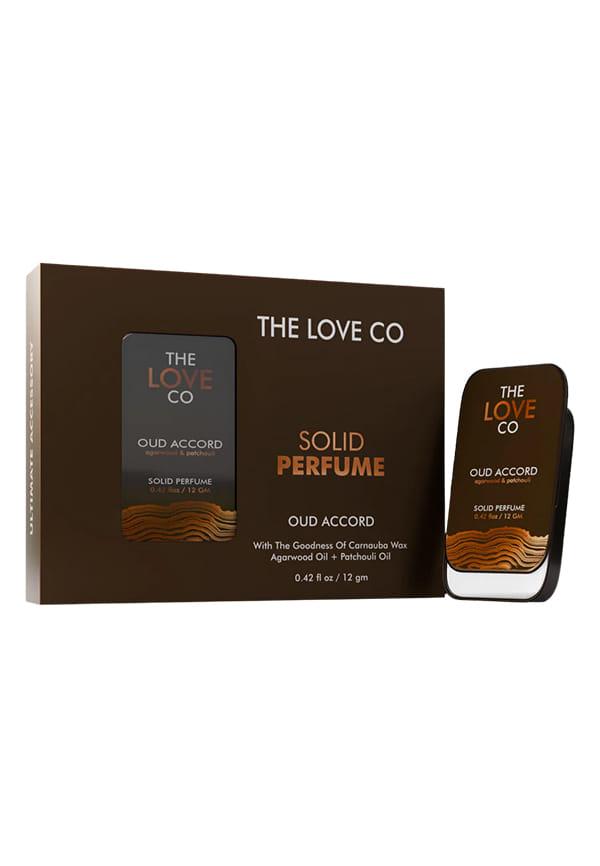
Oud Accord Solid Perfume
Each family has distinct characteristics that appeal to different moods, seasons, and occasions. Once you identify your preferred families, shopping for new fragrances becomes infinitely easier.
This family includes citrus (lemon, orange), green (grass, leaves), aquatic (sea breeze), and fruity (apple, pear) subfamilies. Perfect for daytime wear and warmer weather, these scents feel clean and uplifting.
From single flower showcases to complex bouquets, florals range from soft and powdery to rich and heady. Rose, jasmine, lily, and peony are common players in this universally loved family.
Rich, warm, and often sweet, orientals feature spices, resins, and vanilla. They're perfect for evening wear and cooler weather, creating an aura of mystery and sophistication.
Featuring sandalwood, cedar, and vetiver, woody fragrances feel grounded and elegant. They work beautifully for both men and women and transition seamlessly from day to night.
Now that you understand the theory, let's talk practical application. Reading designer perfume notes isn't just about knowing what's listed on the bottle – it's about training your nose to pick up these nuances in real time.
Professional perfumers and fragrance enthusiasts use specific techniques to properly evaluate scents. These methods help you move beyond surface-level impressions to truly understand a fragrance's character and quality.
Start with fragrance strips (those white paper strips at perfume counters). Spray once from about 6 inches away, wait 10 seconds, then smell. Note your first impression, then smell again every 15 minutes for the first hour. This shows you the complete evolution without skin chemistry interference.
Once you're interested in a fragrance, test it on your wrist or inner elbow. Apply one spray and resist the urge to rub – this breaks down the molecular structure. Check back at 30 minutes, 2 hours, and 6 hours to understand the full development.
Never buy a fragrance on the first test. Live with it for a full day, noting how it makes you feel and how others react. Sometimes a scent that seems perfect initially can become cloying or disappear too quickly.
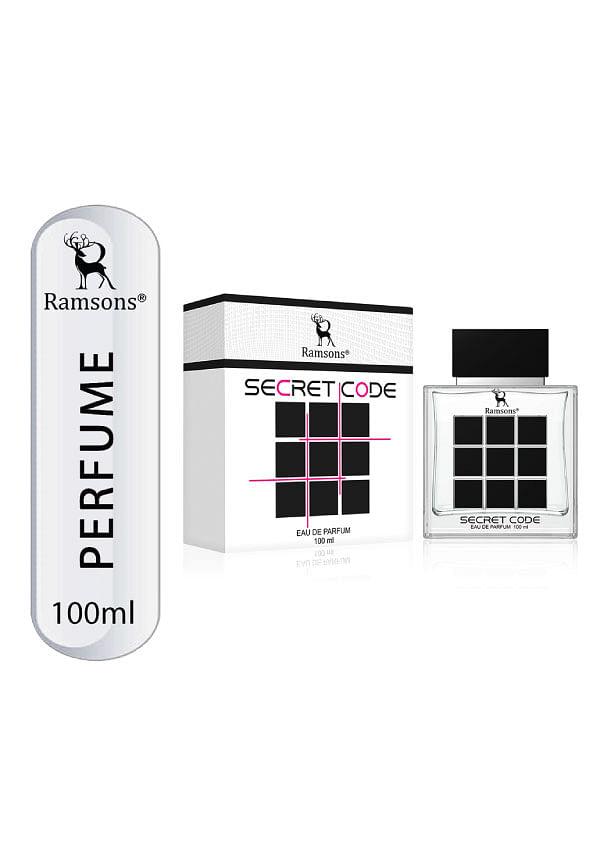
Secret Code - Eau De Parfum
Good & Pleasant Fragrance
 4
4“Good Fragrance and pleasant smell”
Temperature, humidity, and even what you've eaten can affect how you perceive fragrance accords. Test fragrances in different conditions to get a complete picture of their performance.
Your skin is unique, and it interacts with perfume ingredients in ways that can dramatically alter how a fragrance smells and performs. Understanding your skin chemistry is crucial for making smart fragrance choices that actually work with your natural scent profile.
Factors like pH levels, natural oils, and even your diet can influence how different types of perfume notes develop on your skin. This is why the same perfume can smell completely different on two people.
Oily skin holds fragrance longer and can intensify certain notes, particularly heavy florals and orientals. If you have oily skin, you might want to choose lighter concentrations or fresher families to avoid overwhelming projection.
Dry skin, on the other hand, tends to absorb fragrance quickly, making scents fade faster. Richer, more concentrated formulations and moisturising before application can help extend wear time.
Your fragrance should feel like an extension of your personality. Love minimalist fashion? Clean, linear scents with few notes might be your style. More of a maximalist? Complex, layered fragrances with multiple fragrance accords could be perfect.
Different settings call for different note profiles. Office environments typically favour lighter, less projecting scents, while evening events allow for richer, more dramatic compositions. Building a fragrance wardrobe means having options for every occasion.
Even fragrance enthusiasts make errors when evaluating scents. Understanding these common pitfalls helps you develop better testing habits and make more informed choices about your fragrance investments.
The biggest mistake? Rushing the process. Perfume composition is complex, and true appreciation requires patience and proper technique.
Your nose can only process so much before it stops registering scents accurately. This is why you stop smelling your own perfume after wearing it for a while. When testing multiple fragrances, take breaks and smell coffee beans to reset your palate.
Limit yourself to testing 3-4 fragrances maximum in one session. Any more and your nose becomes overwhelmed, making accurate assessment impossible.
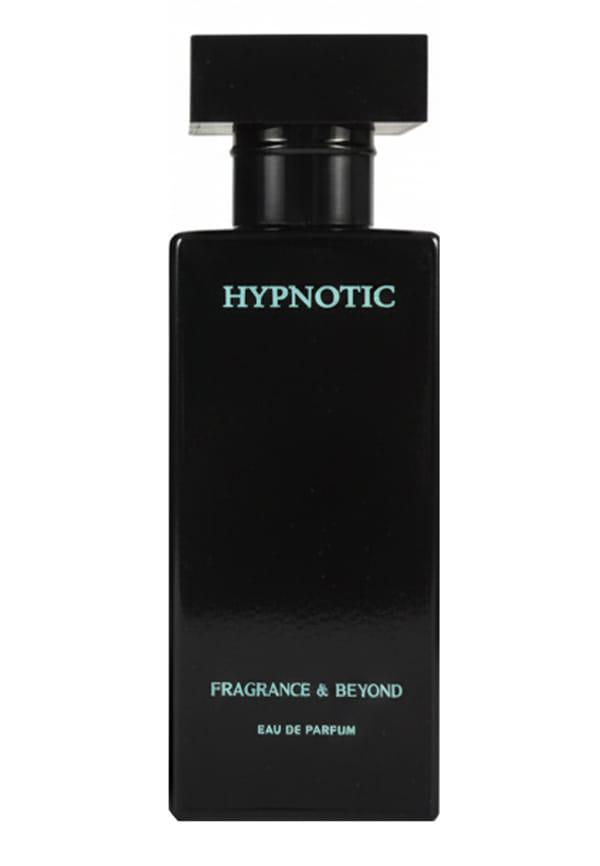
HYPNOTIC Eau de Parfum
Many people make decisions based solely on top notes, missing the true character that emerges in the drydown. The base notes are often what determine whether you'll love a fragrance long-term.
Testing fragrances while wearing strong scented products, after eating spicy food, or in heavily scented environments can skew your perception. Choose neutral settings for accurate evaluation.
The three main types are top notes (first impression, lasting 15-30 minutes), middle or heart notes (the main body, lasting 2-4 hours), and base notes (the foundation, lasting 6+ hours). Together, they create the complete fragrance experience as it develops on your skin.
Start by learning common note categories: citrus (bright, zesty), floral (romantic, soft), woody (warm, grounding), and oriental (rich, spicy). Practice smelling individual ingredients and use fragrance strips to track how scents evolve over time without skin chemistry interference.
Individual skin chemistry, including pH levels, natural oils, diet, and even hormones, affects how fragrance molecules interact with your skin. This is why testing on your own skin is crucial before purchasing any fragrance.
Test a fragrance for at least 6-8 hours to experience its full development, including the drydown phase. Many experts recommend the 24-hour rule – living with a scent for a full day before making a purchase decision.
Natural notes come from actual plants, flowers, or other organic sources, while synthetic notes are created in laboratories. Modern perfumery relies heavily on synthetics for consistency, sustainability, and to create scents impossible to achieve naturally.
Yes, but it requires understanding which notes complement each other. Start with scents from the same fragrance family or those sharing common base notes. Avoid mixing competing strong notes that might clash.
Mastering designer perfume notes transforms fragrance shopping from guesswork into an informed art. Remember that understanding perfume composition takes practice – your nose becomes more sophisticated with experience. Start by identifying your preferred fragrance families, then explore variations within those categories.
The key is patience and proper testing technique. Don't rush decisions, and always test on your skin before committing. Your perfect scent is out there, and with these skills, you'll find it without the trial-and-error frustration.
Speaking of trials, this is where platforms like Smytten become invaluable for fragrance lovers. As India's largest product discovery platform, Smytten offers curated trial packs from over 1,500 trusted brands, including premium fragrance options. Instead of buying full-size bottles and hoping for the best, you can explore different scent profiles through mini-sized products. With up to 8 minis for just ₹249 and 100% cashback redeemable for future purchases, you can experiment with various fragrance accords risk-free. After all, why settle for 'maybe' when you can try it all and find your signature scent with confidence?
