How to Create Fragrance Combinations: A Beginner's Guide

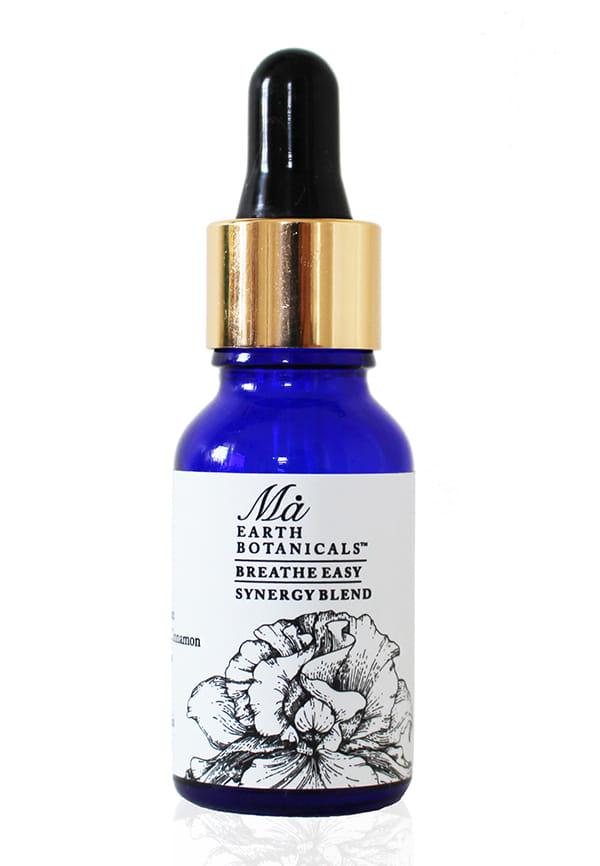
Breathe Easy Synergy Blend
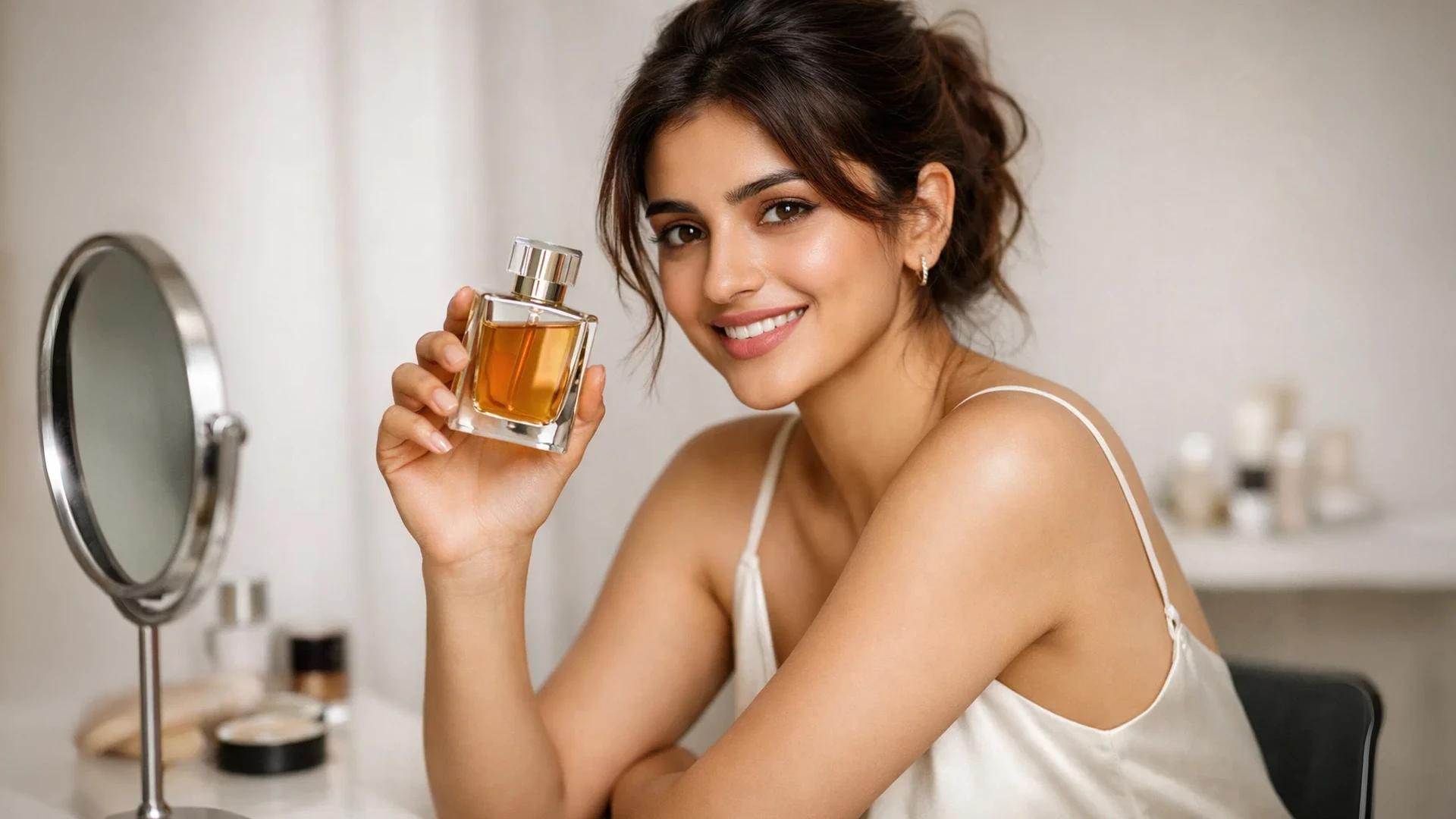
Ever caught yourself wondering why some people seem to have this magical signature scent that's uniquely theirs? The secret isn't just one perfect bottle—it's the art of creating fragrance combinations. Think of it like mixing your favourite playlist, but for your nose. Learning how to create fragrance combinations opens up a whole new world where you're not limited to what's in one bottle. You get to be the artist, blending different scents to craft something that's completely your vibe. Whether you're drawn to fresh florals, warm spices, or clean musks, mastering perfume blending means you'll never have to settle for just one scent again.
Before diving into mixing perfumes, you need to understand what makes each fragrance tick. Think of fragrance notes as the ingredients in your favourite recipe—each one plays a specific role in creating the final masterpiece. Getting familiar with these building blocks is your first step towards successful perfume creation.
Every fragrance tells a story in three acts. Top notes are your opening scene—bright, attention-grabbing scents like citrus or fresh herbs that hit you first but fade within 15-30 minutes. Middle notes (or heart notes) are the main plot—florals, spices, or fruits that develop after the top notes settle and stick around for 2-4 hours. Base notes are your satisfying ending—deep, rich scents like vanilla, musk, or sandalwood that anchor everything and can last 6-8 hours or more.
Here's where it gets interesting—notes don't just sit there independently. They chat with each other, creating what perfumers call perfume accords. A citrus top note might make a floral heart seem brighter, while a woody base can add sophistication to a sweet middle. This interaction is why the same fragrance can smell different on different people and why layering scents creates such unique results.
Professional perfumers often follow this golden ratio: 30% top notes, 50% middle notes, and 20% base notes. When you're experimenting with scent combinations, keep this balance in mind. If you're layering a citrus-heavy fragrance with a woody one, you're essentially creating a new blend that should still feel harmonious rather than chaotic.
Getting familiar with note families makes fragrance pairing so much easier. Citrus notes (lemon, bergamot) add freshness and energy. Floral notes (rose, jasmine) bring romance and femininity. Woody notes (cedar, sandalwood) offer warmth and grounding. Oriental notes (vanilla, amber) create richness and sensuality. Fresh notes (marine, green) provide clean, modern vibes.
Now that you know your notes, let's talk technique. Fragrance layering isn't just about spraying multiple perfumes and hoping for the best—there's actually a method to this beautiful madness. The key is understanding how different fragrances interact with your skin and each other.
Always start with your heaviest, most intense fragrance first, then layer lighter scents on top. Think of it like getting dressed—you put on your base layer before your accessories. If you're combining a rich, woody fragrance with a light floral, apply the woody scent first and let it settle for a few minutes before adding the floral on top.
Your pulse points are where the magic happens—wrists, behind ears, base of throat, and inside elbows. But here's the trick for layering scents: don't use the same pulse points for different fragrances. Apply your base scent to your wrists and throat, then add your layering fragrance to different spots like behind your ears or on your collarbones.
Patience is everything in perfume blending. Give each fragrance 2-3 minutes to settle into your skin before applying the next one. This prevents the scents from muddling together and allows each one to develop properly. Your skin's natural warmth needs time to activate each fragrance's unique chemistry.
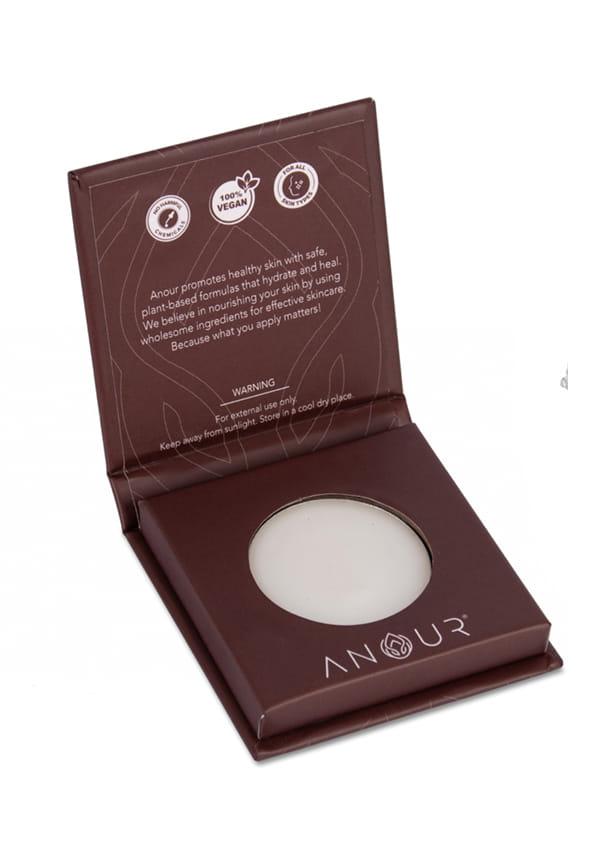
Cocktail Drop Alcohol Free Solid Perfume
Don't go overboard—two to three fragrances max for beginners. Avoid mixing fragrances with clashing personalities (like a heavy oud with a delicate white tea). Never layer fragrances from the same note family unless you want an overwhelming single-note experience. And please, test your combinations on a small area first!
Creating beautiful scent combinations is part science, part art, and a whole lot of experimentation. The goal isn't just to smell good—it's to create something that feels authentically you. Think of yourself as a scent curator, bringing together different elements that tell your unique story.
Complementary pairing is like mixing sweet and salty—you're combining opposite elements that enhance each other. Think fresh citrus with warm vanilla, or clean marine scents with spicy pepper. Similar pairing is more like creating a symphony in the same key—layering different florals together or combining various woody notes for depth and complexity.
Your layering game should shift with the seasons. Summer calls for lighter combinations—maybe a citrus base with a hint of fresh floral. Monsoon vibes work well with clean, aquatic blends. Winter is your time to experiment with richer combinations like spicy orientals layered with warm woods. Spring is perfect for fresh florals mixed with green, dewy notes.
Not all fragrances are created equal in terms of strength. When mixing perfumes, consider each one's intensity level. A light, airy scent might get completely overpowered by a bold, statement fragrance. Balance is key—if one fragrance is particularly strong, use it sparingly and let a gentler scent take up more real estate on your skin.
Your fragrance combination will evolve throughout the day, so don't judge it based on the first five minutes. Test your blend for at least 2-3 hours to see how the different notes develop and interact. Keep notes (literally) about what works and what doesn't. This becomes your personal fragrance guide for future experiments.
Ready for some tried-and-tested combinations that actually work? These pairings have been crowd-pleasers because they create beautiful harmony without being too experimental. Think of these as your training wheels before you start creating your own unique blends.
This is like the perfect date night outfit—romantic but grounded. Try pairing a soft rose or peony fragrance with a warm sandalwood or cedar scent. The floral brings femininity and lightness, while the woody base adds sophistication and longevity. This combination works beautifully for both day and evening wear.
Think of this as your energising morning coffee in scent form. Fresh bergamot or grapefruit paired with warm cinnamon or cardamom creates an invigorating yet comforting blend. This combination is perfect for those days when you want to feel both fresh and confident.

Long Lasting Mist Combo (Signature Style Set)
This is the ultimate versatile combination—clean marine or green notes layered with cosy vanilla or amber. It's like wearing your favourite white shirt with a cashmere jumper—effortlessly chic and appropriate for almost any occasion. This pairing works year-round and suits most personalities.
Gender-neutral scent combinations are having a major moment. Try pairing clean musk with fresh herbs, or combine woody cedar with bright citrus. These combinations are perfect for sharing with your partner or creating a signature scent that's uniquely modern and sophisticated.
Ready to put theory into practice? Here's your foolproof method for creating your first fragrance combination. Take it slow, trust your nose, and remember that the best combinations often come from happy accidents and bold experiments.
Start with clean, moisturised skin—fragrance adheres better to hydrated skin and lasts longer. Avoid scented lotions or soaps that might interfere with your experiment. Choose a neutral environment without competing scents like cooking smells or air fresheners. Your nose needs to focus on the task at hand.
Eau de parfum and parfum concentrations are more intense, so use them sparingly as your base layer. Eau de toilette and eau fraiche are lighter and work well as top layers. Apply heavier concentrations to pulse points that generate more heat (wrists, neck), and lighter ones to cooler areas (behind ears, collarbones).
Start by identifying your scent personality. Are you drawn to fresh and clean, warm and cosy, or bold and mysterious? Your signature combination should reflect your style and make you feel confident. Experiment with different ratios—sometimes a tiny hint of one fragrance can completely transform another.
Keep a fragrance journal noting what you mixed, in what order, and how it evolved throughout the day. Rate each combination and note what you'd change next time. This becomes your personal fragrance guide and helps you recreate successful blends. Don't be afraid to tweak and adjust—perfection comes through practice.
Once you've mastered the basics, it's time to level up your fragrance game. These advanced techniques will help you create truly unique scent combinations that nobody else will have. Think of this as your graduate course in perfume artistry.
This is where platforms like Smytten become your best friend. Instead of investing in full-size bottles for experimentation, trial packs let you explore different fragrance combinations without the commitment. With access to over 1,500 brands, you can try various scent profiles and discover unexpected pairings that work beautifully together.
Don't limit yourself to just perfumes—scented body lotions, oils, and even hair mists can add depth to your fragrance combinations. A vanilla-scented body lotion can serve as a subtle base for a floral perfume, creating layers of complexity that unfold throughout the day.

Long Lasting Mist Combo (Fresh & Floral Set)
Master the art of scent evolution by starting with a fresh, light combination for day and adding deeper, more sensual notes for evening. A citrus-floral blend can transform into something more mysterious with the addition of a woody or oriental fragrance applied later in the day.
Curate a collection of fragrances specifically for layering. Include a fresh citrus, a soft floral, a warm woody scent, and something with vanilla or musk. These core pieces can mix and match to create countless combinations, like having the perfect capsule wardrobe but for your nose.
The 3:1:1 rule suggests using three sprays of your main fragrance, one spray of a complementary scent, and one spray of an accent fragrance. This creates a balanced blend where your primary scent remains dominant while the others add interesting depth and complexity.
It's not recommended to mix perfumes directly in bottles as this can alter the chemical composition and potentially cause the fragrance to spoil. Instead, layer them on your skin where they can blend naturally with your body chemistry and develop properly over time.
Start with safe combinations like citrus + vanilla, floral + musk, or fresh + woody scents. These pairings are forgiving and create pleasant results even if the proportions aren't perfect. Avoid mixing strong, competing scents until you're more experienced.
Focus on woody, fresh, and spicy combinations. Try pairing a fresh aquatic scent with warm cedar, or combine citrus bergamot with spicy black pepper. These masculine combinations are sophisticated yet approachable and work well for both casual and formal occasions.
Layering involves applying different fragrances to your skin in sequence, allowing them to interact naturally. Blending typically refers to mixing fragrances before application or creating custom perfumes by combining different scent components in specific ratios.
Wait 2-3 minutes between applications to allow each fragrance to settle and begin developing on your skin. This prevents the scents from muddling together and ensures each one has space to express its unique character before the next layer is added.
Creating fragrance combinations is like learning a new language—one that speaks directly to emotions and memories. The beauty of perfume blending lies in its personal nature; what smells amazing on your friend might not work for you, and that's perfectly fine. Your skin chemistry, lifestyle, and personal preferences all play a role in creating your perfect scent signature.
Remember, there are no hard rules in fragrance layering—only guidelines to help you start your journey. Some of the most beautiful scent combinations come from unexpected pairings and happy accidents. Trust your nose, experiment boldly, and don't be afraid to break conventional wisdom if something smells incredible to you.
The key to mastering how to create fragrance combinations is practice and patience. Start with simple pairings, document what works, and gradually build your confidence to try more complex blends. With platforms like Smytten offering trial packs from over 1,500 brands, you can explore endless possibilities without committing to full-size purchases. After all, why settle for one signature scent when you can create an entire fragrance wardrobe that evolves with your mood, the season, and your personal style? Your perfect scent combination is out there waiting to be discovered—so go ahead and #TryItAll.
