How to Build Your Fragrance: Quick Tips for Signature Scents

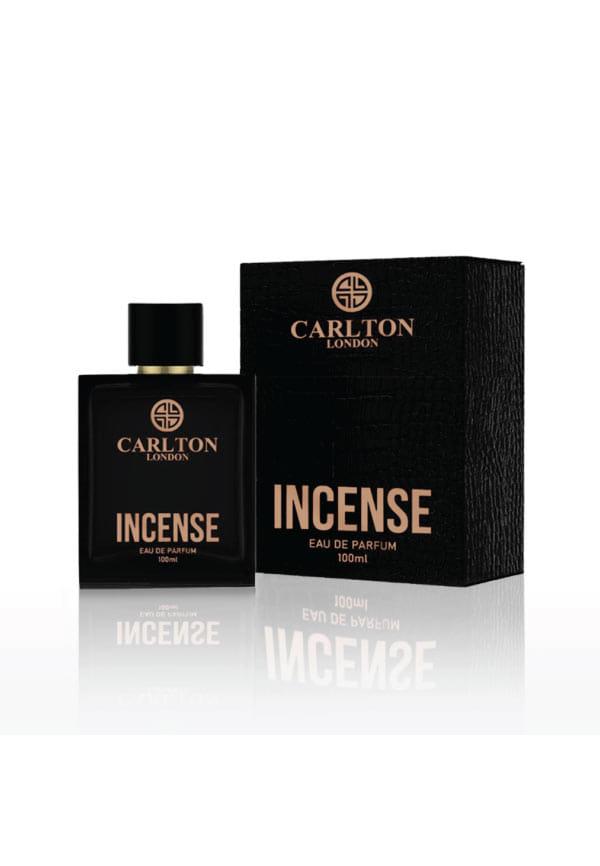
Limited Edition Incense Perfume
Loved the characteristic odour
 5
5“very characteristic odour loved it”
Good Smell, Not Lasting
5“smell is good but not lasting enough”
Lovely Boudoir Addition
5“a truly lovely addition to my ever-growing boudoir.”
TL;DR
Master the fragrance pyramid: top notes (first impression), middle notes (heart), and base notes (lasting foundation) for balanced scent creation
Start with essential oils, high-proof alcohol, and basic blending tools—follow the 3-2-1 ratio (3 parts base, 2 parts middle, 1 part top notes)
Practice scent layering techniques by building simple accords first, then gradually adding complexity with proper maturation time
Try natural perfume recipes like citrus-floral blends or warm evening scents using readily available essential oils
Test your creations properly using blotter papers and skin testing, allowing 2-6 weeks for full fragrance maturation
Let's be real, creating your own signature scent doesn't have to feel like rocket science. Whether you're drawn to the sweet gourmand notes of a hazelnut eclair or the fresh citrus burst of bergamot, building your fragrance is all about understanding what makes you feel confident and authentic. With the right quick tips to build your fragrance, you can craft something that's uniquely yours—no perfumery degree required. From mastering fragrance building basics to exploring DIY perfume making techniques, this guide will walk you through everything you need to know. Plus, with platforms like Smytten offering trial-sized versions of popular fragrances from brands like Bella Vita, Plum, and Ajmal, you can experiment with different scent profiles before committing to your perfect blend. Let's dive into the art of creating signature scents that tell your story.
Think of fragrance building like creating a playlist—you need the right mix of elements to tell a complete story. The fragrance building basics start with understanding the classic pyramid structure that's been the backbone of perfumery for centuries.
Your fragrance journey begins with three distinct layers, each playing a crucial role in how your scent unfolds throughout the day. Top notes are your opening act—think bright citrus like bergamot or lemon, or fresh herbs that create that immediate "wow" moment when you first spray. These typically last 15-30 minutes but set the entire mood.
Middle notes, also called heart notes, are where the magic really happens. This is your fragrance's main character—floral powerhouses like rose and jasmine, or spicy elements like cinnamon and black pepper. They emerge as the top notes fade and can last 2-4 hours, forming the core personality of your scent.
Base notes are your fragrance's foundation and staying power. Rich woods like sandalwood and cedar, warm musks, or sweet vanilla create depth and longevity. These notes can linger on your skin for 6-8 hours or even longer, making them essential for a signature scent that lasts.
Before you start mixing, get familiar with the main fragrance families. Citrus notes like grapefruit and orange bring energy and freshness—perfect for daytime wear. Floral elements such as tuberose, peony, and honeysuckle add romance and femininity. Woody notes including vetiver and cedarwood provide grounding and sophistication. Spicy accents like clove and cardamom introduce warmth and complexity.
Ready to get your hands dirty? DIY perfume making starts with gathering the right ingredients and tools. The good news is you don't need a fancy lab—just a few key items and some patience.
High-proof alcohol is your base—perfumer's alcohol is ideal, but vodka (at least 40% alcohol) works too. This carries your fragrance oils and helps them project from your skin. You'll also need essential oils versus fragrance oils—essential oils are natural extracts from plants, while fragrance oils are synthetic. Both have their place, but essential oils for fragrance creation offer that authentic, complex scent profile.
Carrier oils like jojoba or sweet almond oil help dilute your blend and make it gentler on skin. Finally, distilled water is crucial for creating lighter concentrations like eau de toilette.
Your home fragrance creation kit should include dark glass bottles (amber or cobalt blue) to protect your oils from light damage. Get droppers or pipettes for precise measuring—fragrance is all about ratios. Small measuring cups or beakers help with larger batches, and don't forget labels and a notebook to track your successful (and not-so-successful) experiments.
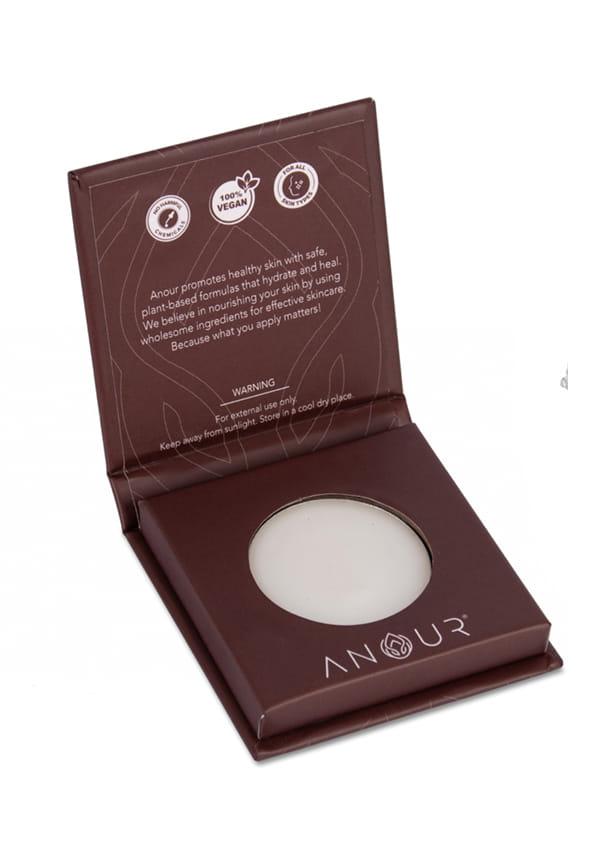
Cocktail Drop Alcohol Free Solid Perfume
Always patch test new blends on a small area of skin before wearing them fully. Some essential oils can cause sensitivity, especially citrus oils like bergamot and lemon in sunlight, which can cause photosensitivity reactions. Stick to proper dilution ratios: 15-20% for Eau de Parfum (EDP), 8-15% for Eau de Toilette (EDT), and 3-8% for Cologne.
Now for the fun part—scent layering techniques that transform simple oils into sophisticated fragrances. Think of this as your perfume blending guide to creating depth and interest.
This classic ratio is your safety net when starting out. Use 3 parts base notes (like sandalwood or musk), 2 parts middle notes (florals or spices), and 1 part top notes (citrus or herbs). This ensures your fragrance has proper structure and longevity without any single element overpowering the others.
Accord building involves creating harmonious mini-combinations within your fragrance. Try pairing rose with vanilla for a sweet floral accord, or bergamot with black pepper for a fresh spicy blend. Contrast techniques add complexity—think sweet against bitter, or fresh against warm. Seasonal layering means adjusting your ratios based on weather—more citrus for summer, more woods for winter.
Use blotter paper for initial testing—it gives you a clean read of your fragrance without skin chemistry interference. For skin testing, apply to your wrist and check how it develops over 6-8 hours. Document everything in your notebook—what worked, what didn't, and how you might adjust next time.
Creating signature scents is where your personality really shines through. This isn't about copying existing fragrances—it's about capturing your essence in a bottle.
Start by identifying which fragrance families speak to you. Are you drawn to fresh, energising scents or warm, cosy ones? Consider your lifestyle—do you need something office-appropriate or are you after a bold evening statement? Think about memories that make you happy—maybe your grandmother's rose garden or that amazing holiday by the sea.
Begin with single notes to understand how each oil behaves on your skin. Then build simple accords—try just two or three oils together. Once you're comfortable, gradually increase complexity by adding complementary notes. Remember to allow maturation time—your fragrance will smell different after a few weeks as the oils marry and develop.
Want instant gratification? Try this simple citrus-floral blend: 10 drops sweet orange, 5 drops lavender, 3 drops vanilla, and 2ml perfumer's alcohol. Shake gently and let it rest for 24 hours. It's fresh, approachable, and perfect for beginners who want to see immediate results.
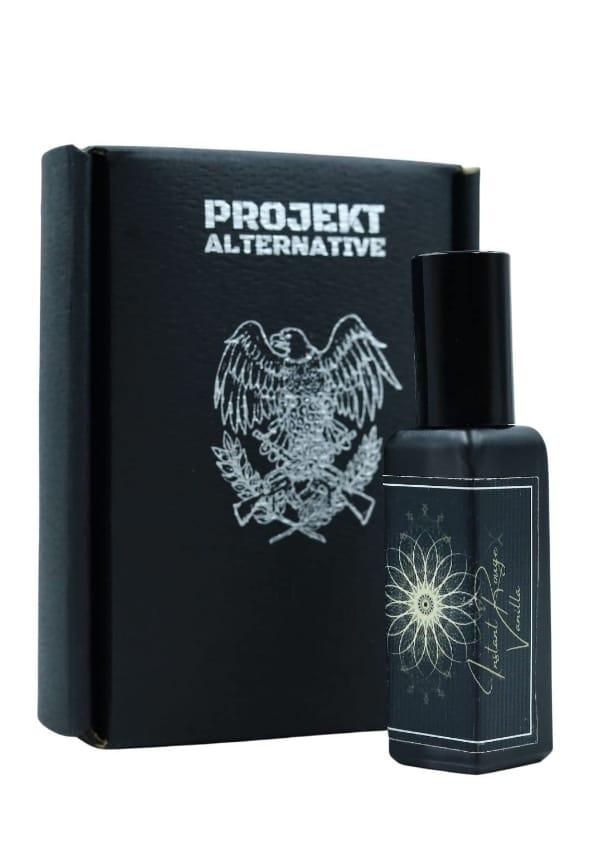
Instant Rouge Vanilla By Projekt Alternative Extrait De Parfum
These natural perfume recipes are designed to give you confidence and inspire your own creations. Each one follows solid aroma composition tips while being forgiving enough for newcomers.
This uplifting blend is perfect for morning wear or when you need an energy boost:
15 drops bergamot (top note)
10 drops sweet orange (top note)
5 drops lemon (top note)
3 drops rosemary (middle note)
3ml perfumer's alcohol
Mix all ingredients in a dark glass bottle, shake gently, and let mature for 2 weeks. This creates a zesty, herbaceous scent that's perfect for daytime wear and lasts about 4-6 hours.
For those who love classic feminine fragrances:
12 drops rose (middle note)
8 drops geranium (middle note)
6 drops ylang-ylang (middle note)
4 drops sandalwood (base note)
3ml perfumer's alcohol
This creates a sophisticated floral blend with woody depth. The sandalwood provides longevity while the florals create a romantic, garden-fresh impression.
Perfect for cooler weather or intimate occasions:
10 drops vanilla (base note)
8 drops cedarwood (base note)
6 drops patchouli (base note)
4 drops orange blossom (middle note)
3ml perfumer's alcohol
This creates a warm, enveloping scent that's perfect for evening wear. The vanilla adds sweetness while the woods provide sophistication and longevity.
Understanding maturation is crucial for creating professional-quality fragrances at home. This process transforms your initial blend into something truly special.
Maturation allows your fragrance oils to marry and develop complexity. During this time, harsh edges soften, and new nuances emerge. Store your blends in a cool, dark place—temperature fluctuations can affect the aging process. Most fragrances benefit from 2-6 weeks of maturation, though some complex blends improve even longer.
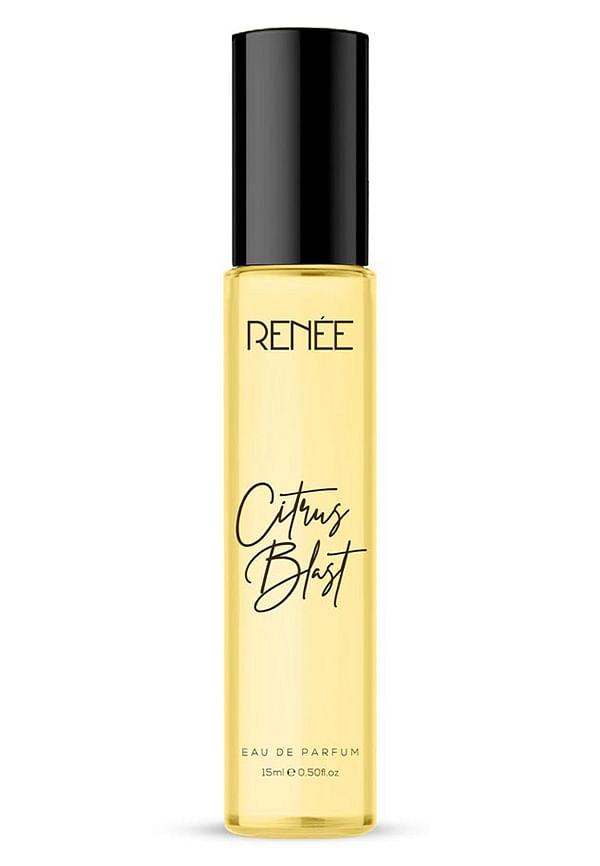
Citrus Blast Eau De Parfum
Unique Vanilla Citrus Fragrance
5“Vanilla fragnace with hint of citrus….very unique ”
Excellent Product
5“One of the best product of smytten worth the money and buying”
Loved & Affordable Perfume
5“Love this perfume and affordable”
Fixative ingredients like benzoin or ambergris (synthetic versions) help extend wear time. Balance projection versus longevity—sometimes a fragrance that projects well initially may not last, while subtle scents can surprise you with their staying power. Apply to pulse points where blood vessels are close to the skin—wrists, neck, and behind ears.
If your fragrance feels overpowering, dilute it with more alcohol or add balancing notes. Poor longevity usually means you need more base notes or fixatives. Unbalanced compositions often benefit from adjusting the 3-2-1 ratio or adding bridging notes that connect different fragrance families.
Brand | Best For Skin Type | Key Concern | Price Range | Key Ingredients |
|---|---|---|---|---|
Plum Bodylovin' Hazelnut Eclair | All skin types | Daily freshness, gourmand lovers | Mid-range | Hazelnut, Vanilla, Chocolate, Caramel |
The Love Co. Fall in Love | All skin types | Romantic day wear | Mid-range | Grapefruit, Peach, Jasmine, Rose |
Ossa Perfume Rose Velvet | All skin types | Long-lasting floral signature | Mid-range | Rose, Bergamot, Musk, Amber |
Ajmal Royal Series Attar | All skin types | Traditional concentrated fragrance | Premium | Oud, Rose, Amber, Musk |
Bella Vita Organic Be Iconic | All skin types | Variety and gifting | Mid-range | Mixed citrus, florals, woody notes |
Creating your first blend takes about 30 minutes, but developing a truly signature scent can take several weeks or months. The actual mixing is quick, but you'll want to test, adjust, and let your fragrance mature. Most beginners create something they love within their first few attempts, especially when following proven recipes and ratios.
Absolutely! You can create alcohol-free fragrances using carrier oils like jojoba or fractionated coconut oil as your base. These create more intimate, skin-close scents that work beautifully as personal fragrances. Roll-on formats work particularly well for oil-based perfumes, and they're often gentler on sensitive skin.
Essential oils are natural extracts from plants, offering complex, authentic scents but with some limitations in terms of colour and availability. Fragrance oils are synthetic creations that can replicate any scent imaginable, often with better longevity and consistency. Many professional perfumers use both—essential oils for natural complexity and fragrance oils for specific notes or enhanced performance.
A basic starter kit with essential oils, alcohol, and bottles costs around ₹2,000-₹4,000. This gives you enough supplies to create 10-15 small bottles of perfume. As you develop your skills and preferences, you can invest in higher-quality ingredients and more diverse oil collections. It's actually quite cost-effective compared to buying premium fragrances, especially when you're experimenting with different scent profiles available on Smytten.
This is completely normal and actually desirable! Fragrance maturation allows the different oils to blend and marry, creating new scent molecules and smoothing out any harsh edges. Your perfume should smell more balanced and complex after 2-6 weeks. If it smells off or unpleasant, it might be due to contamination or oils that don't blend well together.
Building your own fragrance is an incredibly rewarding creative process that lets you express your personality in a completely unique way. Start with understanding the basic fragrance pyramid structure and invest in quality essential oils and proper tools. Remember the 3-2-1 blending rule as your foundation, but don't be afraid to experiment once you're comfortable with the basics. This guide provides quick tips to build your fragrance, making perfume creation accessible.
Creating your perfect fragrance is a journey of discovery, much like exploring the curated selection available on Smytten. As India's largest product discovery and trial platform, Smytten connects you with over 1,500 trusted fragrance brands including Bella Vita, Plum, and Ajmal through convenient trial packs. Whether you're experimenting with DIY fragrance creation or exploring ready-made options, Smytten's authentic brand-verified minis let you try before you buy with 100% cashback on trials. With PAN-India delivery and up to 8 minis for just ₹249, you can discover your scent preferences without the commitment of full-size purchases. After all, why settle for 'maybe' when you can #TryItAll and find the fragrance that truly speaks to you?
