How Salty Air and Sun Change Your Perfume's Scent

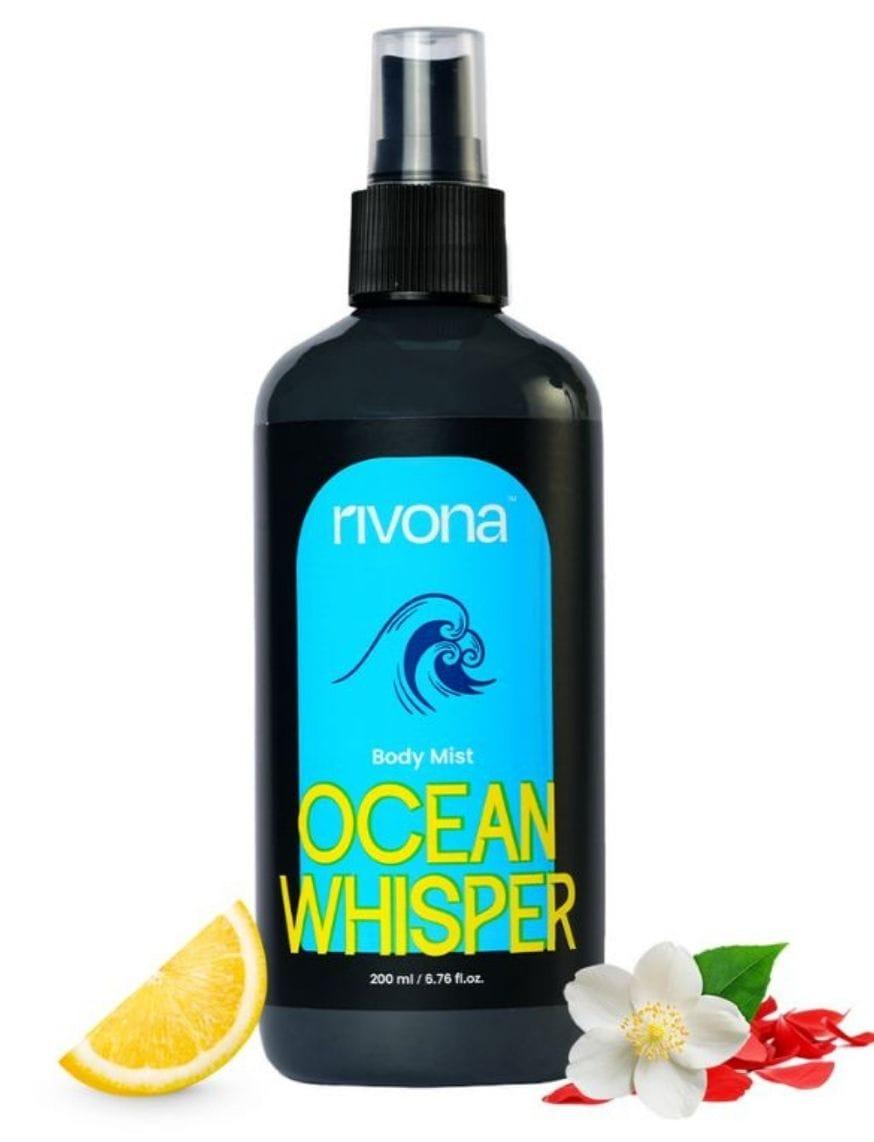
Ocean Whisper Body Mist Fragrance
Very Good Product
 5
5“very good product...............”
Ever wondered why your favourite perfume smells completely different during that beach holiday? You're not imagining things. The combination of salty sea air and sun creates a fascinating chemical reaction that transforms how perfume smells on skin. From accelerated evaporation to altered molecular structures, environmental factors play a massive role in your fragrance experience. Understanding these changes can help you choose the perfect scent for coastal adventures and make the most of your perfume collection. With Smytten's extensive range of fragrance trial packs, you can experiment with different scents to find what works best in various environments without committing to full-size bottles.
TL;DR
Salty air and sun accelerate perfume evaporation and alter molecular structures, changing how fragrances smell
Heat increases your skin's oil production and temperature, affecting perfume skin chemistry and scent projection
UV light causes fragrance oxidation, breaking down certain perfume compounds and creating new scent profiles
Light, fresh fragrances typically perform better in coastal environments than heavy, complex compositions
Proper application timing and storage can help maintain your perfume's integrity in challenging weather conditions
Weather isn't just about comfort—it's a major player in how your fragrance performs throughout the day. Temperature, humidity, and atmospheric conditions all contribute to significant changes in scent behaviour.
When temperatures rise, fragrance molecules become more active and volatile. This sun perfume interaction means your top notes—those initial citrusy or fresh bursts—evaporate much faster than they would in cooler conditions. Think of it like opening a bottle of fizzy drink in the heat versus the cold.
High humidity levels also affect how scent travels through the air. In muggy coastal conditions, fragrance molecules move differently, often creating a heavier, more concentrated scent bubble around you rather than the light, airy projection you might expect.
Salt particles in ocean air don't just affect your hair—they interact directly with perfume compounds. Sodium chloride can actually bind with certain fragrance molecules, creating entirely new scent combinations. This is why some people notice their perfume smells "sharper" or more "metallic" near the coast.
Ocean minerals also play a role in this transformation. Magnesium and calcium in sea spray can alter the pH balance on your skin, which directly impacts how fragrance and environment work together to create your personal scent signature.
Your skin is essentially a living, breathing canvas for fragrance, and environmental changes dramatically affect this canvas. Heat, humidity, and salt exposure all alter your skin's natural chemistry in ways that impact scent performance.
In hot, humid conditions, your skin produces more natural oils. This increased sebum production can either enhance or diminish certain fragrance notes, depending on the perfume's composition. Oily skin tends to hold onto base notes longer but can make fresh top notes disappear more quickly.
Salt residue from sea air also changes your skin's pH levels, making it slightly more alkaline. This shift can cause certain fragrance compounds to smell different—sometimes more intense, sometimes more muted. It's like changing the filter on a photograph; the same image looks completely different.
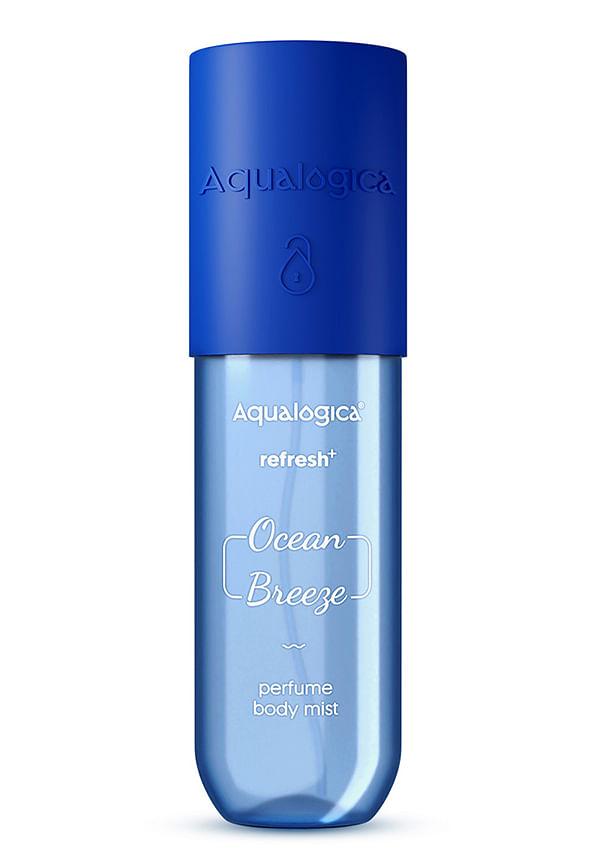
Refresh+ Perfume Body Mist Ocean Breeze
Good Perfume for Everyone
4“good perfume suits everyone well”
Manly Aqua Scent
4“bit manly but of course it's aqua”
Good smell, short-lasting
5“smells good. but does not last long”
Higher body temperature in sunny conditions acts like a natural diffuser, amplifying your perfume's projection. However, this doesn't always mean better performance. Some delicate floral notes can become overwhelming when heated, while others might lose their subtlety entirely.
Perfume longevity skin performance also changes because heat accelerates the natural fragrance development process. What normally takes hours to unfold might happen in minutes, causing you to experience all the fragrance phases in rapid succession.
Oxidation is the silent game-changer in fragrance performance. When your perfume meets UV rays and salty air, chemical reactions begin that can completely transform your scent experience.
Direct sunlight breaks down perfume molecules through a process called photodegradation. UV rays essentially "cook" certain fragrance compounds, particularly delicate florals and some synthetic materials. This is why that expensive perfume might smell flat or different after a day at the beach.
Citrus notes are especially vulnerable to sun damage. The natural oils in bergamot, lemon, and orange can oxidise rapidly when exposed to UV light, sometimes creating entirely new scent profiles that weren't intended by the perfumer.
Salt acts as both a preservative and an accelerant in fragrance chemistry. While it can help certain base notes last longer, it also speeds up the breakdown of others. This dual action explains why some people find their perfume summer scent experience more intense but shorter-lived near the ocean.
The crystalline structure of salt can also trap fragrance molecules, releasing them slowly throughout the day. This creates a unique "time-release" effect that you won't experience in other environments.
Not all fragrances are created equal when it comes to beach and ocean environments. Understanding which scent families work best can save you from fragrance disappointment during your coastal adventures.
Aquatic and marine-inspired fragrances are obvious winners for coastal settings. These scents are literally designed to complement salty air fragrance environments. Look for compositions featuring sea salt, driftwood, or ocean breeze accords.
Fresh, light compositions with citrus or green notes also perform well in humid conditions. They're less likely to become overwhelming when amplified by heat and humidity. Avoid heavy orientals or dense gourmands, which can become cloying in warm, salty air.
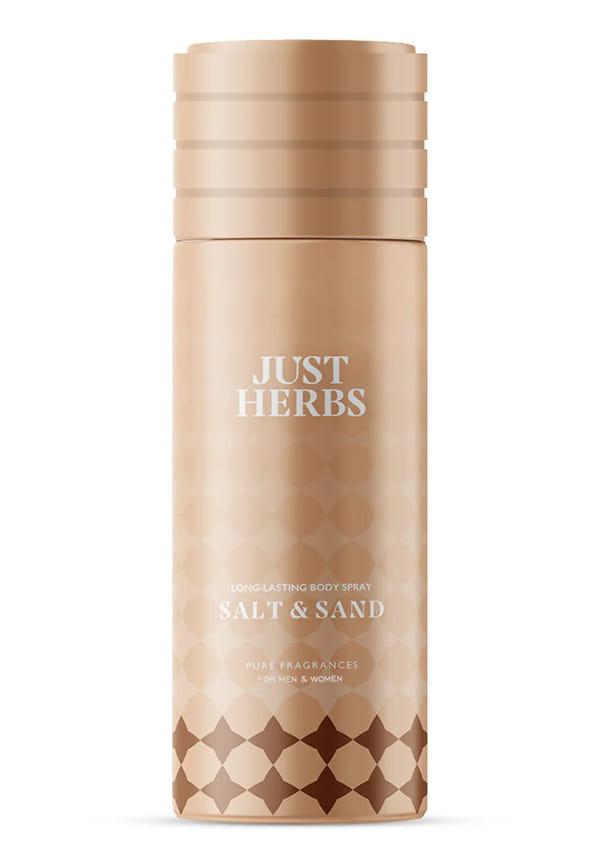
Long Lasting Body Spray Salt & Sand Deodorant Spray
Nice Fragrance
4“the fragrance is nice.........”
Pleasant Smell
5“smell is good ,thanks just herb.”
Loved Just Herbs Product
4“loved it. bought it for the first time. just herbs doesn't disappoint e”
Timing is everything when applying fragrance for coastal environments. Apply your perfume to slightly damp skin after showering but before applying sunscreen. This helps create a barrier that can extend longevity.
Focus on pulse points that won't be directly exposed to sun and salt spray. The nape of your neck, inside of wrists (if covered), and behind your ears are ideal spots that will still project scent without maximum environmental exposure.
Let's get specific about what actually happens to popular fragrance families when they meet sun and salt. These transformations are predictable once you understand the science behind them.
Citrus fragrances often become more vibrant initially in salt air, as the minerals can enhance their zesty qualities. However, this brightness is usually short-lived due to rapid evaporation in heat.
Floral fragrances, particularly those with delicate white flowers like jasmine or lily, may smell "flat" or muted in high humidity. The moisture in the air can dampen their natural projection, making them seem weaker than usual.
Woody and amber base notes often become more prominent in heat, sometimes overwhelming the intended fragrance balance. This is why that perfectly balanced scent at home might smell too heavy at the beach.
Everyone's skin chemistry reacts differently to environmental changes. Some people find their fragrances last longer in humid conditions, while others experience rapid fade. This variation depends on your natural skin pH, oil production, and even your diet.
Hormonal changes, which can be triggered by heat and stress, also affect how fragrance develops on your skin. This is why the same perfume might smell completely different on a relaxing beach day versus a stressful travel day.
Smart fragrance management in challenging environments can help you maintain your scent's integrity and enjoy better performance throughout the day.
Never leave your perfume in direct sunlight or hot cars. The heat can permanently alter the fragrance composition, creating off-notes that won't disappear even when the bottle cools down.
Consider decanting small amounts into travel atomisers for beach trips. This protects your main bottle while allowing for easy reapplication throughout the day.
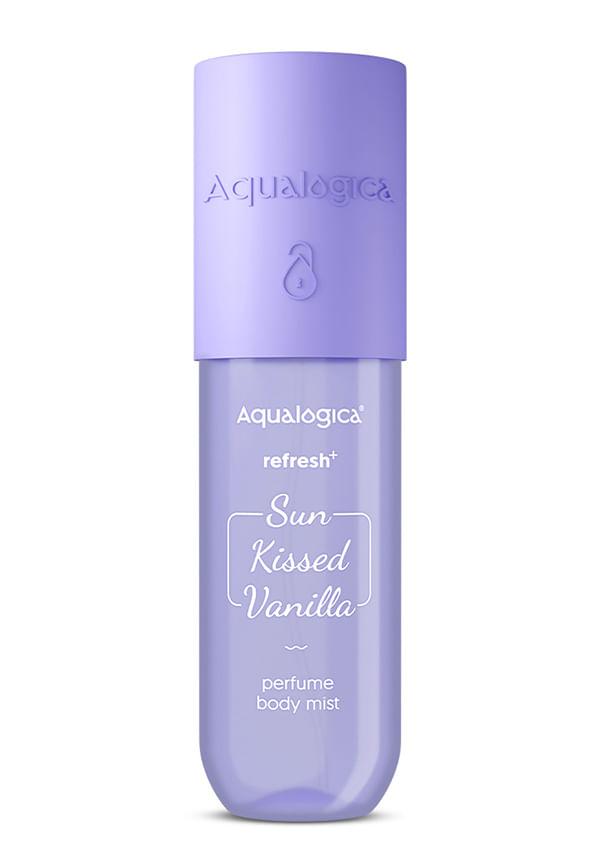
Refresh+ Sun Kissed Vanilla Perfume Body Mist
Lovely Vanilla Floral Mist
5“Must buyyyy mistttttttt Love itttttt!!! its fragrance is vanilla, floral, nice smell”
Lovely Vanilla Floral Mist
5“Must buyyyy mistttttttt Love itttttt!!! its fragrance is vanilla, floral, nice smell”
Lovely Vanilla Floral Mist
5“Must buyyyy mistttttttt Love itttttt!!! its fragrance is vanilla, floral, nice smell”
Having dedicated "beach fragrances" separate from your everyday collection makes sense. Look for scents specifically designed for warm weather, or choose lighter concentrations like eau de toilette over eau de parfum for coastal environments.
Unscented or lightly scented body products help maintain fragrance integrity. Heavily scented sunscreens or lotions can clash with your chosen perfume, creating unpleasant combinations.
Yes, UV light breaks down fragrance molecules through photodegradation, particularly affecting citrus and floral notes. This can permanently alter your perfume's scent profile and reduce its longevity.
Salt particles in ocean air interact with fragrance compounds, while heat and humidity accelerate evaporation and change how scent molecules behave. Your skin's chemistry also changes in coastal environments.
Salt can both preserve certain base notes and accelerate the breakdown of others. It often creates a time-release effect but may reduce overall fragrance longevity due to increased molecular activity.
Absolutely! Smytten offers trial packs of various fragrances, allowing you to test how different scents perform in your specific environment before committing to full-size bottles.
Aquatic, marine, and fresh citrus fragrances typically perform best. Light, airy compositions handle heat and humidity better than heavy, complex orientals or gourmands.
Understanding how salty sea air and sun affect how perfume smells on skin empowers you to make better fragrance choices for different environments. Heat accelerates molecular activity, salt creates chemical interactions, and UV light causes oxidation—all factors that dramatically change your scent experience. Choose lighter, fresher compositions for coastal settings, apply strategically to protected pulse points, and consider having dedicated warm-weather fragrances in your collection. Remember that these environmental changes are temporary; your perfume will return to its normal behaviour once you're back in controlled conditions.
Fragrance discovery becomes even more exciting when you understand how different environments affect scent performance. Rather than being disappointed when your favourite perfume smells different at the beach, you can embrace these transformations as part of the fragrance journey. Smytten's trial packs let you explore how various scents perform in different settings without the commitment of full-size purchases. With over 1,500 trusted fragrance brands available on Smytten, you can build the perfect collection for every environment. The platform's 100% cashback on trials makes it easy to experiment with coastal-friendly fragrances, and when you find your perfect beach scent, the full-size version is just a click away. After all, why settle for one fragrance when you can try it all and discover what works best for every adventure?
