How Perfumers Capture the Smell of Rain in Petrichor Fragrance


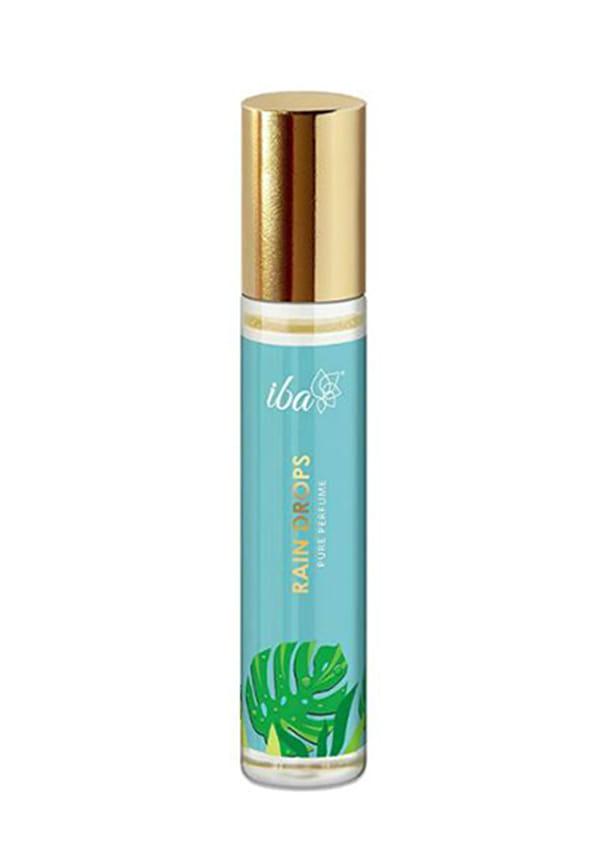
Pure Perfume - Rain Drops
Ever caught yourself taking a deep breath after the first drops of rain hit dry earth? That distinctive, almost magical scent has a name—petrichor—and it's become one of the most sought-after notes in modern perfumery. The smell of rain isn't just nostalgia; it's a complex symphony of natural compounds that perfumers spend years trying to recreate. From ancient Indian attar-making traditions to cutting-edge molecular techniques, creating authentic petrichor fragrance is both an art and a science. Whether you're curious about the chemistry behind that earthy aroma or wondering how your favourite rain scent perfume comes to life, the process is more fascinating than you might think. Trial on Smytten and you'll discover just how many brands have mastered this atmospheric magic.
TL;DR
Petrichor fragrance recreates rain's scent using geosmin (soil bacteria compound), ozone molecules, and earthy botanicals like vetiver
Traditional Indian attar-making involves distilling clay soil with sandalwood oil, whilst modern perfumery uses synthetic geosmin and ozonic accords
Creating rain scent requires careful balance—geosmin is potent at parts per billion levels and can easily overwhelm a composition
Popular styles include forest rain (mossy, green), urban rain (concrete, metallic), and countryside petrichor (herbs, grass)
The biggest challenge is making earthy scents wearable whilst maintaining authenticity and longevity
Real talk—the smell of rain isn't actually water. It's a cocktail of three main compounds that create that distinctive earthy fragrance we all love. Geosmin takes centre stage here. This organic compound, produced by soil bacteria called actinomycetes, is what gives wet earth its characteristic musty-sweet aroma. Humans can detect geosmin at incredibly low concentrations—we're talking parts per billion. That's why even the faintest whiff of wet soil can transport you instantly.
Ozone adds that crisp, clean note you smell just before a storm hits. When lightning splits oxygen molecules in the air, it creates this sharp, almost metallic scent that signals rain's arrival. Then there are plant terpenes—aromatic oils released from vegetation when raindrops hit leaves and flowers. These compounds vary by region, which is why rain in a pine forest smells different from rain in a meadow.
The challenge for perfumers? Nature's petrichor is incredibly complex and changes constantly. Temperature, humidity, soil type, and local flora all influence the final scent profile. Recreating this atmospheric fragrance means understanding not just individual components, but how they interact and evolve over time.
Creating authentic petrichor fragrance starts with sourcing the right materials. Modern perfumers have developed a toolkit of both natural and synthetic ingredients that capture different aspects of rain's complexity. The key is layering these components to build a convincing rain accord without overwhelming the wearer.
Synthetic geosmin is the backbone of most rain scent perfumes. Since natural geosmin is incredibly potent and can smell more like beetroot than earth at higher concentrations, perfumers use carefully calibrated synthetic versions. Ozonic molecules like Calone or Floralozone recreate that pre-storm atmosphere—that electric, charged feeling in the air. Vetiver root provides the earthy, grounding base that mimics damp soil. Its smoky, woody character adds depth and authenticity to the wet soil scent.
Moss extracts, particularly oakmoss and tree moss, bring that damp, forest-floor quality that makes petrichor fragrance feel lived-in. Bergamot and geranium add fresh, green aspects that simulate rain-washed leaves. Mineral accords—often created using ambergris or synthetic alternatives—capture the scent of wet stone and pavement after a downpour. Some perfumers even use seaweed extracts for that briny, oceanic quality you get during coastal storms.
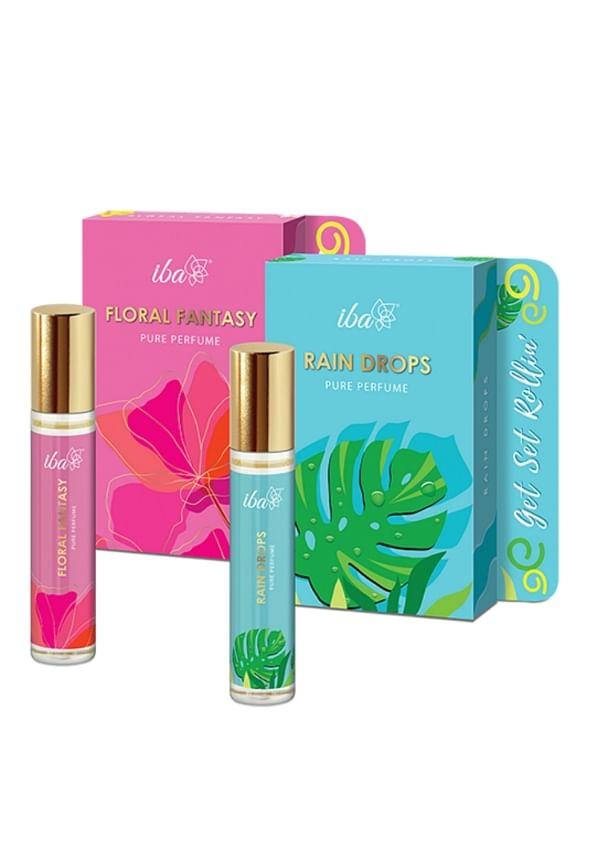
Rain Drops - Floral Fantasy Pure Perfume Combo
Long before molecular perfumery existed, Indian artisans were creating some of the world's most authentic earthy fragrances through traditional attar-making. This 500-year-old technique involves a fascinating process that modern perfumers still study and adapt. The method centres around distilling actual clay soil—specifically the red earth found in certain regions of India—with sandalwood oil as the base.
The process starts with clay soil preparation. Artisans select specific types of earth, often from areas known for their distinctive scent after rain. This soil is then heated in copper vessels over wood fires, allowing the natural geosmin and other compounds to release slowly. The vapours are captured and condensed into sandalwood oil, which acts as both carrier and complementary base note.
What makes this traditional approach special is the slow, gentle heating that preserves delicate aromatic compounds. Unlike modern steam distillation, this method takes days or even weeks, allowing complex chemical reactions to occur naturally. The result is a rain scent that feels more authentic and nuanced than many synthetic alternatives. Modern perfumers often incorporate elements of this technique, using controlled heating and natural carriers to create more convincing atmospheric fragrances.
Today's perfumers have access to sophisticated tools and techniques that allow for precise control over every aspect of creating rain fragrance. Molecular perfumery has revolutionised how we approach complex natural scents like petrichor, offering both challenges and opportunities for innovation.
Isolating and synthesising geosmin allows perfumers to work with this crucial compound without the unpredictability of natural sources. Labs can now produce geosmin that's identical to what soil bacteria create, but at consistent quality and concentration. Creating ozonic accords involves blending multiple synthetic molecules to recreate that pre-storm atmosphere—each molecule contributes a different facet of the overall ozone effect.
Building the rain accord step-by-step is where artistry meets science. Perfumers start with a base of earthy notes, add the geosmin component in tiny amounts, then layer ozonic molecules for freshness. The trick is timing and concentration ratios—too much geosmin and you get beetroot, too little and the earthiness disappears. Most successful formulations use geosmin at concentrations between 0.001% and 0.01%.
Testing and refinement involves multiple iterations, often testing how the fragrance performs in different climates and on different skin types. What smells like perfect petrichor in a cool, humid environment might feel overwhelming in hot, dry conditions.
Creating convincing rain scent perfume isn't just about getting the smell right—it's about making it wearable, long-lasting, and appealing to a broad audience. The biggest hurdle is geosmin's overwhelming potency. This compound is so powerful that humans can detect it at concentrations as low as 5 parts per billion. In perfumery terms, that means a single drop can ruin an entire batch if not handled carefully.
Achieving longevity without losing authenticity presents another major challenge. Natural petrichor is fleeting—it appears with the first drops of rain and fades as the earth dries. But fragrance wearers expect their scent to last hours, not minutes. Perfumers must find ways to extend the life of these delicate earthy notes without making them feel synthetic or cloying.
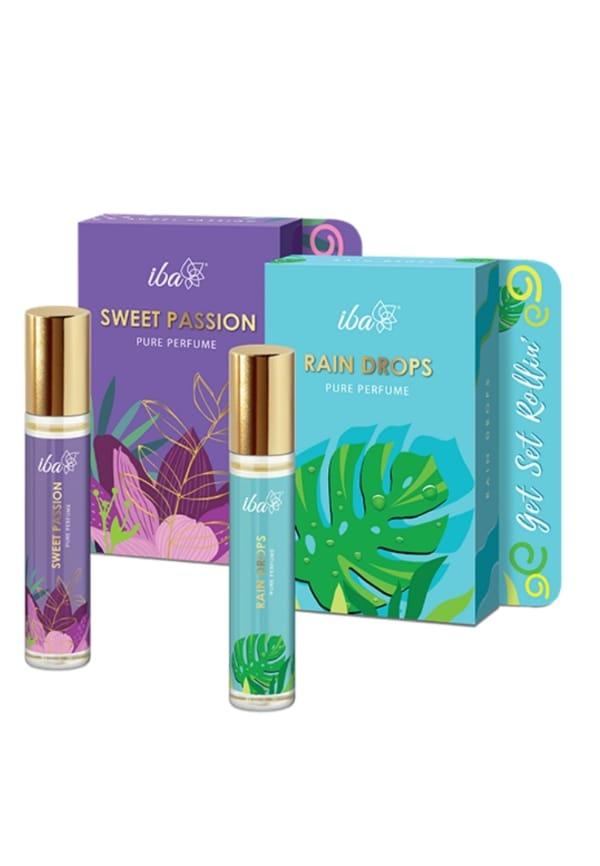
Rain Drops - Sweet Passion Pure Perfume Combo
Balancing earthiness with wearability requires careful consideration of the target audience. What reads as beautifully atmospheric to one person might smell like dirt to another. Cultural differences also play a role—some markets embrace bold, earthy scents whilst others prefer lighter, more refined interpretations of rain fragrance.
Seasonal and climate variations affect how petrichor fragrance is perceived. A scent that feels perfect during monsoon season might seem out of place in winter. Cost considerations also impact formulation choices, as high-quality natural ingredients and sophisticated synthetic molecules can be expensive.
The world of petrichor fragrance has evolved into distinct categories, each capturing different aspects of rain's many moods. Understanding these styles helps both perfumers and fragrance enthusiasts navigate the diverse landscape of atmospheric scents available today.
Green, woody compositions dominate this category, focusing on the scent of rain falling through dense canopies. These fragrances typically feature moss and fern accords alongside pine, cedar, or fir notes. The result feels like walking through a damp forest after a storm—earthy, green, and deeply grounding.
Concrete and asphalt notes define this modern interpretation of petrichor. These fragrances capture the unique smell of rain hitting city streets—a blend of wet pavement, metal, and urban vegetation. Metallic and mineral elements feature prominently, often combined with subtle floral notes from rain-washed parks and gardens.
Farmland and meadow inspirations create some of the most nostalgic rain scent perfumes. These compositions focus on herb and grass combinations—think wet hay, rain-soaked herbs, and the rich earth of agricultural land. They often include subtle fruit notes from orchards and vegetable gardens after a summer shower.
Perfumers combine synthetic geosmin (the compound that creates earth's distinctive scent), ozonic molecules for that pre-storm atmosphere, and natural ingredients like vetiver and moss. The process involves careful layering and precise concentration control, as geosmin is detectable at parts per billion levels. Traditional methods involve distilling actual clay soil, whilst modern techniques use molecular perfumery to recreate nature's complexity.
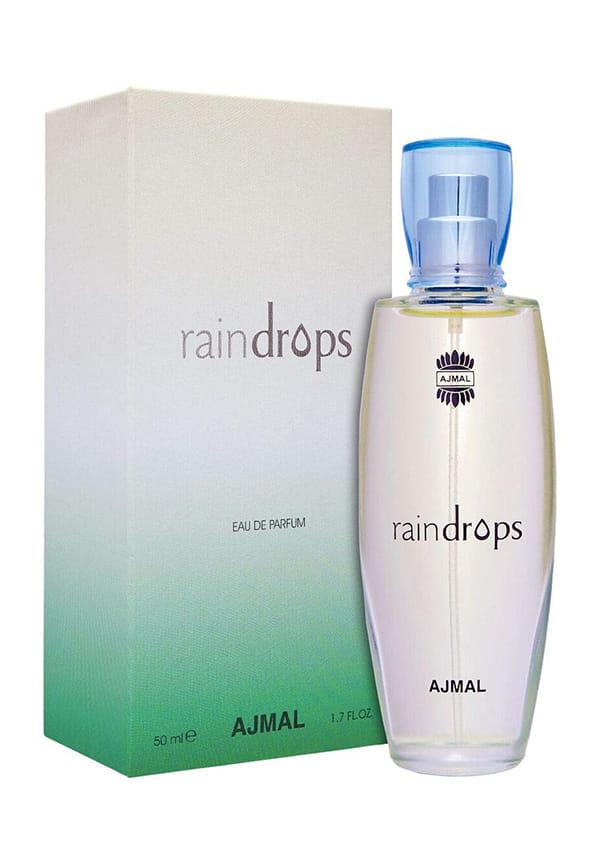
Raindrops Edp
Whilst you can create simple earthy blends using essential oils like vetiver, patchouli, and bergamot, authentic petrichor fragrance requires synthetic geosmin and ozonic compounds that aren't available to home perfumers. DIY versions can capture some earthiness but won't achieve the true rain scent without professional-grade materials. Always research safety guidelines when working with fragrance oils.
Petrichor triggers powerful emotional responses because humans are evolutionarily programmed to associate rain's scent with life and renewal. The combination of geosmin, ozone, and plant terpenes creates a complex aroma that feels both familiar and mysterious. This makes rain scent perfume particularly effective at evoking memories and emotions.
Natural petrichor is fleeting, but well-formulated rain scent perfumes can last 6-8 hours. Longevity depends on the base notes used—fragrances with woody or musky foundations typically last longer than those focusing purely on fresh, green notes. Available on Smytten, you can trial different petrichor fragrances to find ones with the staying power that works for your lifestyle.
Yes, perfumers create distinct categories including forest rain (mossy, woody), urban rain (concrete, metallic), and countryside petrichor (herbs, grass). Each style captures different aspects of how rain smells in various environments. Some focus on the pre-storm atmosphere, others on the aftermath, and some recreate specific regional variations of petrichor.
Creating authentic petrichor fragrance is a delicate balance of science, artistry, and cultural understanding. The key lies in understanding that rain's scent isn't just one thing—it's a complex interaction of geosmin, ozone, and plant compounds that varies by environment and season. Whether using traditional clay distillation methods or cutting-edge molecular techniques, successful rain scent perfumes capture not just the smell, but the emotional impact of petrichor.
For perfumers, the biggest challenges remain making these earthy scents wearable and long-lasting whilst preserving their atmospheric authenticity. The future of petrichor fragrance lies in combining the best of traditional techniques with modern precision, creating scents that transport wearers to that perfect moment when rain first hits dry earth.
The art of capturing rain's essence in a bottle represents everything fascinating about modern perfumery—the marriage of ancient wisdom with cutting-edge science, the challenge of making nature wearable, and the power of scent to transport us instantly to another time and place. Whether you're drawn to forest rain's mossy depths or urban petrichor's concrete poetry, there's a rain scent waiting to become your signature.
Smytten makes discovering your perfect petrichor fragrance easier than ever. As India's largest product discovery platform, you can trial authentic brand-verified minis from over 1,500 trusted fragrance brands before committing to full-size purchases. With 100% cashback on trials and PAN-India delivery, exploring different rain scent perfumes becomes an adventure rather than a gamble. After all, why settle for wondering when you can try before you buy and find the atmospheric fragrance that truly speaks to you?
