How Citrus Top Notes Shape a Fragrance's Opening Impression

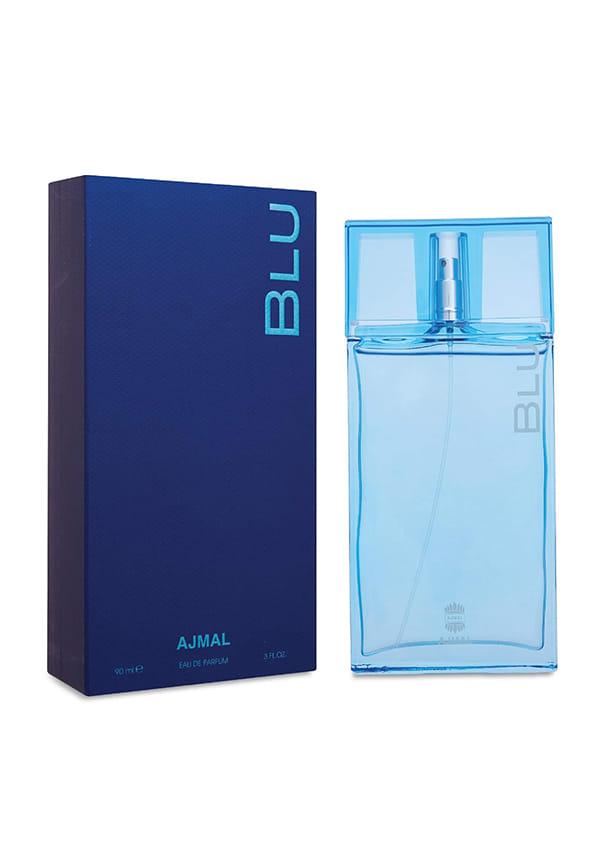
Blu Edp Citrus Perfume
That first spritz of perfume is everything. It's your opening line, your first impression, your signature hello to the world. And when it comes to making that moment count, citrus top notes are absolute game-changers. These bright, zesty accords don't just smell amazing—they literally shape how people perceive your entire fragrance from the very first sniff. Whether it's the sophisticated sparkle of bergamot or the energising burst of fresh lemon, citrus fragrance notes create that instant wow factor that makes people lean in closer. Understanding how these olfactory top notes work their magic can completely transform how you choose and wear your favourite scents. Plus, with platforms like Smytten offering trial packs of premium fragrances, you can explore different citrus-forward perfumes without the commitment, discovering exactly which citrus scent profiles make your heart skip a beat.
TL;DR
Citrus top notes create the crucial first 5-15 minutes of fragrance impression through their volatile, fast-evaporating molecules
Different citrus notes (bergamot, lemon, orange, grapefruit) each bring unique psychological effects and mood-boosting properties
The way citrus accords are blended determines whether a fragrance feels fresh and energising or sophisticated and complex
Citrus opening notes set expectations for the entire scent journey and influence how the heart and base notes are perceived
Modern perfumery uses innovative citrus extraction techniques and synthetic alternatives to create longer-lasting citrus impressions
Think of fragrance opening notes as the trailer to your favourite film—they give you a taste of what's coming and set the entire mood. In the classic fragrance pyramid structure, top notes make up about 30% of the composition, but their impact is absolutely massive. These volatile molecules are designed to hit your nose first and hardest, creating that immediate scent impression that either draws people in or sends them running.
Citrus molecules are particularly brilliant at this job because they're naturally volatile. This means they evaporate quickly, releasing their bright, zesty goodness within the first few minutes of application. It's like nature designed them to be the perfect opening act—they grab attention, create excitement, and then gracefully step aside to let the deeper, more complex notes take centre stage.
The science behind this is actually quite fascinating. Citrus compounds like limonene (found in lemon and orange) and linalool (in bergamot) have lower molecular weights, making them lighter and more likely to float up to your nose immediately. This quick evaporation is why that gorgeous citrus burst you smell when you first spray a perfume tends to fade within 15 minutes, making way for the heart notes to emerge.
Real talk—citrus doesn't just smell good, it actually makes you feel good. There's proper science behind why a spritz of citrus-heavy fragrance can instantly lift your mood and make you feel more energised. Studies have shown that citrus scents can reduce stress hormones, boost alertness, and even improve cognitive performance. It's like aromatherapy disguised as luxury perfume.
The psychological impact of top notes in perfume goes way beyond just smelling nice. When someone catches a whiff of fresh bergamot or zesty lemon, their brain immediately associates it with cleanliness, vitality, and positivity. It's why so many successful fragrances use citrus as their opening gambit—it creates an instant positive impression that makes people want to know more about the person wearing it.
Culturally, we've been conditioned to associate citrus with freshness and energy. Think about it—from morning orange juice to lemon-scented cleaning products, citrus equals 'fresh start' in our collective consciousness. When you wear a fragrance with strong citrus opening notes, you're tapping into these deep-seated positive associations.
Bergamot: The Sophisticated Citrus
Bergamot is the Earl Grey of the citrus world—refined, complex, and slightly mysterious. Unlike other citrus notes, bergamot has this gorgeous bitter-sweet quality that feels both fresh and sophisticated. It's the kind of citrus that whispers rather than shouts, making it perfect for fragrances that want to feel elegant rather than energetic.
Lemon: The Classic Energiser
Lemon is the espresso shot of citrus fragrance notes. Sharp, zesty, and immediately recognisable, it creates that instant wake-up call that makes people pay attention. It's brilliant for daytime fragrances because it feels so clean and energising—like sunshine in a bottle.
Orange: The Sweet Optimist
Orange brings warmth to the citrus family. It's sweet, approachable, and has this lovely comforting quality that balances freshness with cosiness. Orange-heavy openings tend to feel more wearable and less aggressive than their lemon or grapefruit cousins.
Grapefruit: The Modern Fresh
Grapefruit is having a major moment in contemporary perfumery. It's got this brilliant bitter-sweet profile that feels modern and sophisticated. It's less sweet than orange but not as sharp as lemon—kind of the perfect middle ground for people who want citrus with a bit of edge.
Here's where things get really interesting—the type and intensity of citrus opening notes literally shapes how people perceive your entire fragrance personality. A bergamot-heavy opening suggests sophistication and refinement, while a lemon-forward start screams energy and confidence. It's like choosing the filter for your fragrance selfie.
The fragrance pyramid citrus placement also determines how the transition to heart notes feels. A gentle bergamot opening creates a smooth segue into floral or woody middle notes, while an aggressive grapefruit blast creates more dramatic contrast. Perfumers use this to control the emotional journey of the fragrance—do they want a gentle evolution or a surprising plot twist?
Different citrus combinations also hint at various fragrance families. Bergamot plus lavender suggests a classic fougère, while orange blossom with neroli points towards a floral bouquet. It's like citrus notes are the opening credits that tell you what genre of fragrance you're about to experience.
The intensity of citrus top notes also affects fragrance perception in terms of seasonality and occasion. Light, sparkling citrus suggests summer and daytime wear, while deeper, more complex citrus blends can work for evening and cooler weather. It's all about reading the citrus cues.
Creating the perfect citrus accord is like being a DJ—you're mixing different tracks to create something that's greater than the sum of its parts. Perfume citrus accords rarely rely on just one citrus note because that would be like having a conversation with only one word. The magic happens when you layer bergamot's sophistication with lemon's energy and orange's warmth.
The art of layering citrus notes involves balancing sweet versus bitter elements. Too much sweet citrus (like orange or mandarin) and the opening feels cloying. Too much bitter (like grapefruit or lime) and it becomes aggressive. Master perfumers spend years learning how to create that perfect citrus cocktail that feels both refreshing and complex.
Modern citrus accords also play with unexpected combinations. You might find yuzu (Japanese citrus) paired with pink grapefruit, or bergamot enhanced with synthetic citrus molecules that don't exist in nature. These innovative blends create signature citrus profiles that feel familiar yet surprising.
The key to a brilliant citrus accord is creating layers within the opening itself. The first spritz might give you bright lemon, but as those molecules start to settle, you might detect bergamot's complexity, followed by orange's warmth. It's like a mini fragrance journey within the first few minutes.
Today's perfumers are absolute artists when it comes to citrus composition. They're not just squeezing oranges and calling it a day—they're using advanced extraction techniques, synthetic molecules, and innovative blending methods to create citrus openings that last longer and smell more complex than ever before.
Seasonal considerations play a huge role in citrus selection. Summer fragrances might feature bright, sparkling citrus that feels cooling and refreshing, while winter citrus tends to be warmer and more spiced. It's about matching the citrus energy to the mood of the season.
Gender perceptions around citrus have also evolved dramatically. While citrus was once considered quite masculine (think classic cologne), modern perfumery uses citrus across all gender categories. The difference is in the supporting cast—citrus with woods feels more traditionally masculine, while citrus with florals leans feminine, and citrus with spices can go either way.
Innovation in citrus extraction has opened up entirely new possibilities. Steam distillation, cold pressing, and molecular extraction each create different facets of the same citrus fruit. A perfumer might use three different bergamot extracts in one fragrance to create a more complete, realistic citrus impression.
Fragrance | Skin Type Suitability | Primary Citrus Notes | Price Range | Key Benefits |
|---|---|---|---|---|
BELLA VITA TAAJ Gold OUD | All skin types, sensitive skin friendly | Sweet citrus with caramel opening | Budget-friendly | Long-lasting, alcohol-free, gourmand-citrus blend |
AJMAL Jannatul Firdaus | All skin types | Light citrus with floral undertones | Mid-range | Classic oriental-citrus, 8-10 hour longevity |
CFS FRAGRANCES Oudh White | Normal to oily skin | Pepper and orange opening | Mid-range | Modern citrus-oud blend, spray format |
DENVER Black Code | All skin types, ideal for active users | Citrus and bergamot | Budget-friendly | Strong projection, gym-friendly, masculine citrus |
THE MAN COMPANY Joy & Citron | Normal to oily skin | Fresh citrus zest | Mid-range | Summer-perfect, energising, moderate longevity |
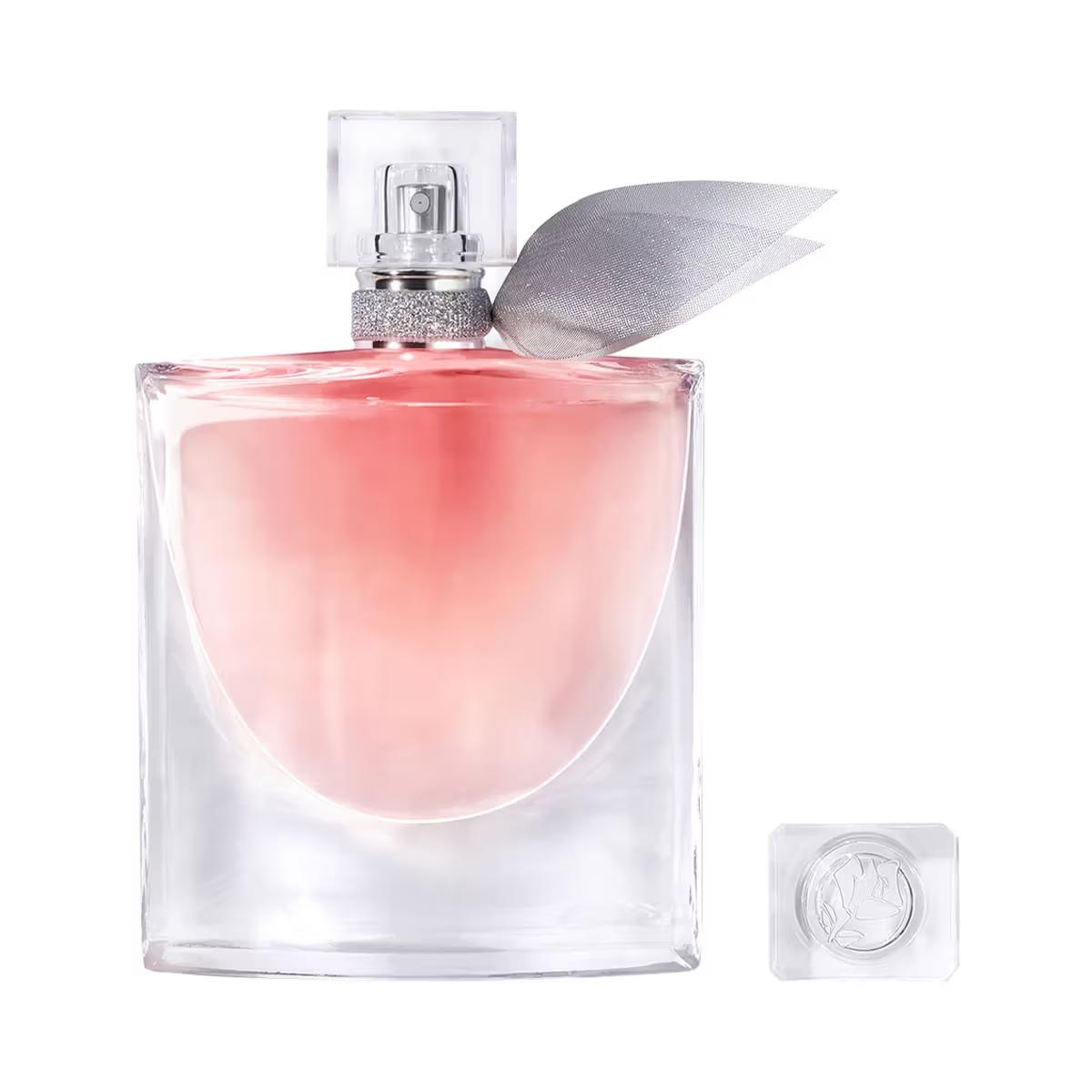
The Lancôme La Vie Est Belle Eau De Parfum is one of the world's best-selling luxury fragrances — and for good reason. A timeless floral gourmand built around a trio of precious florals — Iris Pallida, Jasmine Sambac, and Orange Blossom — it creates an aura of sophisticated happiness that is warm, sweet, and incredibly long-lasting on the skin. The name translates to 'life is beautiful,' and the fragrance delivers exactly that feeling: joyful, generous, and deeply feminine without being heavy. Its sweet, powdery dry-down makes it a year-round favourite for both day and evening wear. Available in a generous 100ml size, it is best suited for women who want an iconic, investment-worthy perfume that is universally loved, long-lasting, and appropriate for both gifting and everyday luxury.
The most popular citrus fragrance notes include bergamot, lemon, orange, grapefruit, lime, mandarin, and yuzu. Each brings its own personality—bergamot is sophisticated and slightly bitter, lemon is sharp and energising, orange is warm and sweet, while grapefruit offers a modern bitter-sweet profile.
Citrus olfactory top notes usually last between 5-15 minutes due to their volatile nature. However, modern perfumery techniques and synthetic citrus molecules can extend this to 30 minutes or more, creating a longer-lasting citrus impression.
Absolutely! Layering citrus scents can create unique, personalised fragrance profiles. Try combining a bergamot-heavy fragrance with something more orange-forward, or mix different citrus intensities. You can explore various combinations through trial packs available on Smytten.
Some citrus notes in modern perfumery are indeed synthetic, but this isn't necessarily bad. Synthetic citrus molecules can be more stable, longer-lasting, and consistent than natural extracts. The key is quality—well-made synthetic citrus can smell incredibly realistic and beautiful.
Bright, sparkling citrus like lemon and grapefruit are perfect for summer, while warmer citrus notes like orange and mandarin work beautifully in autumn and winter. Bergamot is versatile enough for year-round wear, especially when blended with seasonal supporting notes.
Citrus top notes are the unsung heroes of the fragrance world—they create those crucial first impressions that can make or break a scent experience. Understanding how different citrus scent profiles work helps you choose fragrances that truly reflect your personality and mood. Whether you're drawn to bergamot's sophistication, lemon's energy, or grapefruit's modern edge, there's a citrus opening that's perfect for you.
The key is experimenting with different citrus combinations and understanding how they interact with your skin chemistry. What smells amazing on your friend might not work for you, and that's completely normal. The beauty of citrus-forward fragrances is their versatility—they work across seasons, occasions, and personal styles.
Remember that the impact of top notes extends far beyond those first few minutes. They set the stage for your entire fragrance journey and influence how others perceive not just your scent, but your personality. Choose citrus notes that make you feel confident, energised, and authentically you.
Discovering your perfect citrus fragrance doesn't have to be a expensive guessing game. Smytten is India's largest product discovery and trial platform, connecting consumers with top lifestyle, beauty, wellness, and grooming brands through curated trial packs from over 1,500 trusted brands. You can explore different citrus-forward fragrances through authentic brand-verified minis before committing to full-size purchases. With trial packs available for just ₹249 and 100% cashback on trials redeemable for future orders, you can try before you buy and discover which citrus scent profiles truly speak to you. After all, why settle for maybe when you can #TryItAll and find your signature citrus scent with complete confidence?
