Fragrance vs. Skin: Why Your Perfume Smells Different

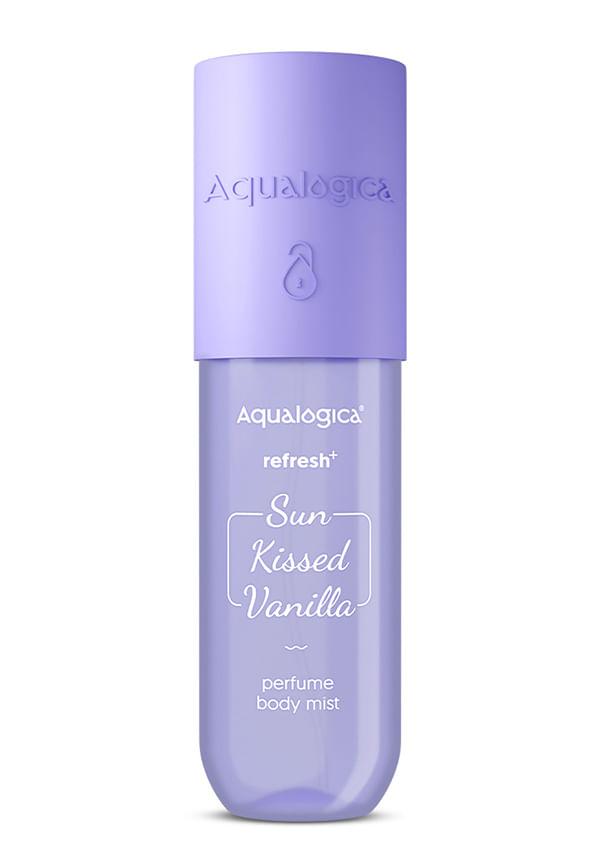
Refresh+ Sun Kissed Vanilla Perfume Body Mist
Smooth and Beautiful Smell
 4
4“so smooth and beautiful smell i really love it”
Smooth and Beautiful Smell
4“so smooth and beautiful smell i really love it”
Refreshing and Fresh Feeling
5“Best product guve refreshment and fresh feeling”
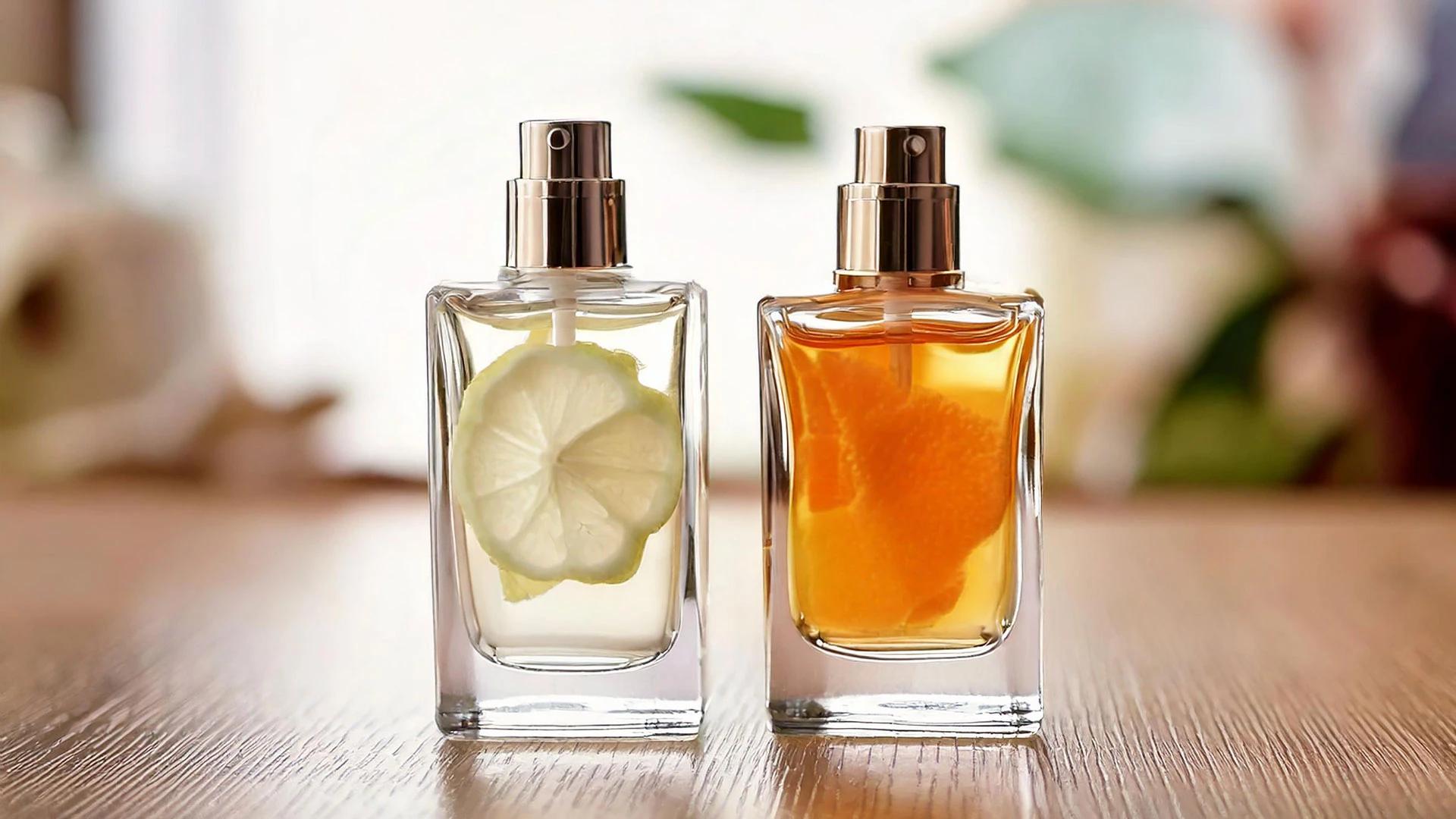
Ever sprayed a gorgeous perfume in-store, fallen head over heels for it, then got home only to discover it smells completely different on your skin? You're not imagining things. The truth is, fragrances are like chameleons—they transform based on who's wearing them. This fascinating phenomenon happens because of fragrance skin chemistry, and it's why the same bottle can smell divine on your mate but meh on you. Understanding why perfumes smell different on skin versus in the bottle can save you from fragrance heartbreak and help you find scents that truly work with your unique chemistry. With platforms like Smytten offering trial packs, you can now test how different fragrances interact with your skin before committing to full-size bottles.
TL;DR
Your skin's pH, natural oils, and body temperature create a unique chemical environment that alters how fragrances smell
Perfume notes develop differently on skin due to oxidation and interaction with skin enzymes
Factors like hormones, diet, weather, and skincare products all influence how a fragrance performs on you
Testing fragrances on your skin for several hours is essential to understand their true scent development
Working with your natural skin chemistry, rather than against it, leads to better fragrance experiences
Your skin isn't just a canvas for fragrance—it's an active participant in how scents develop. Every person has a unique skin chemistry that acts like a personal fragrance filter, transforming perfumes in ways that can be subtle or dramatically different.
Your skin's pH level sits somewhere between 4.5 and 6.5, creating either a slightly acidic or more neutral environment. This might sound like boring science, but it's actually the key to understanding perfume interaction with skin. When fragrance molecules meet your skin's pH, they undergo chemical changes that can make certain notes pop while others fade into the background.
If you have more acidic skin, you might find that citrus and fresh notes become more pronounced, whilst floral elements can turn sharper. On the flip side, those with more alkaline skin often experience richer, deeper base notes and find that sweet elements become more prominent. Your pH also shifts throughout the day based on stress, hormones, and even what you've eaten, which explains why your morning spritz might smell different by evening.
Your skin's natural oil production plays a massive role in fragrance projection and longevity. Those blessed with naturally oily skin often find their perfumes last longer and project more strongly because the oils help hold onto fragrance molecules. However, this can also mean that certain notes become amplified or distorted.
Dry skin, whilst it might not hold fragrance as long, often provides a cleaner canvas that allows the perfume's original composition to shine through more accurately. The molecular binding between your skin's sebum and fragrance compounds creates entirely new scent combinations that simply can't happen in the bottle.
When you spray perfume, you're not getting the full story straight away. Fragrances are designed with a three-act structure that unfolds over time, and each act performs differently on your skin than it does in the bottle.
The initial spray gives you the top notes—those bright, attention-grabbing scents that fade within 15-30 minutes. In the bottle, these might smell crisp and defined, but on your skin, they mix with your natural scent and can become softer or more intense. The real magic happens during the fragrance dry down when heart notes emerge and base notes start their slow reveal.
Heart notes, which appear after about 30 minutes, often tell a completely different story on skin. They've had time to warm up, interact with your body chemistry, and create something entirely new. Base notes can take hours to fully develop, and by then, they've been so influenced by your skin that they might be unrecognisable from their bottle scent.
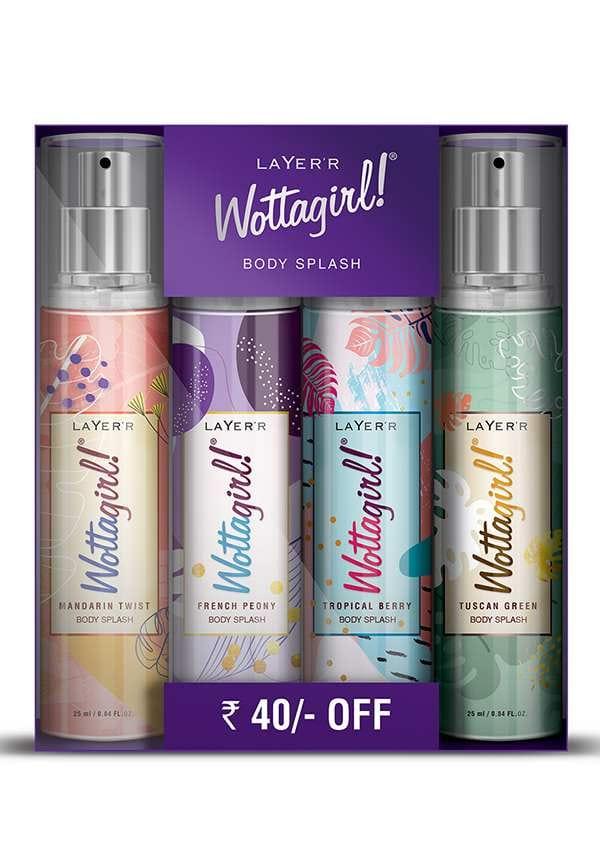
Body Splash
Accurate & Liked Fragrances
5“Each fragrance smells the exact same that has been written on the bottle! And I liked all of them”
Affordable & Travel-Friendly
5“Affordable set of fragrance.. travel friendly pack..”
Nice for gifting
5“it is a nice set to guft as well”
Once fragrance hits your skin, it starts oxidising—basically, it begins reacting with oxygen and your skin's natural enzymes. This process is completely different from what happens in a sealed bottle. Perfume oxidation on skin can make vanilla notes turn powdery, fresh citrus become more mellow, or woody notes develop a completely different character.
Some fragrance molecules are more stable than others, which is why certain perfumes seem to smell exactly the same on everyone, whilst others are complete shape-shifters. The oxidation process is also why that gorgeous perfume you tested might smell completely different when you get home—it's been through hours of chemical transformation.
Beyond your basic skin chemistry, loads of other factors influence how fragrances perform on you. Understanding these can help you predict which scents might work and when to wear them for the best results.
Your body temperature acts like a fragrance amplifier. Warmer skin makes scent molecules more volatile, meaning they evaporate faster and project more strongly. This is why pulse points—wrists, neck, behind ears—are classic application spots. They're naturally warmer and help broadcast your fragrance.
If you run warm, you might find that heavy, intense fragrances become overwhelming, whilst lighter scents get the perfect boost. Cool-skinned people often need to apply more product or choose stronger formulations to achieve the same projection. Seasonal changes also matter—your winter fragrance might become a beast in summer heat.
Hormones are fragrance game-changers. During different phases of your menstrual cycle, pregnancy, or menopause, your skin chemistry shifts dramatically. What smells gorgeous one week might be completely off-putting the next. Stress hormones can also alter how fragrances develop, sometimes making them smell sharper or more intense.
This is why some people swear their signature scent smells different during certain times of the month—they're absolutely right. Your hormonal fluctuations create a constantly changing environment for fragrance development.
What you eat and drink can actually influence how perfumes smell on you. Spicy foods, garlic, and alcohol can all affect your skin's scent profile. Certain medications, particularly those that affect hormones or metabolism, can also change how fragrance skin chemistry works.
Smokers often find that fragrances smell different on them because nicotine affects circulation and skin chemistry. Even your skincare routine plays a role—heavily fragranced products can clash or interact with your perfume in unexpected ways.
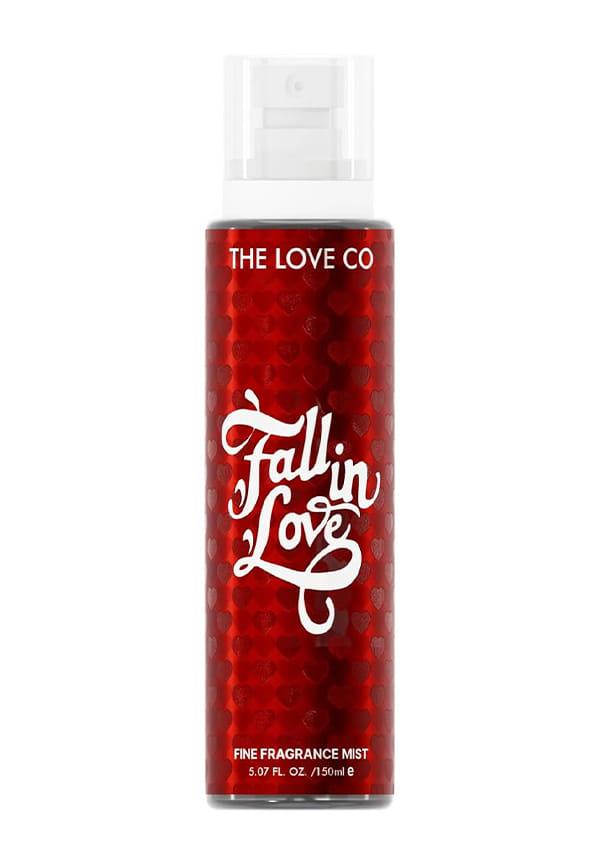
Fall in Love Body Mist
Budget-friendly product
5“very budget friendly product thank you smytten”
Your environment doesn't just affect how you smell fragrance—it actually changes how the fragrance behaves on your skin. Weather, humidity, and even the products you use can all influence perfume scent changes.
High humidity can make fragrances feel heavier and more intense because the moisture in the air slows down evaporation. In dry conditions, scents might seem to disappear quickly or smell sharper. Cold weather can mute fragrances, whilst heat amplifies them—sometimes to overwhelming levels.
This is why many fragrance lovers have different scents for different seasons. Your summer favourite might feel too light in winter, whilst your cosy autumn scent could be suffocating in July heat.
Your moisturiser, body wash, and even deodorant all create a base layer that affects how perfume develops. Heavily scented products can clash, whilst unscented or lightly scented ones provide a neutral canvas. Some ingredients in skincare can actually enhance fragrance longevity, whilst others might cause it to fade faster.
The key is understanding how your routine affects your fragrance experience and adjusting accordingly. Sometimes a simple switch to unscented moisturiser can completely transform how your favourite perfume performs.
Now that you understand why fragrances behave differently on everyone, you can use this knowledge to find scents that truly work with your unique chemistry. It's all about working with your skin, not against it.
Paper strips are fine for a first impression, but they tell you nothing about how a fragrance will smell on you. Always test on your skin and give it time—at least 2-3 hours to see the full development. Apply to clean skin without competing scents, and don't test more than 2-3 fragrances at once.
Pay attention to how the scent changes throughout the day. Does it start lovely but turn unpleasant? Does it disappear too quickly? Does it project too strongly? These observations help you understand what works with your chemistry.
Once you find fragrances that work with your skin, proper application and storage help maintain consistent results. Apply to pulse points on clean, slightly moisturised skin. Store bottles away from heat and light to prevent the fragrance from changing over time.
Consider the timing of application too—some fragrances need time to settle and develop, so applying 15-30 minutes before you need to smell great can make a difference.
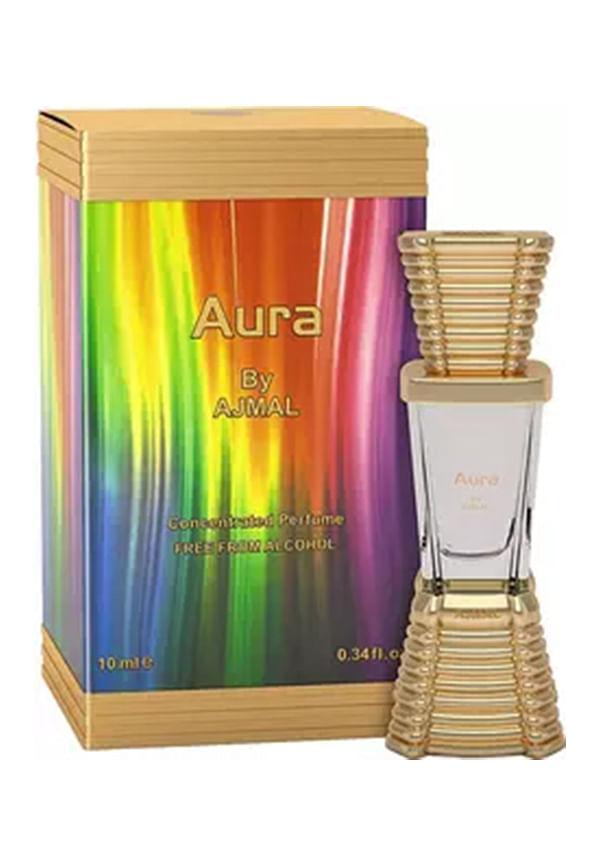
Aura Concentrated Floral Perfume
Fragrances smell different on skin because they interact with your unique body chemistry, including your skin's pH, natural oils, temperature, and hormones. The bottle preserves the fragrance in its original state, but once it hits your skin, it begins oxidising and mixing with your natural scent to create something entirely new.
Absolutely. Individual differences in skin chemistry, body temperature, hormones, diet, and even genetics can make the same fragrance smell dramatically different on different people. This is why personal testing is so important when choosing fragrances.
Give a fragrance at least 2-3 hours to fully develop on your skin. The initial spray shows only the top notes, whilst the heart and base notes—which often determine whether you'll love the fragrance—take time to emerge and settle.
Price doesn't necessarily determine how a fragrance will react to your skin chemistry. However, higher-quality ingredients and better formulation can sometimes result in more predictable performance and better longevity. The key is finding what works with your individual chemistry, regardless of price.
Yes, Smytten's trial packs are perfect for testing how different fragrances interact with your skin chemistry. You can try multiple scents without committing to full-size bottles, giving you the chance to see how they develop on your skin over several hours or days.
Fragrance longevity depends on your skin type (oily skin holds scent longer), the fragrance concentration, your body temperature, humidity levels, and what products you've applied underneath. Proper application technique and skin preparation also play important roles.
Understanding why fragrances smell different on your skin versus in the bottle is the first step towards building a fragrance wardrobe that truly works for you. Your unique skin chemistry—including pH, natural oils, temperature, and hormones—creates a personal scent signature that transforms every fragrance you wear. Rather than fighting against your chemistry, embrace it and use this knowledge to make better fragrance choices.
Remember that testing is everything. What smells divine on your friend might be completely wrong for you, and that's perfectly normal. Take time to properly test fragrances on your skin, understand how they develop over time, and pay attention to how external factors like weather and skincare products affect their performance.
Finding your perfect fragrance match is a journey of discovery, and understanding your skin chemistry makes that journey so much more rewarding. Instead of wondering why that gorgeous perfume smells different on you, you can now appreciate the unique way your skin transforms scents into something entirely personal. Smytten's trial packs make this exploration both affordable and risk-free, letting you test how different fragrances interact with your skin before investing in full-size bottles. With over 1,500 trusted brands available on Smytten, you can discover authentic, brand-verified minis that help you understand your fragrance preferences without the commitment. The platform's 100% cashback on trials means you can experiment with confidence, knowing that your trial investment contributes towards future purchases. After all, why settle for a fragrance that doesn't work with your unique chemistry when you can try before you buy and find scents that truly complement who you are?
