Fragrance Sensitivity in India: FAQ


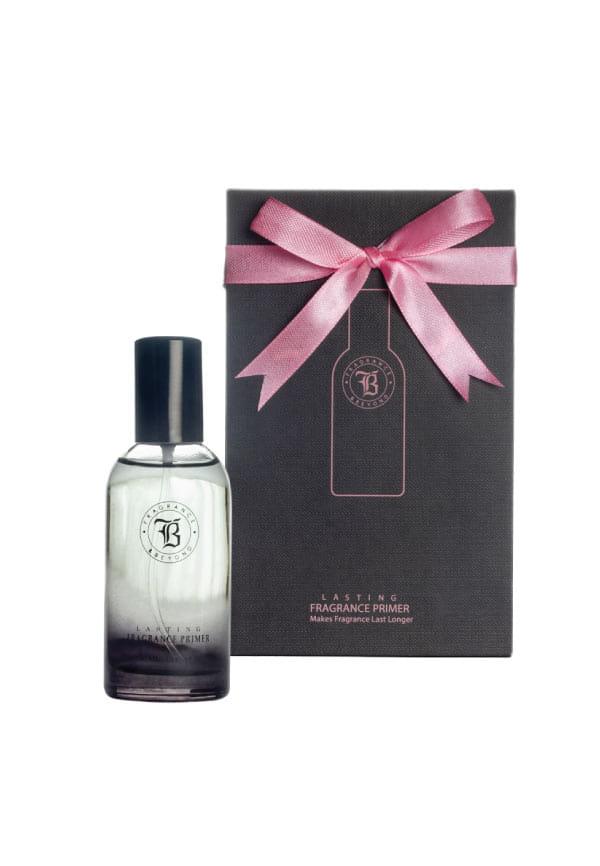
Fragrance Primer | Makes Fragrance Last Longer | Made In India | Unisex
Ever caught a whiff of someone's perfume and suddenly felt your eyes water or your skin itch? You're not alone. Fragrance sensitivity is more common than you'd think, especially in India where we're surrounded by everything from traditional attars to modern perfumes. Whether it's that colleague's overpowering cologne or the incense at your local temple, fragrance reactions can range from mildly annoying to seriously uncomfortable. The thing is, many people don't even realise they have fragrance sensitivity until they start connecting the dots between their symptoms and scented products. With platforms like Smytten offering trial-sized fragrances, it's easier than ever to test products safely before committing to full sizes—which is brilliant if you're dealing with sensitivities.
TL;DR
Fragrance sensitivity affects roughly 1-4% of the Indian population, causing symptoms like skin irritation, headaches, and respiratory issues
It's different from a true fragrance allergy—sensitivity is more about irritation, whilst allergies involve immune system reactions
Common triggers include synthetic fragrances, essential oils, and traditional Indian scents like sandalwood and jasmine
Diagnosis involves patch testing and elimination methods, with treatment focusing on avoidance and symptom management
Fragrance-free alternatives and careful product selection can help sensitive individuals enjoy scents safely
Let's get one thing straight—fragrance sensitivity and fragrance allergy aren't the same thing, though people often use these terms interchangeably. Think of sensitivity as your skin or respiratory system getting irritated by certain scent molecules, whilst an allergy involves your immune system going into overdrive.
Fragrance sensitivity typically shows up as irritant contact dermatitis. Your skin gets red, itchy, or burns when it comes into contact with certain fragrances. It's like your skin saying "nope, not today" to specific ingredients. On the flip side, allergic contact dermatitis happens when your immune system mistakenly identifies fragrance molecules as threats and launches an attack.
Irritant reactions happen immediately or within hours. You might notice redness, stinging, or burning where the fragrance touched your skin. These reactions don't involve your immune system—it's just your skin being sensitive to certain chemicals.
Allergic reactions can take 24-72 hours to show up. They often appear as eczema-like patches, blisters, or widespread rashes. Once you develop a true fragrance allergy, even tiny amounts can trigger reactions.
Here's where it gets interesting. Global studies suggest that about 1% of adults and 1.8% of children experience some form of fragrance sensitivity. But in India, the numbers might be higher due to our unique exposure patterns.
European research indicates that fragrance sensitivity in India could affect anywhere from 2-4% of the population, though comprehensive Indian studies are still limited. What we do know is that urban areas show higher rates than rural regions, likely due to increased exposure to commercial fragrances and air pollution.
Cities like Delhi, Mumbai, and Bangalore report more fragrance-related dermatitis cases, possibly due to higher pollution levels that make skin more reactive. Coastal areas might see different patterns due to humidity affecting how fragrances interact with skin.
Traditional fragrance use varies significantly across regions. South Indian states with strong temple culture might see more reactions to incense and traditional oils, whilst North Indian urban centres deal more with commercial perfume sensitivities.
Fragrance sensitivity symptoms can be sneaky. They don't always show up immediately, and they're not always where you'd expect them. Your skin might react, but so might your respiratory system or even your nervous system.
The most common skin reactions include redness, itching, burning, and swelling at the contact site. But here's the thing—fragrance allergy symptoms can also appear on areas that didn't directly touch the fragrance, like your face or neck, because fragrance molecules can travel through the air.
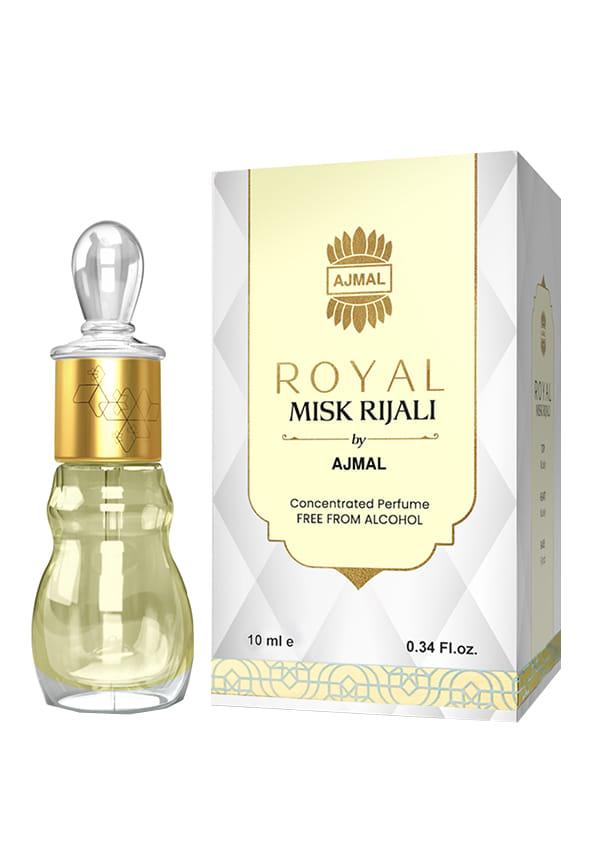
Royal Misk Rijali Attar Concentrated Perfume
Immediate symptoms (within minutes to hours): • Skin stinging or burning • Redness and swelling • Watery eyes • Sneezing or runny nose • Headaches
Delayed symptoms (24-72 hours later): • Eczema-like rashes • Blisters or bumps • Dry, flaky skin • Persistent itching • Darkening of affected skin areas
Most fragrance reactions are uncomfortable but not dangerous. However, watch out for signs of severe allergic reactions like difficulty breathing, widespread rashes, or swelling of the face and throat. These require immediate medical attention.
The causes of fragrance sensitivity are more complex than you might think. It's not just about "strong" scents—specific chemical compounds are usually the culprits. In India, we're dealing with a unique mix of traditional and modern fragrance ingredients.
The top allergens in fragrances include linalool (found in lavender and coriander), limonene (citrus oils), and eugenol (cloves and cinnamon). These show up in everything from your grandmother's homemade hair oil to that expensive imported perfume.
Traditional Indian perfumes and attars can be particularly tricky for sensitive individuals. Sandalwood, jasmine, and rose—whilst beautiful—are common triggers. Even natural doesn't always mean safe for sensitive skin.
Perfume intolerance often develops gradually. You might use a product for months without issues, then suddenly start reacting. This happens because sensitivity can build up over time with repeated exposure.
India's hot, humid climate can make fragrance sensitivity worse. Heat and moisture help fragrance molecules penetrate skin more easily, whilst pollution can make skin more reactive overall. Monsoon season often brings relief, but the increased humidity can also trap fragrances close to your skin.
Fragrance sensitivity diagnosis isn't always straightforward. Many people self-diagnose based on obvious reactions, but getting professional confirmation helps you understand exactly what you're dealing with and how to manage it effectively.
Dermatologists typically use patch testing to identify specific fragrance allergens. They'll apply small amounts of common fragrance ingredients to your back and monitor for reactions over several days. It's like a controlled experiment to figure out your personal trigger list.
Before seeing a specialist, try keeping a fragrance diary. Note when symptoms occur, what products you used, and environmental factors like weather or stress levels. This information helps doctors narrow down potential triggers.
Elimination testing involves removing all fragranced products from your routine for 2-4 weeks, then slowly reintroducing them one at a time. It's time-consuming but effective for identifying problem ingredients.

Consent Perfume for Women
Major cities like Delhi, Mumbai, Chennai, and Bangalore have dermatology centres equipped for comprehensive allergy testing. Some hospitals also offer environmental allergy panels that include fragrance components.
Fragrance sensitivity treatment focuses on two main approaches: managing acute reactions and preventing future exposures. Unfortunately, there's no cure for fragrance sensitivity, but you can definitely control your symptoms and quality of life.
For immediate relief during reactions, cool compresses and gentle, fragrance-free moisturisers can help soothe irritated skin. Antihistamines might reduce itching and inflammation, whilst topical corticosteroids can tackle more severe reactions under medical supervision.
The gold standard for managing perfume allergy is avoidance. This means reading labels religiously, choosing fragrance-free products, and being mindful of environmental exposures like scented cleaning products or air fresheners.
Building tolerance isn't usually possible with true fragrance allergies, but some people with mild sensitivities find they can handle small amounts of certain fragrances if they're careful about timing and application methods.
Some traditional Indian remedies can help soothe fragrance-related skin reactions. Aloe vera gel, turmeric paste (for those not sensitive to it), and coconut oil can provide relief. However, be cautious—natural doesn't always mean hypoallergenic.
The good news is that fragrance free products are becoming more available in Indian markets. International brands like Cetaphil, Aveeno, and Eucerin offer fragrance-free ranges, whilst Indian brands are also catching on to this need.
When shopping for fragrance-free products, look for labels that specifically say "fragrance-free" rather than "unscented." Unscented products might contain masking fragrances to hide the natural smell of ingredients.
If you miss wearing fragrances, consider single-note essential oils that you know you can tolerate. Apply them to clothing rather than skin, or use fragrance-free products with naturally pleasant scents like pure coconut oil or shea butter.
DIY options include making your own fragrance-free versions of common products. Simple ingredients like gram flour, yoghurt, and honey can create effective face masks without synthetic fragrances.
Creating a safe space at home involves more than just switching personal care products. Consider fragrance-free laundry detergents, avoid air fresheners and scented candles, and be mindful of guests who might wear strong fragrances.

Eventful For Women
Studies suggest that 2-4% of Indian adults experience some form of fragrance sensitivity, with higher rates in urban areas due to increased exposure to commercial fragrances and environmental pollutants.
Unfortunately, there's no permanent cure for fragrance sensitivity. However, symptoms can be effectively managed through avoidance strategies, proper skincare, and medical treatment when needed. Some people find their sensitivity decreases over time with careful management.
Fragrance sensitivity typically involves irritant reactions that don't involve the immune system, whilst perfume allergies trigger immune responses. Allergic reactions often take longer to appear (24-72 hours) and can be more severe than sensitivity reactions.
Not necessarily. Natural fragrance ingredients like essential oils can be just as problematic as synthetic ones. In fact, some natural ingredients like citrus oils or certain flowers are common allergens. The key is identifying your specific triggers, regardless of whether they're natural or synthetic.
Try a patch test first—apply a small amount to your inner wrist or behind your ear and wait 24-48 hours. If you're using trial sizes available on Smytten, this approach lets you test products safely without committing to full-size purchases that might cause reactions.
Yes, fragrance sensitivity can develop at any age, even if you've used fragranced products for years without problems. This often happens due to repeated exposure, hormonal changes, stress, or other health conditions that make your skin more reactive.
Cooling ingredients like aloe vera, cucumber, and rose water can soothe irritated skin. However, be cautious with traditional remedies containing strong-smelling ingredients like neem or turmeric, as these might trigger additional reactions in very sensitive individuals.
Fragrance sensitivity is a real and increasingly common issue in India, affecting millions of people who simply want to enjoy scents without discomfort. The key to managing it successfully lies in understanding your specific triggers, choosing products carefully, and building a support system that includes both professional medical advice and practical lifestyle adjustments.
Remember that sensitivity doesn't mean you have to give up on all fragrances forever. With careful testing, gradual exposure, and smart product choices, many people find ways to enjoy scents safely. The most important thing is listening to your body and not pushing through reactions in hopes they'll go away.
If you suspect you have fragrance sensitivity, start with simple elimination tests and consider professional patch testing for definitive answers. The investment in understanding your triggers pays off in better skin health and overall comfort.
Managing fragrance sensitivity doesn't have to mean missing out on the joy of discovering new scents. Smytten's trial-sized fragrances offer the perfect solution for sensitive individuals who want to explore new products safely. With authentic brand-verified minis available across India, you can test fragrances without the risk of purchasing full-size products that might trigger reactions. The platform's 100% cashback on trials makes it even more accessible to experiment with different brands and formulations until you find your perfect match. After all, why settle for uncertainty when you can try before you buy and make confident choices about the fragrances that work for your unique skin? With PAN-India delivery and over 1,500 trusted brands available on Smytten, finding fragrance-free or gentle scented options has never been easier.
