Fragrance Sensitivity FAQ: Understanding Triggers & Reactions


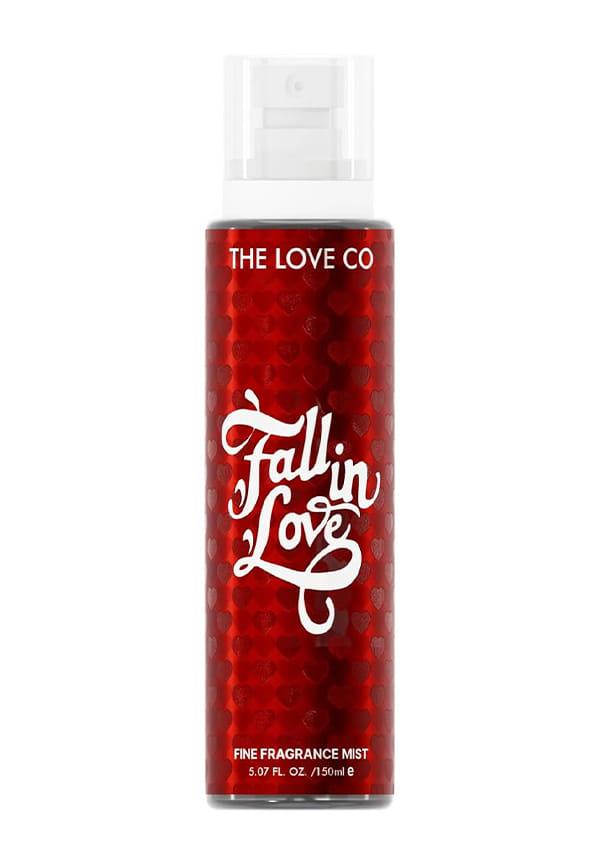
Fall in Love Body Mist
Ever walked into a room and felt instantly overwhelmed by someone's perfume? Or found yourself with a pounding headache after being around strong fragrances? You're definitely not alone. Fragrance sensitivity affects millions of people worldwide, yet it's often misunderstood or dismissed. The truth is, some people's bodies and brains process scents very differently, leading to genuine physical and emotional reactions that can range from mildly annoying to completely debilitating. Understanding why certain fragrances feel triggering or overwhelming isn't just about personal comfort—it's about recognising a real physiological response that deserves attention and accommodation. Whether you're someone who struggles with scent sensitivity or you're trying to understand a friend or colleague who does, this guide will help you navigate the complex world of fragrance reactions. At Smytten, we understand that finding the right fragrance is deeply personal, which is why we offer trial packs to help you discover scents that work with your body chemistry rather than against it.
TL;DR
Fragrance sensitivity is a real physiological response involving your brain's emotional processing centre and nerve pathways
Common symptoms include headaches, breathing difficulties, skin reactions, and feeling overwhelmed or anxious
Individual body chemistry, genetics, and previous exposure all influence how you react to different scents
Management strategies include identifying personal triggers, creating fragrance-free spaces, and communicating your needs clearly
Trial-sized fragrances can help you test products safely before committing to full-size purchases
Your reaction to fragrances isn't just in your head—there's genuine science behind why some people find certain scents overwhelming. When you smell something, the molecules travel directly to your brain's emotional processing centre, bypassing the rational thinking parts entirely. This explains why a whiff of a particular perfume can instantly transport you back to a memory or trigger an immediate physical response.
Unlike other senses, smell has a direct highway to your amygdala—the brain's alarm system. This means fragrance molecules can trigger immediate emotional and physical responses before you've even consciously registered the scent. For people with fragrance sensitivity, this pathway can become hyperactive, treating certain scents as threats and launching your body into fight-or-flight mode.
Some people experience hyperosmia—a condition where your sense of smell becomes abnormally heightened. This can be genetic, hormone-related, or connected to conditions like migraines or pregnancy. When you have hyperosmia, even normally pleasant scents can feel overwhelming because your brain is processing them at an amplified level.
Here's where it gets interesting—some fragrance reactions aren't actually about smell at all. Your trigeminal nerve, which controls facial sensation, can be triggered by certain fragrance molecules, causing pain, tingling, or burning sensations. This explains why some people react to "unscented" products or why reactions can vary so dramatically between individuals.
Not all fragrance sensitivity is created equal. Some people experience true allergic reactions, whilst others have chemical sensitivity or simply find certain scents overwhelming. Understanding the difference can help you identify what you're dealing with and find appropriate solutions.
Perfume sensitivity symptoms can range from mild to severe. Respiratory reactions like asthma, coughing, or difficulty breathing are common, especially in enclosed spaces. Neurological symptoms including headaches, dizziness, or brain fog can develop within minutes of exposure. Some people also experience skin reactions like rashes or contact dermatitis when fragrances touch their skin directly.
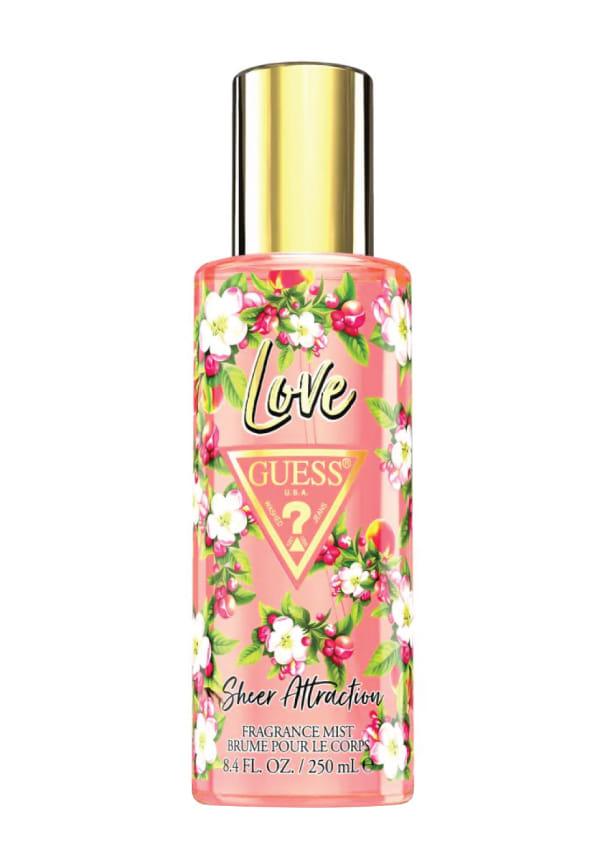
Love Sheer Attraction Fragrance Mist
Certain fragrance ingredients are more likely to cause reactions than others. Synthetic musks, aldehydes, and specific floral compounds top the list of common triggers. Interestingly, natural doesn't always mean safer—essential oils like lavender or citrus can be just as problematic for sensitive individuals. The concentration and combination of ingredients also play a huge role in how your body responds.
Your individual body chemistry acts like a unique fingerprint when it comes to fragrance reactions. Previous exposure and sensitisation can make you more reactive to specific compounds over time. This is why you might suddenly develop sensitivity to a perfume you've worn for years, or why certain fragrance families consistently cause problems whilst others don't.
If you've ever experienced a pounding headache after being around strong fragrances, you're experiencing one of the most common symptoms of scent sensitivity. These aren't just regular headaches—they can be genuine migraines triggered by specific fragrance compounds.
Research shows that fragrances trigger migraines in about 50% of people who suffer from them. The scent molecules can activate the trigeminal nerve system, which plays a key role in migraine development. These fragrance-induced migraines often come with the full package—nausea, light sensitivity, and that characteristic throbbing pain.
Keeping a scent diary can help you identify patterns in your reactions. Note which fragrances, environments, or situations consistently lead to headaches. Common culprits include heavy florals, synthetic musks, and layered scents where multiple fragrance sources combine. Sometimes it's not the specific scent but the concentration or application method that triggers your symptoms.
Prevention is often more effective than treatment when it comes to fragrance-triggered headaches. This might mean avoiding certain areas, requesting fragrance-free accommodations at work, or carrying a small fan for better air circulation. Some people find that antihistamines or specific migraine medications can help, but it's worth discussing options with a healthcare provider.
Sometimes the reaction to fragrances goes beyond physical symptoms. Many people describe feeling emotionally overwhelmed, anxious, or even panicked when exposed to certain scents. These psychological responses are just as valid and can be just as disruptive to daily life.
Strong fragrances can trigger anxiety responses, especially if you've had negative experiences with scents in the past. Memory-triggered responses are particularly powerful—a specific perfume might remind you of a difficult time or person, causing immediate emotional distress. This isn't weakness; it's your brain's natural protective mechanism.

Love You Like Crazy For Women
Enclosed spaces with poor ventilation can turn a mild fragrance into an overwhelming experience. When multiple people wear different scents in the same space, the combination can create a sensory overload that's difficult to escape. Temperature and humidity also affect how strongly fragrances project, which is why reactions can vary depending on the environment.
Learning to manage overwhelming scent experiences involves both practical and emotional strategies. Deep breathing exercises can help reset your nervous system, whilst grounding techniques can pull you back from anxiety spirals. Creating fragrance-free safe spaces at home and work gives you somewhere to recover when needed.
Living with fragrance sensitivity doesn't mean you have to avoid all scented products or social situations. It's about finding strategies that work for your specific triggers and comfort level.
Start by reading product labels carefully and choosing fragrance-free or naturally scented alternatives where possible. Modify your home environment by using air purifiers and avoiding heavily scented cleaning products. When travelling, research accommodation policies about fragrance-free rooms and pack your own unscented toiletries.
Communicating your needs without causing offence requires tact and clarity. Explain that it's a medical sensitivity rather than a preference, and suggest practical solutions rather than just highlighting problems. Many workplaces are legally required to provide reasonable accommodations for chemical sensitivities, so don't hesitate to speak with HR if needed.
If you love fragrances but struggle with sensitivity, consider low-impact options like solid perfumes or natural alternatives. Essential oil blends might work better than synthetic fragrances, though always patch test first. Gradual exposure to very small amounts can sometimes help build tolerance, but this should be done carefully and ideally with medical guidance.
Your individual body chemistry, genetics, and previous exposure history all influence which fragrances trigger reactions. Some people have hyperosmia (heightened smell sensitivity), whilst others react to specific chemical compounds. Medical conditions like migraines, allergies, or hormonal changes can also increase sensitivity to certain scent families whilst leaving you unaffected by others.
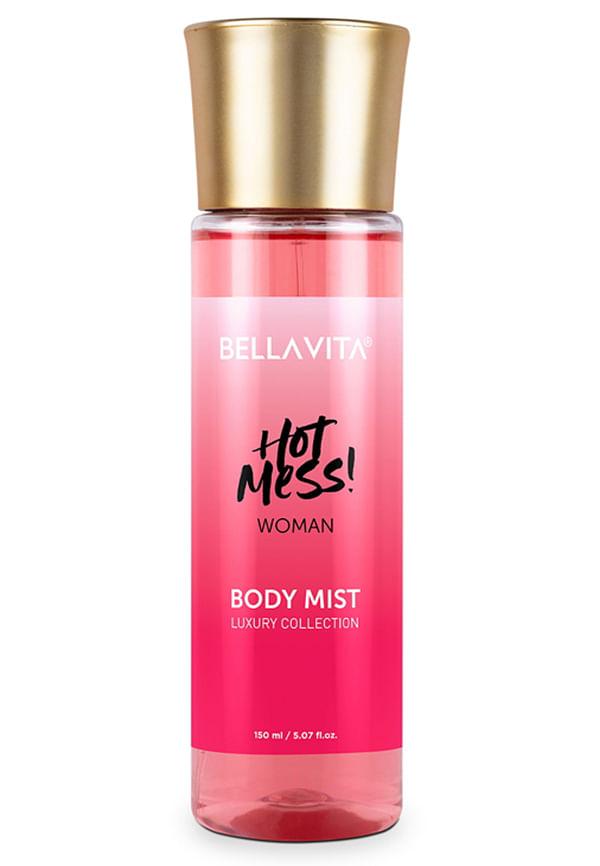
Hot Mess Body Mist for Women
Yes, it's completely normal, especially if you have chemical sensitivity or certain medical conditions. Temporary sensitivity can occur during pregnancy, illness, or times of stress. However, if you're consistently overwhelmed by everyday fragrances or if symptoms interfere with your daily life, it's worth consulting a healthcare provider to rule out underlying conditions.
Absolutely! Trial-sized fragrances available on Smytten allow you to test products in small amounts before committing to full-size purchases. Start with tiny amounts on your wrist, avoid testing multiple scents at once, and always test in a well-ventilated area. This approach helps you discover scents that work with your body chemistry rather than against it.
Fragrance sensitivity can be genetic, developed through repeated exposure, or connected to conditions like asthma, migraines, or autoimmune disorders. Some people have naturally more sensitive trigeminal nerves, whilst others develop chemical sensitivity over time. Environmental factors, stress levels, and hormonal changes can all influence how your body processes and reacts to different scents.
Whilst there's no "cure" for fragrance sensitivity, symptoms can often be managed effectively. Treatment approaches include identifying and avoiding triggers, using antihistamines or other medications as recommended by healthcare providers, and gradually building tolerance in some cases. An allergist or neurologist can help determine the best management strategy for your specific situation.
True allergic reactions typically involve immune system responses like hives, swelling, or severe breathing difficulties and require immediate medical attention. Chemical sensitivity or intolerance usually causes symptoms like headaches, nausea, or feeling overwhelmed. If you're unsure, keep a symptom diary and consult with an allergist who can perform proper testing to determine the nature of your reactions.
Fragrance sensitivity is a legitimate physiological response that affects millions of people in different ways. Whether you experience headaches, breathing difficulties, skin reactions, or emotional overwhelm, your symptoms are real and deserve proper attention. Understanding the science behind scent processing helps explain why reactions can be so immediate and intense, whilst identifying your personal triggers empowers you to make informed choices about fragrance exposure.
Management strategies range from simple avoidance techniques to medical interventions, depending on the severity of your sensitivity. The key is finding an approach that allows you to navigate daily life comfortably whilst still enjoying the experiences you value. Remember that sensitivity levels can change over time, so what works for you now might need adjusting in the future.
Living with fragrance sensitivity doesn't mean missing out on the joy of beautiful scents—it means being smarter about how you discover and enjoy them. Smytten's trial packs offer the perfect solution for sensitive individuals who want to explore fragrances safely. With over 1,500 trusted brands available, you can test products in small amounts before committing to full-size purchases, ensuring you find scents that work harmoniously with your body chemistry. The platform's 100% cashback on trials makes this exploration both affordable and risk-free, whilst PAN-India delivery means you can discover your perfect fragrance from the comfort of your own home. After all, why settle for reactions and overwhelm when you can try before you buy and find fragrances that truly suit you?
