Fragrance Notes FAQ: Top, Middle, and Base Notes Explained
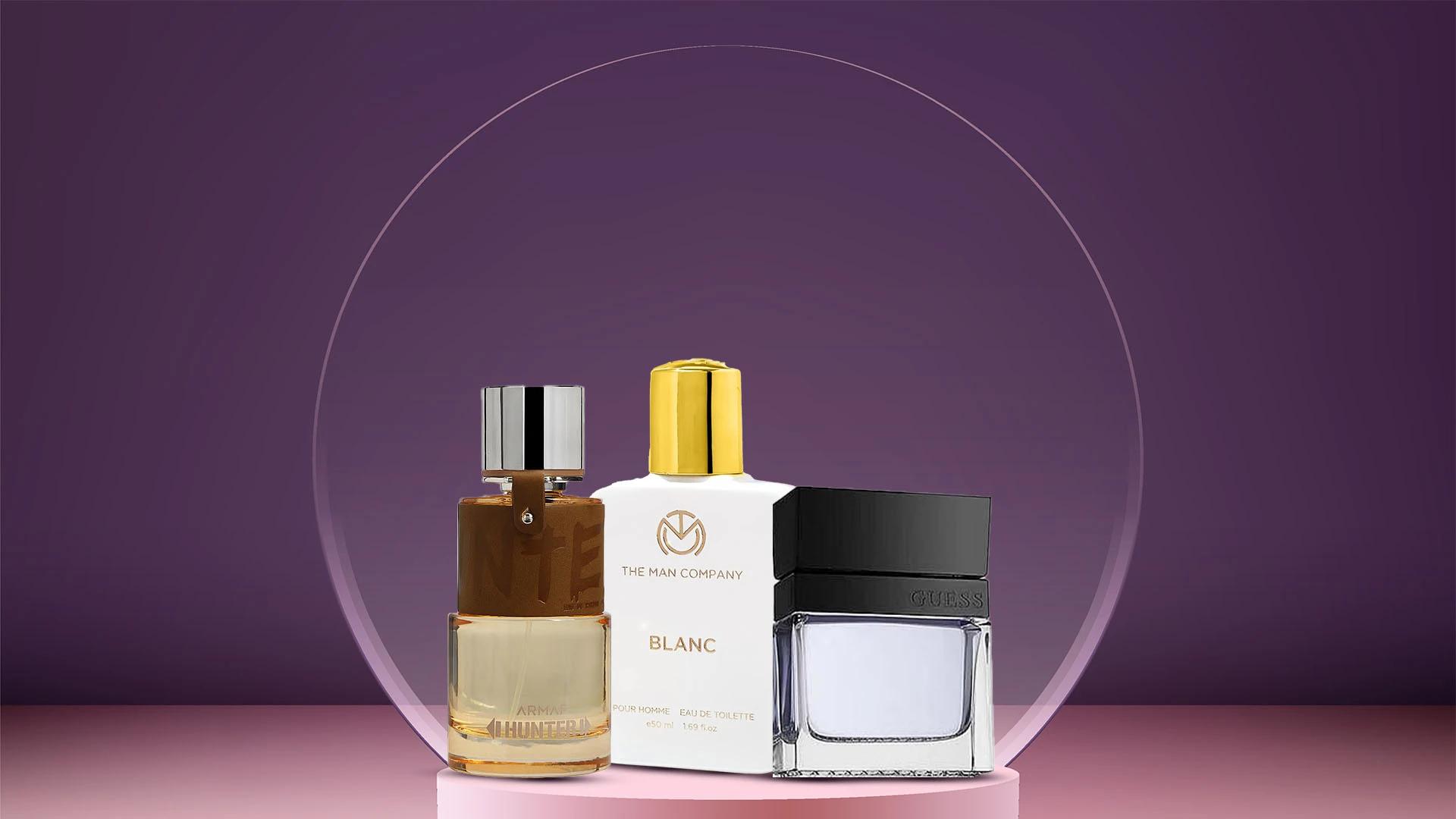


Edge & Secret Temptation Dream Combo
Ever sprayed a fragrance and wondered why it smells completely different after a few hours? That magical transformation happens because of fragrance notes - the building blocks that create every scent you love. Understanding what are top notes, middle notes, and base notes in a fragrance is like having a secret decoder for the perfume world. Whether you're exploring new scents on Smytten or trying to figure out why your favourite fragrance changes throughout the day, knowing how these layers work together will completely change how you choose and wear fragrances.
TL;DR
Fragrance notes are organised in a three-tier pyramid: top notes (first 15 minutes), middle notes (2-4 hours), and base notes (4+ hours)
Top notes create the initial impression with light, volatile ingredients like citrus and herbs
Middle notes form the heart of the fragrance, typically floral or spicy, and make up about 50% of the blend
Base notes provide longevity and depth with heavier molecules like woods, musks, and vanilla
Understanding these layers helps you choose fragrances that truly suit your preferences and test them properly
Think of the fragrance pyramid as your perfume's timeline. This three-tier structure explains how scents evolve from the moment you spray them to hours later when only the deepest notes remain. The pyramid isn't just a fancy way to describe perfume notes - it's actually based on the molecular weight and volatility of different ingredients.
Here's how the timeline typically works: you'll notice the brightest, most attention-grabbing scents immediately (that's your top notes doing their job). After about 15 minutes, these start to fade and the true character of the fragrance emerges through the middle notes. Finally, the base notes kick in around the 30-minute mark and can last for hours, sometimes even into the next day.
This isn't just about creating complexity for the sake of it. The layered approach ensures your fragrance tells a complete story rather than hitting you with everything at once. It's like a good conversation - it has an opening, develops into something meaningful, and leaves a lasting impression.
Top notes are the attention-grabbers of the fragrance world. They're the first thing you smell when you spray a perfume, and they're designed to make you want to keep smelling. These notes are typically light, fresh, and volatile, which means they evaporate quickly - usually within the first hour or two.
The magic of top notes lies in their immediacy. They're made up of small, light molecules that travel quickly to your nose, creating that instant 'wow' moment. This is why citrus notes like bergamot and lemon are so popular as top notes - they're bright, energising, and impossible to ignore.
You'll often find these crowd-pleasers leading the charge:
Citrus fruits: lemon, bergamot, grapefruit, orange
Light fruits: apple, pear, blackcurrant
Fresh herbs: basil, mint, rosemary
Green notes: grass, leaves, cucumber
Let's be real - top notes are often what sell a fragrance. They're the first impression, and we all know how important those are. But here's the thing: don't let them be the only factor in your decision. A stunning top note that fades into something you don't love isn't worth your money.

Marvellous Perfume Collection Gift Set
Middle notes, also called heart notes, are where the real personality of a fragrance lives. They typically emerge after the top notes start to fade and can last anywhere from 2 to 4 hours. These notes make up the largest portion of most fragrances - often around 50% of the total composition.
This is where perfumers get creative with perfume accords - harmonious blends that create the signature character of the scent. The middle notes need to bridge the gap between the bright top notes and the deep base notes, creating a smooth transition that feels natural.
Middle notes tend to be more complex and nuanced than top notes:
Floral: rose, jasmine, lavender, geranium
Spicy: cinnamon, cardamom, black pepper, nutmeg
Fruity: peach, berry, plum
Herbal: sage, thyme, oregano
Many perfumers follow a rough guideline where middle notes make up about 50% of the fragrance, with top notes at 30% and base notes at 20%. This balance ensures the heart notes have enough presence to define the fragrance's character while still allowing the other layers to shine.
Base notes are the marathon runners of the fragrance world. These heavy, rich molecules stick around for hours, sometimes lingering on your skin or clothes until the next day. They typically start to become noticeable around 30 minutes after application and can last 4 hours or more.
These notes have larger molecular structures, which means they evaporate much more slowly than top or middle notes. This is why woody, musky, and resinous ingredients are often used as base notes - they have the staying power to anchor the entire fragrance.
Base notes tend to fall into these main categories:
Woody: sandalwood, cedar, vetiver, patchouli
Musky: white musk, ambergris, cashmeran
Vanilla and gourmand: vanilla, tonka bean, caramel
Resinous: frankincense, benzoin, labdanum
The base notes often determine which fragrance family a perfume belongs to. Woody base notes create woody fragrances, while heavy florals or spices in the base might push a scent into the oriental category. Understanding this can help you predict whether you'll love a fragrance's dry-down.
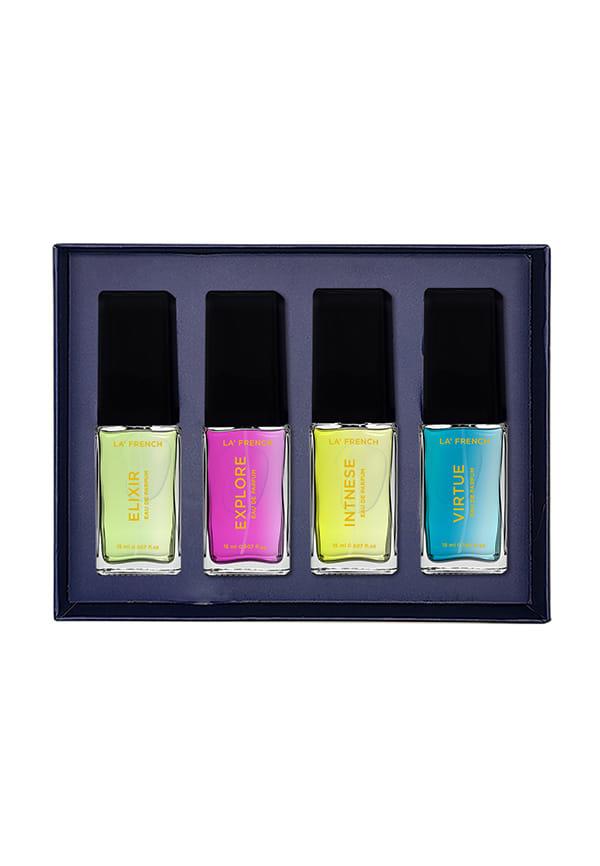
Elixir, Explore, Intense & Virtue Perfume Gift Set
Product Okay, Packaging Needs Improvement
 4
4“ok ok product, but need to improve packaging and bottles”
Positive Product Review
4“loved it. .”
The real magic happens when all three layers work in harmony. Good scent layering means each transition feels natural and intentional, not jarring or disconnected. The best fragrances tell a cohesive story from first spray to final fade.
Here's what typically happens when you spray a well-constructed fragrance:
0-15 minutes: Top notes dominate, creating the initial impression
15 minutes-2 hours: Middle notes emerge and blend with fading top notes
2-4 hours: Heart notes reach full development
4+ hours: Base notes take centre stage for the long haul
Perfumers spend years learning how different ingredients interact. Some combinations are classic for a reason - like bergamot and lavender, or rose and sandalwood. Others are more experimental, creating unique perfume accords that become signature scents.
Now that you understand how fragrance notes work, you can make smarter choices about what to try and buy. This knowledge is especially useful when exploring new scents, whether you're browsing descriptions online or testing samples.
Never judge a fragrance by its top notes alone. Give it at least 30 minutes to develop, ideally longer. Your skin chemistry also plays a huge role - what smells amazing on your friend might smell completely different on you due to differences in skin pH, temperature, and natural oils.
Different note combinations work better for different situations:
Daytime: Fresh top notes with light florals work well for office or casual wear
Evening: Rich base notes with deeper middle notes create more presence for special occasions
Seasonal: Citrus and green notes for summer, spicy and woody notes for winter
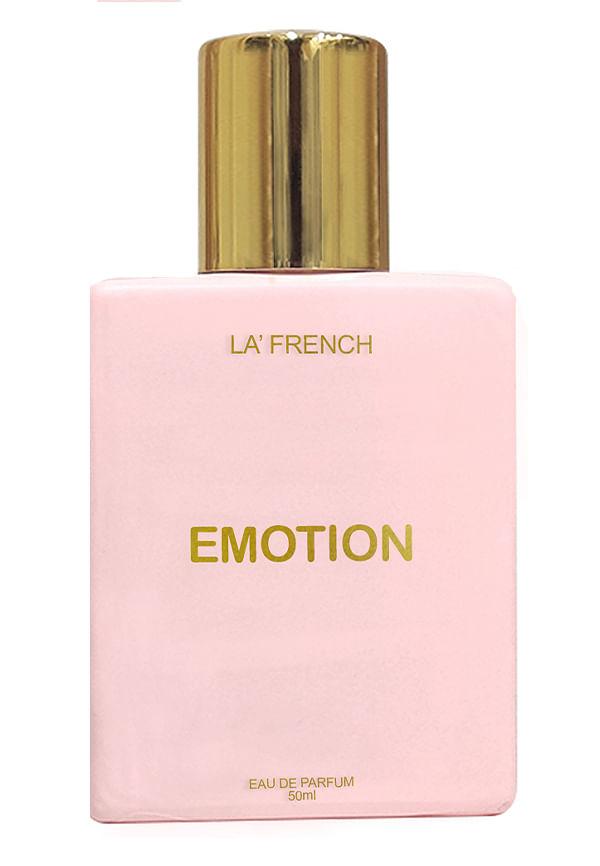
Emotion Long Lasting Elegant and Versatile Fragrance Perfume
Top notes are the initial scents you smell that last 15 minutes to 2 hours. Middle notes emerge next and form the heart of the fragrance for 2-4 hours. Base notes are the foundation that lasts 4+ hours and provide longevity.
Give a fragrance at least 2-4 hours to fully develop before making a decision. This allows you to experience all three note layers and see how they work with your skin chemistry. Trial packs available on Smytten make this testing process much easier and more affordable.
Not typically. While there might be some overlap during transitions, the notes are designed to emerge sequentially. You'll mainly smell top notes first, then middle notes, then base notes, though some blending occurs during the transitions.
Individual skin chemistry affects how fragrance notes develop. Factors like skin pH, natural oils, diet, and even hormones can influence how notes smell and how long they last on your skin.
Perfume accords are harmonious blends of different notes that work together to create a specific scent impression. For example, a 'green accord' might blend grass, cucumber, and mint notes to create an overall fresh, natural effect.
Understanding the pyramid helps you predict how a fragrance will evolve throughout the day. If you love fresh scents, focus on the top and middle notes. If you prefer long-lasting, rich fragrances, pay attention to the base notes.
Understanding fragrance notes transforms you from someone who just likes or dislikes a scent to someone who can predict, analyse, and choose fragrances strategically. The three-tier system isn't just perfume jargon - it's a practical tool for making better fragrance decisions.
Remember that the best way to understand how notes work is through experience. Don't just read about bergamot or sandalwood - actually smell them in different combinations. Pay attention to how fragrances change throughout the day, and start noticing which note families you're naturally drawn to.
The world of fragrance notes might seem complex at first, but it's really about understanding how scents tell their story over time. Whether you're exploring fresh citrus top notes or rich woody base notes, the key is finding combinations that speak to you personally. Smytten makes this exploration easier with trial packs from over 1,500 trusted fragrance brands, letting you experience how different notes develop on your skin before committing to full-size purchases. With 100% cashback on trials and authentic brand-verified minis available across India, you can truly try it all and discover your perfect scent profile. After all, why settle for maybe when you can experience the complete fragrance journey from top to base notes?
