Fragrance Note Pyramid FAQ: Understanding Scent Notes Explained


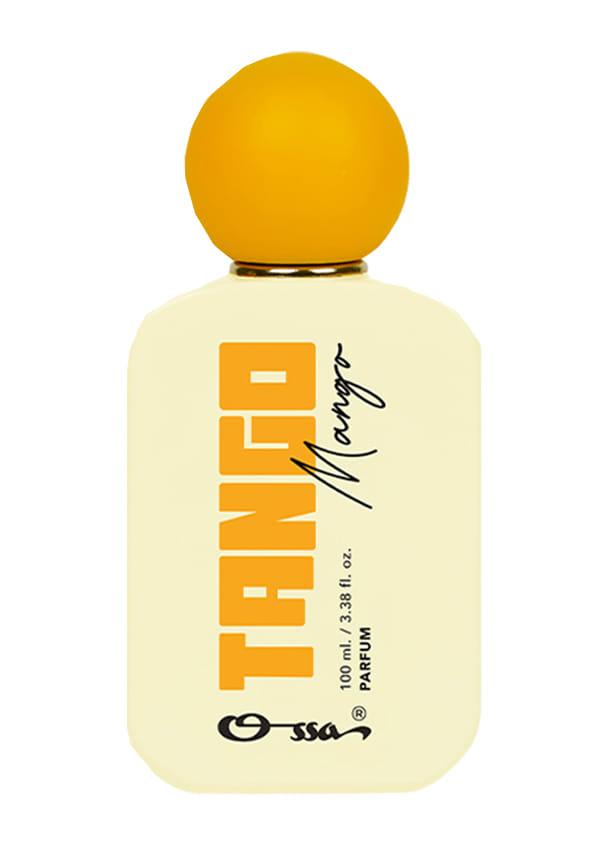
TANGO MANGO PARFUM
Ever sprayed a perfume and wondered why it smells completely different after a few hours? That's the magic of the fragrance note pyramid at work. Understanding how perfumes are structured can transform your entire fragrance game—from choosing scents that actually suit you to knowing exactly what to expect as your perfume develops throughout the day. Whether you're exploring new fragrances on Smytten or building your signature scent collection, knowing how to read fragrance notes is your secret weapon for making smarter choices.
TL;DR
The fragrance note pyramid has three layers: top notes (first 30 minutes), heart notes (30 minutes to 4 hours), and base notes (4+ hours)
Perfume composition typically follows a 30/50/20 ratio for top/heart/base notes
Understanding fragrance families helps you predict how a scent will develop on your skin
Reading perfume notes properly involves testing the fragrance over several hours, not just the initial spray
The pyramid structure explains why some fragrances smell amazing in the bottle but different on your skin
A fragrance note pyramid is essentially the blueprint of any perfume. Think of it as a three-tier cake where each layer reveals itself at different times. This triangular structure isn't just fancy marketing—it's based on the actual science of how different aromatic compounds evaporate at different rates.
The pyramid concept exists because perfume molecules have varying weights and volatility levels. Lighter molecules (like citrus oils) evaporate quickly and hit your nose first, while heavier molecules (like sandalwood or musk) stick around for hours. This creates a natural progression that perfumers have learned to orchestrate into a beautiful scent journey.
Fragrance composition follows this pyramid because it mirrors how we naturally experience smell. When you first spray a perfume, you're getting the full blast of those volatile top notes. As they fade, the heart notes emerge to carry the main theme of the fragrance. Finally, the base notes provide the lasting foundation that lingers on your skin.
This layered approach to perfume structure allows perfumers to tell a story through scent. It's why a fragrance can start fresh and citrusy, develop into something floral and romantic, then settle into something warm and sensual. Each phase serves a purpose in creating a complete olfactory experience.
Let's break down each layer of the pyramid and what makes them tick. Understanding these layers is crucial for reading perfume notes like a pro.
Top notes are the opening act of any fragrance—they're what you smell immediately after spraying. These notes typically last between 5 to 30 minutes and include lighter, more volatile ingredients like citrus fruits (bergamot, lemon, grapefruit), herbs (basil, mint), and aldehydes (those sparkling, soapy-clean scents).
The reason top notes fade so quickly is simple physics. These molecules are small and light, so they evaporate rapidly. They're designed to grab your attention and make that crucial first impression, but they're not meant to stick around.
Also called middle notes, the heart notes emerge as the top notes fade and typically last 30 minutes to 4 hours. This is where the main character of the fragrance lives. Heart notes often include florals (rose, jasmine, lavender), fruits (apple, peach, berries), and spices (cinnamon, cardamom, black pepper).
Heart notes make up about 50% of the total fragrance composition, which is why they're considered the 'heart' of the scent. They bridge the gap between the initial excitement of top notes and the lasting comfort of base notes.
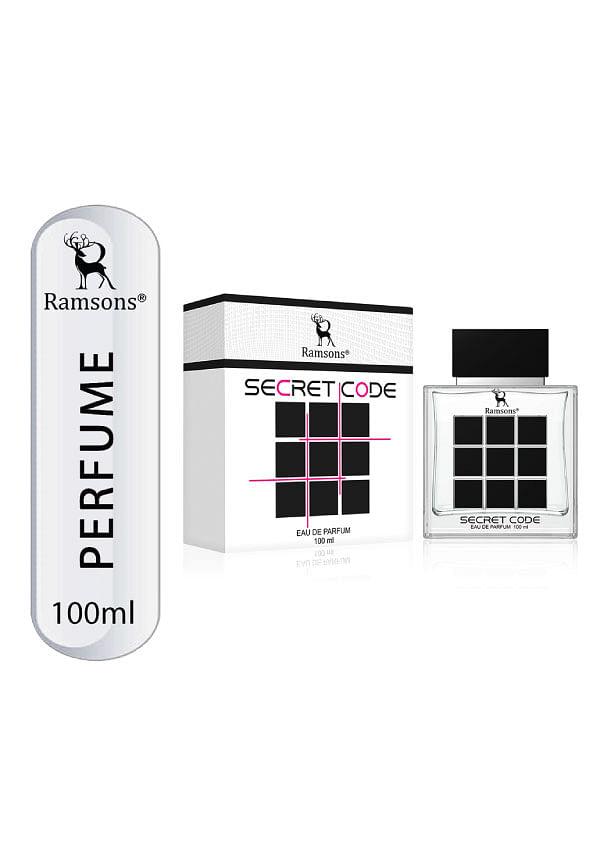
Secret Code - Eau De Parfum
Good & Pleasant Fragrance
 4
4“Good Fragrance and pleasant smell”
Base notes are the heavy hitters that can last 4 to 8 hours or even longer. These include woods (sandalwood, cedar, oud), resins (amber, benzoin), musks, and vanilla. Base notes provide depth, richness, and longevity to the fragrance.
These notes have larger, heavier molecules that evaporate slowly. They're what you'll still smell on your clothes the next day and what creates the 'dry down'—that final phase of how a fragrance settles on your skin.
Reading perfume notes is more than just scanning the ingredient list on a bottle. It's about understanding how those notes will interact and develop over time on your specific skin chemistry.
Start by identifying the fragrance family—is it floral, oriental, woody, or fresh? This gives you a roadmap of what to expect. Floral fragrances will likely have prominent heart notes, while woody fragrances will shine in the base notes.
First, spray the fragrance on your wrist and immediately note the top notes. Wait 15 minutes and smell again—you should start detecting the heart notes emerging. After an hour, check the dry down to experience the base notes.
Don't make the mistake of judging a fragrance solely on its opening. Some of the most beautiful perfumes have unremarkable top notes but develop into something stunning in the heart and base.
When brands list fragrance notes, they're usually organised by pyramid level, though not always clearly labelled. Look for patterns—citrus and herbs typically indicate top notes, florals and fruits suggest heart notes, and woods and musks point to base notes.
Pay attention to note combinations within each level. Complementary notes (like rose and patchouli) create harmony, while contrasting notes (like bergamot and vanilla) create interesting tension and complexity.
Professional perfumers often follow a rough 30/50/20 ratio when creating fragrances. This means approximately 30% top notes, 50% heart notes, and 20% base notes. This ratio isn't set in stone, but it creates a balanced fragrance that develops beautifully over time.
Understanding this ratio helps explain why some fragrances feel 'top-heavy' (too much citrus that fades quickly) or 'bottom-heavy' (overwhelming base notes that dominate from the start). Well-balanced fragrances follow this general guideline to ensure each phase of the scent journey feels proportional.
When you're exploring perfume layering, this ratio becomes crucial. You want to layer fragrances that complement each other across all three levels, not just the top notes you smell initially.
This knowledge also helps when you're building a fragrance wardrobe. You might choose a citrus-heavy fragrance for daytime (emphasising those fresh top notes) and a base-note-rich fragrance for evening (focusing on longevity and depth).

Secret Code Gift Pack
Now that you understand the theory, let's talk about putting this knowledge to work. Understanding fragrance notes can completely change how you shop for and wear perfumes.
When testing fragrances, give yourself at least two hours to experience the full pyramid. Many people make the mistake of choosing a fragrance based solely on the top notes, only to discover they don't like how it develops. This is especially important when you're trying new scents through trial packs.
Use pyramid knowledge to create a well-rounded collection. You might want a fresh, top-note-dominant fragrance for morning, a balanced heart-note fragrance for day wear, and a rich, base-note fragrance for evening.
Consider how different pyramids work for different seasons. Light, citrusy pyramids work beautifully in summer, while rich, woody pyramids are perfect for winter months.
Fragrances with prominent base notes will generally last longer and project more. If you see lots of woods, musks, or resins in the base, expect good longevity. Fragrances heavy on top and heart notes might smell amazing initially but fade more quickly.
Perfume layering becomes much more successful when you understand note compatibility. Layer fragrances that share similar base notes for harmony, or choose complementary note families for interesting complexity.
One major misconception is that you can only smell one layer at a time. In reality, there's often overlap between layers, and you might detect hints of heart and base notes even in the opening moments of a fragrance.
Another myth is that expensive fragrances always have better pyramid structures. While quality ingredients matter, some affordable fragrances are beautifully composed, and some luxury fragrances can feel unbalanced. The key is understanding what works for your preferences and skin chemistry.
Some people think linear fragrances (those that smell the same from start to finish) are inferior to complex pyramids. Actually, linear fragrances can be quite sophisticated—they're just designed differently, with all notes appearing simultaneously rather than in sequence.
Synthetic notes aren't necessarily inferior to natural ones in terms of pyramid performance. Many modern synthetics are designed to behave predictably within the pyramid structure, sometimes performing more consistently than natural ingredients.
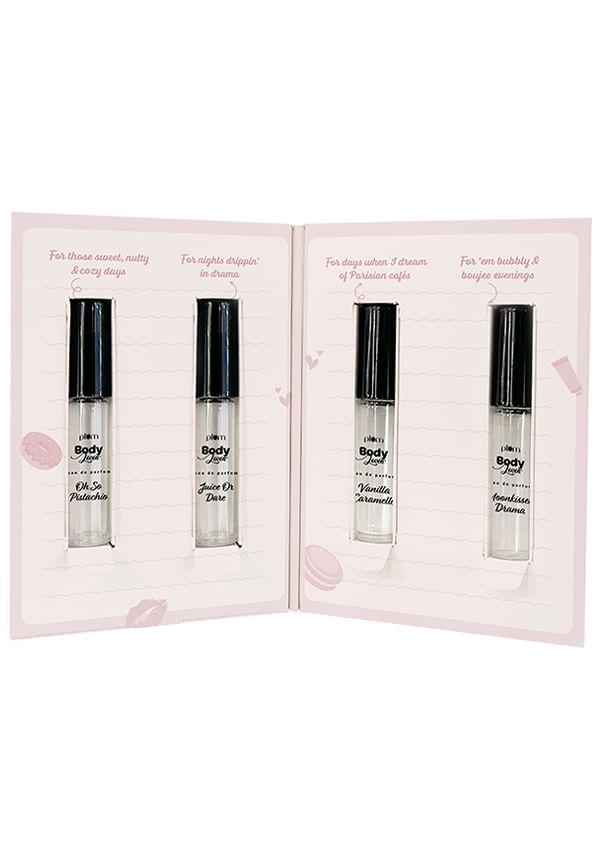
Pocket Diary Perfume Discovery Set
Great Perfumes, Needs More Quantity
5“my favourite perfumes together , it is just that the quality is less, it should be at least 5ml per bottle.”
Great Perfumes, Needs More Quantity
5“my favourite perfumes together , it is just that the quality is less, it should be at least 5ml per bottle.”
Great Perfumes, Needs More Quantity
5“my favourite perfumes together , it is just that the quality is less, it should be at least 5ml per bottle.”
A fragrance note pyramid is a visual representation of how a perfume unfolds over time, with three layers: top notes (immediate impression), heart notes (main character), and base notes (lasting foundation). To read it, test the fragrance over several hours, noting how it changes from the initial spray to the final dry down.
Top notes typically last 5-30 minutes, heart notes emerge after 15-30 minutes and last 2-4 hours, while base notes can persist for 4-8 hours or longer, depending on the specific ingredients and your skin chemistry.
Yes, there's often overlap between layers. You might catch hints of heart and base notes even in the opening, and top notes can linger while heart notes emerge. The pyramid represents the dominant notes at each stage, not exclusive phases.
Not necessarily. While quality ingredients can enhance a fragrance's development, price doesn't guarantee a well-balanced pyramid. Some affordable fragrances are expertly composed, while some luxury perfumes might feel unbalanced. Focus on how the fragrance develops rather than the price tag.
When exploring trial packs, apply the fragrance and track its development over several hours. Note how each layer unfolds and whether you enjoy the complete journey, not just the initial impression. This helps you make informed decisions about full-size purchases.
Fragrance families (floral, woody, oriental, fresh) categorise perfumes by their overall character, while note pyramids show the specific structure and timing of how individual notes appear. A woody fragrance family will typically have wood notes in the base of its pyramid.
Your skin's pH, temperature, and natural oils can amplify or diminish certain notes, potentially altering how the pyramid develops. Oily skin tends to make fragrances last longer and project more, while dry skin might cause faster evaporation of top notes.
Understanding the fragrance note pyramid transforms you from a casual perfume user into an informed fragrance enthusiast. The three-layer structure—top, heart, and base notes—isn't just perfume marketing; it's the fundamental architecture that creates the scent journey you experience throughout the day.
Remember that reading perfume notes requires patience. Give fragrances time to develop, test them over several hours, and pay attention to how they change on your skin. The most beautiful fragrances often reveal their true character in the heart and base notes, not just the initial spray.
Use this knowledge to build a more thoughtful fragrance collection. Consider how different pyramids serve different occasions, seasons, and moods. And don't forget that the best way to understand fragrance composition is through hands-on experience—try different scent families and note combinations to develop your personal preferences.
Mastering the art of reading fragrance notes opens up a whole new world of scent appreciation. Whether you're exploring fresh citrus pyramids for summer or rich oriental compositions for winter evenings, understanding how fragrances develop helps you make choices you'll actually love long-term. Smytten's trial packs make this exploration risk-free—you can experience how different pyramids unfold on your skin before committing to full-size bottles. With over 1,500 trusted fragrance brands available on Smytten, from niche discoveries to beloved classics, you can try before you buy and build a fragrance wardrobe that truly reflects your style. The platform's 100% cashback on trials means you're not just learning about fragrance pyramids—you're investing in your fragrance education. After all, why settle for maybe when you can explore India's largest minis collection and discover your perfect scent match through authentic, brand-verified trials?
