Eau De Parfum vs Eau De Toilette India: Which Lasts Longer?
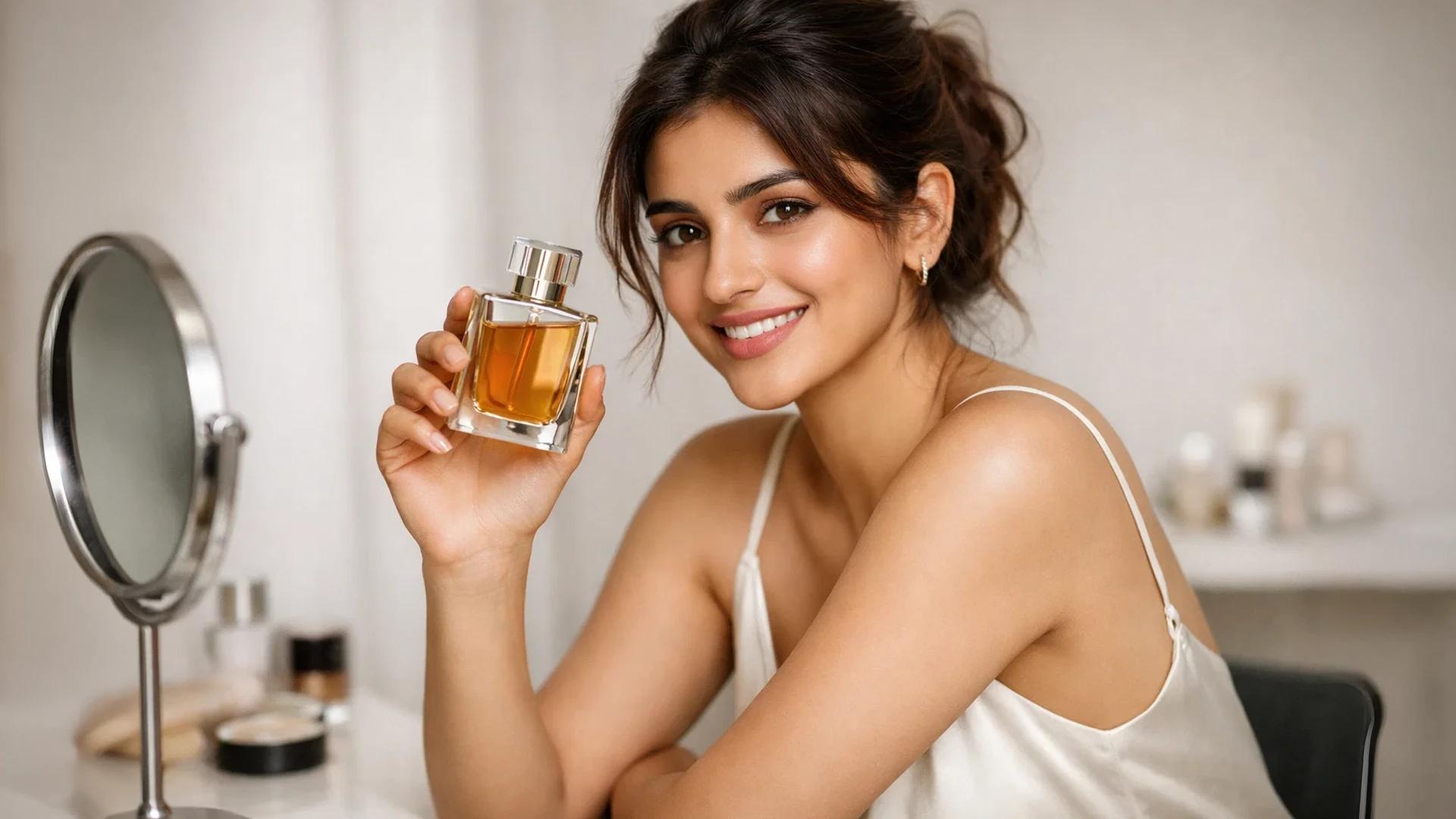

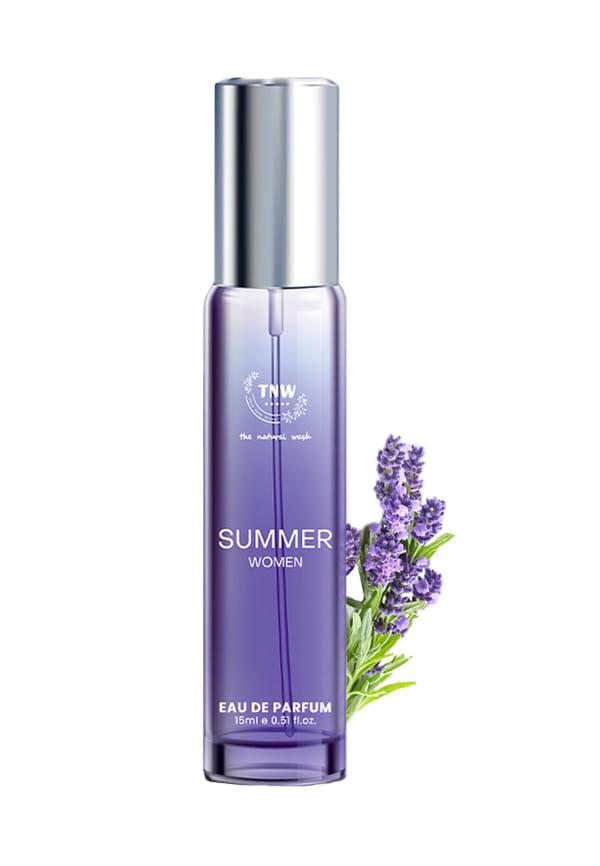
Summer Eau De Parfum Lightens Up Mood & gives Long Lasting Freshness 15 ml (perfume for women)
Let's be real—standing in the fragrance aisle can feel overwhelming. You've got bottles labelled Eau de Parfum, Eau de Toilette, and you're wondering which one's actually worth your money. The eau de parfum vs eau de toilette india debate isn't just about fancy French names. It's about finding a scent that'll stick around through Mumbai's humidity or Delhi's heat without breaking the bank. Whether you're after something that lasts through your 9-to-5 or a signature scent for special occasions, understanding these perfume types can save you from buyer's remorse.
Here's the thing about fragrance concentration—it's basically the percentage of aromatic oils mixed with alcohol and water. Think of it like your chai: more tea leaves mean stronger flavour, and more fragrance oils mean a more intense, longer-lasting scent. The concentration determines everything from how long your perfume lasts to how much you'll end up spending.
Most perfume types fall into these categories based on their oil concentration. Parfum or Extrait sits at the top with 20-30% oils, followed by Eau de Parfum at 15-20%, Eau de Toilette at 5-15%, and Eau de Cologne at 2-5%. Body mists usually contain even less, around 1-3%.
In India's climate, this concentration becomes even more important. Higher oil content means your fragrance won't disappear the moment you step into that 40-degree heat. The alcohol evaporates quickly in our weather, but those precious oils? They're what keep your scent going strong.
When it comes to eau de parfum vs eau de toilette, the differences go way beyond just the fancy names on the bottle. Let's break down what actually matters for your daily life.
Eau de Parfum packs 15-20% fragrance oils, which translates to about 6-8 hours of wear time. Eau de Toilette contains 5-15% oils and typically lasts 3-5 hours. That's the difference between applying once in the morning versus needing a midday touch-up.
EDP creates a more intimate scent bubble around you—people notice it when they're close. EDT tends to be lighter and more refreshing, perfect for those who prefer subtlety. Think of EDP as your cosy sweater and EDT as your breezy cotton tee.
Here's where it gets interesting for your wallet. EDPs cost more upfront—sometimes 20-30% more than EDTs. But when you calculate cost per wear, EDPs often win because you need fewer applications and the bottle lasts longer.
Let's talk about the elephant in the room—India's weather isn't exactly fragrance-friendly. Between the humidity, heat, and monsoons, your long lasting perfume needs to be a real fighter to survive.
In our climate, Eau de Parfum definitely takes the crown for longevity. The higher oil concentration means it doesn't evaporate as quickly when you're dealing with 80% humidity or stepping out into 45-degree heat. EDTs, while lovely and fresh, tend to fade faster in these conditions.
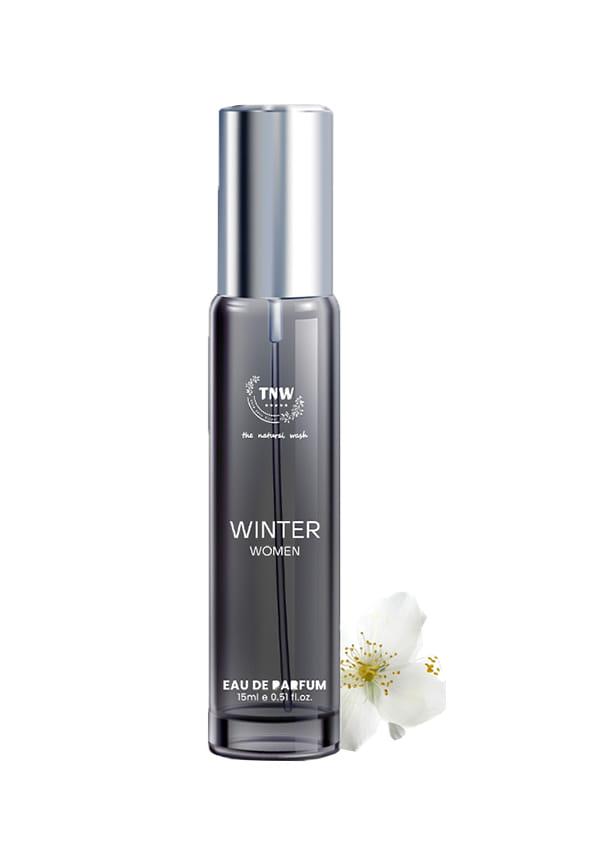
Winter Eau De Parfum Refreshes Up Mood & gives Long Lasting Freshness 15 ml (perfume for women)
Summer months: Go for lighter EDTs during the day—they won't feel overwhelming in the heat. Save your EDPs for air-conditioned spaces or evening events.
Monsoon season: This is when EDPs shine. The humidity actually helps fragrances last longer, and you'll appreciate that extra staying power when you can't reapply easily.
Winter months: Perfect time for rich EDPs. The cooler, drier air means fragrances don't project as much, so you can go bolder without overwhelming anyone.
Keep your bottles away from direct sunlight and heat. That bathroom shelf might seem convenient, but the temperature changes from hot showers can mess with your fragrance. A cool, dark cupboard works best.
Choosing between EDP and EDT isn't just about concentration—it's about matching your fragrance to your lifestyle. The best perfume for women or best perfume for men really depends on when and where you'll be wearing it.
EDTs are your friend here. They're professional without being overpowering, and they won't linger in meeting rooms or small spaces. Fresh, clean scents work best—think citrus, light florals, or subtle woods.
This is EDP territory. You want something that'll last through dinner, dancing, and late-night conversations. Richer notes like vanilla, amber, or deep florals work beautifully in EDP concentrations.
For everyday Indian life—commuting, running errands, casual hangouts—EDT often makes more sense. It's lighter, more budget-friendly for regular use, and you won't feel guilty about reapplying.
Here's the thing—fragrance doesn't really have gender rules anymore. But traditionally, women's fragrances in EDP form tend to feature florals, fruits, and sweet notes, while men's EDPs lean towards woods, spices, and fresh aromatics. Choose what makes you feel confident, regardless of the marketing.
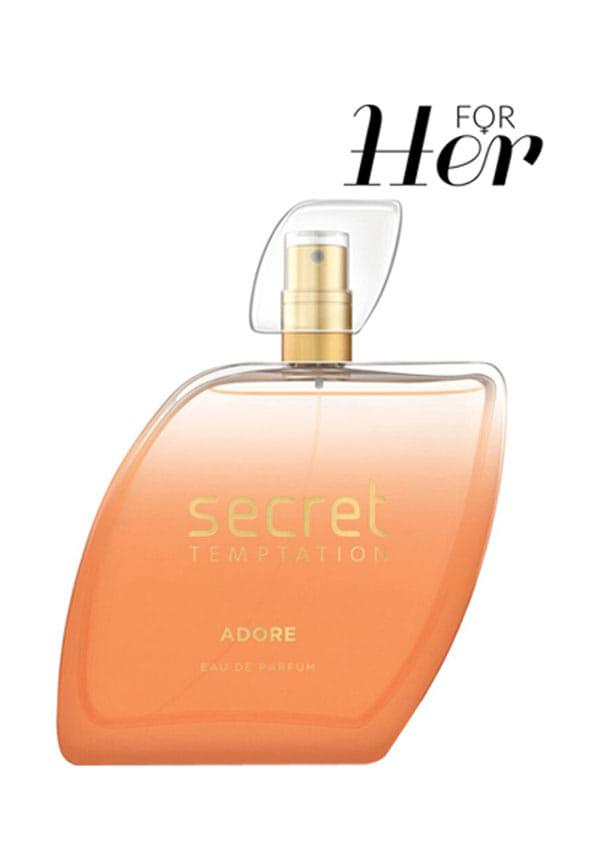
Adore Eau De Parfum
The fragrance guide doesn't end with just these two options. Understanding the full spectrum helps you make smarter choices based on your needs and budget.
The luxury option with 20-30% concentration. These can last 8-12 hours and are perfect for special occasions. They're pricey but incredibly long-lasting.
Light, fresh, and perfect for quick refreshers. With only 2-5% oils, they last about 2 hours but are great for hot days or when you want just a hint of scent.
The budget-friendly option that's perfect for layering or when you want something super light. Great for gym bags or quick touch-ups.
Don't sleep on Indian perfumes like attars and ittars. These oil-based fragrances often last longer than alcohol-based ones and work beautifully in our climate. They're concentrated, long-lasting, and often more affordable than international brands.
Making the right choice between EDP and EDT isn't just about reading labels—it's about understanding your skin, lifestyle, and budget. Here's your practical fragrance guide for smart shopping.
If you have oily skin, fragrances tend to last longer and project more. You might prefer EDTs to avoid overwhelming yourself or others. Dry skin absorbs fragrance quickly, making EDPs a better investment since they'll actually stick around.
Calculate cost per wear rather than just the bottle price. An EDP at ₹3,000 that lasts 8 hours might be better value than an EDT at ₹2,000 that only gives you 4 hours. Factor in how often you'll use it too.
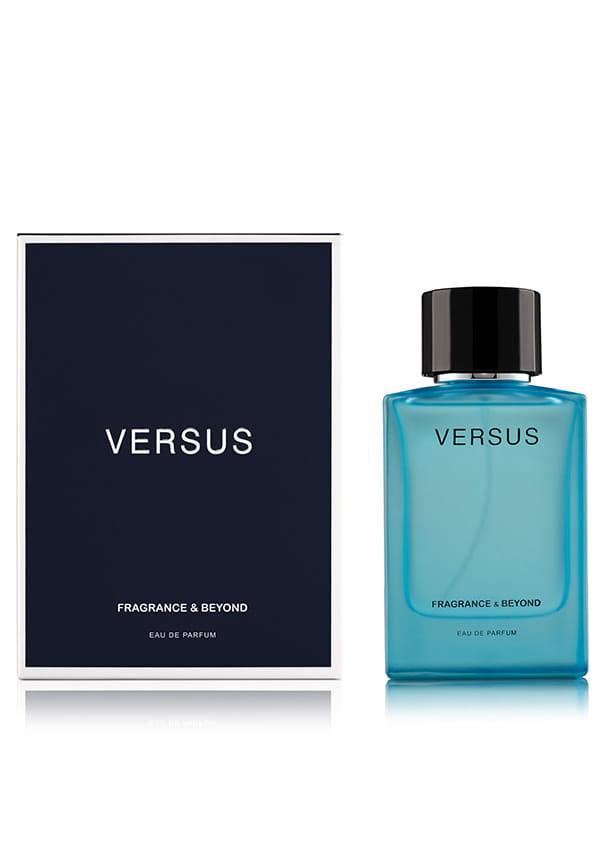
Versus Eau De Parfum For Men
Always test on your skin, not on paper strips. Spray on your wrist, wait 30 minutes, then smell again. This shows you how the fragrance develops on your skin chemistry. Don't test more than 3 fragrances at once—your nose gets confused.
This is where platforms like Smytten become incredibly valuable. Instead of committing to a full-size bottle and potentially regretting it, you can try mini versions of fragrances from trusted brands. With over 1,500 brands available and trial packs starting at just ₹249 for up to 8 minis, you can explore different concentrations and scent families without the financial risk. Plus, the 100% cashback on trial purchases means you're essentially getting to test products for free.
It depends on your needs. EDP lasts longer (6-8 hours) and has richer scent, making it better for special occasions or if you prefer not reapplying. EDT is lighter, more refreshing, and better for daily wear or office environments. Consider your lifestyle, budget, and how strong you like your fragrance.
Apply to pulse points like wrists, neck, and behind ears. Moisturise your skin first—fragrance lasts longer on hydrated skin. Layer with matching body lotion or apply petroleum jelly to pulse points before spraying. Store your bottle properly and don't rub your wrists together after applying.
Absolutely, but choose lighter scents for daytime. Fresh, citrusy, or light floral EDPs work well for day wear. Avoid heavy, sweet, or intense scents during office hours. In Indian climate, apply sparingly during hot days and more generously in air-conditioned spaces.
EDPs typically cost 20-30% more than EDTs due to higher fragrance oil concentration. However, since EDPs last longer, the cost per wear often evens out. A ₹3,000 EDP lasting 8 hours gives better value than a ₹2,000 EDT lasting 4 hours if you use fragrance daily.
Fragrances generally last longer on clothes because fabric holds scent molecules better than skin. However, skin allows the fragrance to develop and change over time, showing different notes. For best results, apply to both skin (for development) and clothes (for longevity), but test on fabric first to avoid staining.
Yes, look for fragrances labelled hypoallergenic or those with fewer synthetic ingredients. Natural or organic fragrances often cause fewer reactions. EDTs generally contain less fragrance oil, which might be gentler for sensitive skin. Always patch test new fragrances on a small skin area first.
The eau de parfum vs eau de toilette india debate really comes down to your personal style, budget, and how you live your life. If you're someone who loves rich, long-lasting scents and doesn't mind investing a bit more, EDP is your match. If you prefer lighter, more versatile fragrances that won't overwhelm in our climate, EDT might be perfect.
The beauty of exploring fragrances today is that you don't have to commit blindly to expensive full-size bottles. With Smytten's trial platform, you can discover your perfect concentration and scent family through curated mini-sized products from over 1,500 trusted brands. Whether you're drawn to international fragrances or want to explore Indian perfumes, the platform makes it easy to try different options without the financial commitment. After all, why settle for 'maybe' when you can try it all and find what truly works for your skin, lifestyle, and the unique demands of Indian weather?
