“it's veŕŕrrrrrrrrrrrrrrry good and smell it's good”
Heena Chadha22 Mar 2025
Ever stood in the fragrance aisle feeling completely lost between cologne and perfume bottles? You're not alone. The cologne vs perfume difference isn't just about fancy marketing terms—it's about finding what actually works for your lifestyle, budget, and scent preferences. Whether you're team fresh-and-light or love-a-scent-that-lasts-all-day, understanding these fragrance types will help you make choices that actually make sense. Let's break down everything you need to know about cologne vs perfume, from concentration levels to when each one hits different.
What's the Real Difference Between Cologne and Perfume?
Real talk—the cologne vs perfume difference comes down to one major factor: how much fragrance oil is actually in that bottle. It's not about whether it's meant for men or women (that's just marketing), but about the concentration of essential oils that create the scent.
The difference between cologne and perfume lies in these concentration levels, and they directly impact everything from how long your fragrance lasts to how much you'll pay for it. Think of it like coffee strength—some people want a light brew, others need that strong espresso kick.
Fragrance Oil Concentration Breakdown
Here's where things get interesting. Each fragrance type has a specific concentration range:
• Perfume (Parfum): 15-40% essential oils—the strongest option available
• Eau de Parfum (EDP): 15-20% oil concentration—your premium middle ground
• Eau de Toilette (EDT): 5-15% oil concentration—the everyday favourite
• Cologne (Eau de Cologne): 2-5% essential oils—light and refreshing
Why Concentration Matters for Your Fragrance Experience
These numbers aren't just technical jargon—they directly affect your daily fragrance experience. Higher concentrations mean stronger scent projection, so people will notice your fragrance from further away. They also interact differently with your skin chemistry, creating unique scent profiles that develop throughout the day.
The cost implications are pretty straightforward too. More fragrance oil equals higher prices, but also better value per wear since you need less product and fewer reapplications.
Cologne vs Perfume Strength: Longevity and Performance Comparison
Let's get into the nitty-gritty of cologne vs perfume strength. This is where your lifestyle really comes into play—are you someone who wants to spritz and forget, or do you prefer touching up throughout the day?
The strength difference isn't just about intensity; it's about how these fragrances perform in real-world situations. Your morning meeting, that lunch date, evening plans—each fragrance type handles these differently.
How Long Each Fragrance Type Actually Lasts
Here's what you can realistically expect from each concentration:
•
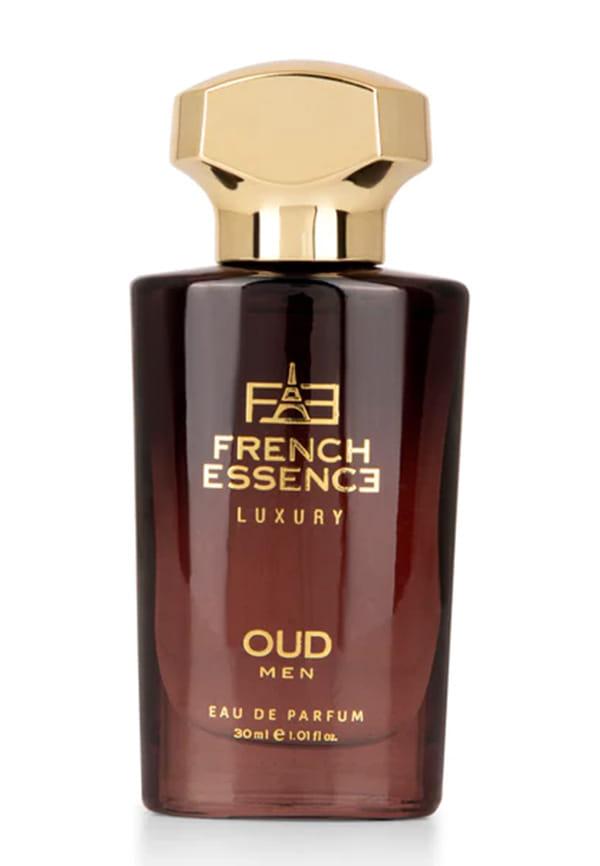
4.3|(30 ml)
French Essence
Luxury Perfume For Men - Oud
₹ 19910 % OFF
₹ 179
Reviews from genuine users
Husband liked the perfume
5
“perfume bahut acha hai mere husband ho pasand aaya”
Anshika Mehra17 Feb 2026
Positive Product Feedback
4
“nice fragrance and nice packaging”
Swapna Kumari19 Aug 2025
Great Products
5
“good products every Buddy can use”
Jasmeet Kaur22 Nov 2024
Perfume longevity: 6-8+ hours of noticeable wear time, sometimes lasting into the next day
• Eau de Parfum duration: 4-6 hours of solid performance
• Eau de Toilette performance: 3-5 hours before you need a refresh
• Cologne duration: 2-4 hours requiring reapplication for all-day wear
Factors That Affect Fragrance Longevity
Your skin type plays a huge role in how long any fragrance lasts. Oily skin tends to hold scents longer, while dry skin might need more frequent applications. Weather conditions matter too—heat amplifies fragrance but also makes it fade faster, while cooler temperatures help scents last longer but project less.
Application technique can make or break your fragrance game. Pulse points, moisturised skin, and avoiding rubbing after application all help maximise performance regardless of concentration.
Fragrance Types and Notes: Understanding Scent Profiles
The fragrance notes in cologne vs perfume tell completely different stories. It's not just about strength—it's about complexity and how the scent unfolds throughout your day.
Colognes typically keep things simple and fresh, while perfumes can take you on a complete olfactory journey from first spray to final dry-down.
Common Cologne Characteristics
Colognes love citrus and fresh ingredients. Think bergamot, lemon, lime, and orange creating that instant wake-up-and-feel-fresh vibe. They often include herbs like lavender, rosemary, or mint for that clean, uncomplicated scent profile.
The beauty of cologne lies in its simplicity—what you smell initially is pretty much what you get throughout the wear time. No complex evolution, just consistent freshness.
Perfume Complexity and Depth
Perfumes are the storytellers of the fragrance world. They unfold in layers—top notes that hit you first, middle notes that form the heart of the scent, and base notes that linger for hours.
This complexity means your perfume might smell completely different after two hours compared to the initial spray. Floral top notes might give way to spicy middle notes, finishing with warm, woody base notes that create your signature scent trail.
Perfume vs Cologne for Men: Breaking Gender Stereotypes
Let's address the elephant in the room—the whole "cologne is for men, perfume is for women" thing. This is mostly cultural conditioning, especially in certain regions, rather than any actual rule about fragrance types.
Modern fragrance choices are about personal preference, not gender labels. Some men prefer the intensity and longevity of perfume, while others love the fresh simplicity of cologne.
Modern Men's Fragrance Choices
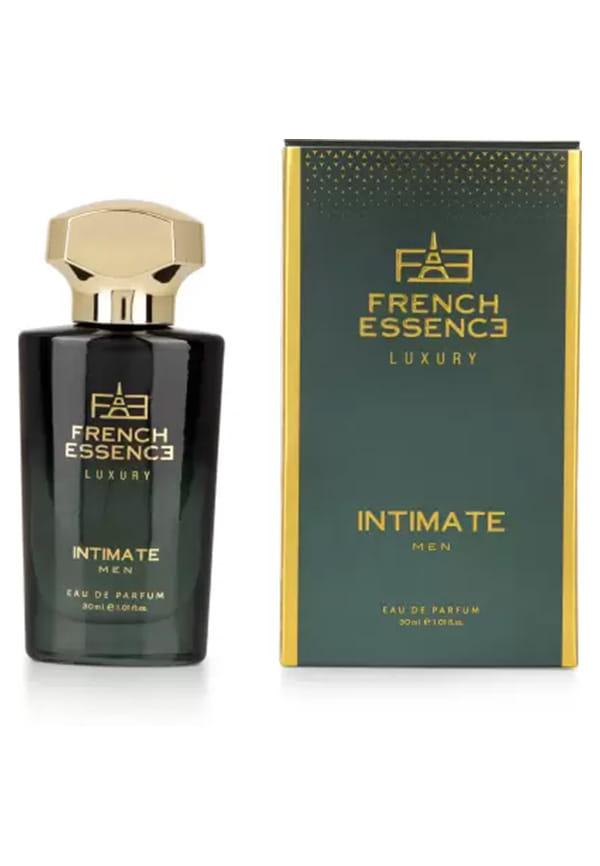
4.3|(30 ml)
French Essence
Luxury Perfume For Men - Intimate
₹ 19910 % OFF
₹ 179
Reviews from genuine users
Super Excellent Products
5
“Super exlent products iam using i want more”
Nisha Gupta04 May 2025
Amazing Product
5
“the product is amazing, worth the money”
Bharti Sharma19 Mar 2025
Many men are gravitating towards higher concentrations for practical reasons. If you're in back-to-back meetings or long work days, perfume vs cologne for men often comes down to convenience—one application versus multiple touch-ups.
Intensity preferences vary wildly among men. Some prefer subtle scents that only people close to them can detect, while others want their fragrance to make a statement from across the room.
Cultural Perceptions vs Reality
In many countries, "cologne" simply means men's fragrance regardless of actual concentration. This naming convention can be confusing when you're trying to understand actual fragrance types.
The reality is that fragrance strength and composition matter more than traditional gender marketing. Choose based on your scent preferences, lifestyle needs, and budget—not outdated stereotypes.
Perfume vs Cologne for Women: Finding Your Signature Scent
Women's fragrance choices often revolve around versatility and occasion-appropriate scenting. The perfume vs cologne for women debate usually centres on lifestyle factors rather than scent preferences alone.
Many women build fragrance wardrobes that include both lighter and stronger options for different situations and seasons.
When Women Choose Cologne Over Perfume
Summer heat and humid climates make lighter fragrances more appealing. Cologne's fresh, citrusy profile works brilliantly when you want to smell clean and put-together without overwhelming yourself or others.
Budget considerations play a role too. Cologne offers an affordable way to enjoy quality fragrances daily without the investment that perfumes require.
Perfume Benefits for Women's Fragrance Wardrobe
For special occasions and evening wear, perfume's complexity and longevity create memorable scent experiences. The investment value makes sense when you consider cost-per-wear over time.
Busy lifestyles often favour perfume's staying power. One morning application can carry you through work, dinner, and evening plans without touch-ups.
When to Use Cologne vs Perfume: Practical Application Guide
Choosing between cologne and perfume isn't about picking a team—it's about matching fragrance types to your actual life. Different situations call for different scent strategies.
Think about your typical day, the seasons you love certain scents, and how you want fragrance to fit into your routine.
Best Occasions for Cologne
Daily office environments often work better with lighter fragrances that won't overwhelm colleagues in close quarters. Cologne's subtle projection makes it workplace-appropriate.
Hot weather and summer months practically demand lighter concentrations. Heavy perfumes can become cloying in heat, while cologne stays fresh and comfortable.
Quick refresh situations throughout the day are where cologne shines. Keep a small bottle in your bag for post-gym or pre-dinner touch-ups.
Perfect Perfume Moments
Special occasions and evening events deserve the complexity and longevity that perfume provides. Date nights, weddings, celebrations—these moments call for memorable scents.
Cooler weather enhances perfume's performance while preventing it from becoming overwhelming. Autumn and winter are perfume seasons.
All-day events requiring lasting power make perfume the practical choice. Conferences, travel days, long celebrations—one application handles it all.
Building a Complete Fragrance Wardrobe
Seasonal rotation strategies help you get the most from different fragrance types. Light colognes for summer, rich perfumes for winter, with eau de toilette and eau de parfum bridging the gaps.
Budget allocation across different concentrations lets you enjoy variety without breaking the bank. Invest in one quality perfume for special occasions, supplement with affordable colognes for daily wear.
Eau de Toilette vs Eau de Parfum: The Middle Ground Options
Sometimes the cologne vs perfume choice feels too extreme. That's where eau de toilette vs eau de parfum comes in—these middle-ground options offer compromise solutions for different needs.
These concentrations bridge the gap between cologne's lightness and perfume's intensity, giving you options that work for various situations without committing to extremes.
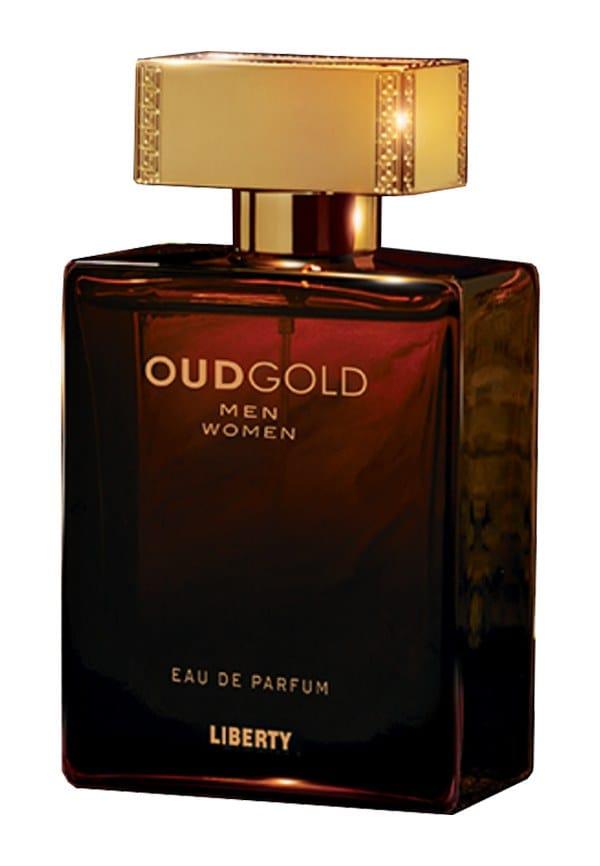
5.0|(100 ml)
Liberty Lifestyle
Oudgold Men & Women
₹ 3299
Reviews from genuine users
One of the best products
5
“one of the best product that smytten has to offer”
Aamani Akshantala14 Nov 2024
EDT: The Everyday Compromise
Eau de toilette hits that sweet spot for daily wear. With 5-15% concentration, it offers more presence than cologne without perfume's intensity. Most people find EDT comfortable for office environments and casual social situations.
The 4-6 hour wear time means you might need one touch-up for all-day coverage, but it's not the constant reapplication that cologne requires.
EDP: Premium Performance
Eau de parfum delivers 6-8 hours of solid performance with 15-20% concentration. It's the best-of-both-worlds approach—perfume's longevity with slightly less intensity.
For many people, EDP becomes their signature concentration because it works across seasons and occasions while offering good value for money.
Frequently Asked Questions
Which is better, perfume or cologne?
Neither is inherently better—it depends on your lifestyle, preferences, and budget. Perfume offers longevity and complexity, while cologne provides freshness and affordability. Consider when and how you want to wear fragrance to make the best choice for you.
Should men use perfume or cologne?
Men can absolutely use perfume if they prefer stronger, longer-lasting fragrances. The choice should be based on personal preference, occasion, and desired intensity rather than outdated gender conventions. Many modern men prefer perfume for its convenience and performance.
Is cologne and perfume the same thing?
No, they differ primarily in fragrance oil concentration. Cologne contains 2-5% essential oils, while perfume contains 15-40%. This affects longevity, intensity, and price. However, some regions use "cologne" as a general term for men's fragrances regardless of concentration.
What is cologne used for?
Cologne is perfect for daily wear, hot weather, office environments, and situations where you want a light, fresh scent. It's also great for people who prefer subtle fragrances or need budget-friendly options for regular use.
How do I choose between cologne and perfume?
Consider your lifestyle needs: Do you want all-day wear or don't mind reapplying? Prefer subtle or noticeable scents? What's your budget? Match these factors to concentration levels and you'll find your perfect fragrance type.
Can you layer cologne and perfume?
Yes, but carefully. Start with the lighter concentration as a base, then add the stronger one sparingly. Make sure the scent profiles complement each other. This advanced technique works best with fragrances from the same brand or similar scent families.
Final Thoughts
The cologne vs perfume difference ultimately comes down to understanding what works for your life. Whether you're drawn to cologne's fresh simplicity or perfume's complex longevity, the key is trying different options to discover your preferences.
Smytten makes this exploration incredibly easy and affordable. As India's largest product discovery platform, Smytten offers curated trial packs from over 1,500 trusted fragrance brands, letting you experience different concentrations and scent profiles before committing to full-size purchases. With trial minis available for just ₹249 and 100% cashback redeemable for future orders, you can explore cologne vs perfume options without the usual financial risk. The platform's extensive fragrance category means you can try everything from light colognes to intense perfumes, helping you build the perfect fragrance wardrobe based on actual experience rather than guesswork. After all, why settle for maybe when you can try it all and find your perfect scent match?

 5
5