Aldehydic Fragrances FAQ: Your Scent Questions Answered


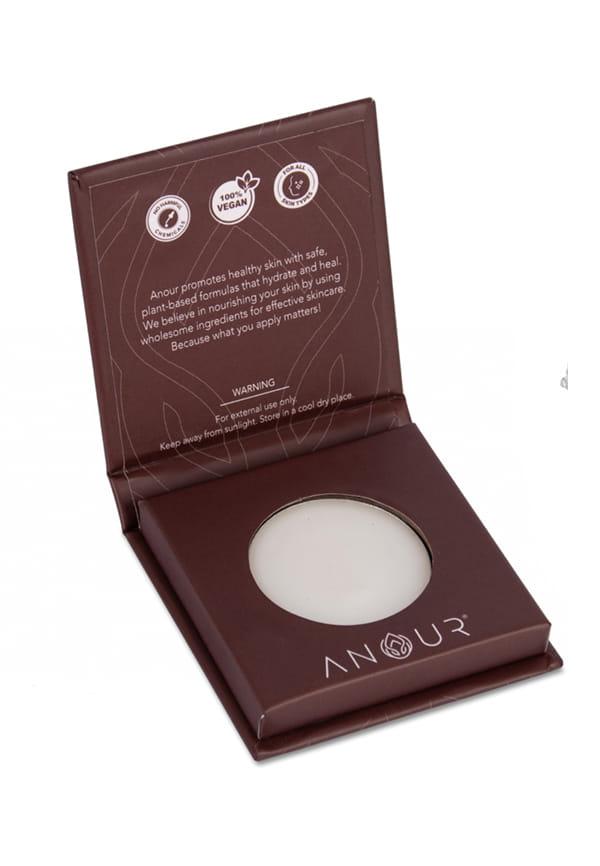
Forest Oak Alcohol Free Solid Perfume
Ever caught a whiff of something that made you think "fresh laundry meets sparkly magic"? That fizzy, almost carbonated scent that lifts other notes and makes them pop? You've probably encountered aldehydic fragrances without even knowing it. These synthetic compounds have been quietly revolutionising perfumery for decades, adding that distinctive sparkle to everything from iconic classics to modern favourites. Whether you're curious about that soapy-clean vibe in your favourite scent or wondering what makes certain perfumes smell so crisp and bright, understanding aldehydic fragrances opens up a whole new world of scent appreciation. With platforms like Smytten offering trial packs of various fragrances, exploring these unique scent profiles has never been easier.
Aldehydic fragrances use synthetic compounds that create fizzy, soapy, or metallic scent effects
They smell like fresh laundry, carbonated bubbles, or clean linen depending on concentration and type
Different aldehyde notes range from lemony-citrus to creamy-coconut characteristics
Famous examples include Chanel No. 5, which revolutionised perfumery with aldehydes C10, C11, and C12
These synthetic fragrances are safe when used within regulatory limits and add sparkle to fragrance families
Let's get real about what aldehydic perfume actually means. Aldehydes are synthetic aromatic compounds that work like scent amplifiers, making other fragrance notes pop and sparkle. Think of them as the highlighter of the perfume world—they don't just add their own scent, they make everything else glow brighter.
Unlike natural fragrance compounds extracted from flowers or fruits, aldehydes are created in laboratories. But before you wrinkle your nose at "synthetic fragrances," remember that synthetic doesn't mean inferior. These perfume ingredients often provide more consistent, longer-lasting results than their natural counterparts.
Aldehydes work as aromachemical amplifiers, boosting the projection and longevity of other notes. They were first introduced to perfumery in the early 1900s and completely changed the game. Before aldehydes, perfumes were softer and more muted. After their introduction, fragrances could achieve that bright, sparkling quality we associate with modern perfumery.
The aldehydic fragrance characteristics are quite distinctive once you know what to sniff for. Picture the scent of freshly ironed clothes mixed with a hint of metallic sparkle—that's your classic aldehydic signature. But the smell can vary dramatically based on concentration and specific aldehyde types used.
At lower concentrations, aldehydes might smell soapy and clean, like expensive hotel towels. Crank up the concentration, and you get that fizzy, almost carbonated quality that makes your nose tingle. Some people describe it as smelling like the air after lightning strikes—crisp, electric, and somehow charged with energy.
What makes aldehydic scents so recognisable is their "sparkly" quality. They add effervescence to perfume scent descriptions, creating that fresh-out-of-the-shower cleanliness that's both comforting and sophisticated.
The beauty of aldehydes lies in their versatility. Light touches create subtle cleanliness, while heavier doses deliver that signature metallic brightness that cuts through other notes like a knife through butter.
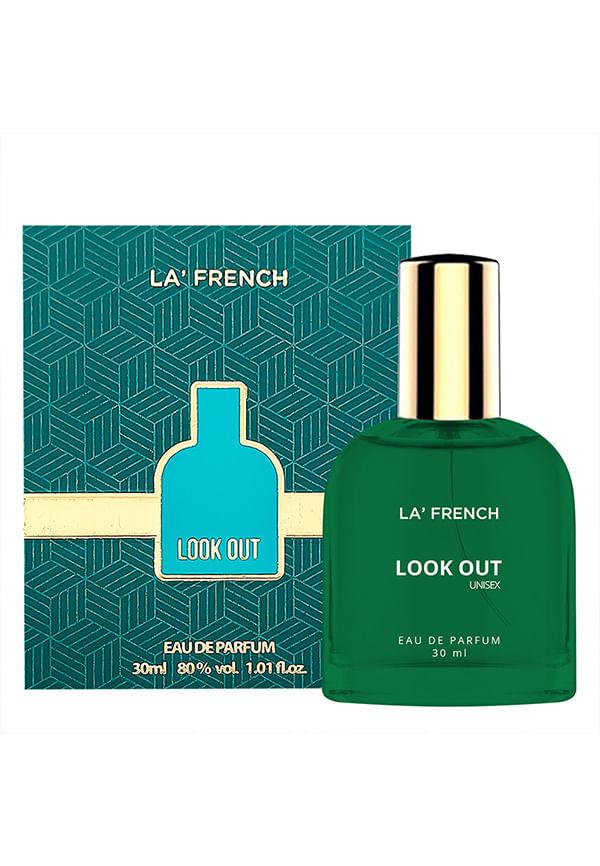
Look Out Perfume Men & Women
Not all aldehyde notes are created equal. Different types bring completely different vibes to the fragrance party. Understanding these variations helps you identify what you're actually smelling and what might become your next signature scent.
The most common types of perfume notes in the aldehydic family include fatty aldehydes, citrus aldehydes, and floral aldehydes. Each brings its own personality to the mix, creating different effects depending on how they're blended.
These beauties combine the sparkle of aldehydes with the romance of flowers. Floral aldehydes create that perfect balance between fresh and feminine, adding brightness without overwhelming delicate floral notes.
Think lemony brightness with an extra zing. Citrus aldehydes smell like fresh citrus peels with a metallic edge, creating that wake-up-and-smell-the-sunshine effect that's perfect for morning wear.
These are the heavy hitters of the aldehyde world. C10 brings waxy, orange-peel vibes. C11 adds that classic soapy cleanliness. C12 delivers metallic brightness that can cut through the heaviest base notes.
This one's special. At low concentrations, Aldehyde C-18 smells creamy and milky, like expensive moisturiser. Bump up the concentration, and hello coconut paradise. It's like having a tropical holiday in a bottle.
When talking about aldehydic perfumes, we have to start with the queen herself: Chanel No. 5. This iconic fragrance didn't just use aldehydes—it made them famous. Created in 1921, it was revolutionary for its time, using aldehydes C10, C11, and C12 to create that unmistakable sparkle that still turns heads today.
But Chanel No. 5 isn't the only player in the aldehydic game. Many vintage perfume ingredients featured aldehydes prominently, creating a whole category of "aldehydic florals" that dominated mid-century perfumery. These fragrances shared that clean, sophisticated vibe that made them perfect for the modern woman of their era.
Today's perfumers haven't forgotten about aldehydes. Modern interpretations often use them more subtly, creating contemporary fragrances that nod to the classics while feeling fresh and current.
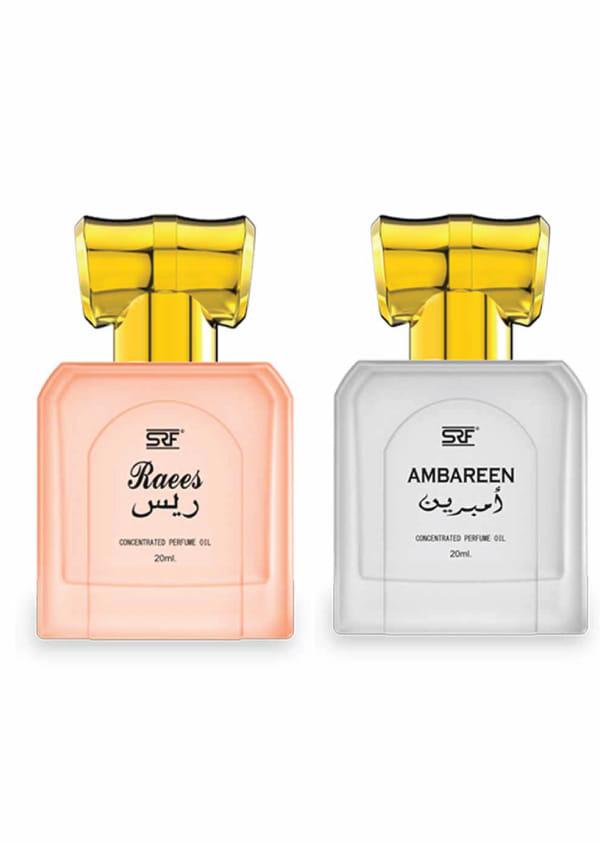
Srf Raees & Srf Ambareen Concentrated Perfume Oil
You don't need to splash out on designer bottles to experience great aldehydic fragrances. Many affordable options capture that signature sparkle, making these sophisticated scents accessible to everyone.
Let's address the elephant in the room: are synthetic fragrances safe? The short answer is yes, when used properly. Aldehydes used in perfumery undergo rigorous safety testing and are regulated by international fragrance safety organisations.
The concentration of aldehydes in commercial perfumes is carefully controlled to ensure safety while maintaining their scent impact. These perfume ingredients have been used for over a century with an excellent safety record when used as intended.
Fragrance safety organisations set strict limits on aldehyde concentrations in consumer products. These limits are based on extensive research and are designed to prevent any potential adverse effects.
While rare, some people may experience sensitivity to certain aldehydes. This is no different from potential reactions to natural fragrance ingredients like citrus oils or floral extracts.
Want to become an aldehydic fragrance detective? Start by training your nose to recognise that distinctive sparkle. When testing fragrances, look for that initial fizzy burst that makes other notes seem brighter and more defined.
The best way to appreciate aldehydic fragrances is through comparison. Try aldehydic and non-aldehydic versions of similar scent profiles to understand what these compounds actually contribute to the overall composition.
When sampling aldehydic perfumes, give them time to develop. The aldehydic sparkle is often most prominent in the opening, but watch how it interacts with other notes as the fragrance evolves.
Aldehydic fragrances work beautifully on their own, but they also layer well with softer, more romantic scents. Try pairing them with vanilla or sandalwood for an interesting contrast between sparkle and warmth.
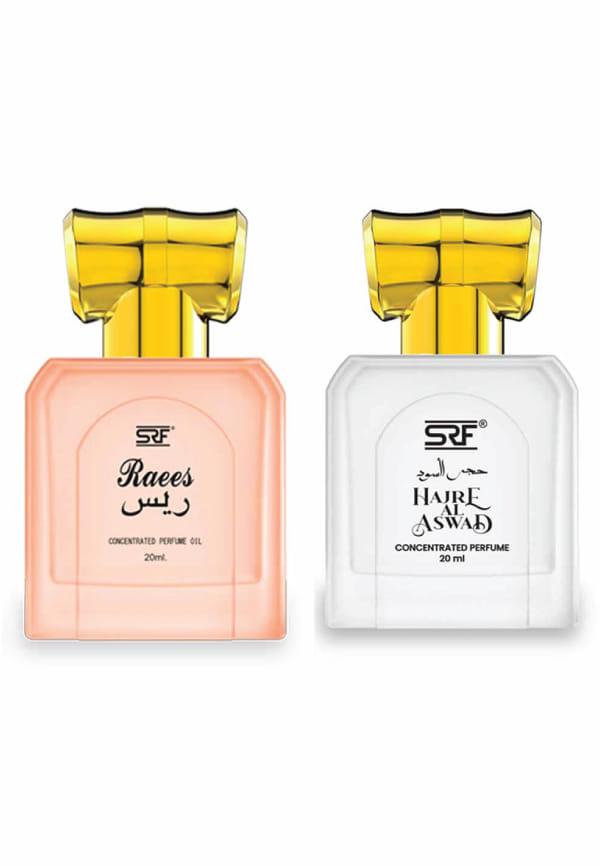
Srf Raees & Srf Hajre Al Aswad Concentrated Perfume Oil
An aldehydic smell is characterised by a fizzy, carbonated quality that amplifies other fragrance notes. It can range from soapy and metallic to lemony and bright, often described as adding a "sparkly" or fresh laundry-like quality to perfumes. The scent varies based on concentration and specific aldehyde types used.
Aldehyde C-18 has a concentration-dependent scent profile. At low concentrations, it smells creamy and milky, like expensive moisturiser. At medium to higher concentrations, it produces an unmistakable coconut aroma that can transport you to a tropical paradise.
Chanel No. 5 features aldehydes C10, C11, and C12, which create its iconic sparkling, soapy-floral character. These specific aldehydes revolutionised the perfume industry when the fragrance launched in 1921, setting the standard for aldehydic florals.
Aldehydes used in perfumery are generally safe when used within regulatory concentration limits. They undergo extensive safety testing and are approved for cosmetic use by international fragrance safety organisations. The concentration in commercial perfumes is carefully controlled to ensure both safety and scent impact.
Aldehydic fragrances use synthetic aldehyde compounds to create fizzy, metallic, or soapy effects that amplify other notes. Floral fragrances focus primarily on flower-derived scents. Floral aldehydes combine both elements, using aldehydes to enhance and brighten floral notes for increased projection and sparkle.
Absolutely! Trial packs available on Smytten let you explore different aldehydic fragrances without committing to full-size purchases. This is particularly helpful for understanding how aldehydic notes work with your skin chemistry before investing in a larger bottle.
Aldehydic fragrances offer a unique scent experience that bridges the gap between clean freshness and sophisticated complexity. Understanding what aldehydic perfumes are and how they smell helps you make more informed fragrance choices and appreciate the artistry behind modern perfumery.
Whether you're drawn to the iconic sparkle of classics like Chanel No. 5 or prefer modern interpretations of aldehydic themes, these synthetic fragrances offer something special. The key is understanding that aldehydes aren't just about the scent they add—they're about how they make everything else smell better.
Remember that fragrance is deeply personal, and what smells like sophisticated sparkle to one person might smell too soapy to another. The beauty of aldehydic fragrances lies in their versatility and the way they can completely transform a fragrance composition with just a few drops.
Exploring aldehydic fragrances is like discovering a secret language of scent—once you understand it, you'll notice these sparkling notes everywhere. The world of fragrance families becomes so much richer when you can identify and appreciate the role aldehydes play in creating those memorable, sophisticated scents that make heads turn.
Smytten makes discovering your perfect aldehydic fragrance easier than ever with curated trial packs from over 1,500 trusted brands. You can explore different aldehyde notes and fragrance characteristics through authentic brand-verified minis, getting up to 8 trials for just ₹249. With 100% cashback on trials redeemable for future purchases, you can experiment with various aldehydic perfumes risk-free. Whether you're curious about vintage-inspired aldehydic florals or modern interpretations, trial before you buy on Smytten and discover which aldehydic fragrance might just become your signature scent. After all, why settle for wondering when you can try it all?
