9 Sleep-Inducing Scents for Ultimate Relaxation

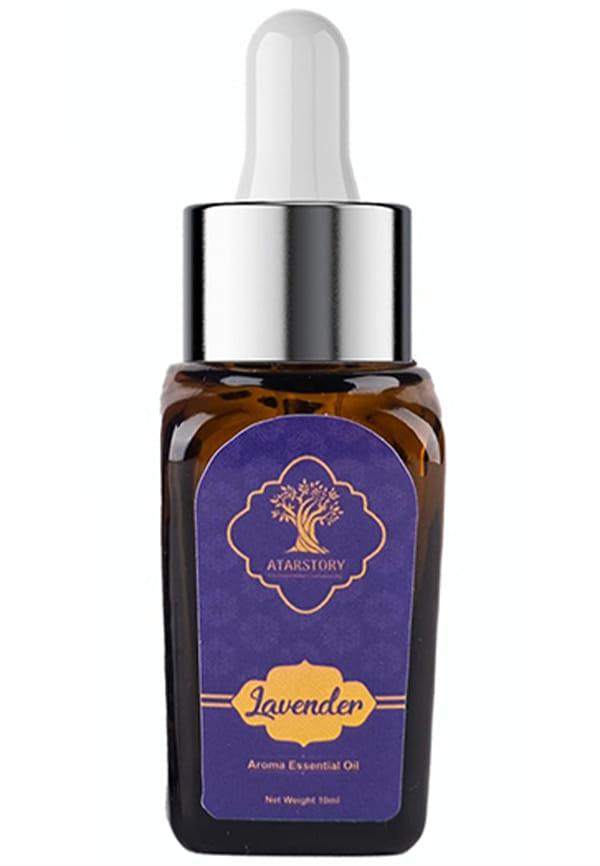
Pure Aroma Essential Oil for Diffuser,(Lavender)
Ever found yourself tossing and turning at 2 AM, your mind racing despite feeling physically exhausted? You're definitely not alone. While we often focus on sleep hygiene basics like screen time and caffeine, there's one powerful tool that's been helping people drift off peacefully for centuries: fragrances that promote sleep and relaxation. From ancient Egyptian temples burning frankincense to your gran's lavender sachets tucked under pillows, humans have long understood that certain scents can transform our mental state and guide us toward restful slumber. The science behind this isn't just folklore—it's backed by real research showing how specific aromas can lower cortisol levels, slow heart rate, and activate the parasympathetic nervous system. Whether you're dealing with work stress, travel fatigue, or just want to upgrade your bedtime routine, the right sleep-inducing scents can be your ticket to better rest. Ready to discover which fragrances might just become your new bedtime essential? Let's explore nine scientifically-backed scents that could transform your nights, and see what's available on Smytten to help you trial the perfect sleep companion.
TL;DR
Nine proven sleep-inducing scents including lavender, chamomile, and jasmine can significantly improve sleep quality through their effects on the nervous system
Essential oils and calming aromatherapy work by activating olfactory receptors that connect directly to brain areas controlling stress and sleep
Different application methods like diffusers, pillow sprays, and roll-ons offer varying levels of effectiveness for bedtime fragrances
Natural sleep aids fragrance options are safer and often more effective than synthetic alternatives for long-term use
Creating a consistent aromatherapy routine with soothing smells can train your brain to associate specific scents with sleep time
Your nose is basically a direct hotline to your brain's emotional control centre. When you breathe in sleep-inducing scents, molecules travel through your olfactory system straight to the limbic system—the part of your brain that handles emotions, memories, and yes, stress responses. This isn't some mystical process; it's pure biology working in your favour.
Research suggests that certain scents for stress relief can reduce cortisol levels by up to 30% within just 15 minutes of exposure. That's your body's main stress hormone taking a proper chill pill. Studies have indicated that patients exposed to lavender aromatherapy showed significantly improved sleep quality scores compared to control groups. The magic happens because these calming fragrances trigger the release of neurotransmitters like serotonin and GABA, which naturally slow down brain activity and prepare your body for rest.
Let's dive into the heavy hitters of the sleep world. These aren't just pleasant smells—they're scientifically-backed natural sleep aids fragrance options that have been helping people catch better Z's for generations.
If sleep scents had a hall of fame, lavender would be the undisputed MVP. This purple powerhouse has been studied more than any other essential oil for sleep, and for good reason. Lavender contains linalool and linalyl acetate—compounds that literally slow down your nervous system. Research found that people who used lavender aromatherapy fell asleep 20% faster and experienced deeper sleep cycles.
Think of chamomile as lavender's gentler cousin. This daisy-like flower contains apigenin, an antioxidant that binds to specific brain receptors to promote sleepiness. Roman chamomile tends to be more potent for aromatherapy for anxiety, while German chamomile offers a milder, sweeter scent that's perfect for sensitive noses.
Here's where things get interesting. While most people associate floral scents with daytime energy, jasmine actually has sedative properties that rival prescription sleep aids. Research showed that jasmine's sweet, intoxicating aroma can improve sleep efficiency and reduce restless movements during the night.
Sandalwood brings that earthy, meditative vibe that's been used in spiritual practices for centuries. Its rich, woody scent contains santalol, which has been shown to reduce wakefulness and promote deeper sleep phases. It's particularly effective when combined with meditation or breathing exercises before bed.
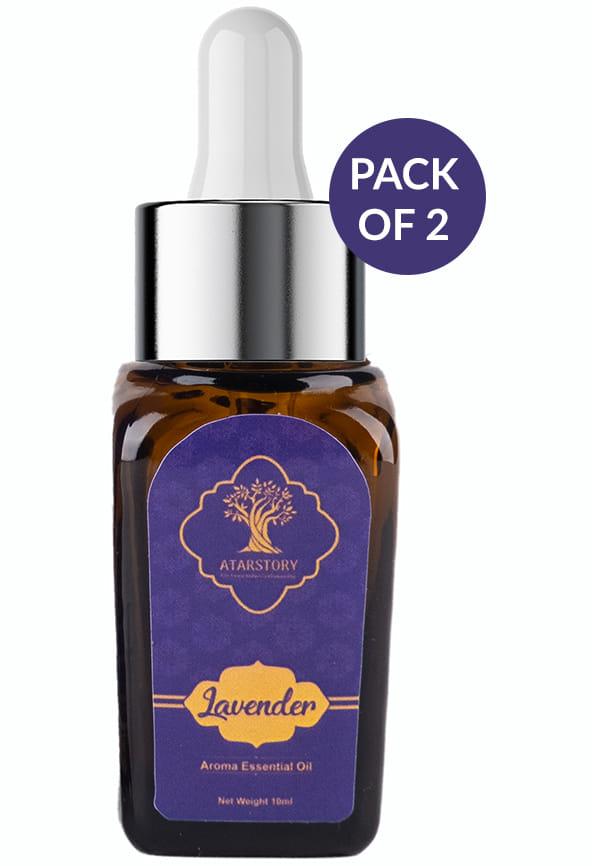
Pure Aroma Essential Oil for Diffuser, (Lavender)
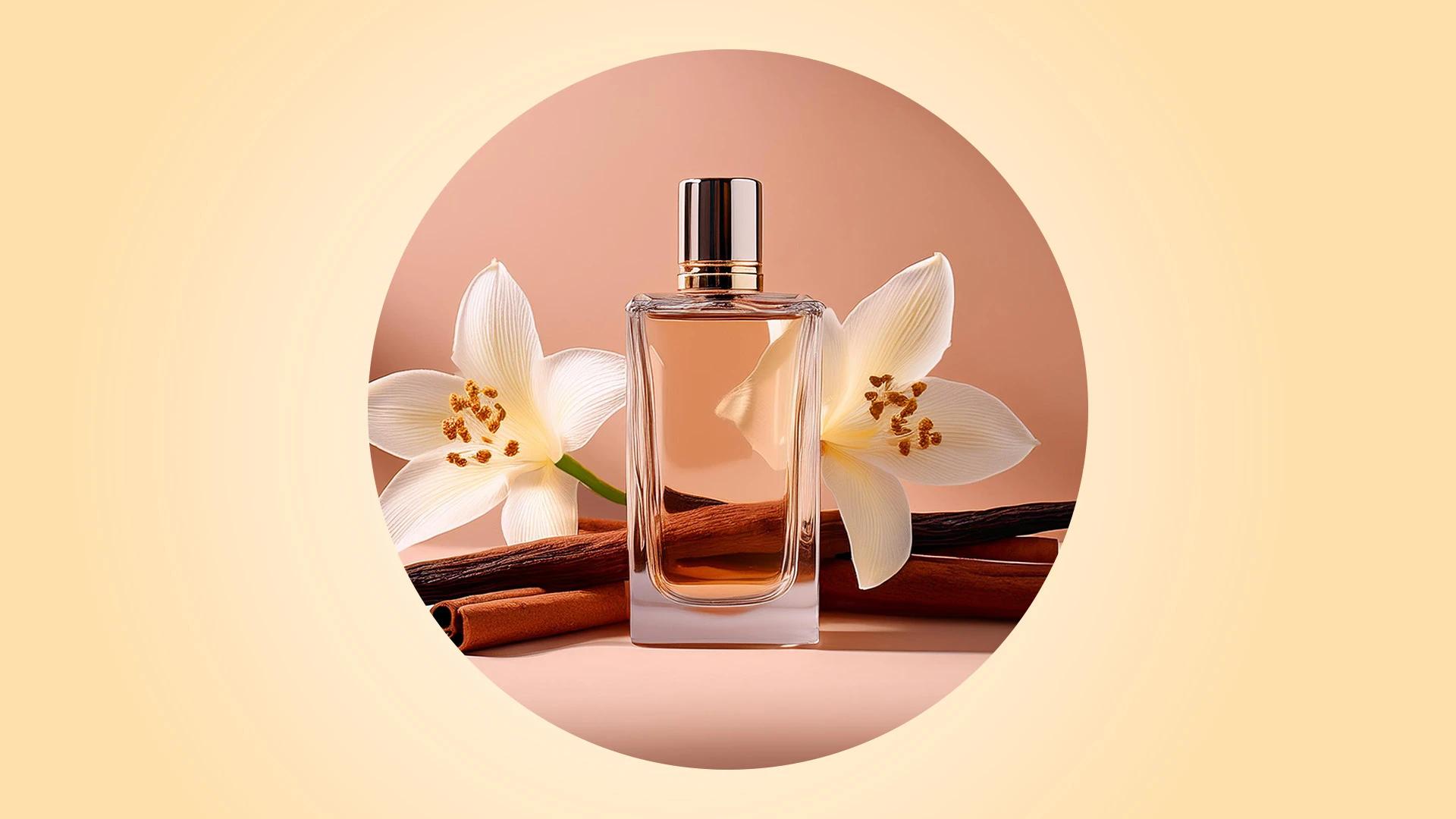
Vanilla isn't just for desserts—it's a legitimate soothing smell that taps into our psychological associations with comfort and safety. The warm, sweet aroma can reduce stress hormones and create that cosy feeling that makes your bed feel like the ultimate sanctuary.
Plot twist: not all citrus scents are energising. Bergamot, the star ingredient in Earl Grey tea, contains unique compounds that actually promote relaxation. It's one of the few citrus essential oils for sleep that can help reduce anxiety without the typical morning-coffee alertness effect.
This tropical flower might have a funny name, but its sleep benefits are no joke. Ylang-ylang can help regulate heart rate and blood pressure, creating the perfect physiological conditions for sleep. Its sweet, slightly spicy scent is particularly effective for people whose sleep issues stem from work stress or relationship anxiety.
Cedarwood brings the calming effects of forest bathing right to your bedroom. Its woody, slightly smoky scent contains cedrol, which has been shown to activate the parasympathetic nervous system—your body's "rest and digest" mode. It's especially helpful for people who find floral scents too intense.
Rose isn't just romantic—it's therapeutic. The complex scent profile of rose essential oil can help balance emotions and reduce the kind of mental chatter that keeps you awake. Different rose varieties offer varying intensities, from the gentle Bulgarian rose to the more robust Damask rose.
Having the right scents is only half the battle—knowing how to use them effectively is where the magic really happens. The key is creating consistent rituals that signal to your brain that it's time to wind down.
Diffusers are your best friend for whole-room aromatherapy. Start your diffuser about 30 minutes before you plan to sleep, using 3-5 drops of your chosen essential oils for sleep. For pillow sprays, mix 10-15 drops of essential oil with 100ml of distilled water in a spray bottle—just remember to shake well before each use since oil and water aren't natural friends.
If you're into topical application, always dilute essential oils with a carrier oil like jojoba or sweet almond oil. A good rule of thumb is 2-3 drops of essential oil per teaspoon of carrier oil. Apply to pulse points like wrists, temples, or the back of your neck about 15 minutes before bed.
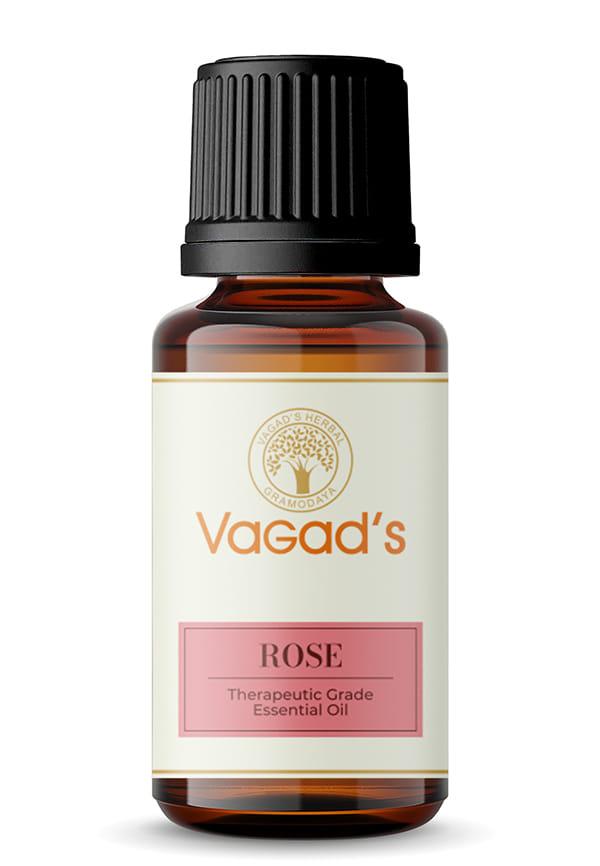
Rose Essential Oil
Too harsh on face
 4
4“I think it's too harsh on my face 😔”
Good, Calming Fragrance
5“Good fragrance,really calming good product”
Good Product
4“good product.....................”
This is where things get a bit tricky. While pure essential oils for sleep are generally more potent and research-backed, some commercial relaxation perfumes can be surprisingly effective—and often more convenient for daily use.
Pure essential oils give you maximum therapeutic benefit because they're concentrated plant extracts without synthetic additives. However, they require more careful handling and dilution. Commercial bedtime fragrances, on the other hand, are pre-blended and ready to use, though they may contain synthetic compounds that could be less effective or potentially irritating for sensitive individuals.
Cost-wise, essential oils often provide better value since a small bottle can last months when used properly. Commercial perfumes might seem cheaper upfront but tend to run out faster with regular use.
Your bedroom should feel like a retreat, not a reminder of your to-do list. Soothing smells are just one piece of the puzzle, but they're a powerful one that can tie your entire sleep environment together.
Consider rotating your scents seasonally—lavender and chamomile work beautifully in summer, while warmer scents like vanilla and sandalwood feel perfect during colder months. The key is consistency within each season so your brain can form strong associations between specific scents and sleep time.
Layer your aromatherapy approach by combining different application methods. You might use a cedarwood diffuser for overall room ambiance, a lavender pillow spray for your bedding, and a vanilla-bergamot roll-on for pulse points. Just avoid going overboard—too many competing scents can actually be stimulating rather than relaxing.
Before you turn your bedroom into an essential oil wonderland, let's talk safety. Essential oils for sleep are generally safe when used properly, but they're potent substances that deserve respect.
Always do a patch test before trying new oils topically. Apply a diluted drop to your inner wrist and wait 24 hours to check for any reactions. Pregnant women should avoid certain oils like jasmine and rose during the first trimester, and always consult healthcare providers before using aromatherapy during pregnancy.
Quality matters enormously with essential oils. Look for brands that provide GC/MS testing results and source information. Cheaper oils might contain synthetic additives or be diluted with carrier oils without proper labelling. Store your oils in dark glass bottles away from heat and light to maintain their therapeutic properties.
Product | Skin Type | Key Benefits | Price Range | Main Ingredients |
|---|---|---|---|---|
PURETIVE Sound Sleep Roll On | All skin types | Sleep improvement, relaxation | Mid-range | Essential oils blend |
PURETIVE Scented Candle SleepTight | All skin types | Sleep environment enhancement | Mid-range | Cedarwood, Lavender, Sandalwood |
ORGANIX MANTRA Bulgarian Lavender Oil | All, sensitive skin | Relaxation, stress relief, sleep quality | Mid-range | 100% pure lavender essential oil |
SAGE APOTHECARY Cedarwood Essential Oil | All, oily, acne-prone skin | Anti-inflammatory, antibacterial, scalp care | Budget-friendly | 100% pure cedarwood essential oil |
SOULFLOWER Lavender Bath Salt | All skin types | Muscle relaxation, sleep quality, stress relief | Mid-range | Lavender essential oil, bath salt crystals |
The most effective sleep-inducing scents include lavender, chamomile, jasmine, sandalwood, vanilla, bergamot, ylang-ylang, cedarwood, and rose. These have been scientifically proven to reduce stress hormones and promote deeper sleep cycles.
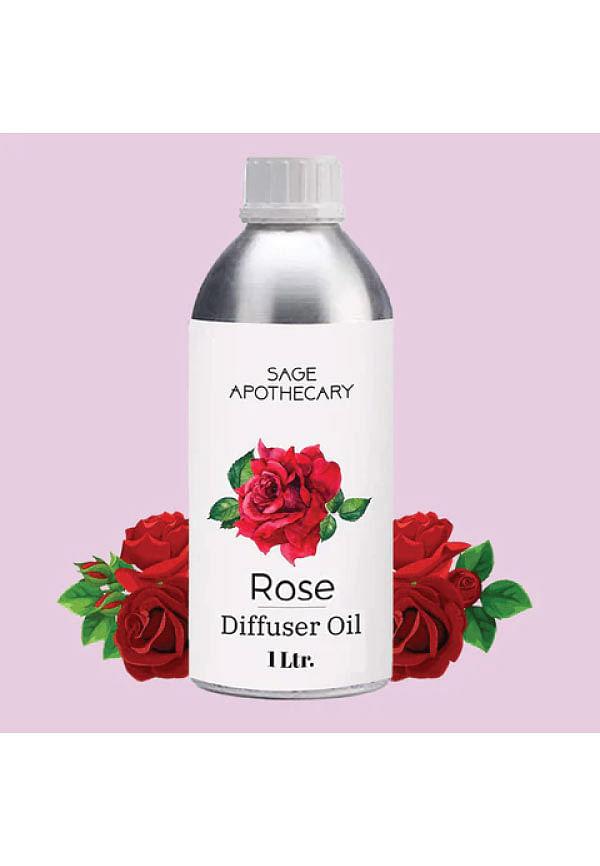
Rose Diffuser Oil
Lavender is typically the fastest-acting option, with studies showing people fall asleep 20% faster when exposed to lavender aromatherapy. Roll-on applications to pulse points tend to work quicker than diffusers for immediate effects.
Natural sleep aids fragrance options like pure lavender, chamomile, and sandalwood essential oils are more effective than synthetic alternatives. These contain naturally occurring compounds that directly affect brain chemistry related to sleep and relaxation.
Yes, but stick to complementary combinations like lavender-vanilla or chamomile-bergamot. Smytten offers various calming essential oil blends that you can trial before committing to full-size products, making it easier to find your perfect sleep scent combination.
Most people notice effects within 15-30 minutes of exposure. Topical applications work fastest, followed by direct inhalation, then room diffusion. Consistency is key—using the same scent nightly trains your brain to associate it with sleep time.
Look for bedtime fragrances containing lavender, vanilla, sandalwood, or bergamot as main notes. Avoid anything with strong citrus (except bergamot), mint, or spicy elements that might be too stimulating for evening use.
The world of sleep-inducing scents offers a natural, effective way to improve your sleep quality without relying on medications or expensive gadgets. From the scientifically-proven benefits of lavender to the surprising calming effects of bergamot, these nine fragrances can transform your bedtime routine into a proper wind-down ritual.
Remember that consistency is crucial—your brain needs time to form associations between specific scents and sleep. Start with one or two essential oils for sleep that appeal to you, experiment with different application methods, and give each approach at least a week to show results. Quality matters, so invest in pure, properly sourced oils rather than synthetic alternatives.
Most importantly, aromatherapy works best as part of a comprehensive sleep hygiene approach. Combine your chosen soothing smells with other good sleep practices like consistent bedtimes, cool room temperatures, and screen-free wind-down time for maximum effectiveness.
Finding your perfect sleep scent doesn't have to involve expensive trial and error. Smytten is India's largest product discovery and trial platform, connecting you with top lifestyle, beauty, wellness, and grooming brands through curated trial packs. With mini-sized products from over 1,500 trusted brands, you can explore sleep-inducing fragrances and calming aromatherapy options before committing to full-size purchases. Each mini is linked with Trial Points, and you can get up to 8 minis for just ₹249, plus Smytten offers 100% cashback on trial purchases, making it incredibly affordable to discover your ideal bedtime fragrance. Whether you're curious about lavender essential oils, sandalwood blends, or chamomile-infused products, you can trial on Smytten with PAN-India delivery of 100% authentic, directly sourced products. With over 25 million users trusting Smytten's try before you buy approach, you'll never have to settle for 'maybe' when it comes to finding fragrances that truly help you sleep better. After all, why guess when you can #TryItAll?
