9 Reasons Your Perfume Smells Different on You


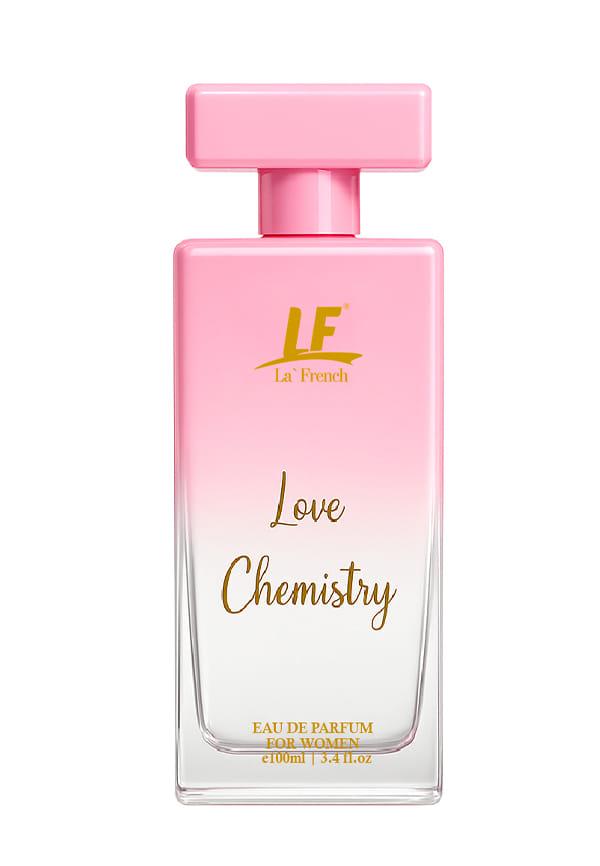
Love Chemistry Long Lasting Perfume For Women
Ever wondered why the same perfume smells completely different on you versus your best mate? You're not imagining things. That gorgeous fragrance that smells like heaven on your friend might turn into something totally different on your skin. It's not about the perfume being fake or you having "bad chemistry" with it—it's actually pure science. Your skin is basically a unique canvas that transforms every fragrance in its own way. From your skin's pH level to what you had for lunch, loads of factors influence how a scent develops on you. Understanding why perfume scent variation happens can help you find fragrances that actually work with your individual scent profile. Plus, with platforms like Smytten offering trial packs, you can test how different fragrances react with your skin before committing to full-size bottles.
- Your skin's pH level, natural oils, and temperature all affect how fragrance smells on you
- Diet, lifestyle, and even your genetics play a role in how perfume develops on your skin
- Environmental factors like humidity and your application method also influence scent
- Everyone has a unique skin chemistry that creates their own personalized fragrance experience
- Testing fragrances properly helps you find scents that work with your individual scent profile
Your skin's pH level is basically the boss when it comes to how fragrance smells different on you. Most people have skin that ranges from slightly acidic (around 4.5) to neutral (7), and this makes a massive difference in how perfume notes develop. When skin chemistry and perfume meet, it's like a mini science experiment happening right on your body.
Acidic skin tends to make citrus and fresh notes pop more, while also making some floral scents smell sharper or more intense. If you've got more alkaline skin, you might notice that woody and musky notes come through stronger, while delicate florals might seem to disappear faster. This is why the same perfume can smell zesty and bright on one person but warm and cosy on another.
Here's something that might surprise you—your skin is home to millions of bacteria that actually help determine how body affects scent. These tiny microorganisms interact with fragrance oils and can completely change how a perfume smells on you. It's not gross, it's actually fascinating.
If you've got naturally oily skin, you're basically winning the fragrance longevity game. Oils help lock in scent molecules, so your perfume will likely last longer and project more. Dry skin, on the other hand, tends to absorb fragrance quickly, which can make scents fade faster but also allows for more subtle, close-to-skin wear. This is why perfume changes on skin throughout the day—your natural oils are constantly interacting with the fragrance molecules.
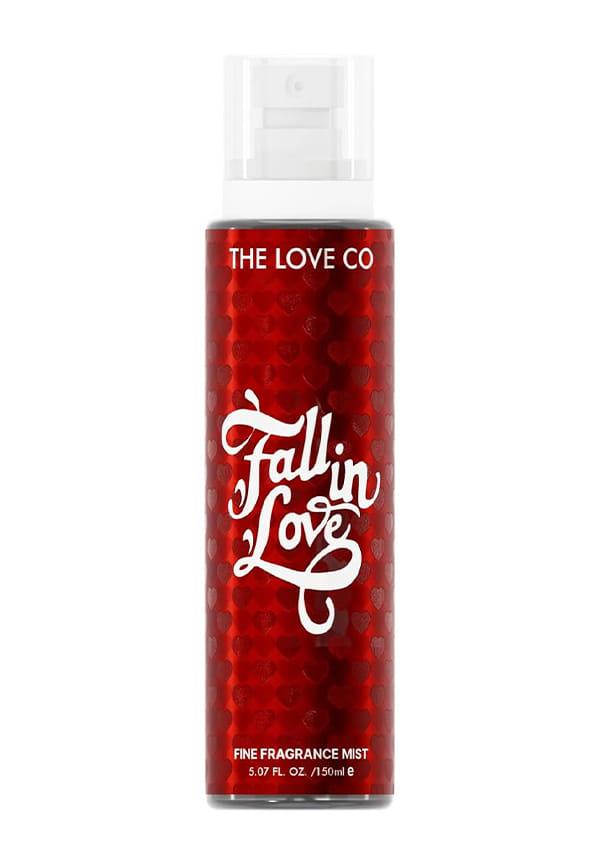
Fall in Love Body Mist
Your body temperature is like a personal fragrance amplifier. People who run warmer naturally tend to project scents more intensely because heat helps fragrance molecules evaporate and travel. This is why pulse points—your wrists, neck, and behind your ears—are the go-to spots for perfume application.
But here's the thing: if you're someone who gets warm easily, you might find that perfume notes on skin develop differently than they do in the bottle. Top notes might burn off faster, while base notes could become more prominent. Some people love this effect because it means their fragrance evolves throughout the day, while others prefer more consistent scent development.
Think of your skin like a sponge—well-hydrated skin holds onto fragrance better than dry skin. When your skin is properly moisturised, it creates a better base for perfume to sit on, which can make scents last longer and smell more true to their original composition.
Dry skin tends to absorb fragrance quickly, which can make even the most long-lasting perfumes seem to disappear. If you've ever wondered why your expensive perfume doesn't seem to last, your skin's hydration levels might be the culprit. On the flip side, very oily skin can sometimes make fragrances smell different because the excess oils can interfere with how the scent develops.
What you eat and how you live actually influences your personalized fragrance experience more than you'd think. Spicy foods, garlic, and even coffee can subtly change your natural body chemistry, which in turn affects how fragrances smell on you. It's not that you'll smell like what you ate, but these foods can alter your skin's natural scent profile.
Medications, hormonal changes, and stress levels also play a role in why perfume smells different on everyone. Hormonal fluctuations during your cycle, pregnancy, or menopause can completely change how your skin reacts to certain fragrance notes. Even things like how much you exercise or how stressed you are can influence your body's natural chemistry and, consequently, how perfumes develop on your skin.
Your environment is constantly messing with your fragrance game, and you probably don't even realise it. Humidity makes scents project more intensely, while dry air can make them seem to disappear. Pollution can actually interact with fragrance molecules and change how they smell, which is why your favourite perfume might smell different in the city versus the countryside.
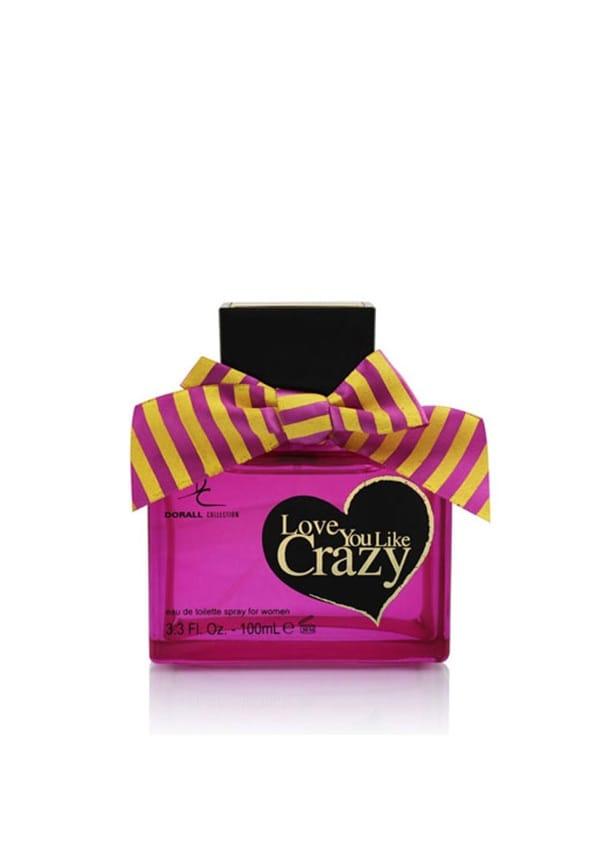
Love You Like Crazy For Women
Even your clothes matter when it comes to factors influencing fragrance. Natural fibres like cotton and silk tend to hold scent differently than synthetic materials. Plus, if you're storing your perfumes in a hot bathroom or sunny spot, the heat and light can actually change the fragrance composition over time, making it smell different than when you first bought it.
How you apply your perfume can completely change the scent experience. Spraying directly onto skin versus spraying into the air and walking through it creates different levels of intensity. Rubbing your wrists together after applying perfume (which loads of people do) can actually break down the fragrance molecules and alter the scent.
The concentration of your fragrance also plays a huge role in how it develops on your skin. Eau de toilette will smell lighter and more fleeting, while eau de parfum will be richer and last longer. Some people find that certain concentrations work better with their skin chemistry than others, which is why testing different strengths of the same fragrance can be worth it.
Here's where things get really interesting—your DNA actually influences how you perceive and process scents. Some people are genetically more sensitive to certain fragrance notes, while others might be completely nose-blind to specific ingredients. This means that what smells amazing to you might be barely detectable to someone else, even if you're wearing the exact same amount.
Your genetic makeup also affects how your skin processes and metabolises fragrance molecules. Some people break down certain ingredients faster, while others hold onto them longer. This is part of why some fragrances seem to last forever on certain people while disappearing quickly on others, even when they have similar skin types.
Your skin chemistry can change over time due to age, hormonal shifts, diet changes, or even seasonal factors. Additionally, perfume formulations sometimes get reformulated by brands, which can alter the scent. If you're testing fragrances, trial on Smytten to see how current formulations work with your skin before buying full sizes.
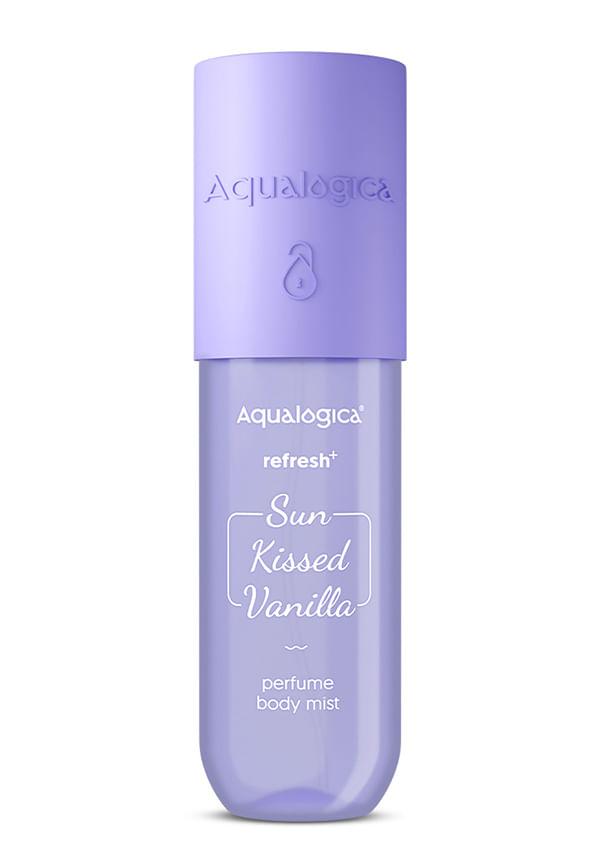
Refresh+ Sun Kissed Vanilla Perfume Body Mist
This usually comes down to incompatible skin chemistry. Your skin's pH, natural oils, or temperature might not work well with certain fragrance notes. Try different concentration levels or application methods, and consider testing a wider range of scent families to find what works with your unique chemistry.
Absolutely! Complex fragrances with lots of different notes tend to develop differently on each person. Fragrances with ingredients like ambergris, certain musks, or complex floral blends are particularly known for being "chameleon" scents that transform based on individual skin chemistry.
Test, test, test! Always try fragrances on your skin rather than just smelling them from the bottle. Give them time to develop—at least 30 minutes to see how the scent evolves. Consider your skin type, lifestyle, and preferences when choosing, and don't be afraid to try samples before committing to full-size bottles.
Understanding why the same perfume smells different on different people comes down to recognising that your skin is unique. From your pH level and natural oils to your diet and genetics, countless factors influence how fragrances develop on you. Rather than getting frustrated when a perfume doesn't smell the same on you as it does on someone else, embrace your individual scent profile.
The key is finding fragrances that work with your specific skin chemistry rather than against it. Pay attention to how different fragrance families and concentrations perform on your skin, and don't be afraid to experiment. Remember that what smells incredible on your friend might not be your perfect match, and that's completely normal.
Finding your signature scent is all about understanding how your unique skin chemistry interacts with different fragrances. Rather than settling for a perfume that smells "okay" on you, take the time to discover scents that truly complement your individual scent profile. Smytten makes this process easier by offering curated trial packs from over 1,500 trusted fragrance brands, letting you explore how different scents develop on your skin before committing to full-size purchases. With trial packs available for just ₹249 and 100% cashback on trials, you can experiment with various fragrances to find the ones that work perfectly with your skin chemistry. After all, why settle for a fragrance that smells different than you hoped when you can try before you buy and find your perfect match?
