9 Fragrance Notes Explained: Top, Middle, and Base Layers

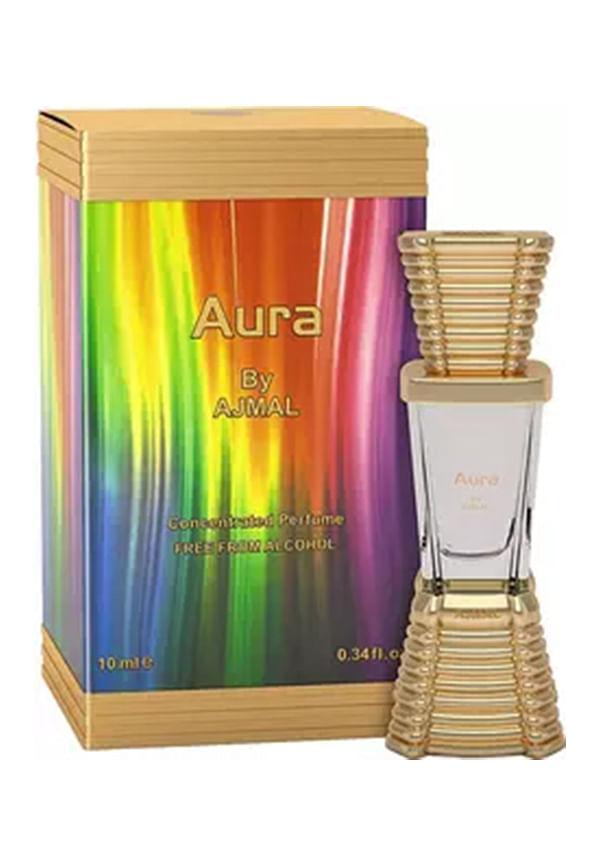
Aura Concentrated Floral Perfume
Ever sprayed a fragrance and wondered why it smells completely different after a few hours? That's the magic of fragrance notes working their charm. Understanding what are top notes, middle notes, and base notes in a fragrance is like learning the secret language of perfumes. These three layers create what perfumers call the fragrance pyramid structure, and knowing how they work can totally change how you choose and wear your scents. Whether you're exploring new fragrances on Smytten or trying to decode your current fave, this guide breaks down everything you need to know about these scent layers.
Fragrance notes are divided into three layers: top notes (first 5-15 minutes), middle notes (30 minutes to 4 hours), and base notes (4+ hours)
The perfume pyramid structure explains how different scent molecules evaporate at different rates, creating a evolving fragrance experience
Top notes include citrus and fresh herbs, middle notes feature florals and spices, while base notes contain woods and musks
Understanding these layers helps you choose fragrances that match your preferences and test them properly
Each note layer serves a specific purpose in creating a balanced, long-lasting scent composition
Think of a fragrance as a story that unfolds on your skin. The perfume pyramid structure is basically how perfumers organise scent molecules based on their volatility—fancy word for how quickly they evaporate. The science behind this olfactory notes breakdown is pretty cool: lighter molecules float away first, while heavier ones stick around longer.
Here's how it works: when you first spray a fragrance, you're smelling the top notes. These are the lightest molecules that hit your nose immediately. As they fade, the middle notes emerge, followed by the base notes that form the foundation of your scent. This whole process can take anywhere from a few minutes to several hours, which is why testing a fragrance properly means wearing it for at least 30 minutes.
Top notes are like the opening scene of a film—they grab your attention and set the mood. These are the scents you smell immediately after spraying, and they typically last between 5 to 15 minutes. Because they're the most volatile, top notes are usually fresh, bright, and energising.
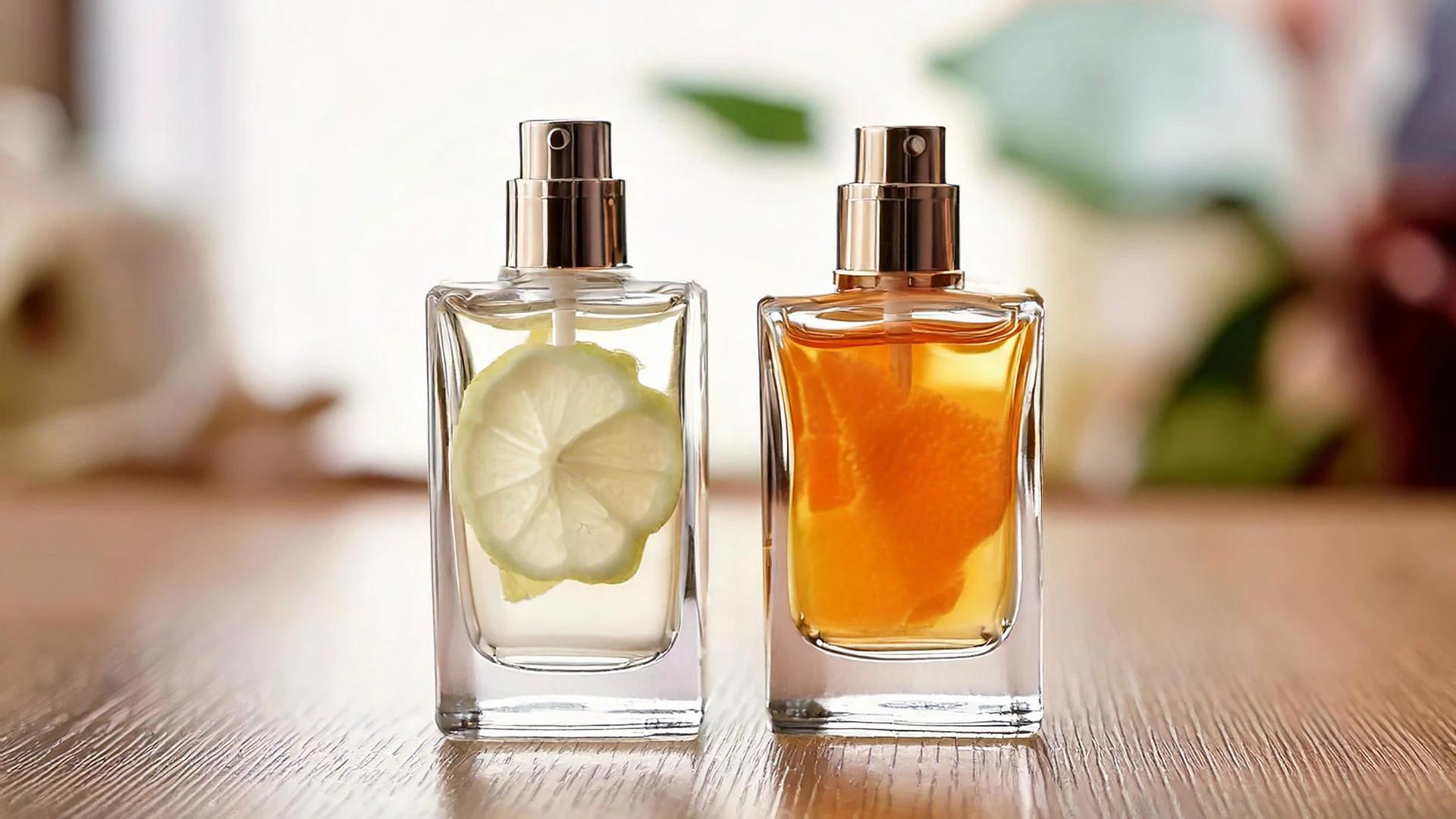
Citrus notes are the superstars here—think lemon, bergamot, grapefruit, and orange. They're zesty, uplifting, and perfect for that instant wake-up call your senses crave.
Fresh herbs like mint, basil, and eucalyptus add a green, crisp quality that feels clean and invigorating. These work brilliantly in unisex fragrances.
Emotion Long Lasting Elegant and Versatile Fragrance Perfume
Light fruits such as apple, pear, and green notes bring a juicy, sparkling quality that's both fresh and slightly sweet.
Also called heart notes, these are where the real personality of your fragrance lives. Middle notes emerge once the top notes start fading—usually around 30 minutes after application—and they can last anywhere from 30 minutes to 4 hours. This is the layer that determines whether you'll actually love a fragrance long-term.
Heart notes are all about balance. They need to complement both the fresh top notes and the deeper base notes, creating a smooth transition between the two. This is where scent profile development really happens.
Floral notes are the queens of the middle layer. Rose, jasmine, lavender, and lily create romantic, feminine vibes, while geranium and violet add a powdery softness.
Spicy notes like cinnamon, cardamom, and black pepper bring warmth and complexity. These work amazingly in both masculine and unisex compositions.
Fruity notes in the heart are usually richer than top note fruits—think berry, peach, or plum. They add sweetness without being cloying.
Base notes are the heavy-hitters that stick around for hours. These molecules are the least volatile, which means they evaporate slowly and create the lasting impression of your fragrance. They typically become prominent after 4 hours and can linger on your skin for 6-8 hours or even longer.
These notes are crucial for fragrance longevity and they often determine how a scent interacts with your skin chemistry. Base notes also provide depth and richness that makes a fragrance feel sophisticated and complete.
Ethereal Dreamer Eau De Parfum
Woody notes like sandalwood, cedar, and vetiver create a warm, grounding effect. They're versatile and work in almost every fragrance family.
Musky notes including white musk, amber, and ambergris add sensuality and skin-like warmth. These are the notes that make people want to lean in closer.
Vanilla and gourmand notes bring sweetness and comfort. Think vanilla, tonka bean, and caramel—perfect for cosy, addictive scents.
Perfume accords are like musical chords—they're combinations of notes that work together to create something beautiful. Understanding fragrance composition means recognising how different notes complement each other across all three layers.
Perfumers often follow the 50/30/20 rule: 50% base notes, 30% middle notes, and 20% top notes. This ensures the fragrance has good longevity while still making a great first impression. Popular accord combinations include rose and oud, citrus and woods, or vanilla and spices.
Not all fragrance notes come from natural sources, and that's actually a good thing. Natural essential oils can be unpredictable—they vary based on harvest conditions and can cause allergic reactions. Synthetic notes, on the other hand, offer consistency and allow perfumers to create scents that don't exist in nature.
Many modern fragrances blend both natural and synthetic ingredients. This combination gives you the best of both worlds: the authenticity of natural oils with the reliability and creativity of synthetic molecules. Plus, synthetics are often more sustainable and ethical than harvesting rare natural ingredients.
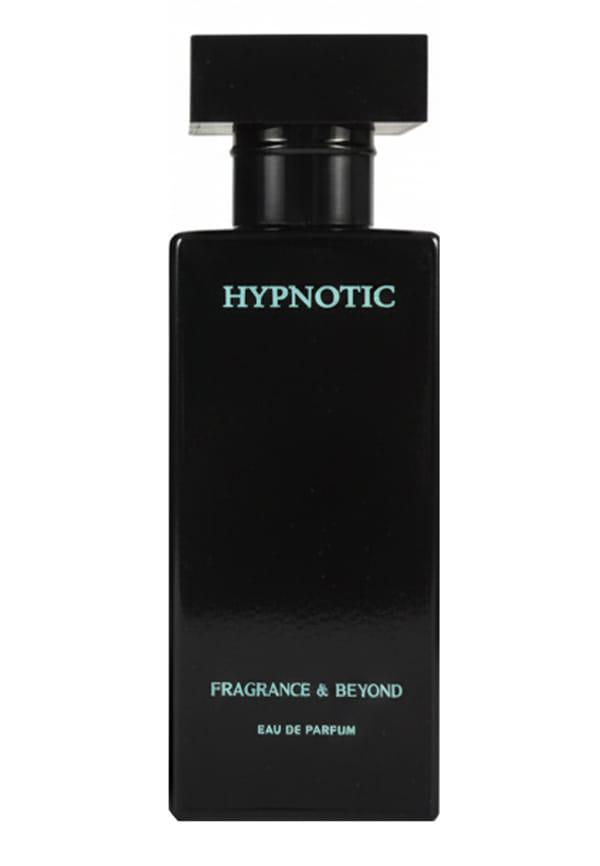
HYPNOTIC Eau de Parfum
This traditional formula suggests using 50% base notes, 30% middle notes, and 20% top notes in a fragrance composition. It ensures good longevity while maintaining an attractive opening.
The four concentration levels are parfum (20-30% fragrance oils), eau de parfum (15-20%), eau de toilette (5-15%), and eau de cologne (2-5%). Higher concentrations last longer and smell stronger.
Yes, but their prominence changes over time. Initially, top notes dominate, then middle notes become more noticeable, and finally base notes take centre stage. You might catch hints of all layers simultaneously during the transition periods.
Try fragrance minis on your skin and wait at least 30 minutes to experience the full scent development. This lets you understand how all three note layers work with your skin chemistry before committing to a full-size bottle.
Understanding fragrance notes transforms how you experience and choose scents. The three-layer system isn't just perfumery theory—it's practical knowledge that helps you find fragrances you'll actually love wearing all day. Top notes grab attention, middle notes create the main character, and base notes provide the lasting impression.
When testing new fragrances, give them time to develop on your skin. What smells amazing in the first five minutes might not be what you're wearing four hours later. Pay attention to how each layer makes you feel and which note families consistently appeal to you.
Exploring fragrances becomes so much more exciting when you understand what's happening at each stage of the scent journey. Whether you're drawn to fresh citrus top notes, romantic floral hearts, or warm woody bases, there's a whole world of combinations waiting to be discovered. Smytten's curated trial packs let you experience authentic brand-verified minis from over 1,500 trusted fragrance brands, making it easy to explore different note combinations without the commitment. With 100% cashback on trials and the ability to try before you buy, you can build your understanding of fragrance notes while discovering your next signature scent. After all, why settle for maybe when you can try it all and find the perfect fragrance that tells your story through every layer?
