7 Pro Tips for Perfect Perfume Oil Application

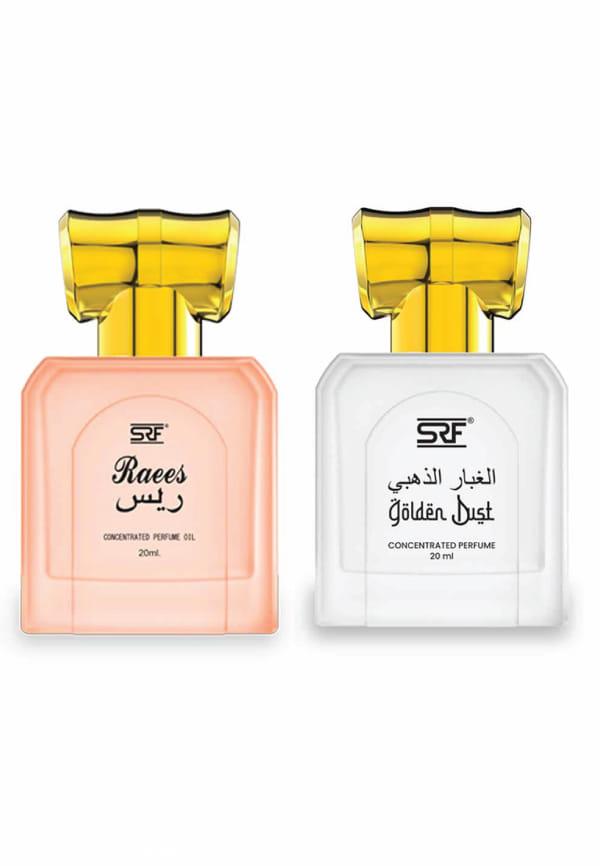
Srf Raees & Srf Golden Dust Concentered Perfume Oil
Ever wondered why some people seem to have that perfect fragrance cloud following them all day, whilst yours fades within hours? The secret isn't just about having the best perfume oils – it's all about mastering the art of application. Learning how to use perfume oils properly can completely transform your fragrance game, giving you that coveted all-day scent that turns heads for all the right reasons. Whether you're new to fragrance oils or looking to up your application game, these seven pro tips will have you smelling absolutely divine from morning till night.
Before diving into the application techniques, let's get real about what makes perfume oils so special. Unlike traditional alcohol-based sprays, perfume oils are concentrated fragrance suspended in carrier oils, which means they work differently on your skin and last much longer when applied correctly.
The main difference in perfume oil vs spray comes down to concentration and base. Perfume oils typically contain 15-30% fragrance concentration compared to eau de toilette's 5-15%. This oil-based formulation means the scent develops more slowly on your skin, creating a more intimate fragrance experience that stays closer to your body rather than projecting widely. Oil-based fragrances also tend to be gentler on sensitive skin since they don't contain the drying alcohol found in traditional sprays. This makes them perfect for daily wear without irritation.
Natural perfume oils and essential oil perfume blends require slightly different application techniques than synthetic formulations. Natural oils tend to be more delicate and may need warming between your palms before application, whilst synthetic blends often have more consistent performance. The concentration level also affects how you should apply them – higher concentrations need just a tiny dab, whilst lighter formulations can handle a bit more generous application.
Your skin is like a canvas, and proper preparation makes all the difference in how your fragrance performs. This step is often overlooked, but it's absolutely crucial for getting the most out of your perfume oil application.
Clean, slightly damp skin is your best friend when applying perfume oil. The moisture helps lock in the fragrance, whilst clean skin ensures nothing interferes with the scent development. Apply an unscented moisturiser about 10 minutes before your fragrance – this creates the perfect base for your oils to cling to. Avoid heavily scented body products that might clash with your chosen fragrance. Your skin's natural oils will mix with the perfume oil, so you want that blend to be as harmonious as possible.
The best time for application is right after a shower when your skin is still slightly warm and damp. Your pores are open, which helps with absorption, and the warmth helps activate the fragrance molecules. Room temperature also matters – perfume oils perform differently in hot versus cold weather, so adjust your application accordingly.
Pulse points aren't just random spots – they're strategic locations where your blood vessels are closest to the skin surface, creating natural warmth that helps diffuse your fragrance throughout the day.
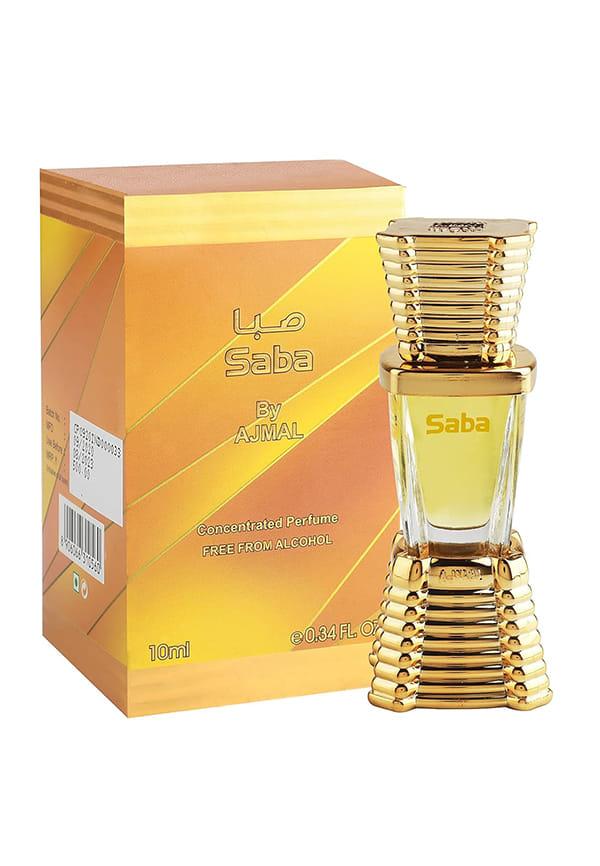
Saba Concentrated Perfume Oil Attar For Men & Women
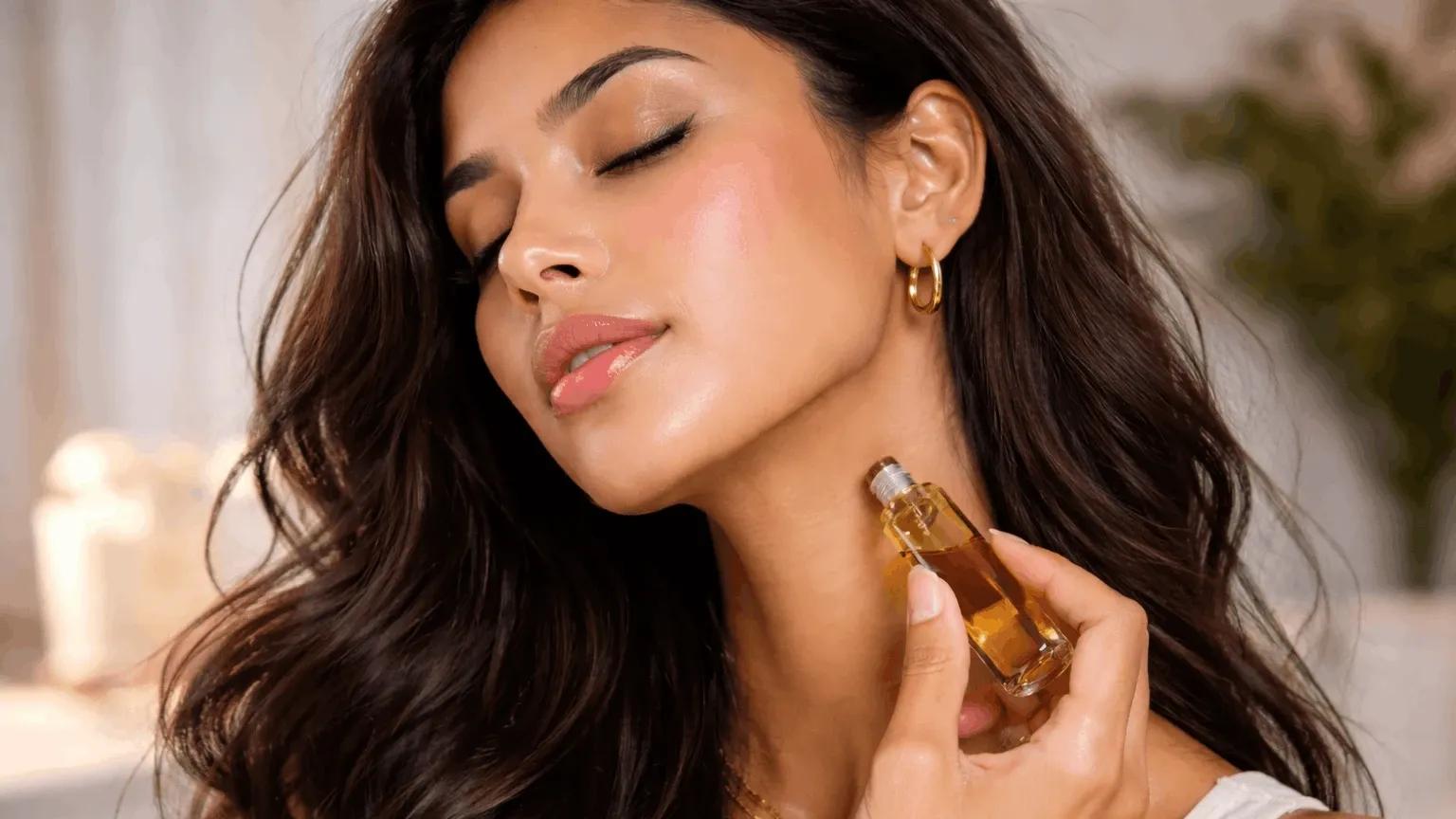
The classic pulse points – wrists, neck, and behind the ears – work because of increased blood flow and body heat. When applying perfume oil to these areas, you're essentially creating little fragrance diffusers that activate with your body's natural warmth. Start with your wrists, but here's the key: don't rub them together after application. This breaks down the fragrance molecules and can actually make your scent fade faster.
For special occasions or when you want extra longevity, try applying to your inner elbows, collarbone, and even behind your knees. These areas generate heat throughout the day and can create lovely scent trails as you move. The area behind your knees is particularly clever – as you walk, the movement helps waft the fragrance upwards, creating a subtle scent cloud around you.
This might be the most important technique tip: how you actually apply the oil makes or breaks your fragrance experience. The way you handle those precious drops determines how well your scent develops and lasts.
When you rub perfume oil vigorously, you're essentially crushing the delicate fragrance molecules and generating heat that can alter the scent composition. Instead, gentle dabbing preserves the integrity of the fragrance and allows it to develop naturally on your skin. Think of it like handling a delicate flower – you want to place it gently, not crush it between your palms.
If you're using a roller-ball applicator, roll it gently across your pulse points without pressing too hard. For dropper bottles, place a small drop on your fingertip and gently pat it onto your skin. Some people prefer using a small brush or cotton swab for more precise application, especially when working with highly concentrated oils. The key is always gentle, controlled application rather than vigorous rubbing.
Fragrance layering is where you can get really creative and develop your own signature scent. It's about building complexity and depth that you simply can't get from a single fragrance.
Start with complementary scent families – florals with light woods, citrus with herbs, or vanilla with spices. The rule of thumb is to apply the heaviest, most long-lasting scent first, then layer lighter fragrances on top. Wait about 5-10 minutes between each layer to let the previous application settle. This prevents the scents from muddling together and allows each layer to develop properly.
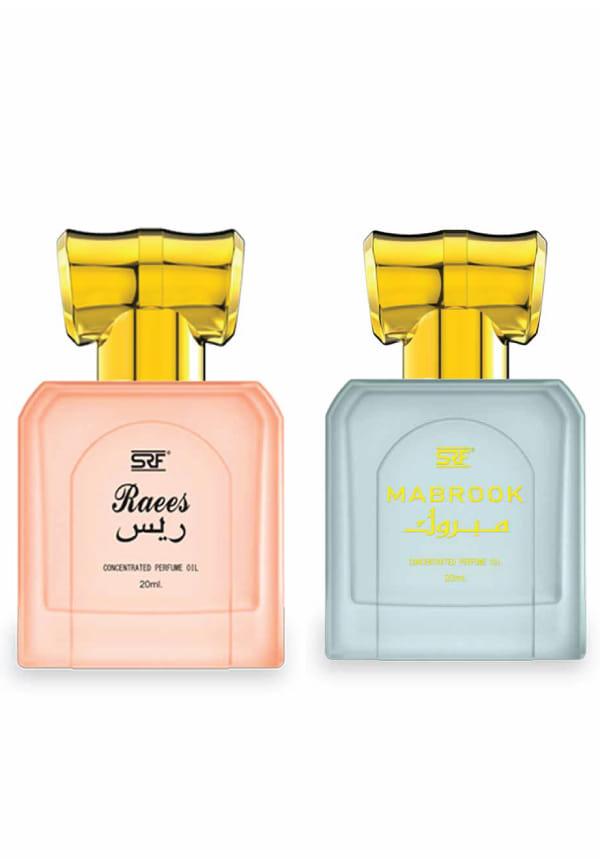
Srf Mabrook & Srf Raees Concentrated Perfume Oil
Try mixing oil-based and alcohol-based fragrances for interesting effects. Apply the oil first for longevity, then add a light spray for initial projection. You can also layer different concentrations of the same scent family for a more complex, evolving fragrance experience. Seasonal layering is brilliant too – add warming spices in winter or fresh citrus notes in summer to adapt your signature scent to the weather.
Your skin isn't the only canvas for fragrance. Strategic application to hair and clothing can create a more enveloping scent experience, but it requires a gentle touch.
Hair holds fragrance beautifully, but you need to be careful not to damage it with oils. Apply a tiny amount to the ends of your hair or to a brush before running it through your hair. Never apply directly to your scalp or roots, as this can clog pores and cause irritation. The movement of your hair throughout the day creates lovely scent trails, making this technique perfect for special occasions.
Some fragrance oils can stain delicate fabrics, so always test on an inconspicuous area first. Scarves, jacket linings, and the inside of cuffs are safe spots that won't show potential staining but will release fragrance as you move. Avoid applying directly to silk or light-coloured fabrics. Instead, try applying to a cotton pad and tucking it into your pocket or bag for a subtle scent boost.
Less is definitely more when it comes to perfume oils. Their concentrated nature means a little goes a very long way, and over-application can be overwhelming for both you and everyone around you.
For highly concentrated oils, start with just one small dab per pulse point. You can always add more, but you can't take it away once applied. Natural perfume oils often require even less than synthetic blends due to their potency. If you're unsure about the concentration, start with half the amount you think you need. Wait 30 minutes to see how it develops before deciding if you need more.
Most quality perfume oils should last 6-8 hours with proper application. If you need a midday refresh, focus on just one pulse point rather than reapplying everywhere. The scent will have settled into your skin by then, so a small touch-up is usually enough. Carry a small rollerball for touch-ups, but use it sparingly. Your nose becomes accustomed to your fragrance, so you might think it's faded when others can still smell it perfectly.
Proper storage isn't just about making your perfume oils last longer – it's about maintaining their quality and ensuring consistent performance every time you apply them.
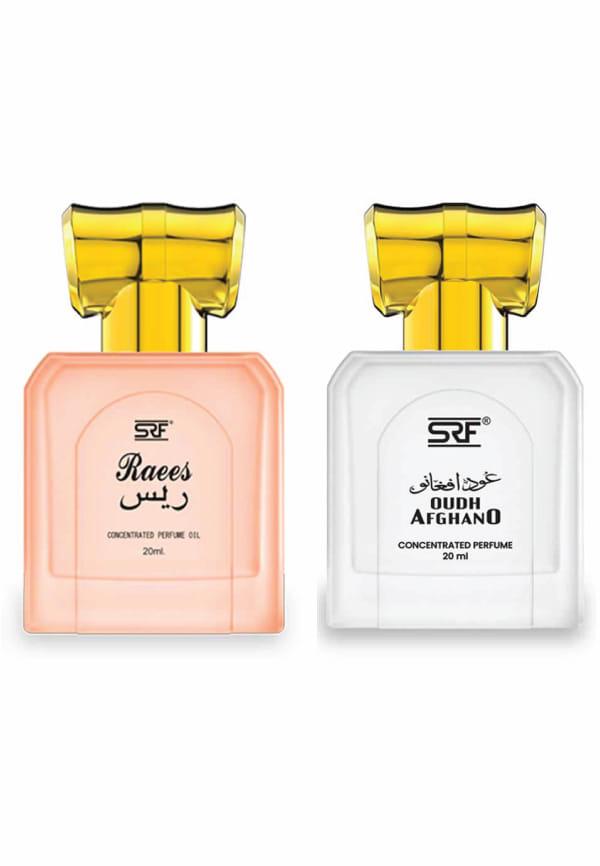
Srf Oudh Afghano & Srf Raees Concentrated Perfume Oil
Keep your perfume oils away from direct sunlight, heat, and humidity. A cool, dark drawer or cupboard is perfect. Temperature fluctuations can alter the fragrance composition, whilst light can break down the delicate molecules over time. Avoid storing them in the bathroom, where humidity and temperature changes are common. Your bedroom dresser or a dedicated fragrance storage box works much better.
Clean your roller balls regularly with rubbing alcohol to prevent bacteria buildup and cross-contamination between different fragrances. If you're using droppers, make sure they're completely clean before switching between different oils. Replace applicators every few months or if you notice any changes in how smoothly they roll. A well-maintained applicator ensures consistent, even application every time.
Focus on pulse points where blood vessels are close to the skin surface: wrists, neck, behind ears, inner elbows, and collarbone. These areas generate natural heat that helps diffuse the fragrance throughout the day.
It's best not to dilute perfume oils with water as oil and water don't mix well. If you want to lighten the intensity, mix with an unscented carrier oil instead. You can layer with unscented moisturiser, but apply the moisturiser first and let it absorb before adding your fragrance.
Start small – just one tiny dab per pulse point. Perfume oils are highly concentrated, so less is more. You can always add more after 30 minutes if needed, but over-application can be overwhelming and difficult to correct.
Perfume oils are oil-based with higher fragrance concentrations (15-30%) and no alcohol, making them longer-lasting and more intimate. Sprays are alcohol-based with lower concentrations (5-15%) and project more widely but fade faster.
Mastering how to use perfume oils is all about understanding their unique properties and respecting their concentrated nature. From proper skin preparation to strategic pulse point application, each step contributes to a more sophisticated fragrance experience. Remember that perfume oil benefits include longer wear time, gentler formulation, and more intimate scent projection when applied correctly. The beauty of perfume oils lies in their ability to develop uniquely on each person's skin, creating a truly personal fragrance signature. With these seven pro tips, you're well-equipped to make the most of any fragrance oils you choose to explore. Speaking of exploration, this is where platforms like Smytten become invaluable for fragrance enthusiasts. As India's largest product discovery and trial platform, Smytten offers curated trial packs from over 1,500 trusted brands, including an extensive range of fragrances. You can get up to 8 minis for just ₹249, with 100% cashback redeemable for future purchases. This makes it incredibly easy to experiment with different perfume oil application techniques across various scent families without committing to full-size bottles. After all, why settle for 'maybe' when you can try it all and find your perfect fragrance match?
