What Foods Reduce Inflammation? Your FAQ Answered
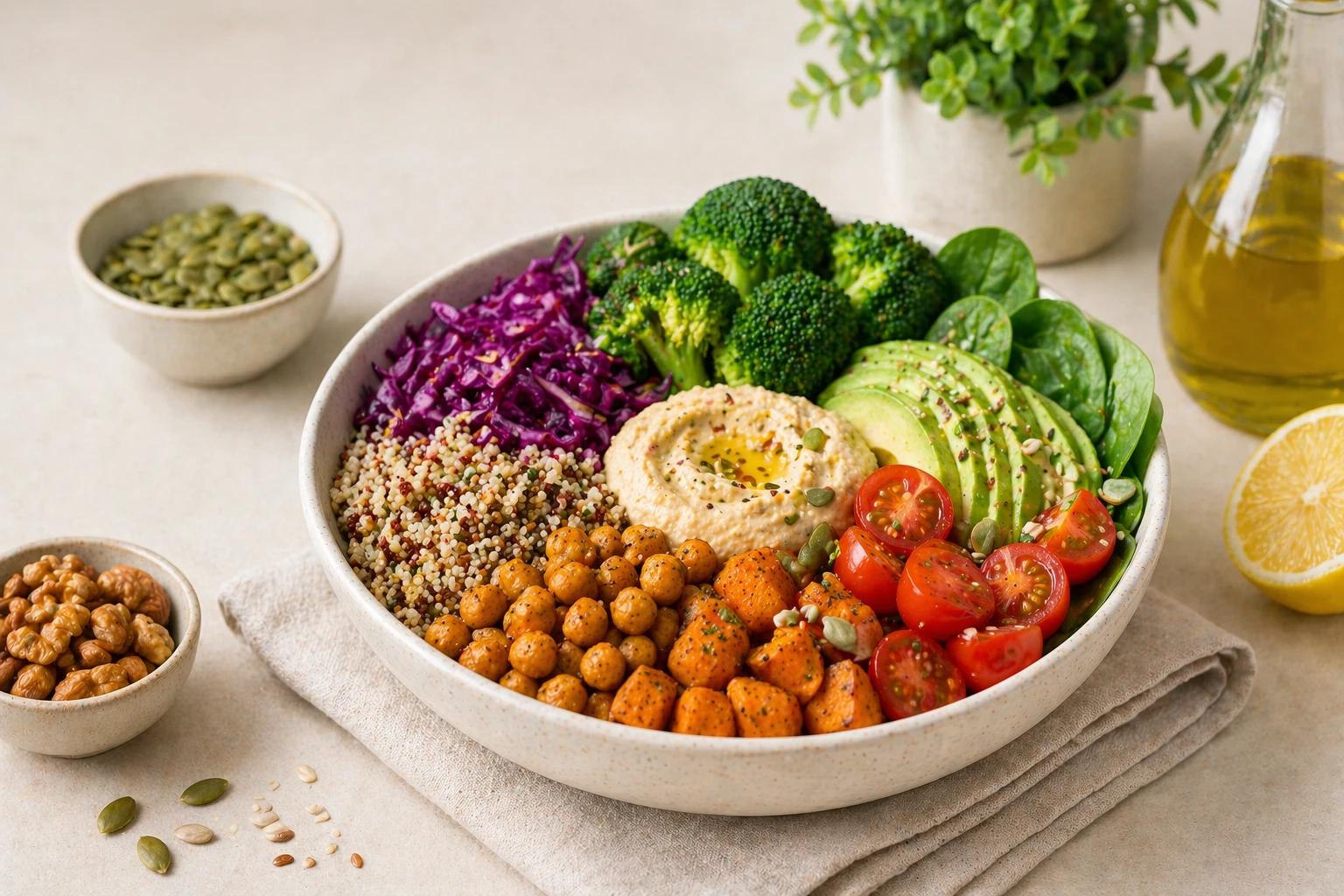

Ever wondered why your body feels like it's constantly fighting a battle you can't see? Chronic inflammation might be the culprit, and the good news is that your kitchen holds some powerful weapons to fight back. While we often think of inflammation as just swelling from an injury, there's a whole other type happening inside your body that can affect everything from your energy levels to your skin health. The foods you choose daily can either fuel this internal fire or help put it out. Let's dive into the science-backed foods that can help your body find its balance again.
Real talk—inflammation isn't always the villain. Acute inflammation is actually your body's superhero response to injury or infection, rushing healing cells to the rescue. But chronic inflammation? That's a different story entirely. This low-grade, persistent inflammation can stick around for months or even years, quietly affecting your joints, digestive system, and overall wellbeing.
Your diet plays a massive role in whether inflammation becomes your friend or foe. Every bite you take either sends pro-inflammatory or anti-inflammatory signals throughout your body. Foods high in refined sugars, trans fats, and processed ingredients can trigger inflammatory pathways, while others rich in antioxidants and omega-3 fatty acids can help calm things down.
Common signs that chronic inflammation might be affecting you include persistent fatigue, joint stiffness, digestive issues, frequent infections, or skin problems. The brilliant thing is that an inflammation reducing diet can start making a difference within days, though the most significant changes typically show up after a few weeks of consistent healthy eating.
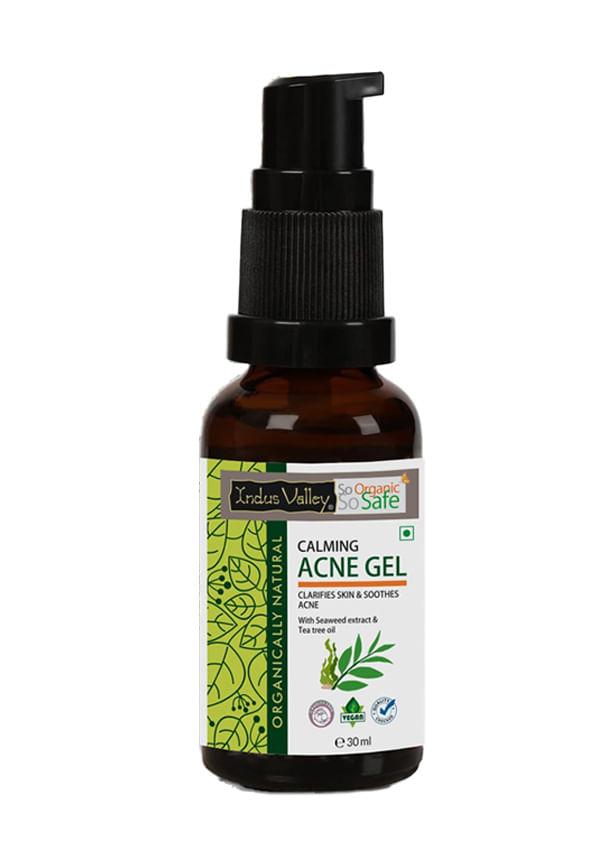
Calming Acne Gel with Seaweed Extract & Tea Tree Oil
Ready to stock your kitchen with inflammation-fighting superstars? These foods that fight inflammation aren't just nutritious—they're delicious too. From omega-3 rich fish to antioxidant-packed berries, nature has provided us with an incredible arsenal of healing foods.
Fatty fish like salmon, mackerel, sardines, and tuna are absolute champions when it comes to fighting inflammation. They're loaded with omega-3 fatty acids, particularly EPA and DHA, which actively suppress inflammatory proteins in your body.
Salmon: Aim for wild-caught when possible, packed with astaxanthin for extra antioxidant power
Mackerel: One of the richest sources of omega-3s, plus it's budget-friendly
Sardines: Small but mighty, these little fish deliver big anti-inflammatory benefits
Tuna: Choose fresh over canned when you can, but both offer inflammation-fighting benefits
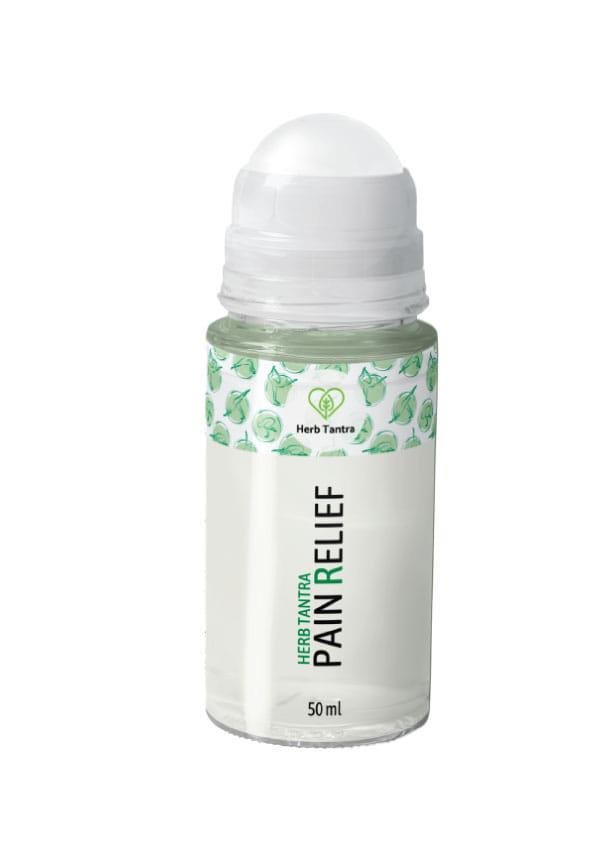
Pain Relief Roll On For Joint Pain, Arthritis, Inflammation
Try to include fatty fish in your meals at least twice a week for optimal results. Grilling, baking, or poaching preserves the beneficial oils better than frying.
Berries are like tiny packages of anti-inflammatory magic. They're bursting with anthocyanins, the compounds that give them their vibrant colours and help reduce inflammatory markers in your body.
Blueberries: Studies show they can reduce inflammatory markers within hours of eating them
Strawberries: High in vitamin C and flavonoids that support your body's natural anti-inflammatory processes
Cherries: Particularly tart cherries, which are brilliant for reducing joint pain and muscle soreness
Grapes: Rich in resveratrol, the same compound that makes red wine heart-healthy
A handful of berries daily—fresh or frozen—can make a real difference. Toss them in smoothies, yoghurt, or just enjoy them as a sweet snack.
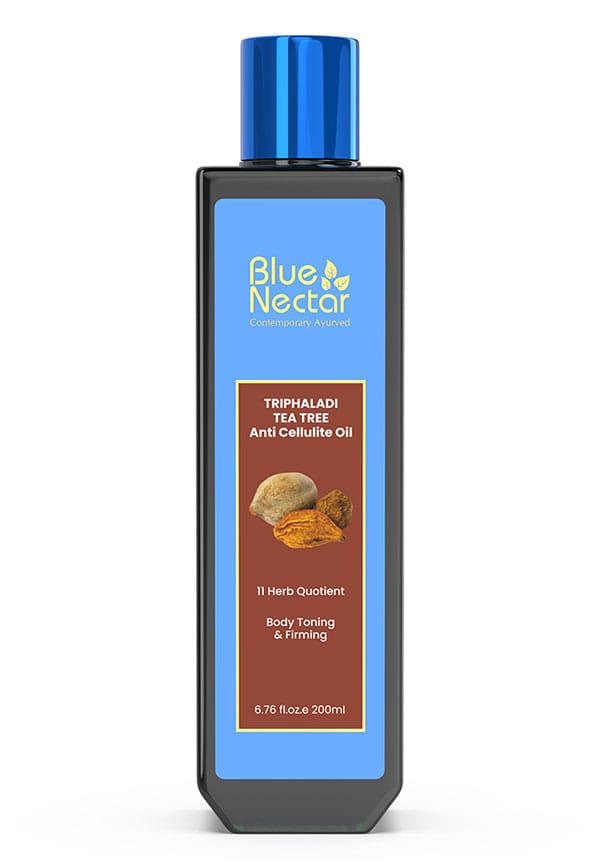
Ayurvedic Triphaladi Anti Cellulite and Slimming Oil for Weight Loss 11 Herbs
Dark leafy greens and cruciferous vegetables are nutritional powerhouses that deserve a starring role in any inflammation diet. They're packed with polyphenols and other compounds that help your body manage inflammatory responses.
Kale: Contains quercetin and kaempferol, potent anti-inflammatory compounds
Spinach: Rich in nitrates that help reduce inflammation and support heart health
Broccoli: Contains sulforaphane, which blocks inflammatory pathways
Tomatoes: High in lycopene, especially when cooked, which fights inflammation
Light steaming or sautéing preserves most nutrients while making them easier to digest. Raw is brilliant too—whatever gets you eating more of these green heroes.
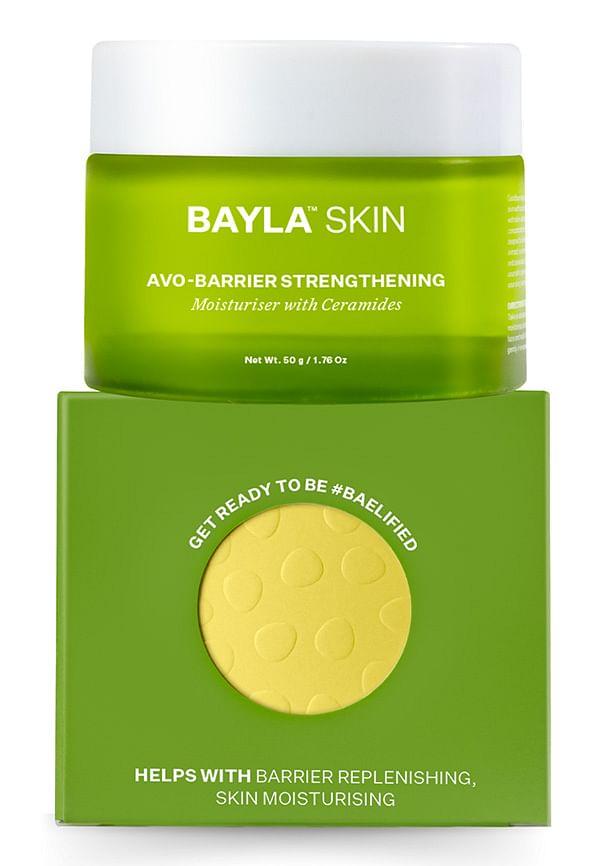
Avocado & Ceramides Barrier Strengthening Moisturiser
Not all fats are created equal, and the right ones can be your inflammation-fighting allies. These healthy fats provide essential fatty acids and fat-soluble vitamins that support your body's natural healing processes.
Extra virgin olive oil: Rich in oleic acid and antioxidants that reduce inflammatory markers
Avocados: Contain oleic acid and carotenoids that fight inflammation
Walnuts: One of the few nuts high in omega-3 fatty acids
Flaxseeds: Plant-based omega-3s that are easy to add to smoothies or yoghurt
Your spice rack might just be the most underrated part of your anti-inflammatory toolkit. These flavour enhancers pack serious nutritional punches that can help reduce inflammation throughout your body.
Turmeric: Contains curcumin, one of the most studied anti-inflammatory compounds
Ginger: Fresh or dried, it helps reduce inflammatory markers and supports digestion
Garlic: Contains allicin and other sulphur compounds that fight inflammation
Cinnamon: Rich in antioxidants and helps regulate blood sugar, reducing inflammatory spikes
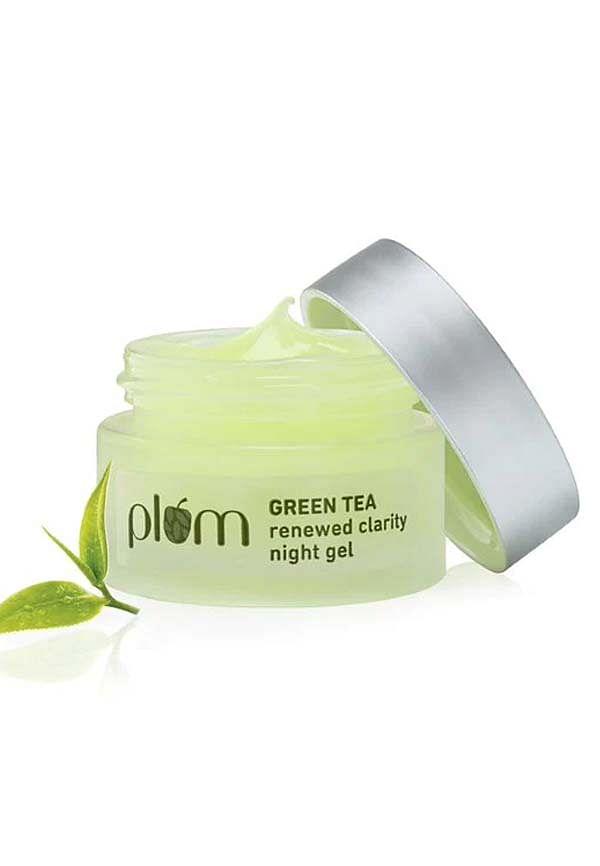
Green Tea Renewed Clarity Night Gel Hydrates Skin & Fights Acne
Your beverage choices can be just as important as your food choices when it comes to managing inflammation. The right drinks can provide additional antioxidants and compounds that support your body's natural anti-inflammatory processes.
Green tea tops the list of anti-inflammatory beverages. It's rich in EGCG (epigallocatechin gallate), a powerful antioxidant that helps reduce inflammatory markers. Aim for 2-3 cups daily, and if caffeine is a concern, try it earlier in the day or opt for decaffeinated versions.
Coffee might surprise you—when consumed in moderation (1-2 cups daily), it provides polyphenols that can actually help reduce inflammation. Just skip the sugar and artificial creamers that can trigger inflammatory responses.
Anti-inflammatory smoothies are brilliant for packing multiple healing foods into one delicious drink. Try blending berries, leafy greens, ginger, and a splash of green tea for a powerful inflammation-fighting combination.
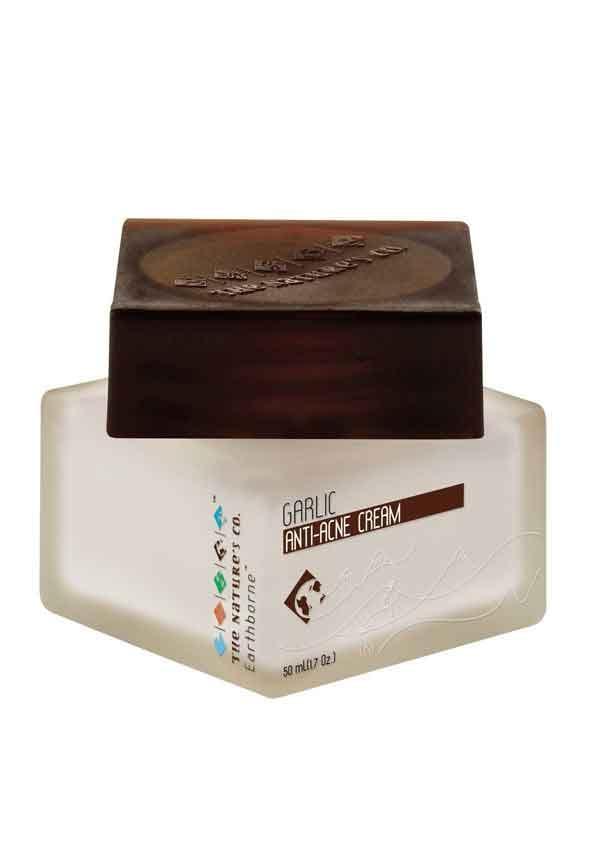
Garlic Anti-Acne Cream
Don't forget about plain water—staying properly hydrated helps your body flush out inflammatory toxins and supports all your cellular processes. Aim for at least 8 glasses daily, more if you're active or live in a warm climate.
Just as some foods fight inflammation, others can fuel it. Knowing what to limit or avoid can be just as important as knowing what to include in your diet for inflammation.
Refined carbohydrates like white bread, pastries, and sugary cereals cause rapid spikes in blood sugar that trigger inflammatory responses. Processed foods loaded with preservatives, artificial colours, and flavourings can also promote inflammation throughout your body.
Trans fats, found in many processed and fried foods, are particularly inflammatory. Check labels for "partially hydrogenated oils" and steer clear. Excessive red meat and processed meats like bacon and sausages can also contribute to inflammation when eaten regularly.
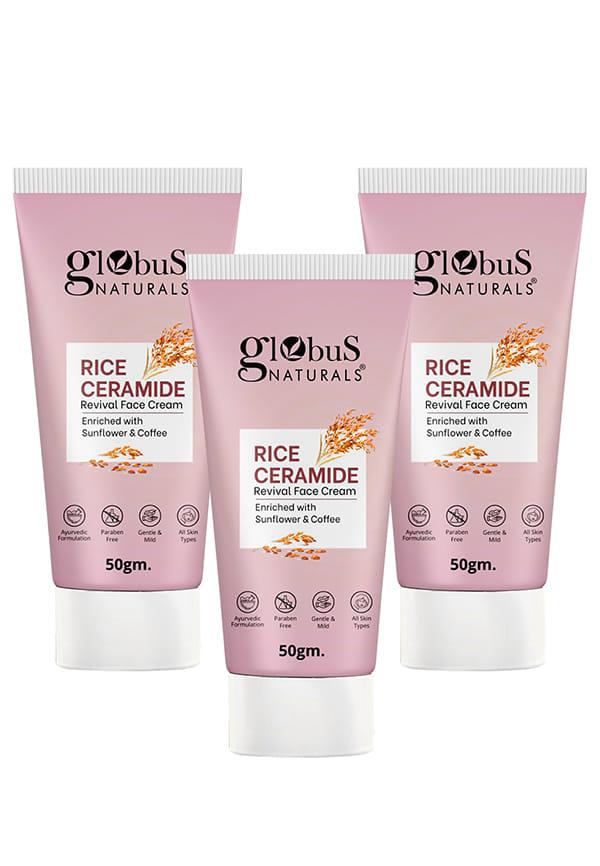
Rice Ceramide Revival Face Cream, Enriched with Sunflower & Coffee
Sugary drinks including sodas, energy drinks, and even fruit juices can cause inflammatory spikes. These liquid calories hit your bloodstream quickly, causing your body to release inflammatory compounds as it tries to manage the sugar rush.
While lasting changes take time, you can start feeling the benefits of an anti-inflammatory approach within days. The key is making strategic swaps and focusing on the most powerful inflammation-fighting foods.
Small changes can make a big difference when you're starting your anti-inflammatory journey. Replace refined grains with whole grains, swap sugary snacks for berries and nuts, and choose olive oil over butter when cooking.
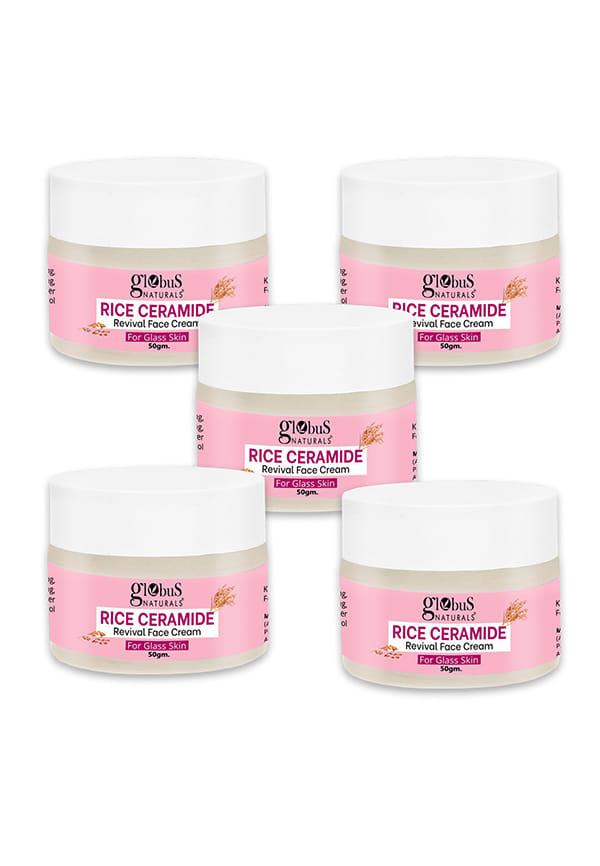
Rice Ceramide Revival Face Cream, Enriched with Sunflower & Coffee
Swap white rice for quinoa or brown rice
Choose herbal teas over sugary drinks
Replace processed snacks with fresh fruit and nuts
Use herbs and spices instead of salt for flavouring
The Mediterranean diet is one of the most studied anti-inflammatory eating patterns. It emphasises whole foods, healthy fats, and plenty of fruits and vegetables—exactly the combination your body needs to fight inflammation naturally.
This approach focuses on olive oil as the primary fat, plenty of fish and seafood, loads of vegetables and fruits, whole grains, and moderate amounts of dairy and wine. It's not about restriction—it's about choosing foods that nourish and heal your body.
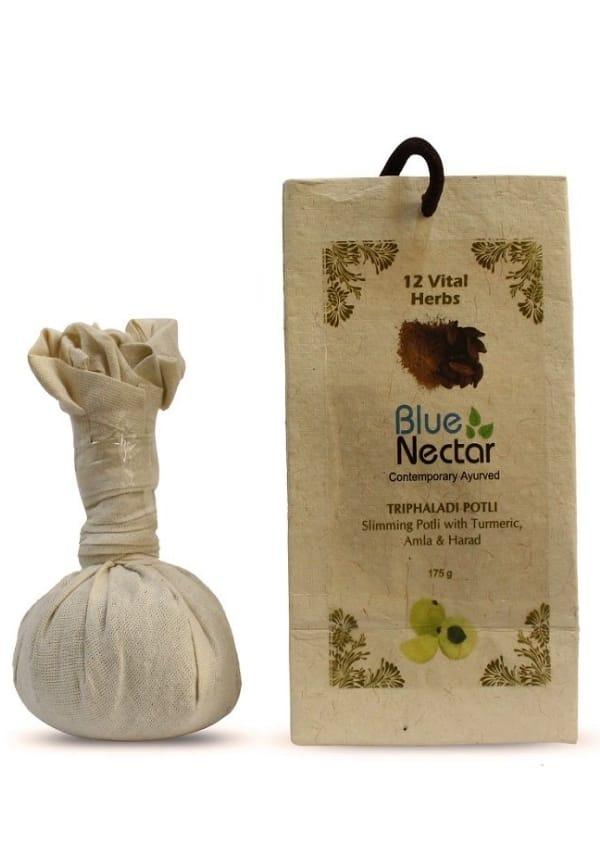
Ayurvedic Slimming & Anti Cellulite Potli for Weight Management 12 Herbs
Turmeric, particularly when combined with black pepper to enhance absorption, is often considered one of the most potent anti-inflammatory foods. Its active compound, curcumin, has been extensively studied for its ability to reduce inflammatory markers. Fatty fish like salmon and sardines are also incredibly powerful due to their high omega-3 content.
You might start noticing some benefits within 24-48 hours, particularly improved energy and better digestion. However, significant reductions in inflammatory markers typically occur after 2-4 weeks of consistent anti-inflammatory eating. Joint pain and other chronic symptoms may take 6-12 weeks to show meaningful improvement.
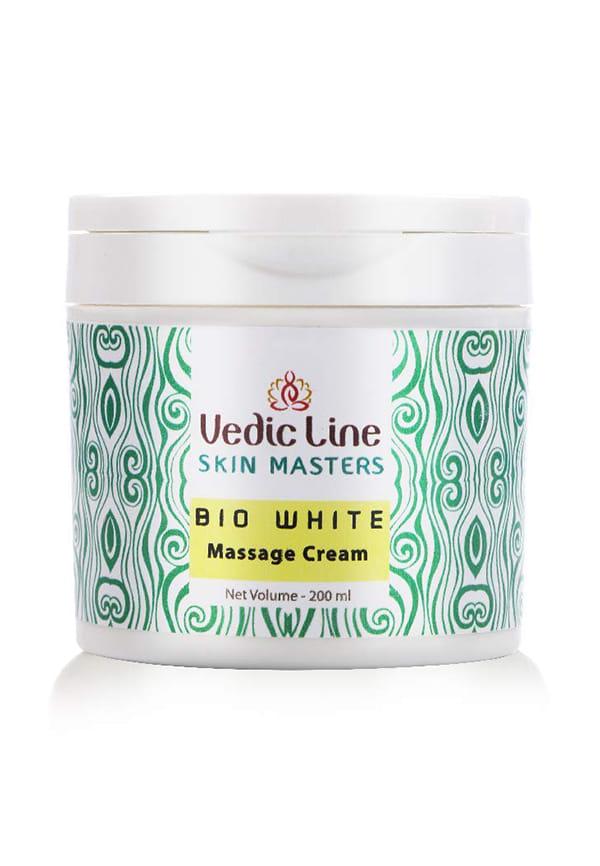
Skin Masters Bio White Massage Cream Helps to Reduce Acne
Absolutely. Many foods for joint pain and foods for arthritis work by reducing inflammatory compounds that contribute to joint stiffness and discomfort. Fatty fish, tart cherries, leafy greens, and turmeric have all shown promise in studies for reducing arthritis symptoms and improving joint mobility.
Generally, anti-inflammatory foods are safe for most people and offer numerous health benefits beyond reducing inflammation. However, some individuals may need to be cautious—for example, those on blood-thinning medications should consult their doctor before significantly increasing omega-3 rich foods or turmeric intake.
Aim for 2-3 servings of fatty fish per week, 1-2 cups of berries daily, plenty of leafy greens and vegetables, a handful of nuts, and liberal use of anti-inflammatory spices like turmeric and ginger. The key is variety and consistency rather than massive amounts of any single food.
Start with easy additions like adding berries to your breakfast, using olive oil for cooking, including fatty fish twice weekly, and drinking green tea. These natural anti-inflammatories are simple to incorporate and provide noticeable benefits without major dietary overhauls.
Building an anti-inflammatory lifestyle doesn't have to be complicated or overwhelming. Start with small, sustainable changes—add a handful of berries to your morning routine, swap refined oils for olive oil, or include fatty fish in your weekly meal plan. These simple shifts can create meaningful changes in how your body manages inflammation.
Remember, the best foods for inflammation are often the most delicious ones too. Fresh berries, perfectly grilled salmon, vibrant vegetables, and aromatic spices can transform your meals while supporting your health. It's about finding what works for your taste buds and lifestyle, then building from there.
Just like discovering the perfect skincare routine or wellness product, finding your ideal anti-inflammatory eating pattern might take some experimentation. That's where platforms like Smytten come in handy—while they specialise in helping you discover beauty, wellness, and lifestyle products through trial-sized versions, the same principle applies to food. Try different anti-inflammatory recipes, experiment with new spices, and see what makes you feel your best. After all, why settle for feeling 'okay' when you can discover what truly works for your body? Whether it's finding your perfect turmeric supplement or the ideal omega-3 rich snacks, the journey to better health is all about smart choices and never settling for less than what makes you feel amazing.
