What Are Nutrient Dense Foods? Your FAQ Answered
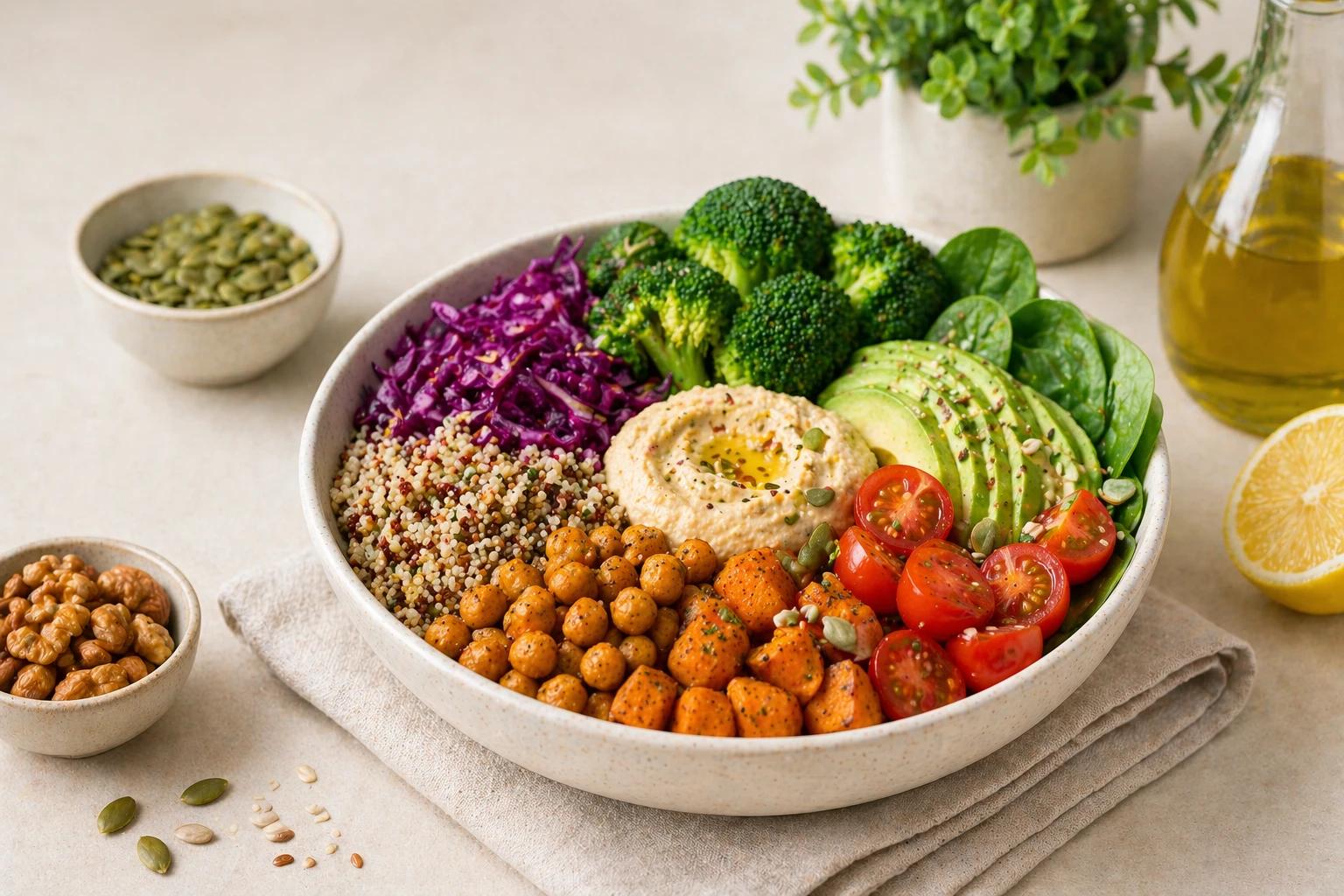

Ever wondered why some foods leave you feeling amazing whilst others just fill you up? The secret lies in understanding what are nutrient dense foods and how they can transform your health game. These powerhouse foods pack maximum nutrition into every bite, giving your body exactly what it needs without the empty calories. Think of them as the MVPs of your plate—working harder so you feel better. Let's dive into everything you need to know about these nutritional champions and how they can become your new best friends in the kitchen.
Nutrient dense foods are basically the overachievers of the food world. They deliver high amounts of vitamins, minerals, fiber, and other essential nutrients whilst keeping calories relatively low. It's all about getting the most nutritional bang for your caloric buck.
The science behind it is pretty straightforward—these foods have a high nutrient-to-calorie ratio. Whilst a doughnut might give you 300 calories with minimal nutrients, a cup of spinach delivers loads of vitamins A, C, and K, plus folate and iron, for just 7 calories. That's what we call smart eating.
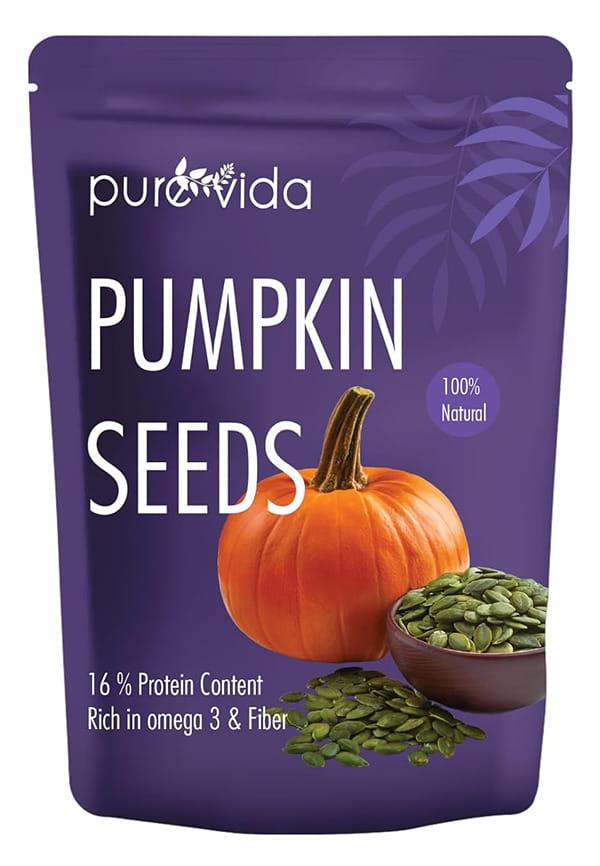
Pumpkin Seeds | High in Protein, Fiber & Healthy Fats
Real nutrient dense foods share some common traits that make them stand out from the crowd.
High in vitamins and minerals - They're packed with the micronutrients your body craves
Rich in fiber - Keeps your digestive system happy and you feeling full
Quality protein sources - Essential amino acids for muscle health and repair
Low in added sugars - No sneaky sweeteners hiding in there
Minimal saturated fat - Heart-friendly options that don't clog your arteries
Low sodium content - Won't leave you feeling bloated or puffy
Here's the thing—your body is basically a high-performance machine that needs premium fuel to run properly. Foods high in nutrients give you optimal nutrition without loading you up with excess calories that your body doesn't need.
These nutritional powerhouses support your immune function, help prevent chronic diseases, and give you sustained energy throughout the day. Plus, they're brilliant for weight management because they keep you satisfied without the calorie overload.
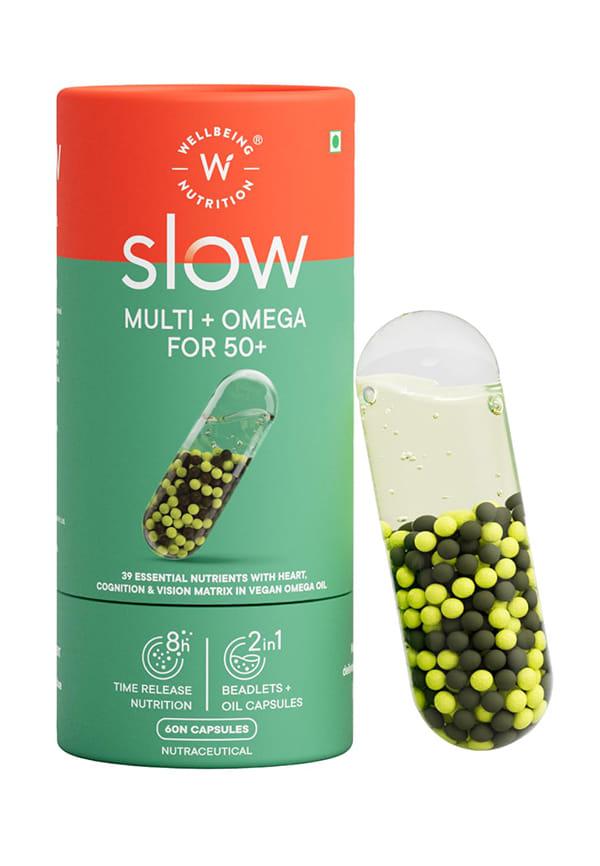
Slow Multi + Omega 50+ | Vitamin D3, Calcium, Iron, Amino Acids & 39 Nutrients
Ready to meet the all-stars of nutrition? These foods consistently rank highest when it comes to delivering maximum nutrients per calorie. Think of this as your cheat sheet for building a healthier plate.
Scientists actually use scoring systems to rank foods based on their nutrient density. The higher the score, the more nutritional value you're getting. Let's break down the top categories that deserve a permanent spot in your kitchen.
These green machines are absolute nutritional rockstars. Spinach, kale, and Swiss chard are loaded with vitamins A, C, and K, plus folate and iron.
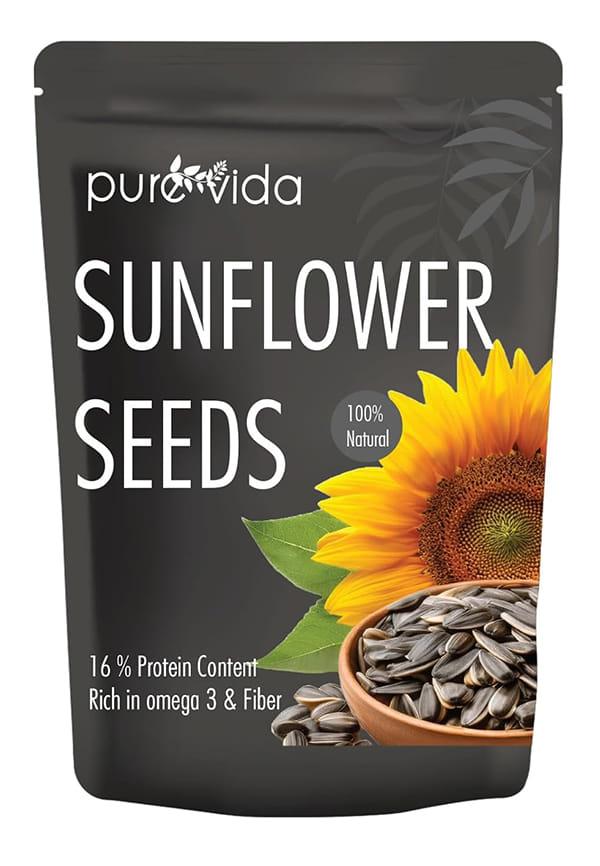
Sunflower Seeds | Nutrient-Rich Superfood for Heart & Skin Health
Spinach - Iron, folate, and vitamin K for bone health
Kale - Vitamin C powerhouse with antioxidants
Broccoli - Fiber, vitamin C, and cancer-fighting compounds
Brussels sprouts - Vitamin K and fiber for digestive health
When it comes to the best sources of nutrients from the sea, fatty fish take the crown. They're packed with omega-3 fatty acids and high-quality protein that your body absolutely loves.
Salmon - Omega-3s for heart and brain health
Sardines - Calcium and vitamin D in a tiny package
Mackerel - B vitamins and healthy fats
Shellfish - Zinc, selenium, and lean protein
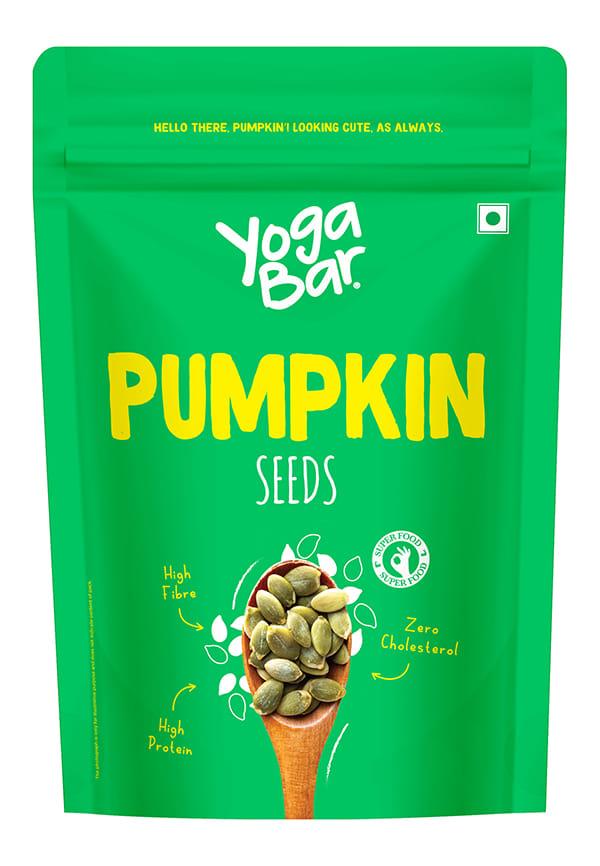
Pumpkin Seeds | Rich in Dietary Fibre
Eggs are basically nature's multivitamin. They contain all nine essential amino acids plus choline for brain health. Other lean proteins like chicken breast and turkey are also fantastic options.
These plant-based powerhouses bring healthy fats, fiber, and protein to the party. Almonds, walnuts, chia seeds, and flax seeds are particularly brilliant choices.
Chia seeds - Omega-3s and fiber in a tiny package
Almonds - Vitamin E and healthy monounsaturated fats
Lentils - Plant-based protein and folate
Chickpeas - Fiber and protein for sustained energy
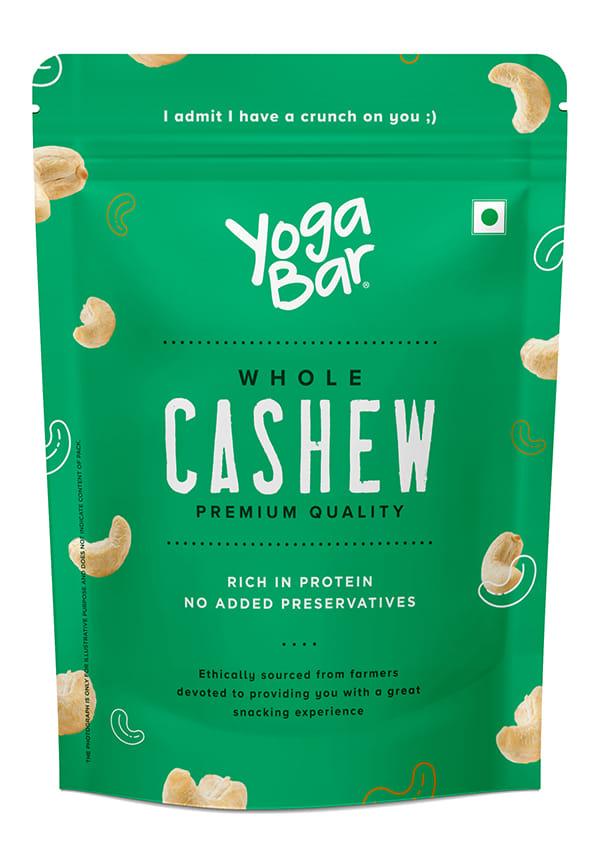
Whole Cashews |Premium Quality | Zero Cholesterol
Let's be real—the term "superfoods" is mostly marketing magic. Whilst foods like goji berries and açai might sound exotic and amazing, they're not necessarily more nutritious than everyday whole foods nutrition champions like blueberries or spinach.
The truth is, variety matters way more than obsessing over individual "superfoods." A diverse diet filled with different nutrient dense foods will always beat putting all your eggs in one superfood basket. Plus, many of the most nutrient-rich foods are actually quite affordable and accessible.
Creating high nutrient meals doesn't have to be complicated. It's all about strategic planning and knowing how to combine foods for optimal health benefits.
The key is thinking about your plate in sections—aim for half your plate to be vegetables, a quarter lean protein, and a quarter whole grains or starchy vegetables. This simple formula ensures you're getting a good mix of nutrients without overthinking it.
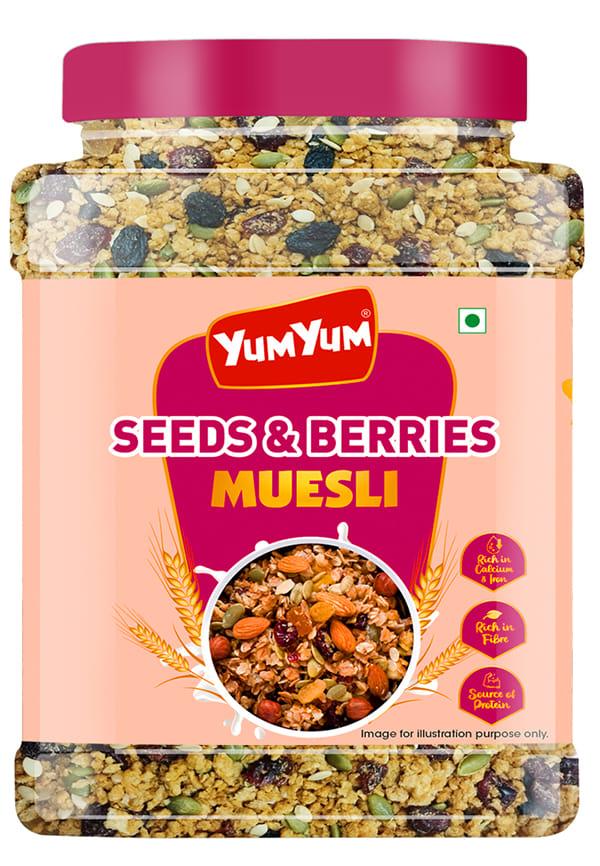
Seeds & Berries Muesli | Whole Grain, Raisins, Cranberries, Watermelon Seeds, Pumpkin Seeds
Some nutrients work better together—it's like they're best friends who bring out the best in each other. Understanding these partnerships can help you maximise the nutritional value of your meals.
Iron + Vitamin C - Pair spinach with citrus fruits for better iron absorption
Calcium + Vitamin D - Think yoghurt with fortified cereals
Healthy fats + fat-soluble vitamins - Add avocado to your salad for better vitamin absorption
Building a practical healthy foods list starts with understanding what's available, affordable, and fits your lifestyle. You don't need to break the bank to eat well—many of the most nutrient dense foods are surprisingly budget-friendly.
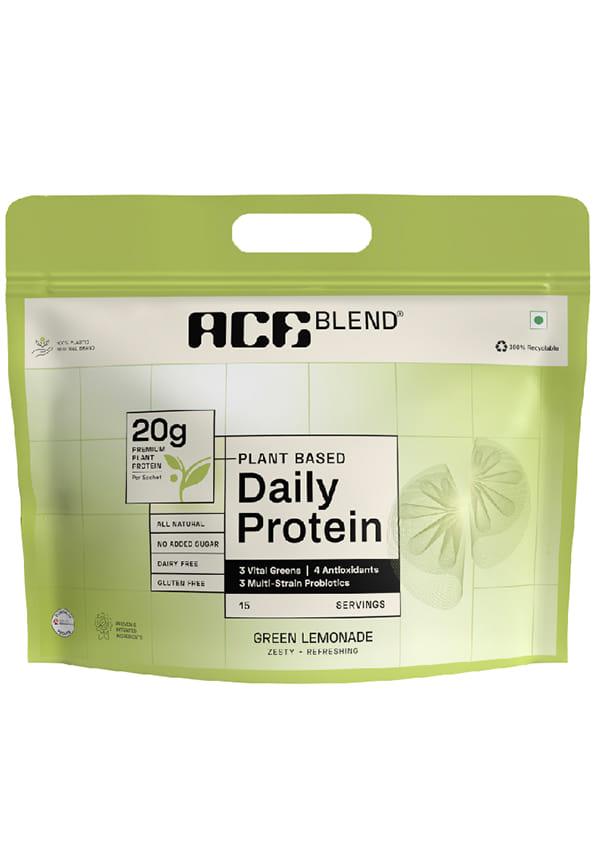
DAILY, 20G Complete Vegan Plant Protein Powder & Superfoods, Empowers Fat Loss
Focus on seasonal produce when possible, as it's often more affordable and at peak nutrient content. Frozen vegetables and fruits can be just as nutritious as fresh ones, and they last longer too. When exploring new dietary nutrients and wellness products, platforms like Smytten make it easier to discover and try different health-focused brands before committing to full-size purchases.
Eating nutrient dense foods doesn't mean spending a fortune. Some of the most nutritious options are actually quite affordable.
Eggs - Complete protein for under ₹10 per serving
Bananas - Potassium and natural sugars for quick energy
Sweet potatoes - Beta-carotene and fiber
Canned fish - Omega-3s without the fresh fish price tag
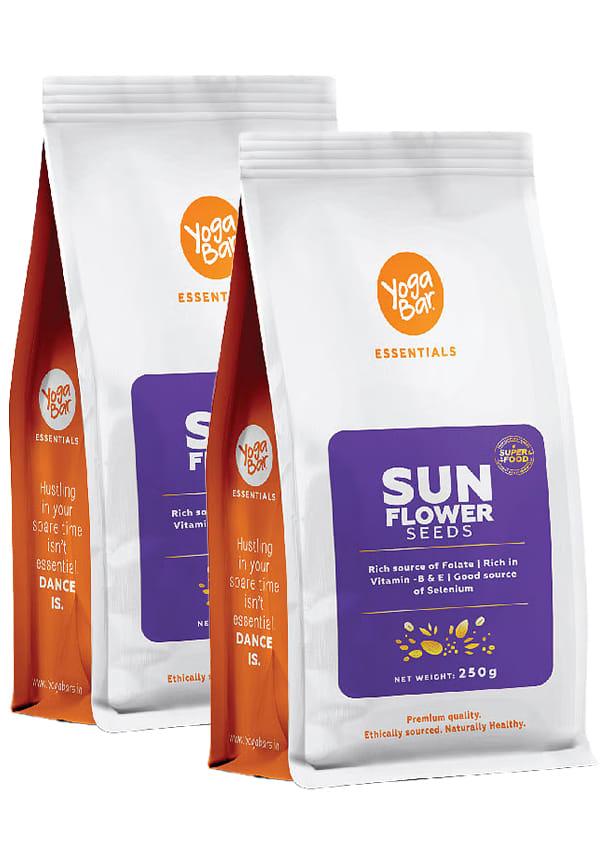
Sunflower Seeds For Eating Protein and Fibre Rich Superfood
There's loads of misinformation floating around about dietary nutrients and what makes food "healthy." Let's clear up some of the biggest myths that might be confusing your food choices.
One major myth is that expensive automatically means more nutritious. Truth is, some of the most nutrient dense foods—like beans, eggs, and seasonal vegetables—are actually quite affordable. Another common misconception is that supplements can replace whole foods nutrition, but your body absorbs and uses nutrients from whole foods much more effectively.
The best examples include leafy greens like spinach and kale, fatty fish such as salmon and sardines, eggs, nuts and seeds, legumes, and colourful vegetables like sweet potatoes and bell peppers. These foods pack maximum nutrition into every calorie.
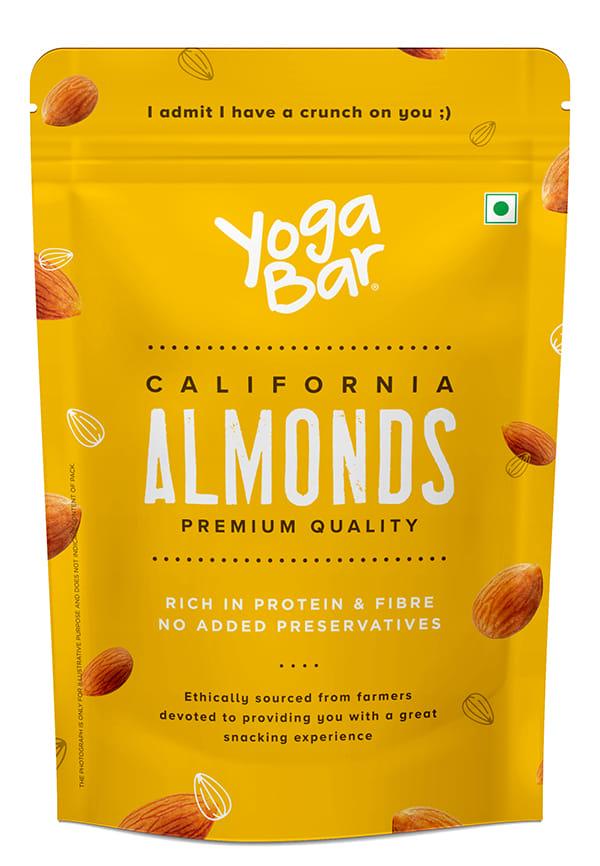
California Almonds | Premium Quality |High Protein and Fibre
Based on nutrient density scores, the top contenders are salmon, kale, seaweed, garlic, shellfish, potatoes, liver, sardines, blueberries, and egg yolks. These foods consistently rank highest for delivering essential vitamins, minerals, and healthy compounds.
Start small by swapping one processed food for a whole food option each day. Add a handful of spinach to your smoothie, choose brown rice over white, or snack on nuts instead of crisps. Gradual changes are more sustainable than dramatic diet overhauls.
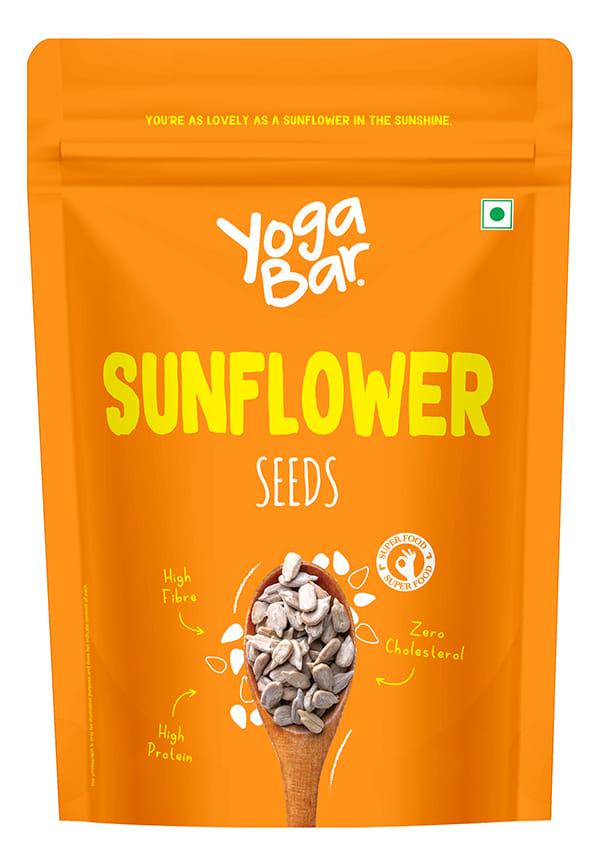
Sunflower Seeds |Rich in Vitamin B & E
Absolutely. These foods are naturally more filling due to their fiber and protein content, which helps control hunger and prevents overeating. You'll feel satisfied on fewer calories, making weight management much easier and more sustainable.
The nutrient differences between organic and conventional foods are generally minimal. Focus on eating a variety of fruits and vegetables rather than worrying about whether they're organic. The most important thing is getting enough nutrients, regardless of how the food was grown.
A well-planned diet rich in nutrient dense foods can meet most of your nutritional needs. However, some nutrients like vitamin B12 (for vegans) or vitamin D might require supplementation depending on your diet and lifestyle. It's worth chatting with a healthcare provider about your specific needs.
Understanding what are nutrient dense foods is your first step towards better health and sustained energy. These nutritional powerhouses give you maximum bang for your caloric buck, supporting everything from immune function to weight management.
The beauty of nutrient dense eating is its simplicity—focus on whole foods, eat a variety of colours, and don't overthink it. Whether you're exploring new wellness products or building better eating habits, platforms like Smytten make it easier to discover and try different health-focused brands with their curated trial packs. With over 25 million users trusting their product discovery approach, you can explore various wellness and nutrition products before committing to full-size purchases. Remember, small changes add up to big results, so start where you are and build from there. Your body will thank you for every nutrient dense choice you make.
