What Are Natural Sweeteners? Your FAQ Answered
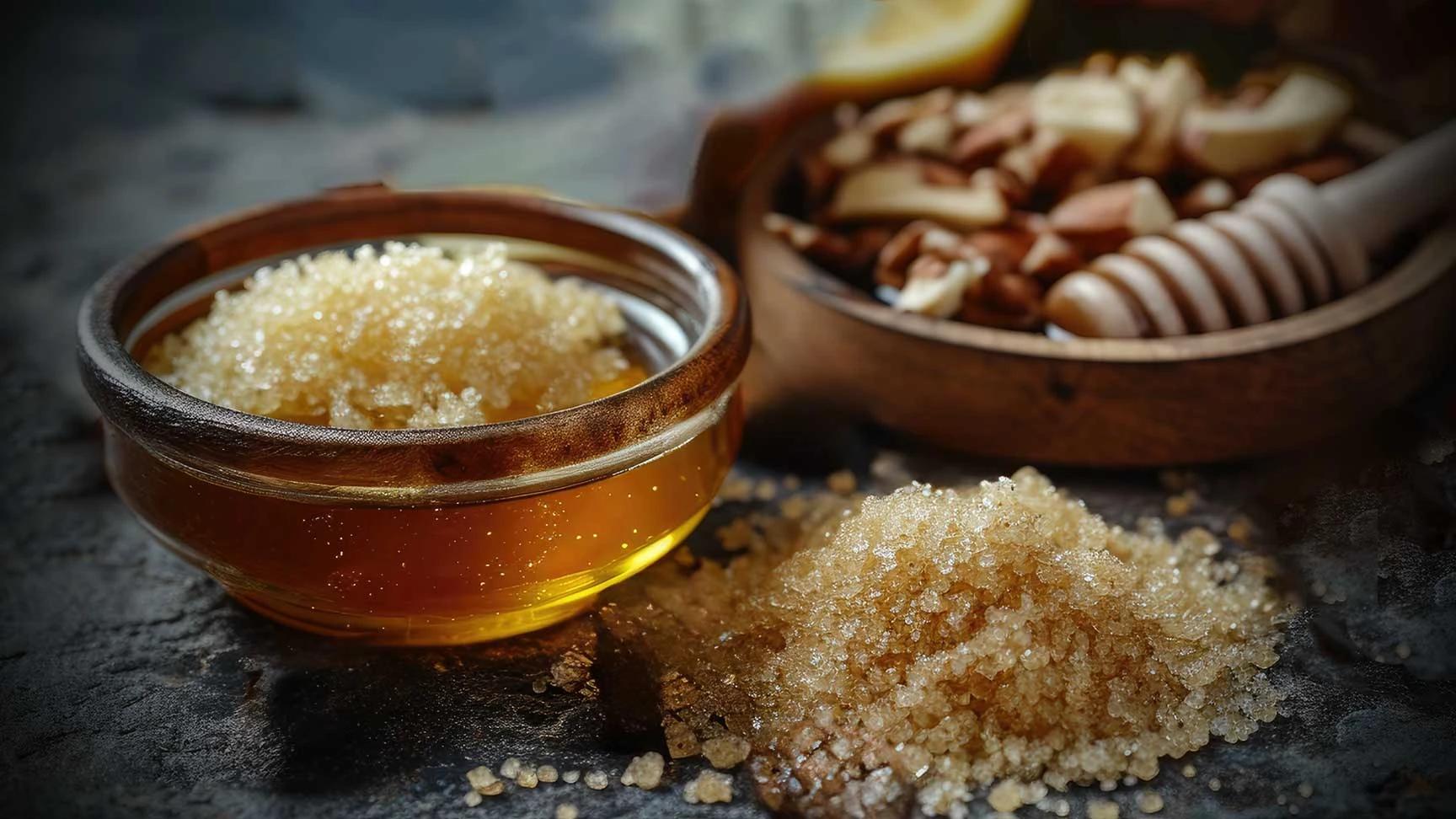

Let's be real—sugar gets a bad rap these days, and for good reason. But when you're craving something sweet, what are your options? Enter natural sweeteners, the game-changers that might just become your new kitchen staples. Whether you're managing diabetes, trying to cut calories, or simply want to make healthier choices, understanding what natural sweeteners are and how they work can transform your relationship with sweet treats. From stevia to monk fruit, these plant-derived alternatives offer a world of possibilities without the guilt trip that comes with refined sugar.
Natural sweeteners are sugar substitutes derived from plants, fruits, or other natural sources rather than being artificially created in laboratories. Unlike refined white sugar, which is heavily processed and stripped of nutrients, these alternatives often retain some of their original nutritional value and come with unique flavour profiles that can actually enhance your food and drinks.
The key difference lies in how they're made. While artificial sweeteners like aspartame are synthetic compounds, natural sugar substitutes come from sources like stevia leaves, monk fruit, coconut palm sap, or bee honey. However, it's worth noting that "natural" doesn't always mean unprocessed—some natural sweeteners still undergo refinement to create the final product you find on shelves.
Minimally Processed Options: Raw honey, pure maple syrup, and fresh stevia leaves fall into this category. They retain most of their natural compounds and nutrients.
Refined Natural Sweeteners: Coconut sugar, agave nectar, and commercial stevia extracts are processed but still derived from natural sources. They're more convenient but may lose some nutritional benefits during processing.
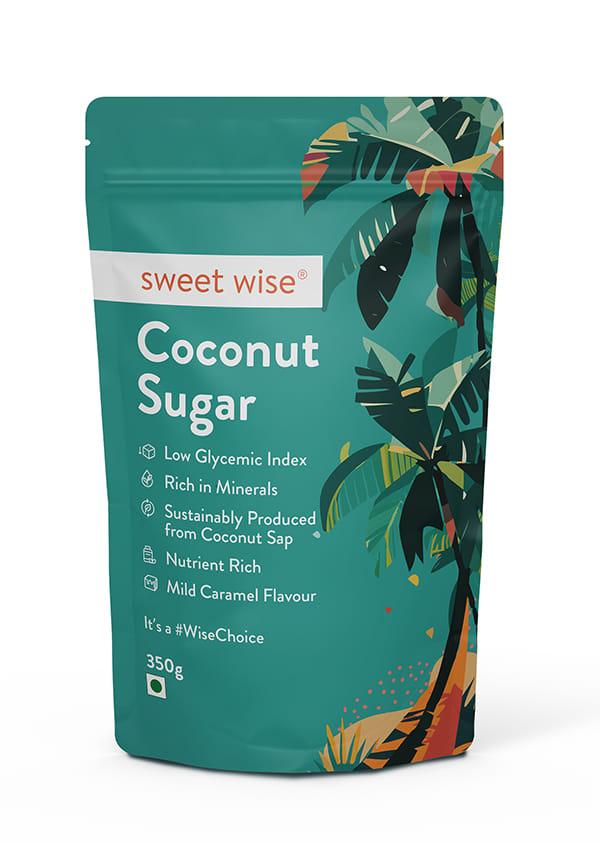
Coconut Sugar| Low Glycemic Sugar | Healthy Sugar Alternative
Not all natural sweeteners are created equal, and choosing the right one depends on your specific goals and dietary requirements. Here's your guide to the top performers in different categories.
Stevia: Extracted from stevia leaves, this powerhouse is 200-300 times sweeter than sugar with zero calories. Perfect for beverages and light baking, though it can have a slight aftertaste that some people notice.
Monk Fruit Sweetener: This fruit extract is incredibly sweet (150-200 times more than sugar) with no calories or blood sugar impact. It's heat-stable, making it brilliant for baking, and has a clean taste without the bitter notes some find in stevia.
Allulose: A rare sugar that occurs naturally in small quantities in foods like figs and raisins. It tastes almost identical to regular sugar but has 90% fewer calories and doesn't spike blood glucose levels.
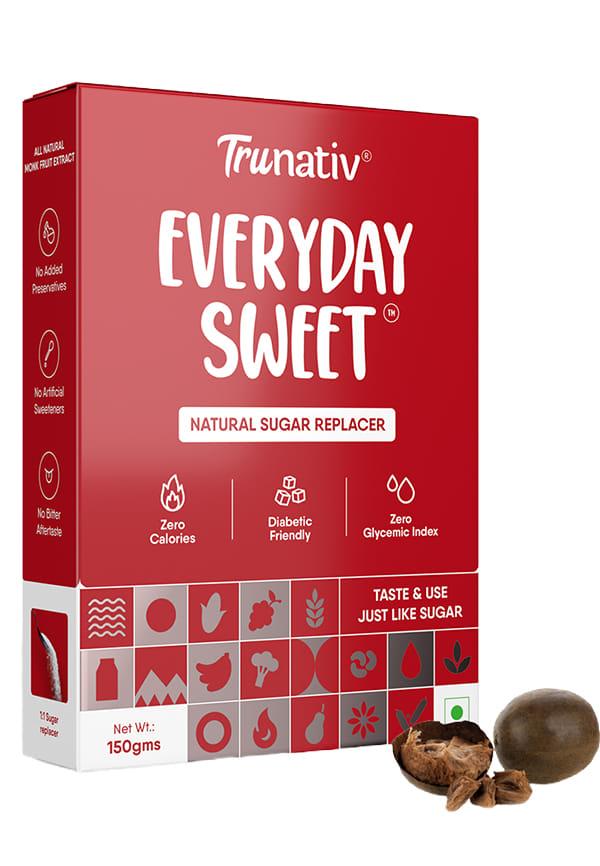
Everyday Sweet 1:1 Monk Fruit Juice Powder, Natural Sugar Replacer, Diabetic Friendly
Raw Honey: Contains antioxidants, enzymes, and trace minerals. It has antimicrobial properties and can soothe sore throats, but it's still high in calories and affects blood sugar.
Pure Maple Syrup: Rich in manganese and zinc, with a distinctive flavour that works beautifully in both sweet and savoury dishes. Look for Grade A varieties for the best taste and nutritional profile.
Coconut Sugar: Made from coconut palm sap, it retains small amounts of nutrients like iron and zinc. It has a lower glycemic index than regular sugar and adds a subtle caramel flavour to recipes.
Your health needs should guide your sweetener choices. Here's how to match the right alternative sweeteners to your lifestyle and dietary requirements.
Managing diabetes doesn't mean giving up sweetness entirely. The key is choosing healthy sweeteners that won't send your blood glucose levels on a rollercoaster ride.
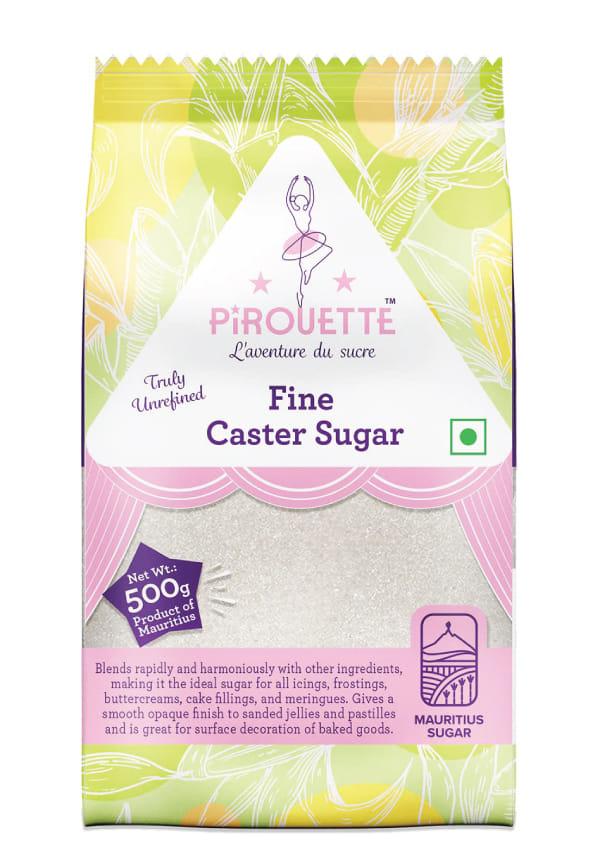
Fine Caster Sugar
Top Picks: Stevia, monk fruit, and allulose are your best friends here. They have minimal to zero impact on blood sugar levels, making them safe choices for daily use. Erythritol, a sugar alcohol, is another solid option with just 0.2 calories per gram and a glycemic index of zero.
What to Limit: Even "natural" options like honey, maple syrup, and agave nectar can spike blood sugar levels. If you choose to use them, do so sparingly and always monitor your glucose response.
Baking with natural sweeteners requires a bit of kitchen chemistry knowledge, but the results can be absolutely worth it.
Heat-Stable Winners: Monk fruit and coconut sugar handle high temperatures beautifully. Erythritol works well too, though it can crystallise in some recipes.
Conversion Tips: Most granulated natural sweeteners can replace sugar at a 1:1 ratio, but liquid sweeteners like maple syrup or agave require reducing other liquids in your recipe. Start with 3/4 the amount of liquid sweetener and adjust from there.
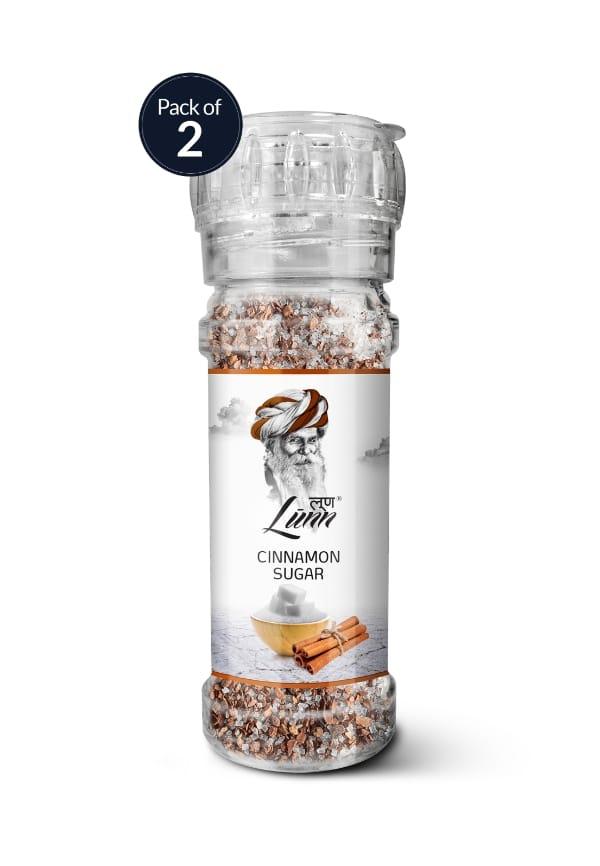
Cinnamon Sugar
When you're watching your calorie intake, these options let you satisfy sweet cravings without derailing your goals.
Best Choices: Stevia and monk fruit top the list with zero calories. Allulose provides the mouthfeel of sugar with just 0.4 calories per gram compared to sugar's 4 calories per gram.
Smart Usage: Use these in beverages, yoghurt, and light desserts where you want sweetness without the caloric load. They're particularly brilliant for sweetening tea, coffee, and smoothies.
Beyond just being "better than sugar," many natural sweeteners offer genuine health benefits that make them worth incorporating into your diet.
Raw honey brings antioxidants and antimicrobial compounds to the table, while pure maple syrup contains manganese for bone health and zinc for immune function. These benefits come with calories, though, so moderation is key.
The real winners for health-conscious folks are the zero-calorie options. Stevia may help lower blood pressure in some studies, while monk fruit contains mogrosides—compounds with anti-inflammatory properties. Allulose might even support healthy gut bacteria, though more research is needed.
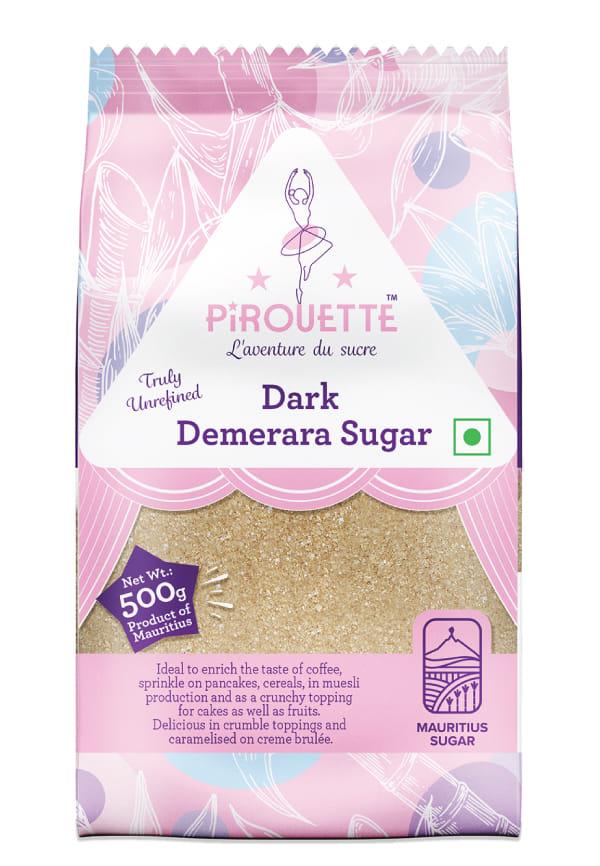
Dark Demerara Sugar
For dental health, most natural sweeteners are kinder to your teeth than regular sugar. Sugar alcohols like xylitol and erythritol may actually help prevent tooth decay by inhibiting harmful bacteria growth.
With so many options available, picking the right natural sweetener can feel overwhelming. Here's how to narrow down your choices based on what matters most to you.
Are you managing diabetes? Go for zero-glycemic options like stevia or monk fruit. Trying to lose weight? Stick with low-calorie or zero-calorie choices. Want to add nutrients to your diet? Raw honey or maple syrup in small amounts might be worth the extra calories.
Think about taste preferences too. If you're sensitive to aftertastes, monk fruit might work better than stevia. If you love rich, complex flavours, coconut sugar or maple syrup could be your jam.
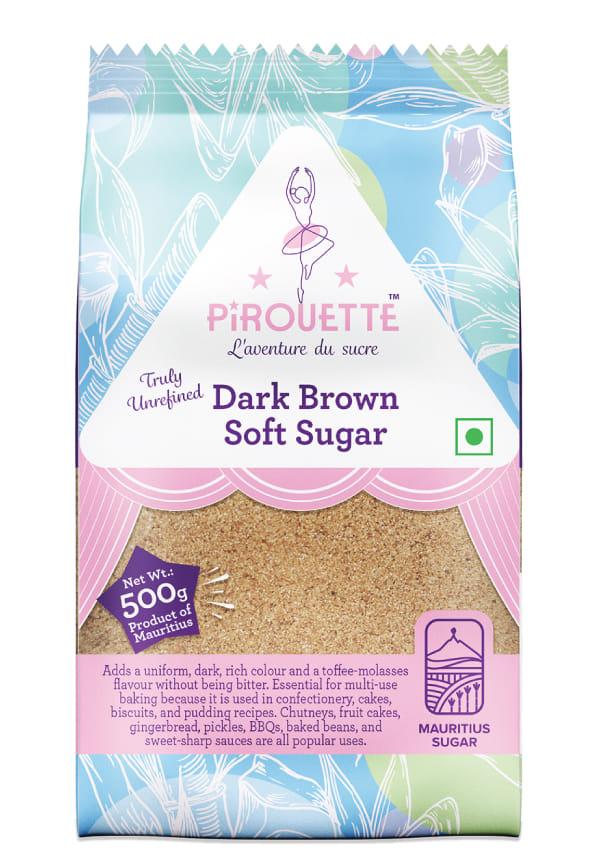
Dark Brown Soft Sugar
Not all "natural" sweeteners are created equal. Look for products with minimal ingredients—ideally just the sweetener itself. Avoid blends with added fillers, artificial flavours, or other sweeteners unless you specifically want a particular taste or texture.
For stevia products, check if they contain steviol glycosides (the sweet compounds) or if they're bulked up with other ingredients. Pure monk fruit extract should list monk fruit as the primary ingredient, not maltodextrin or other fillers.
Let's address the elephant in the room—are natural sweeteners really the miracle solution they're often made out to be?
Just because something is natural doesn't automatically make it healthier. Agave nectar, for instance, is higher in fructose than high-fructose corn syrup. Coconut sugar, while containing trace minerals, still affects blood sugar similarly to regular sugar.
The key is understanding that natural sweeteners are tools, not magic bullets. They can help you reduce refined sugar intake and may offer some nutritional benefits, but they're not a free pass to consume unlimited sweet foods.
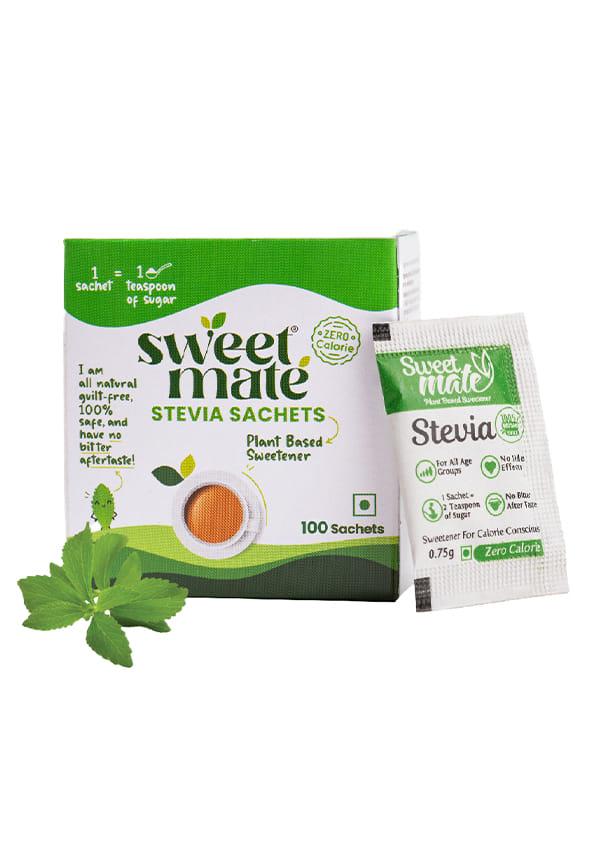
Stevia Sachets
Sugar alcohols like erythritol and xylitol can cause digestive issues in some people, especially when consumed in large amounts. Start with small quantities to see how your body responds.
Some people experience headaches or digestive upset with certain stevia products, often due to added ingredients rather than the stevia itself. If you notice any adverse effects, try switching brands or types.
Ready to make the switch? Here's how to transition smoothly without shocking your taste buds or breaking your budget.
Start by replacing sugar in beverages—this is often the easiest swap since you can adjust sweetness levels gradually. Try stevia or monk fruit in your morning coffee or tea, starting with less than you think you need and building up.
For baking experiments, begin with simple recipes like muffins or cookies where slight texture changes won't ruin the final product. Keep notes on what works and what doesn't—this becomes your personal sweetener cookbook.
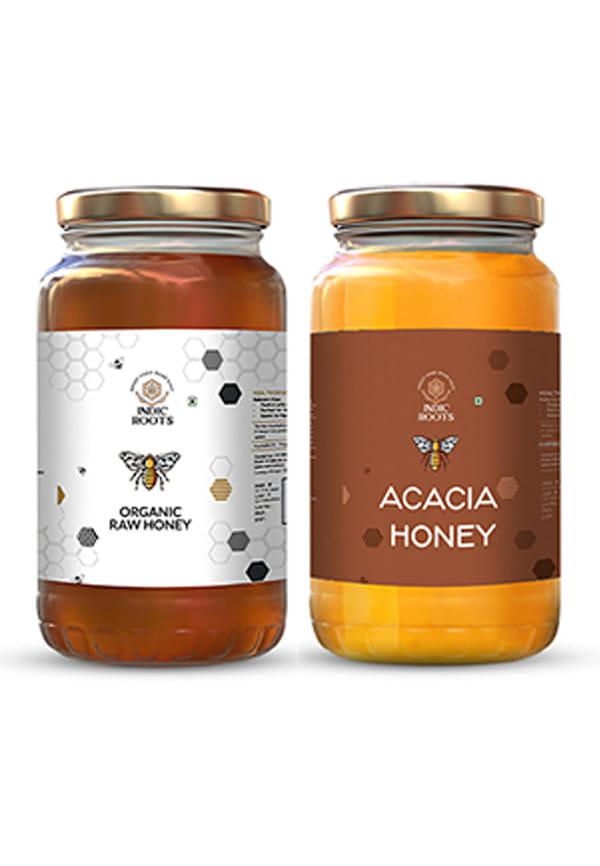
Raw Forest Honey
Budget-wise, buying in bulk often saves money, especially for frequently used options like erythritol or coconut sugar. Many natural sweeteners have long shelf lives when stored properly in cool, dry places.
When exploring new products and brands, platforms like Smytten make it easier to try different natural sweeteners without committing to full-size purchases. With trial packs from trusted brands, you can discover which types of natural sweeteners work best for your taste preferences and dietary needs before investing in larger quantities.
The most popular natural sweeteners include stevia (from stevia leaves), monk fruit sweetener, raw honey, pure maple syrup, coconut sugar, agave nectar, date syrup, and sugar alcohols like erythritol and xylitol. Each offers different benefits in terms of calories, glycemic impact, and flavour profiles.
Natural sweeteners often provide additional nutrients and antioxidants that artificial sweeteners don't offer. However, artificial sweeteners typically have more extensive safety research and may be better for strict calorie control. The "better" choice depends on your individual health goals and preferences.
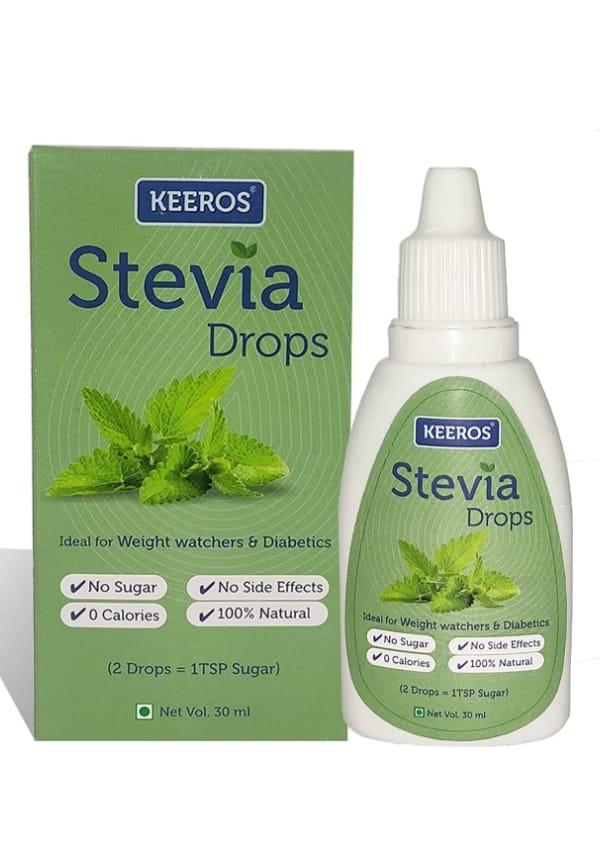
Stevia Drops Liquid Sweetener-100% Natural Extract of Stevia Leaves | Pack of 1x30ml
Zero-calorie natural sweeteners like stevia and monk fruit can support weight loss by reducing overall calorie intake when they replace sugar. However, they're not weight loss magic—success still depends on overall diet and lifestyle choices.
It depends on the type. Zero-calorie options like stevia, monk fruit, and allulose have minimal blood sugar impact. Nutritive sweeteners like honey, maple syrup, and coconut sugar will raise blood glucose, though often less dramatically than refined sugar.
Most natural sweeteners are well-tolerated, but sugar alcohols can cause digestive issues like bloating or diarrhoea in some people. Some individuals may experience headaches or allergic reactions to specific sweeteners. Start with small amounts to assess your tolerance.
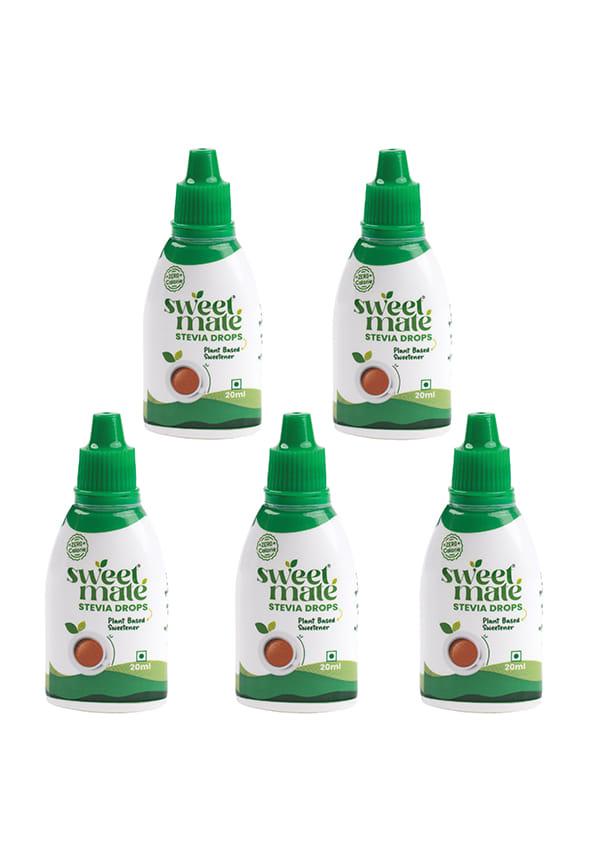
Stevia Drops
Monk fruit, coconut sugar, and erythritol are excellent for baking due to their heat stability. Liquid sweeteners like maple syrup and agave work well but require recipe adjustments to account for added moisture. Stevia can be tricky in baking due to its intense sweetness.
This varies significantly by type. Stevia and monk fruit are much sweeter than sugar, so you'll need only tiny amounts. Coconut sugar and erythritol can often substitute 1:1 for regular sugar. Always check package instructions and start with less than recommended, adjusting to taste.
Most natural sweeteners are safe for children in moderation. Honey should not be given to infants under 12 months due to botulism risk. For older children, natural sweeteners can be part of a balanced diet, but whole fruits remain the best source of natural sweetness.
Natural sweeteners offer a world of possibilities for anyone looking to reduce refined sugar intake while still enjoying sweet flavours. From zero-calorie powerhouses like stevia and monk fruit to nutrient-rich options like raw honey and maple syrup, there's likely a natural sweetener that fits your taste preferences and health goals.
The key is understanding that no single sweetener is perfect for every situation. Your best approach is experimenting with different options to find what works for your lifestyle, dietary needs, and taste buds. Whether you're managing diabetes, trying to lose weight, or simply want to make healthier choices, natural sweeteners can be valuable tools in your kitchen arsenal.
Remember, even natural sweeteners should be used mindfully. The goal isn't to replace one sweet addiction with another, but to gradually retrain your palate to appreciate more subtle sweetness levels. With platforms like Smytten offering trial packs from over 1,500 trusted brands, you can explore different natural sweetener products and find your perfect matches without the commitment of full-size purchases. After all, why settle for 'maybe' when you can try it all and discover what truly works for you?
