What Are Low Calorie Foods? Your Complete FAQ Guide
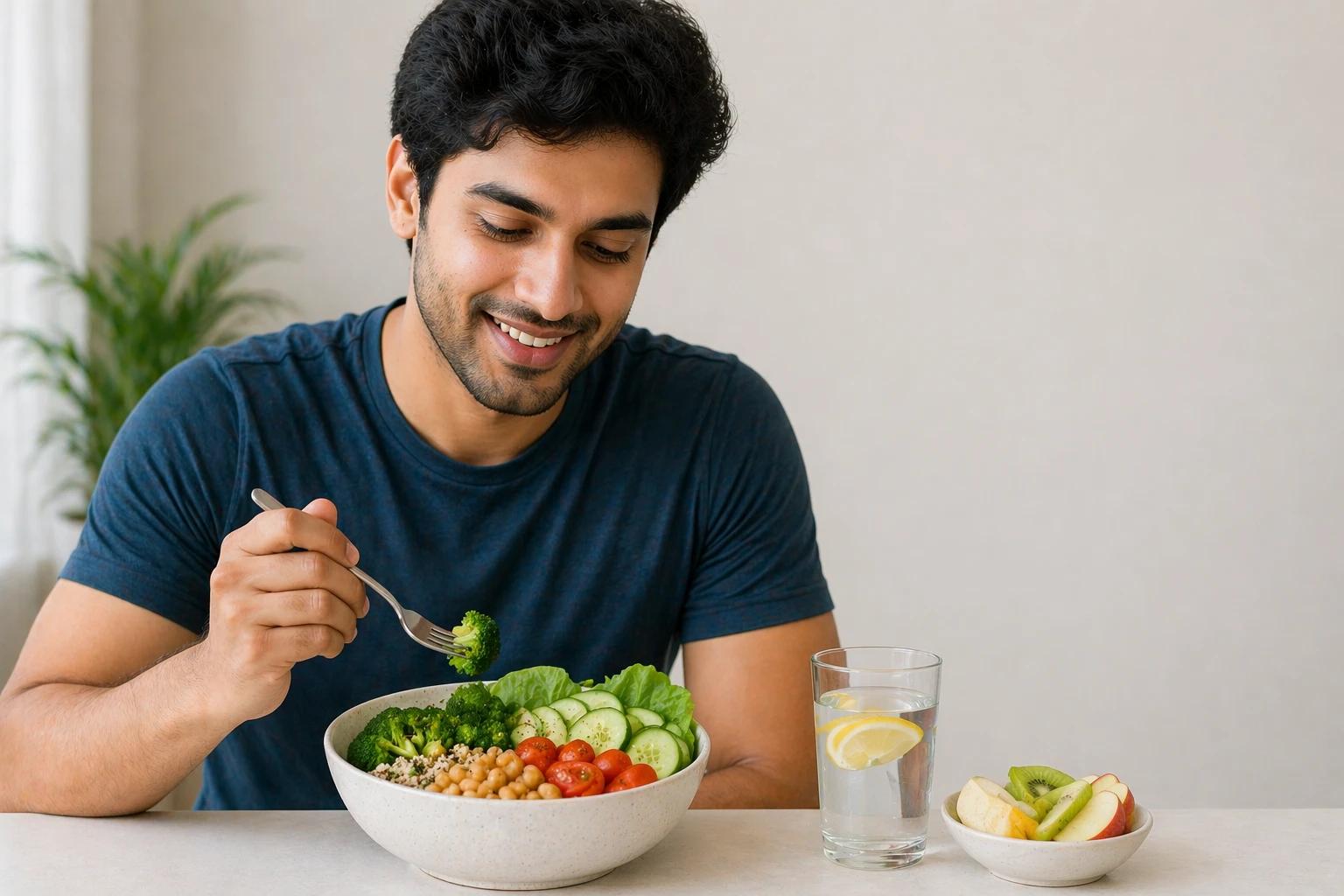

Let's be real—navigating the world of healthy eating can feel overwhelming, especially when you're trying to figure out what counts as low calorie foods. Whether you're looking to shed a few kilos, maintain your current weight, or simply make smarter food choices, understanding low calorie options is your first step towards success. From crunchy vegetables that satisfy your snacking urges to filling meals that won't derail your goals, we've got all the answers to your burning questions about foods that work with your body, not against it.
When we talk about low calorie foods, we're essentially looking at items that give you maximum nutrition and satisfaction for minimal caloric impact. Think of it as getting the best bang for your buck, but instead of money, you're working with your daily calorie budget.
The magic lies in calorie density—how many calories are packed into each gram of food. Low calorie foods typically contain high amounts of water and fibre whilst being naturally low in fats and sugars. Generally, foods under 50 calories per serving are considered very low calorie, whilst anything under 100 calories per serving still falls into the low calorie category.
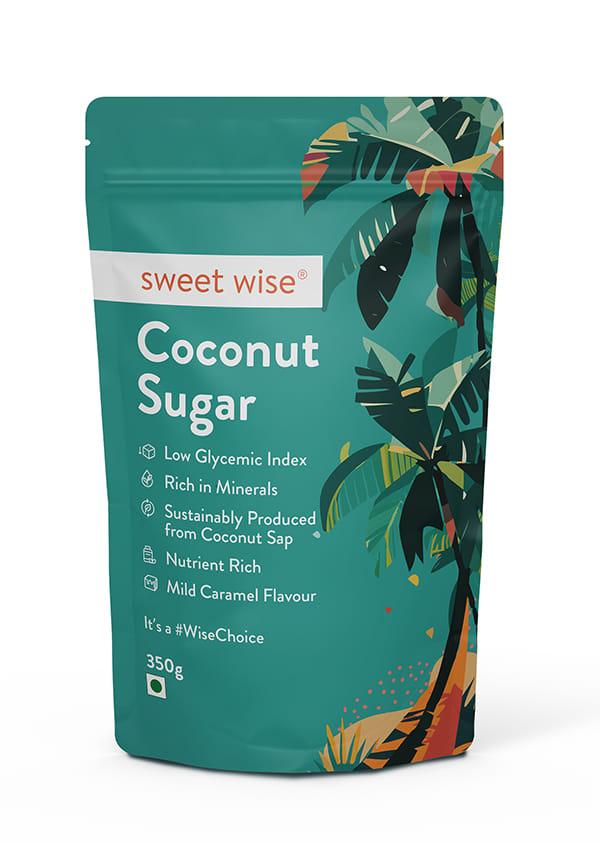
Coconut Sugar| Low Glycemic Sugar | Healthy Sugar Alternative
Here's where the science gets interesting. Foods for weight loss work because they help create a calorie deficit—burning more calories than you consume. But it's not just about the numbers. These foods often require more energy to digest (hello, celery!) and keep you feeling full longer thanks to their fibre and water content.
Vegetables are absolute champions when it comes to low calorie eating. They're packed with nutrients, fibre, and water, making them perfect for anyone looking to feel satisfied without overdoing the calories.
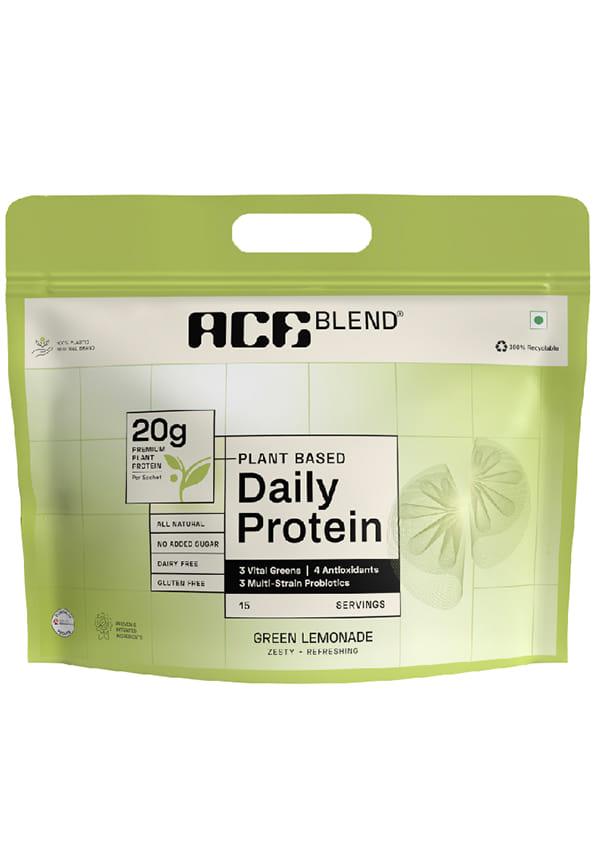
DAILY, 20G Complete Vegan Plant Protein Powder & Superfoods, Empowers Fat Loss
Leafy greens like spinach clock in at just 7 calories per cup—that's practically nothing! Lettuce, kale, and rocket are equally impressive. Then you've got the water-rich champions like cucumber (16 calories per 100g) and celery, which are perfect for when you want to crunch your way through a snack attack.
Don't sleep on cruciferous vegetables either. Broccoli might seem higher at 54 calories per cooked cup, but it's absolutely worth it for the nutrition and satisfaction factor. Cauliflower and Brussels sprouts are equally brilliant choices.
Tomatoes and onions make fantastic flavour bases for virtually any dish whilst keeping calories in check. Bell peppers and mushrooms add serious volume to your meals without the caloric baggage. The key is in how you prepare them—steaming, grilling, or roasting brings out amazing flavours without adding unnecessary fats.
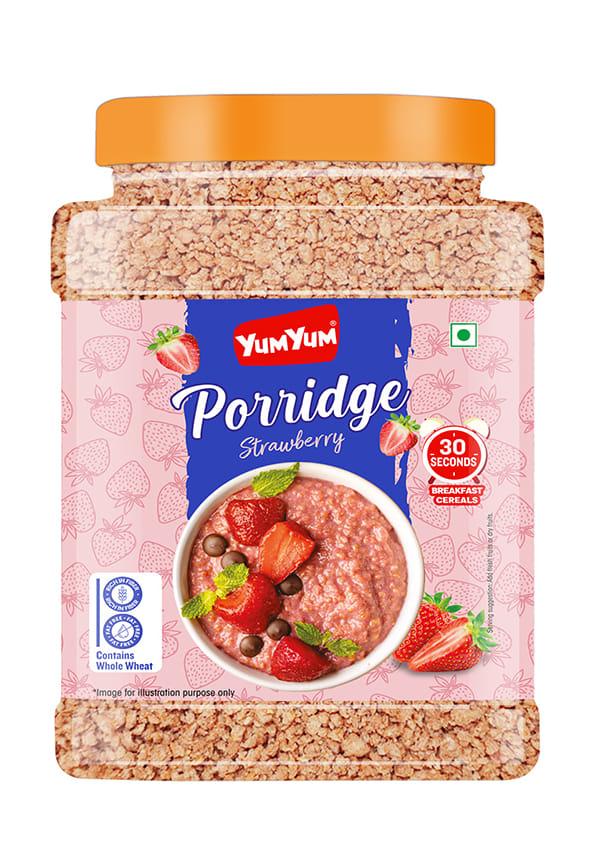
Strawberry Porridge / Healthy breakfast Cereal/Ready to Eat/Low in Fat Jar
Just because you're watching calories doesn't mean you have to give up on sweetness. Low calorie fruits offer natural sugars along with essential vitamins, minerals, and fibre that processed sweets simply can't match.
Strawberries, blueberries, and raspberries are absolute gems in the low calorie world. They're packed with antioxidants and fibre, which means they'll keep you satisfied longer than you'd expect. Plus, they're versatile enough to jazz up everything from your morning yoghurt to evening snacks.
Water-rich fruits like watermelon, cantaloupe, and honeydew are brilliant for those moments when you want something refreshing and sweet. Citrus fruits—oranges, grapefruit, and lemons—not only keep calories low but also provide that vitamin C boost your body craves.
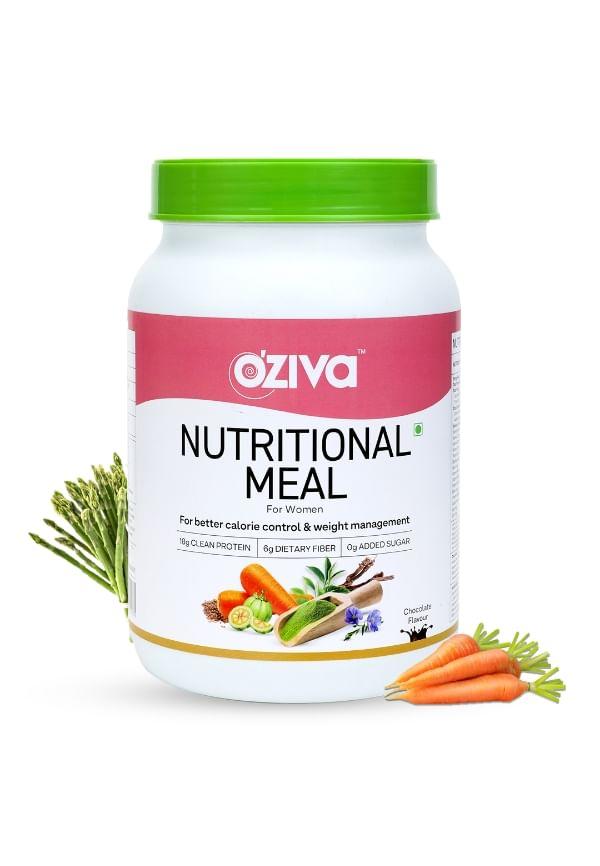
Nutritional Meal Women for Weight Management, Meal Replacement Shake, Chocolate
Here's a pro tip: fresh fruit will always trump dried versions when you're watching calories. A cup of fresh grapes has about 60 calories, whilst the same amount of raisins packs over 400 calories. It's all about making those smart swaps that keep you on track.
Building healthy low calorie meals isn't about eating tiny portions and feeling miserable. It's about combining the right ingredients to create satisfying, nutritious meals that happen to be lower in calories.
Start with lean proteins like chicken breast, fish, or egg whites. These keep you full and help maintain muscle mass. Add complex carbohydrates in controlled portions—think brown rice, oats, or quinoa. Finally, include healthy fats in small amounts because they're essential for nutrient absorption and satiety.
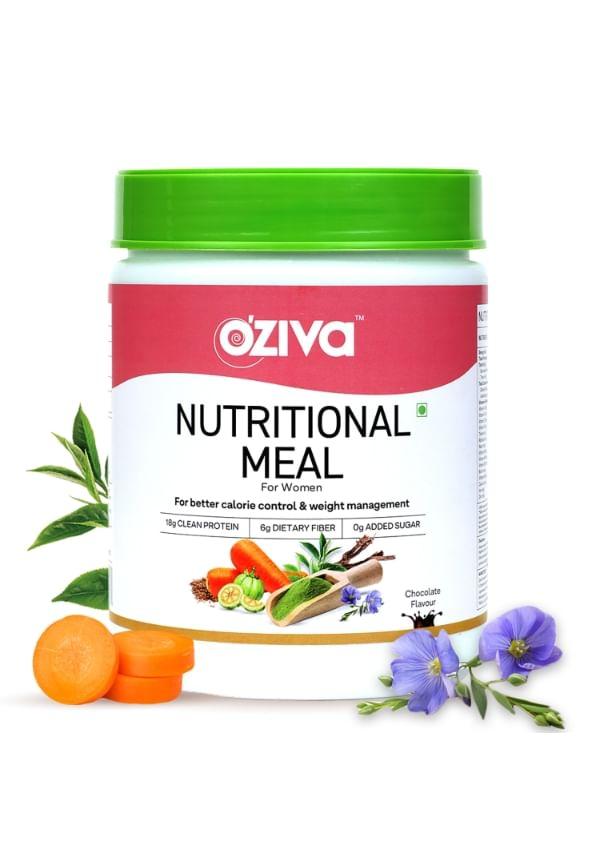
Nutritional Meal Women for Weight Management, Meal Replacement Shake, Chocolate
A brilliant example might be grilled chicken breast with roasted vegetables and a small portion of brown rice, drizzled with a tiny bit of olive oil and herbs. You're looking at a satisfying meal that's likely under 400 calories.
Indian cuisine offers fantastic low calorie possibilities. Think dal (lentils) with vegetables, grilled tandoori proteins, or vegetable curries made with minimal oil. The spices not only add incredible flavour but may also boost your metabolism slightly.
Smart snacking can actually support your weight goals when done right. The trick is choosing low calorie snacks that provide genuine satisfaction rather than leaving you wanting more.
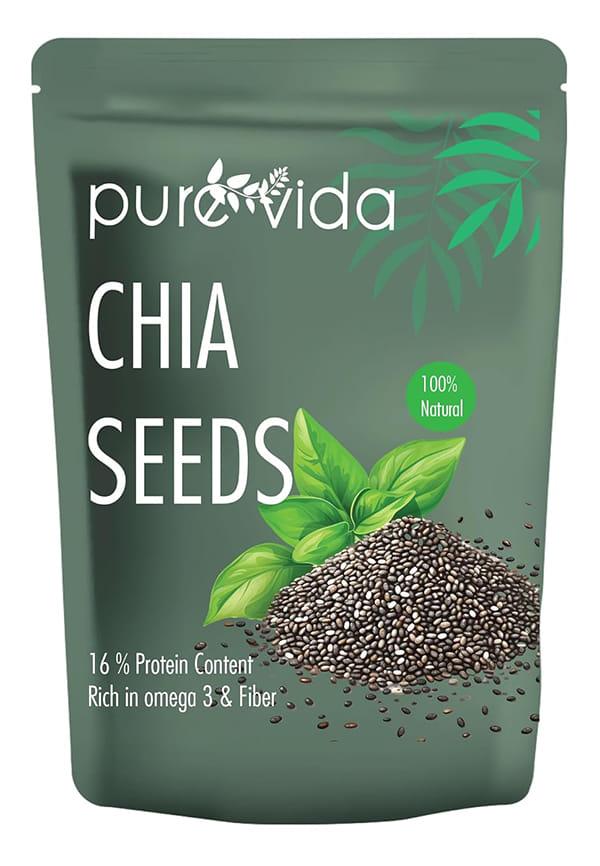
Raw Chia Seeds | Superfood for Weight Management
Greek yoghurt is a superstar here—a small pot often contains around 80-100 calories but packs serious protein punch. Cottage cheese is another brilliant option that keeps you full for ages. Hard-boiled eggs clock in at about 70 calories each and are incredibly portable.
Raw vegetables with a small portion of hummus give you that satisfying crunch factor. Carrot sticks, cucumber slices, or bell pepper strips with two tablespoons of hummus usually come in under 100 calories. Air-popped popcorn (without butter) is another fantastic option for when you want something to munch on.
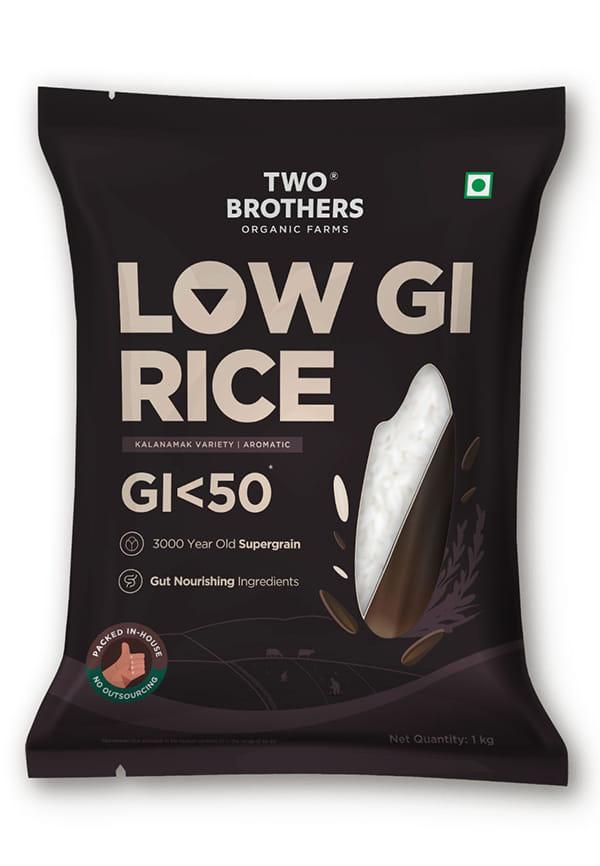
Low GI Rice | Kalanamak Variety
A cup of mixed berries satisfies sweet cravings for around 60-80 calories. Melon chunks are equally refreshing and low in calories. Even a small apple with a sprinkle of cinnamon can feel like a proper treat whilst keeping you well under 100 calories.
Calorie deficit foods are essentially any foods that help you maintain that crucial balance of eating fewer calories than you burn. But it's not just about restriction—it's about making smart choices that support your goals.
Processed snacks like crisps, biscuits, and pastries are calorie-dense but not particularly satisfying. Full-fat dairy products, whilst nutritious, pack more calories than their lower-fat counterparts. Sugary beverages are perhaps the sneakiest culprits—a single fancy coffee drink can contain more calories than an entire meal.
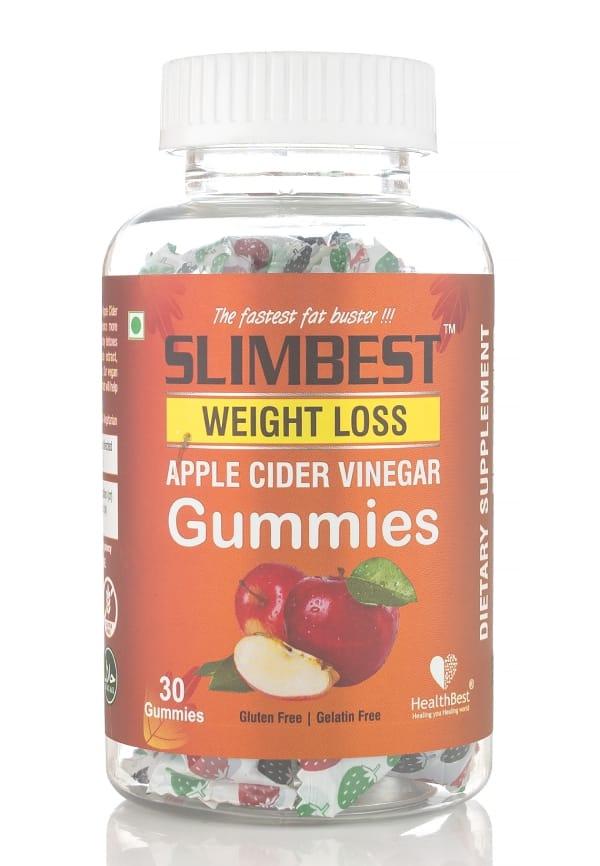
Slimbest Apple Cider Viegar Gummies | Weight Loss | Improve Digestion | Sugar Free
Instead of sugary drinks, try water with lemon, green tea, or black coffee. Swap frying for grilling, baking, or steaming. Use herbs and spices instead of heavy sauces for flavour. These small changes add up to significant calorie savings over time.
Speaking of smart choices, platforms like Smytten make it easier to discover new healthy food brands and products. With trial packs from trusted brands, you can explore diet foods and healthy options without committing to full-size purchases. It's particularly helpful when you're trying to find the best low calorie options that actually taste good and fit your lifestyle.
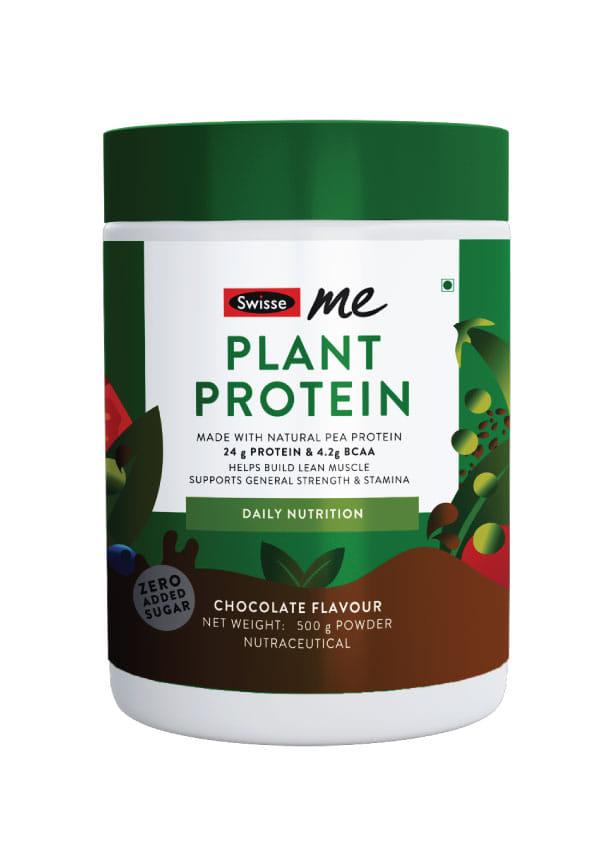
Plant Protein - Daily Nutrition For Men & Women - 100% Natural, Zero Added Sugar, 24G Vegan Pea Protein For Post Workout Recovery, Lean Muscle Buildi
Celery is often cited as the lowest calorie food, with just 6 calories per stalk. Cucumber, lettuce, and spinach are also incredibly low in calories. However, the "negative calorie" food myth isn't quite true—whilst these foods are very low in calories, your body doesn't burn more calories digesting them than they contain.
Water-rich vegetables like cucumber, celery, lettuce, and radishes come closest to zero calories. Herbs and spices also add flavour without meaningful calories. Clear broths and herbal teas are other options that provide taste and satisfaction with minimal caloric impact.
High-fibre, high-protein combinations work best for satiety. Think Greek yoghurt with berries, vegetable soups with beans, or salads topped with grilled chicken. Broth-based soups are particularly effective because they combine volume, warmth, and nutrients to trigger fullness signals.
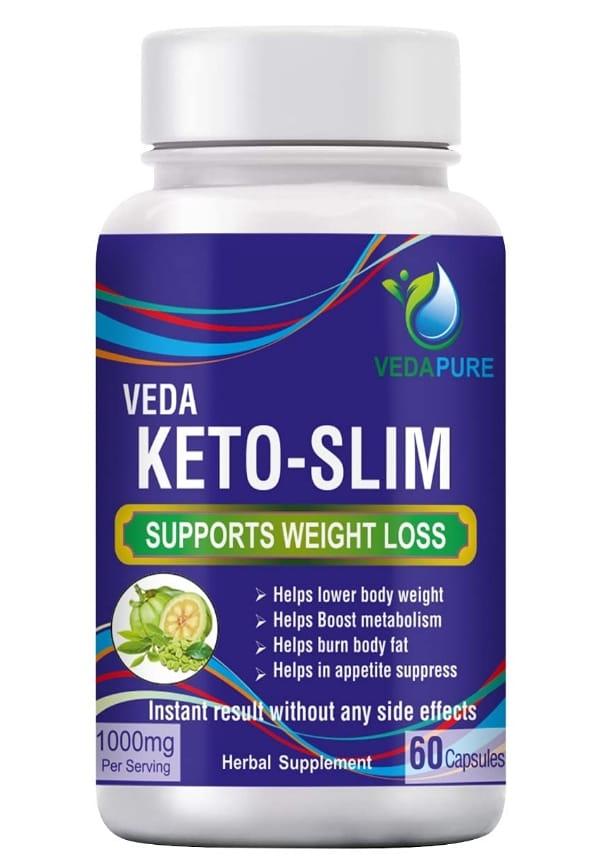
Keto Slim Supports Weight Loss Green Tea & Coffee
Legumes like lentils, chickpeas, and black beans provide protein and fibre whilst remaining relatively low in calories. Tofu, tempeh, and Greek yoghurt are excellent protein sources. Quinoa offers complete protein in a grain. Combine these with plenty of vegetables for satisfying, nutritious meals.
Indian cuisine naturally includes many low calorie options. Focus on dal-based dishes, vegetable curries with minimal oil, grilled tandoori preparations, and plenty of fresh vegetables. Use spices liberally—they add flavour without calories and may boost metabolism. Choose brown rice over white, and include plenty of fresh chutneys made with herbs and vegetables.
Whilst foods under 100 calories are generally safe to eat in larger quantities, balance is still important. Your body needs a variety of nutrients, including healthy fats and adequate protein. Focus on creating balanced meals rather than restricting yourself to only the lowest calorie options.
Signs you might be under-eating include constant fatigue, irritability, difficulty concentrating, or feeling cold frequently. Most adults need at least 1,200 calories daily for basic bodily functions. It's worth consulting a healthcare provider or nutritionist to determine your individual needs.
Not necessarily. Some processed "diet" foods are low in calories but high in artificial ingredients and low in nutrients. Focus on whole, minimally processed foods for the best combination of low calories and high nutrition. Fresh fruits, vegetables, lean proteins, and whole grains should form the foundation of your low calorie eating plan.
Understanding what are low calorie foods opens up a world of possibilities for healthy eating without feeling deprived. The key is focusing on nutrient-dense options that satisfy your hunger and taste preferences whilst supporting your health goals. Remember, sustainable weight management isn't about perfection—it's about making consistently better choices that you can maintain long-term.
Whether you're exploring new healthy food brands through trial packs or sticking to tried-and-tested favourites, the most important thing is finding what works for your lifestyle. With Smytten's extensive range of wellness and food products, discovering your next favourite healthy option has never been easier. After all, why settle for boring diet food when you can explore endless possibilities and truly #TryItAll?
