How to Make Homemade Energy Drinks: Natural Boosters

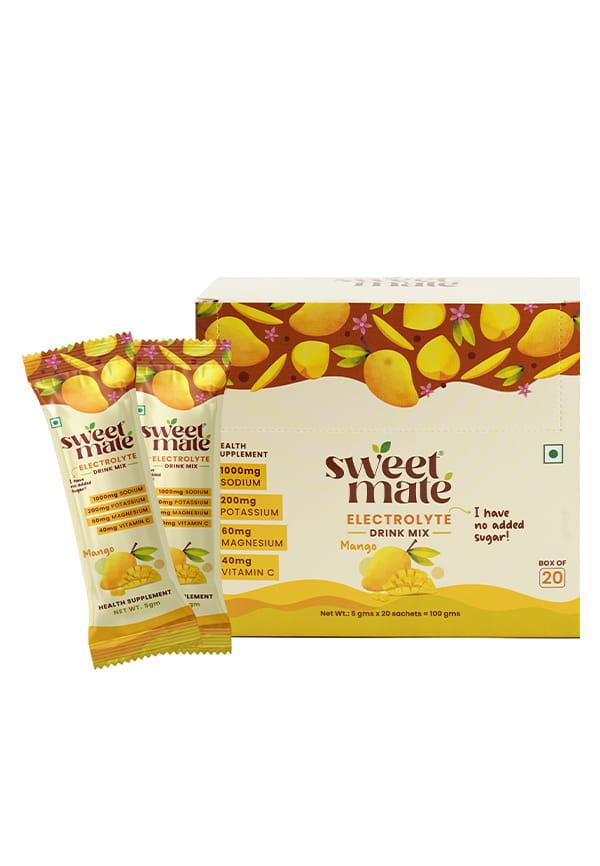
Sugar-Free Mango Electrolyte Drink Mix
Ever found yourself reaching for that third cup of coffee by noon, only to crash harder than your phone screen? Let's be real—commercial energy drinks are packed with synthetic ingredients that sound like they belong in a chemistry lab, not your body. Learning how to make homemade energy drinks isn't just about saving money (though your wallet will thank you). It's about creating natural energy boosters that actually fuel your day without the jittery aftermath. Think fresh ingredients, customisable flavours, and energy that doesn't leave you feeling like you've been hit by a truck an hour later.
Homemade energy drinks are DIY versions of commercial energy boosters, but here's the plot twist—they're made with real ingredients you can actually pronounce. Unlike their shop-bought cousins loaded with artificial colours, synthetic caffeine, and enough sugar to fuel a small rocket, natural energy boosters use whole foods and plant-based ingredients to give you that much-needed pep.
The health benefits are pretty obvious when you compare a drink made with green tea, honey, and fresh lemon to something that lists 'taurine' and 'artificial flavouring' as main ingredients. Natural alternatives provide sustained energy without the crash, support your body's natural processes, and won't leave you questioning what you've just consumed. Plus, you can customise everything—from caffeine levels to sweetness—making it your kind of energy boost.
Cost-wise, making your own energy drinks is a game-changer. A single commercial energy drink can cost ₹150-300, whilst a homemade version might cost ₹30-50 per serving. That's serious savings, especially if you're someone who needs regular energy top-ups throughout the day.
The magic of effective homemade energy drinks lies in understanding which ingredients actually work. Think of it as building your personal energy arsenal—each ingredient serves a purpose, and knowing what does what helps you create the perfect blend for your needs.
Green tea is your gentle giant here—providing steady caffeine without the jitters. Black tea offers a bit more punch, whilst guarana powder is nature's espresso shot. Green coffee bean extract gives you caffeine plus antioxidants, making it worth a try if you're after clean energy.
Coconut water is basically nature's sports drink, packed with potassium and natural electrolytes. A pinch of sea salt might sound odd, but it helps your body actually use all that hydration. Fresh lemon or lime juice adds vitamin C and helps with absorption—plus, it tastes brilliant.
Honey provides quick energy plus enzymes that support digestion. Maple syrup offers minerals alongside sweetness, whilst fresh fruit juices give you natural sugars plus vitamins. The key is using just enough to make your drink enjoyable without going overboard.
Ginger adds a warming kick and supports circulation. Turmeric brings anti-inflammatory benefits, spirulina provides protein and B vitamins, and maca powder is known for sustained energy support. These aren't essential, but they can take your energy drink from good to brilliant.
Ready to get mixing? These energy drink recipes cover different energy needs—from morning wake-up calls to post-workout recovery. Each one uses natural ingredients and can be tweaked to match your taste preferences.
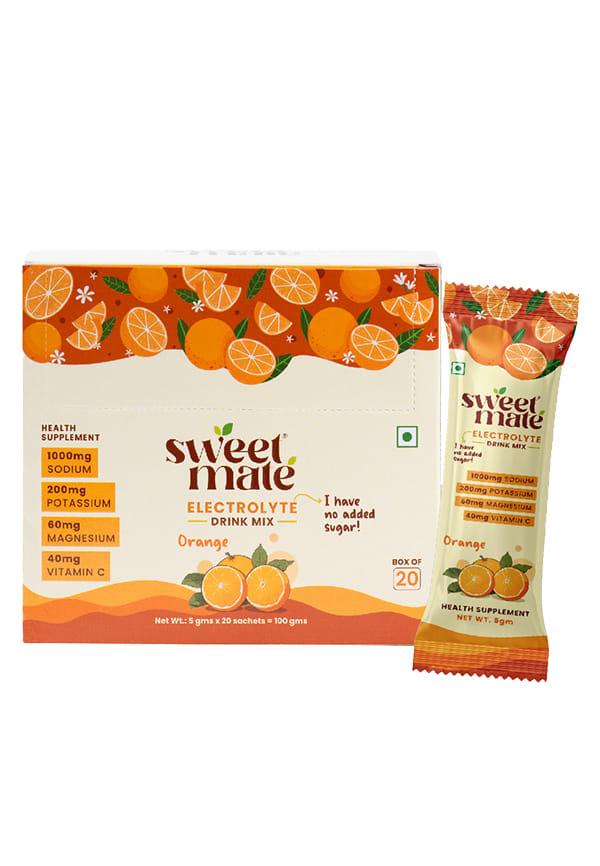
Sugar-Free Orange Electrolyte Drink Mix
Brew 1 cup strong green tea, add 1 tsp fresh ginger juice, 1 tbsp honey, and juice of half a lemon. This gives you steady caffeine plus digestive support—perfect for morning energy that lasts.
Mix 1 cup coconut water, juice of 1 lime, 1 tbsp honey, and a pinch of sea salt. This caffeine-free option is brilliant for post-workout recovery or hot day hydration.
Combine 1 cup cold green tea, ¼ cup pomegranate juice, 1 tbsp maple syrup, and ½ tsp guarana powder. Shake well with ice for a natural version of commercial energy drinks.
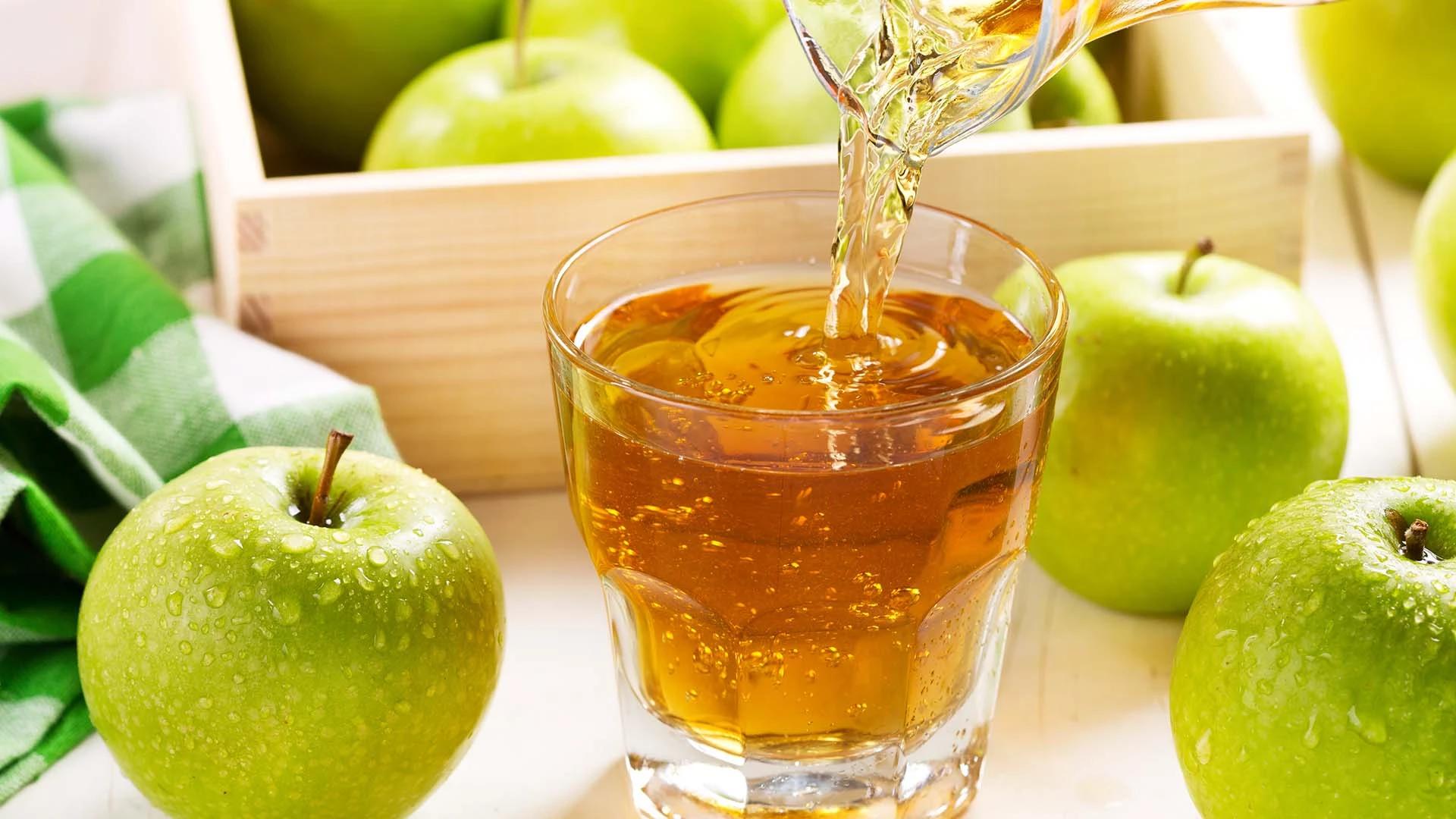
Blend ½ cup apple juice, ½ cup tomato juice, 1 tsp honey, pinch of black pepper, and squeeze of lemon. Sounds unusual but tastes amazing—plus you get natural sugars and lycopene.
Blend 1 banana, 1 cup almond milk, 1 tbsp almond butter, 1 tsp honey, and ½ tsp cinnamon. This provides sustained energy through protein and healthy fats.
Mix 1 cup coconut water, 2 tbsp fresh orange juice, 1 tsp honey, and tiny pinch of sea salt. Simple, effective, and naturally refreshing.
Making DIY energy drinks isn't rocket science, but a few simple techniques can make the difference between a brilliant drink and a disappointing one. The order you add ingredients matters, especially when working with honey or other thick sweeteners.
Start with your liquid base—whether that's tea, coconut water, or fruit juice. Add sweeteners whilst the liquid is still warm (if using tea) to help everything dissolve properly. Cold liquids need a bit more mixing time, so don't rush this step.
A good shaker bottle or blender makes mixing much easier. Mason jars work brilliantly for batch preparation, and a fine-mesh strainer helps if you're using fresh ginger or other ingredients that might leave bits.
Hot tea extracts more caffeine and dissolves sweeteners better, but you'll need to cool it down before drinking. Room temperature mixing works fine but requires more stirring. Ice can dilute flavours, so consider freezing some of your base liquid in ice cube trays.
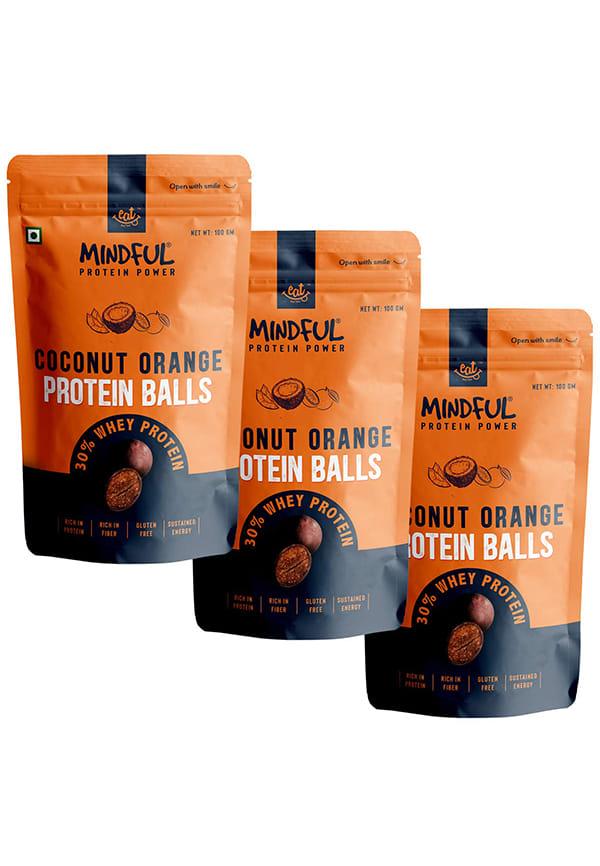
Mindful Chocolate Coconut Orange Protein Energy Balls
Make larger quantities and store in the fridge for up to 3 days. Separate wet and dry ingredients if possible—mix powders with a small amount of liquid first to avoid clumps, then add the rest.
Not everyone wants or needs caffeine for energy, and that's completely fine. Natural energy drink alternatives can provide sustained energy through other mechanisms—think B vitamins, natural sugars, and ingredients that support your body's own energy production.
Fruit-based combinations work brilliantly here. Apple and beetroot juice provide natural nitrates that support circulation. Banana and date smoothies offer quick energy through natural sugars plus potassium for muscle function.
Nutritional yeast adds B vitamins with a slightly cheesy flavour that works surprisingly well in savoury energy drinks. Spirulina provides B12 and protein, whilst wheat grass powder offers a range of B vitamins.
Ashwagandha powder supports stress response, whilst rhodiola is known for fighting fatigue. These work best in smoothie-style drinks where you can mask any earthy flavours with fruits and natural sweeteners.
Peppermint tea provides a natural energy lift through improved circulation. Ginseng tea offers gentle energy support, and rooibos provides minerals without caffeine. These make excellent bases for caffeine-free energy drinks.
Proper storage keeps your healthy energy drinks fresh and safe to consume. Most homemade versions last 2-3 days in the fridge, but ingredients like fresh fruit juice or coconut water can spoil faster than you'd expect.
Store in glass containers when possible—they don't absorb flavours and are easier to clean thoroughly. Label everything with dates, especially if you're batch-preparing different recipes. Trust your nose and eyes—if something smells off or looks cloudy, it's time to make a fresh batch.
Adults can safely consume up to 400mg caffeine daily—that's roughly 4 cups of coffee. Green tea contains about 25-50mg per cup, black tea has 40-70mg, and guarana powder can vary widely. Start with smaller amounts and see how your body responds.
Consume caffeinated energy drinks before 2 PM to avoid sleep disruption. Post-workout drinks work best within 30 minutes of exercise, whilst morning energy drinks are most effective on a partially full stomach.
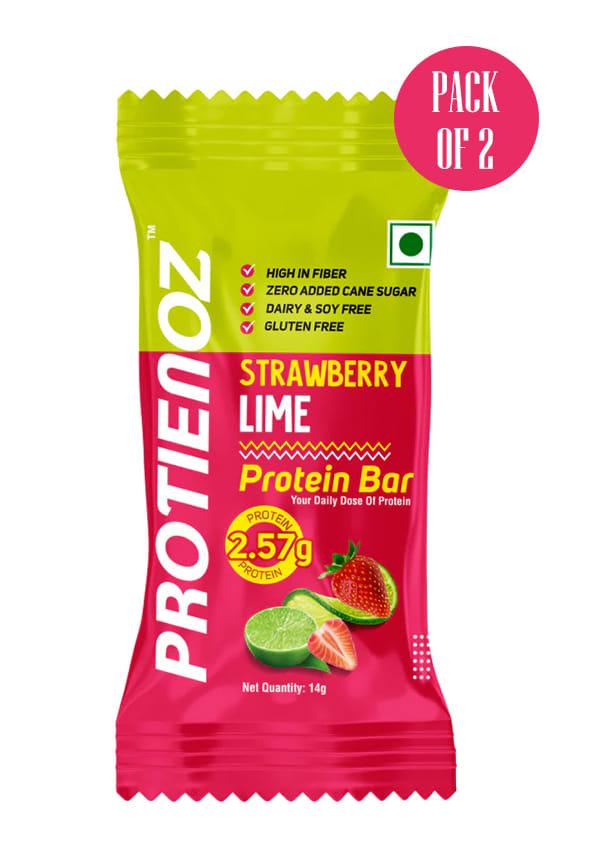
Strawberry Lime Protien Bar
Signs include jitters, rapid heartbeat, difficulty sleeping, or digestive upset. If you experience any of these, reduce caffeine content or switch to caffeine-free alternatives.
Effective energy drink ingredients include natural caffeine sources (green tea, guarana), electrolytes (coconut water, sea salt), natural sugars for quick energy (honey, fruit juice), and B vitamins for sustained energy production. The combination matters more than any single ingredient.
Most homemade energy drinks stay fresh for 2-3 days when stored properly in the fridge. Drinks with fresh fruit juice or coconut water may spoil faster, whilst tea-based drinks with honey tend to last longer. Always check for off smells or cloudiness before consuming.
Yes, by using low-calorie bases like green tea or herbal teas, minimal natural sweeteners, and adding metabolism-supporting ingredients like ginger or green coffee extract. Avoid high-sugar fruit juices and focus on hydrating, low-calorie options.
Generally yes, when made with natural ingredients and consumed in moderation. Monitor your total daily caffeine intake and ensure you're not exceeding 400mg. Vary your recipes to get different nutrients and avoid overconsumption of any single ingredient.
Aim for 50-100mg per serving for moderate energy—equivalent to 1-2 cups of green tea. This provides energy without excessive jitters. Start with less if you're caffeine-sensitive and adjust based on your tolerance and energy needs.
Morning or early afternoon work best for caffeinated versions. Post-workout drinks should be consumed within 30 minutes of exercise. Avoid caffeinated energy drinks after 2 PM to prevent sleep disruption, and always consume on a partially full stomach.
Absolutely. Use fruit juices for natural sugars, coconut water for electrolytes, B-vitamin rich ingredients like nutritional yeast, and adaptogens like ashwagandha. These provide energy through nutrition rather than stimulation.
Creating your own energy drinks puts you in complete control of what fuels your day. Whether you're after a gentle morning boost or serious post-workout recovery, natural ingredients offer sustained energy without the synthetic aftermath of commercial alternatives. The best part? You can experiment endlessly until you find your perfect blend.
Just like discovering your ideal energy drink recipe, finding the right wellness products often requires some trial and exploration. Smytten understands this perfectly—as India's largest product discovery platform, they connect you with over 1,500 trusted wellness and lifestyle brands through curated trial packs. Instead of committing to full-size products you might not love, you can explore everything from natural supplements to superfood powders with their mini-sized trials. With options to get up to 8 minis for just ₹249 and 100% cashback redeemable for future purchases, it's like having your own personal testing lab for wellness products. After all, why settle for 'maybe' when you can Try It All and find exactly what works for your energy needs?
