How to Eat Flax Seeds Daily: Your Complete FAQ
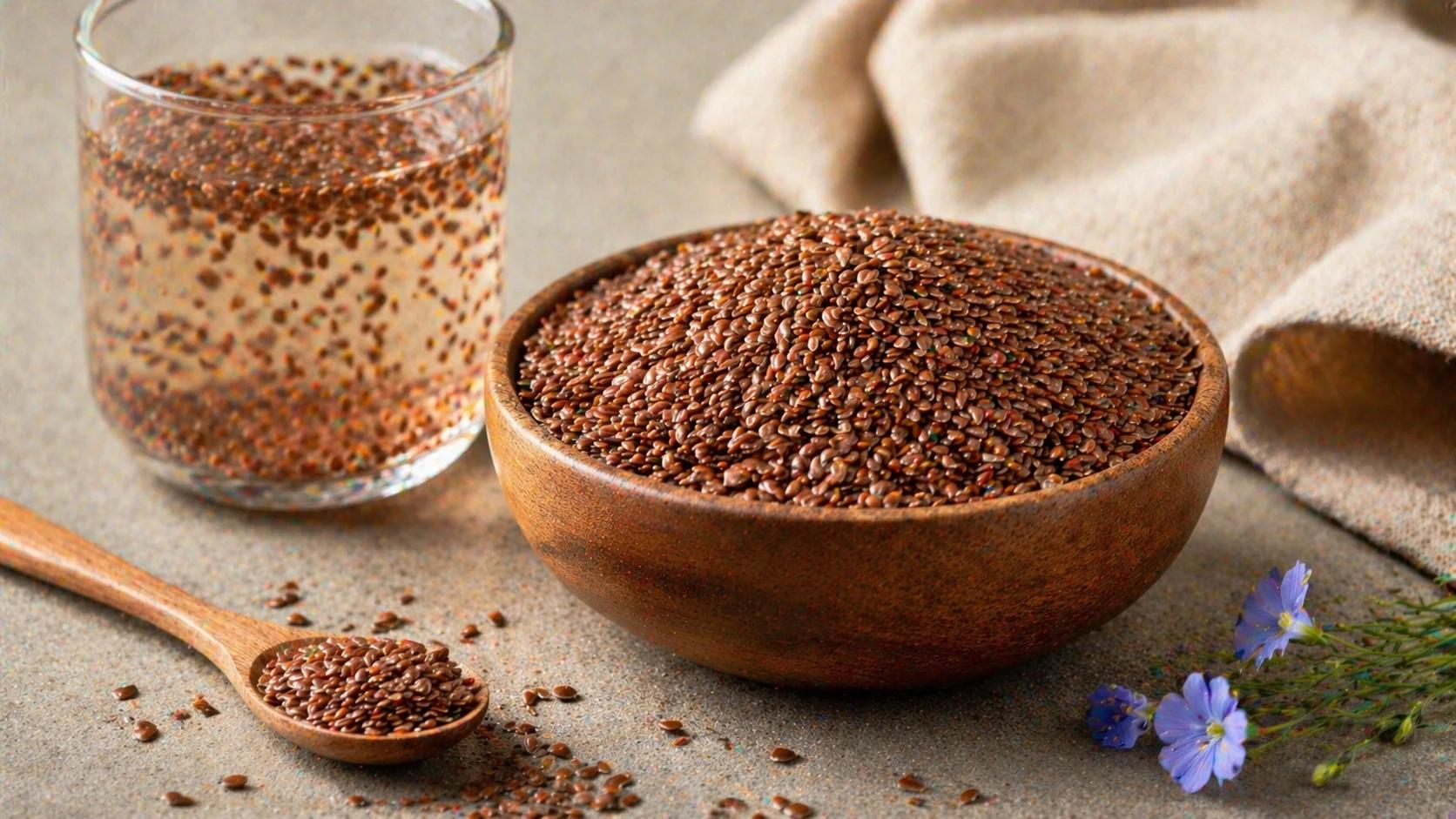


FLAX Seeds
Flax seeds have become your kind of superfood obsession, and honestly, we get it. These tiny powerhouses are packed with omega-3s, fibre, and lignans that can seriously upgrade your health game. But here's the thing—knowing how to eat flax seeds daily makes all the difference between getting maximum benefits and just munching on expensive bird food. Whether you're team ground flaxseed or still figuring out the whole soaking situation, this guide breaks down everything you need to know about making flax seeds work for your lifestyle.
Real talk: if you're eating whole flax seeds, you're basically wasting your money. Your digestive system can't break down those tough outer shells, so most of the flax seed benefits just pass right through. Ground flaxseed is where the magic happens—it unlocks all those omega-3 fatty acids and makes the nutrients actually available to your body.
Think of whole flax seeds like tiny armoured capsules. They're designed by nature to survive digestion so they can sprout elsewhere. That's great for plants, not so much for your nutrition goals. Ground flaxseed uses become way more effective because grinding breaks down those protective shells and releases the good stuff inside.
Got a coffee grinder? You're sorted. Pulse about 2-3 tablespoons of whole flax seeds for 10-15 seconds until they look like coarse meal. Don't overdo it—you want ground flaxseed, not flax butter. Store your freshly ground seeds in an airtight container in the fridge for up to a week.
Here's where people mess up: leaving ground flaxseed sitting around. Those healthy fats go rancid quickly when exposed to light and air. Keep whole seeds in a cool, dark place for up to a year, but grind only what you'll use within a week. Your future self will thank you for not having bitter, funky-tasting flax seeds.
The sweet spot for daily flaxseed intake is 1-2 tablespoons, but don't jump straight to the max dose. Your digestive system needs time to adjust to all that extra fibre, and trust us, you don't want to learn this lesson the hard way.
Begin with just 1 teaspoon daily for the first week. This gives your gut time to adapt without causing uncomfortable bloating or digestive drama. Gradually increase to 1 tablespoon in week two, then work up to 2 tablespoons if your body's handling it well.
Morning is prime time for flax seeds. Adding flaxseed to diet at breakfast helps stabilise blood sugar throughout the day and keeps you feeling full longer. You can also split your dose—half in the morning, half in the evening—for steady nutrient absorption.
More isn't always better. If you're experiencing excessive bloating, stomach cramps, or digestive issues, dial back your intake. Some people are more sensitive to high-fibre foods, and that's totally normal.
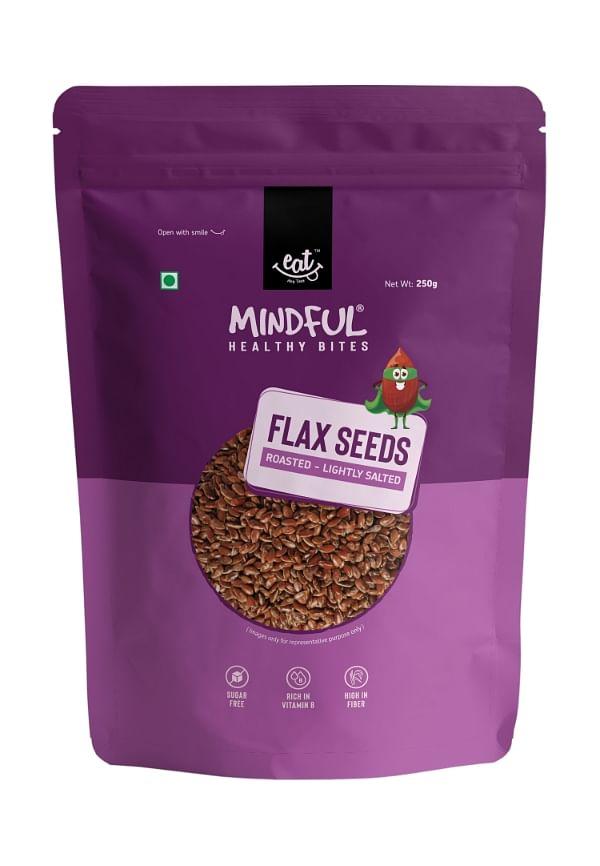
Mindful Roasted & Lightly Salted Flax Seeds
Needs more roasting
 4
4“could have been little more roasted”
Good taste, crunchy, and convenient
5“taste is good. crunchy and ready to eat”
Versatile Product for Salads
5“I just now received this order. It's the best choice if anyone doesn't like to eat raw also you can add it as a dressing to salads or with anything you can have.”
The beauty of flax seeds lies in their versatility. They're basically the chameleon of the superfood world—they blend into almost anything without dramatically changing the taste. Here are some tried-and-tested methods that actually work in real life.
Flaxseed in smoothies is probably the easiest entry point. Toss a tablespoon into your morning blend—you won't even taste it. For oatmeal lovers, stir ground flaxseed into your porridge after cooking to preserve those delicate omega-3s. Yogurt bowls get an instant upgrade with a sprinkle of ground flax and some berries.
Ground flaxseed makes an excellent egg substitute in baking—mix 1 tablespoon with 3 tablespoons of water, let it sit for 5 minutes until gooey, then use in place of one egg. It works brilliantly in muffins, pancakes, and quick breads. Just remember to add flax after cooking when possible to protect those heat-sensitive nutrients.
Sprinkle ground flaxseed over salads for a nutty crunch, stir it into soups just before serving, or mix it into homemade salad dressings. It's also fantastic in energy balls—combine ground flax with dates, nuts, and a touch of honey for the perfect afternoon snack.
Let's dive into why flax seeds deserve a permanent spot in your pantry. These little seeds punch way above their weight when it comes to flaxseed nutrition and overall health benefits.
Flax seeds are loaded with alpha-linolenic acid (ALA), a plant-based omega-3 that supports cardiovascular health. Regular consumption may help reduce inflammation and support healthy cholesterol levels. It's like giving your heart a daily dose of plant-powered protection.
With about 3 grams of fibre per tablespoon, flax seeds are your gut's best friend. They contain both soluble and insoluble fibre, which means they help with everything from regular bowel movements to feeding beneficial gut bacteria. Just remember to drink plenty of water—fibre without adequate hydration can backfire.
The combination of fibre, protein, and healthy fats in flax seeds helps you feel satisfied longer. They're not a magic weight loss bullet, but they can definitely support your goals by reducing cravings and stabilising blood sugar levels throughout the day.
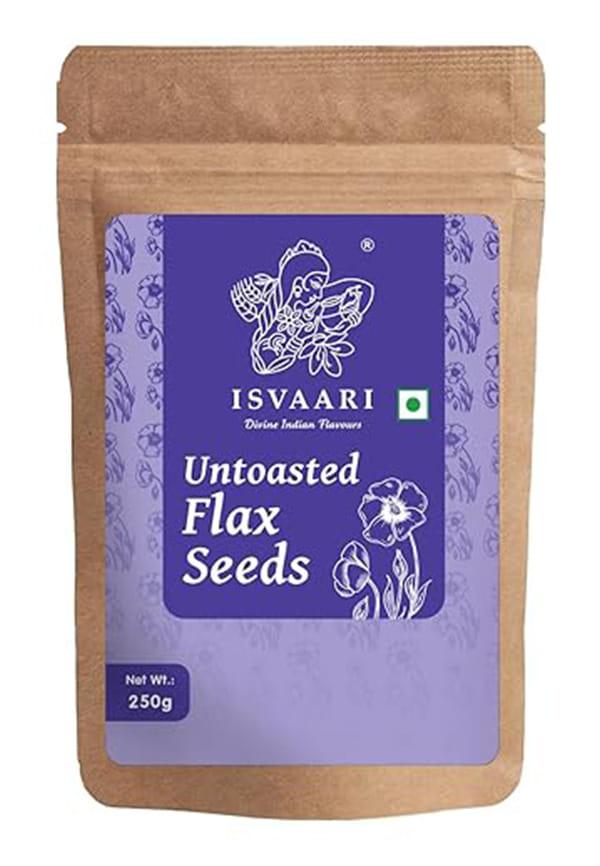
Untoasted Flax Seeds
Flax seeds contain lignans, which are plant compounds that may help balance hormones, particularly in women. Some studies suggest they might help with menopausal symptoms and support overall reproductive health, though more research is needed.
The overnight soaking method has gained serious popularity, and for good reason. Soaking flax seeds creates a gel-like consistency that's easier to digest and may enhance the benefits of flax seeds for weight management.
Mix 1 tablespoon of whole flax seeds with 1 cup of water before bed. Let them sit overnight—by morning, you'll have a slightly thick, gel-like drink. Some people add lemon juice or a pinch of cinnamon for flavour, but plain works just fine.
First thing in the morning on an empty stomach seems to be the sweet spot. The fibre helps you feel full, potentially reducing your breakfast portion size naturally. Plus, starting your day with this nutrient boost sets a healthy tone for your food choices.
Don't expect overnight miracles. Flax seeds for health work gradually—you might notice improved digestion within a week, but weight management benefits typically take 4-6 weeks of consistent use combined with a balanced diet and regular movement.
While flax seeds are generally safe for most people, there are some important considerations to keep in mind. Knowledge is power, especially when it comes to avoiding uncomfortable situations.
Flaxseed side effects usually revolve around digestive discomfort, especially when you start eating them or consume too much too quickly. Bloating, gas, and stomach cramps are the most common complaints. The solution? Start slowly and drink plenty of water.
People with inflammatory bowel conditions, those taking blood-thinning medications, or anyone with hormone-sensitive conditions should chat with their healthcare provider before making flax seeds a daily habit. Pregnant and breastfeeding women should also check with their doctor first.
This can't be stressed enough: flax seeds absorb water like tiny sponges. If you don't drink enough fluids, that fibre can actually cause constipation instead of helping with digestion. Aim for at least 8 glasses of water daily when eating flax seeds regularly.
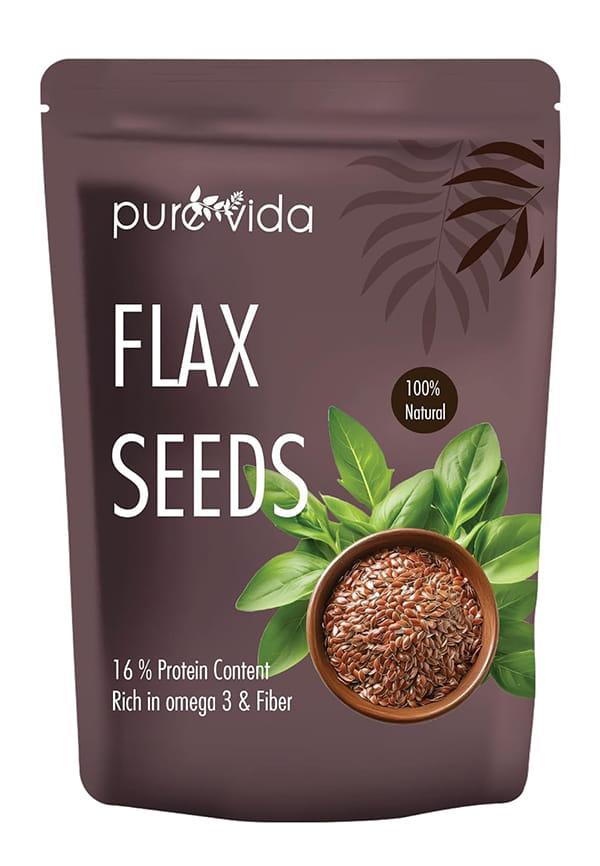
Flax Seeds | Raw Alsi Seeds for Hair Growth, Smoothies, Baking
Yes, eating flax seeds daily is generally safe for most people when consumed in appropriate amounts (1-2 tablespoons). The key is starting slowly and ensuring adequate water intake to support digestion.
Ground flaxseed is the most effective form because it allows your body to absorb the nutrients. You can add it to smoothies, oatmeal, yogurt, or mix it into baked goods. Soaking whole flax seeds overnight is another popular method.
Grind them fresh when possible, store properly in the fridge, drink plenty of water, and consume them consistently rather than sporadically. Adding them to meals rather than eating them alone can also improve absorption of fat-soluble vitamins.
Regular consumption may support heart health, improve digestion, help with weight management, and provide essential omega-3 fatty acids. Most people notice improved digestive regularity within the first week.
Absolutely. Raw flax seeds retain all their nutrients and are perfectly safe to eat. In fact, cooking can reduce some of the heat-sensitive omega-3 content, so raw or lightly processed is often preferred.
Digestive benefits often appear within a week, while other health benefits like improved cholesterol levels or weight management support may take 4-8 weeks of consistent daily consumption to become noticeable.
Flax seeds provide ALA omega-3s, which are different from the EPA and DHA found in fish. While beneficial, they shouldn't completely replace other omega-3 sources in your diet—variety is key for optimal nutrition.
Making flax seeds part of your daily routine doesn't have to be complicated. Start with ground flaxseed, begin slowly, drink plenty of water, and find methods that actually fit your lifestyle. Whether you're blending them into morning smoothies or soaking them overnight, consistency matters more than perfection.
Speaking of discovering what works for your body, platforms like Smytten make it easier to explore different health and wellness products without the commitment of full-size purchases. With trial packs from trusted brands, you can experiment with various superfood products and supplements to find your perfect wellness routine. After all, why settle for 'maybe' when you can try it all and discover what truly works for your unique needs?
