Flax Seeds in Diet FAQ: Your Questions Answered
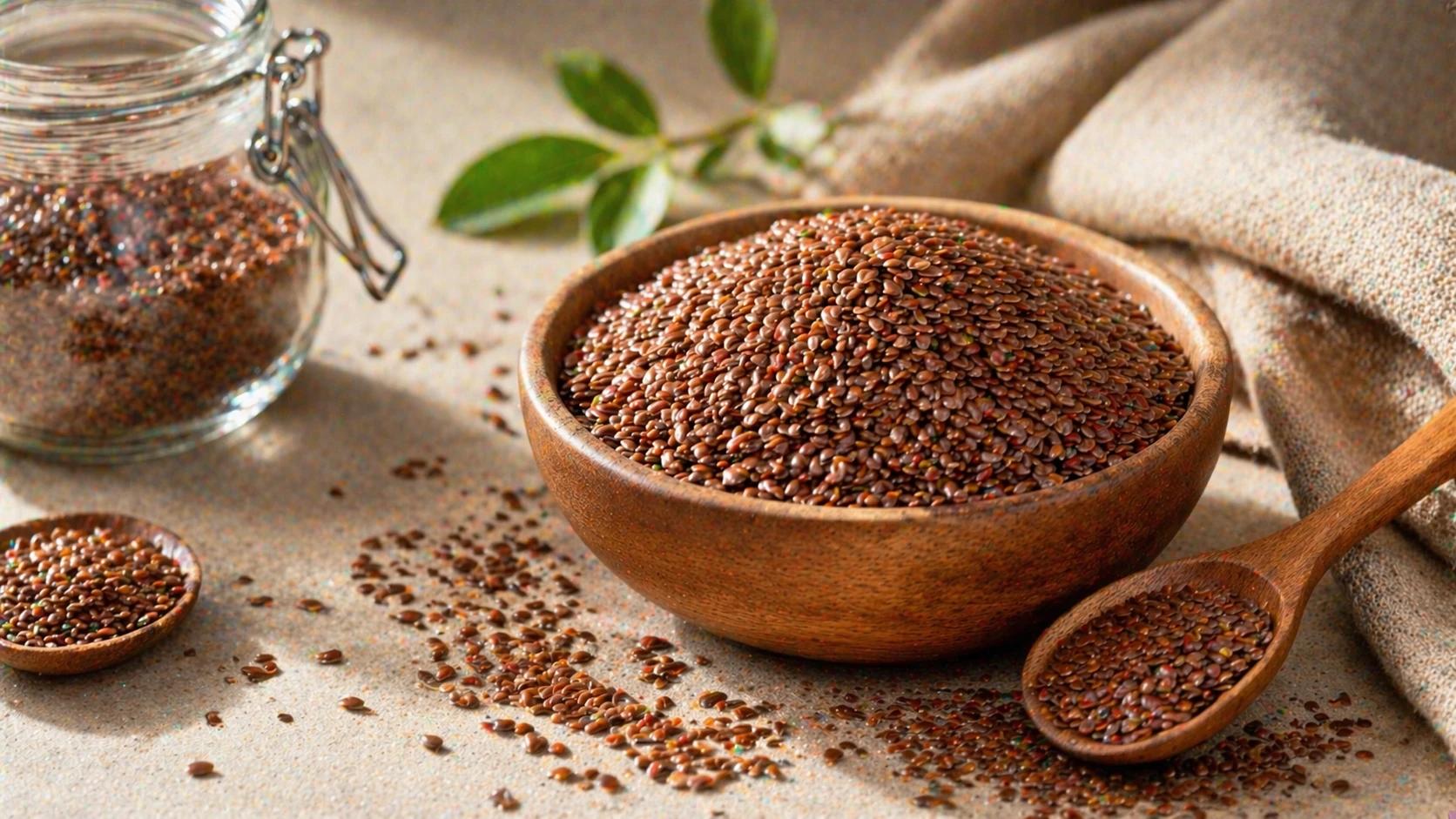

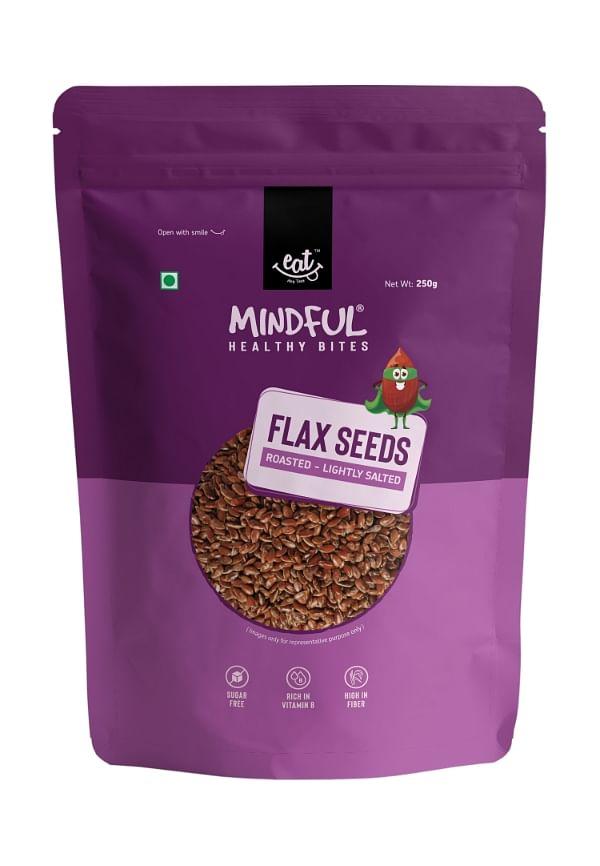
Mindful Roasted & Lightly Salted Flax Seeds
Needs more roasting
 4
4“could have been little more roasted”
Good taste, crunchy, and convenient
5“taste is good. crunchy and ready to eat”
Versatile Product for Salads
5“I just now received this order. It's the best choice if anyone doesn't like to eat raw also you can add it as a dressing to salads or with anything you can have.”
Flax seeds have become the wellness world's favourite tiny powerhouse, and honestly, we get why everyone's obsessed. These little brown gems pack more nutrition per tablespoon than most foods manage in an entire serving. But here's the thing—knowing how to use flax seeds in your diet properly makes all the difference between getting their full benefits and just sprinkling them around hoping for the best. Whether you're curious about flaxseed benefits, looking for easy flax seeds recipes, or wondering if they'll actually help with weight loss, we've got your back. Let's dive into everything you need to know about making flaxseed work for you.
Flax seeds are basically nature's multivitamin in seed form. These tiny brown or golden seeds come loaded with omega-3 fatty acids, fibre, and lignans—compounds that act like antioxidants in your body. The flax seeds nutrition profile is genuinely impressive: just one tablespoon gives you about 2 grams of protein, 3 grams of fibre, and a solid dose of healthy fats.
The omega-3s in flaxseed are particularly special because they're plant-based, making them perfect for anyone following a vegetarian or vegan lifestyle. These healthy fats support heart health, brain function, and can even help reduce inflammation. The lignans work as phytoestrogens, which might help balance hormones naturally.
Real talk—this choice matters more than you might think. Your body can't actually break down whole flax seeds properly, so they'll mostly pass right through without giving you those amazing nutrients you're after.
Ground flaxseed (also called flaxseed meal) is where the magic happens. When flax seeds are ground up, your digestive system can actually access all those omega-3s and other nutrients. Whole seeds have a tough outer shell that your body just can't crack, so you're missing out on most of the good stuff.
You can absolutely grind your own flax seeds using a coffee grinder, spice grinder, or even a high-powered blender. Fresh-ground flaxseed meal tastes better and retains more nutrients. Store-bought flaxseed meal is convenient, but check the packaging date—it should be recent since ground flaxseed goes rancid faster than whole seeds.
Keep whole flax seeds in an airtight container in a cool, dry place—they'll last up to a year. Ground flaxseed needs more care: store it in the fridge for up to three months or freeze it for longer storage. If it smells fishy or bitter, it's time to toss it.
Getting the dosage right is key to enjoying flaxseed benefits without any digestive drama. Start small and work your way up—your gut will thank you for the gradual introduction.
Most nutrition experts suggest 1-2 tablespoons of ground flaxseed daily. That's about 15-30 grams, which gives you a solid dose of omega-3s and fibre without overwhelming your system. If you're new to eating flax seeds, start with just 1 teaspoon and gradually increase over a week or two.
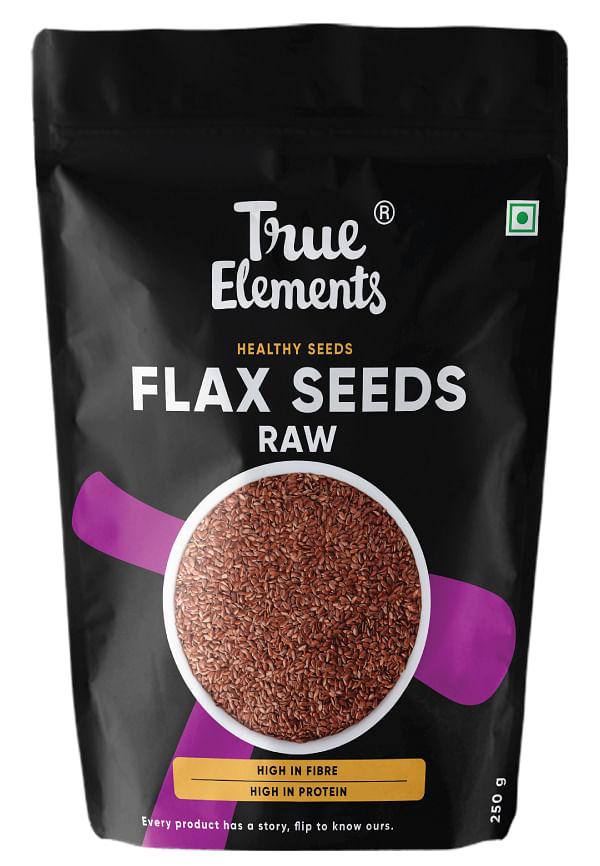
Flax Seeds Raw
Beneficial for hair & well being
5“Benefits to my hair growth and we'll being”
Fresh, High-Quality Flax Seeds
4“True Elements flax seeds are fresh and high quality. They blend easily into smoothies and meals, and I like how they add a healthy, nutty taste.”
Excellent Product, Great Price
5“eta kotha ar ki bolbo jemon fresh and shine....,,, khub valo temon price khub kom.,...,. thank you sooo much..,.....,.,,.. costomar so happy 🙂🙂🙂🙂🙂🙂🙂🙂”
Morning tends to work brilliantly for most people—add flaxseed to your breakfast smoothie, oatmeal, or yoghurt. Some folks prefer splitting their daily dose between meals to help with satiety throughout the day. There's no strict rule here, so find what works with your routine.
Flax seeds are high in fibre, which is amazing for your digestive health but can cause bloating or discomfort if you go from zero to hero too quickly. Start with half a teaspoon daily for the first few days, then gradually increase. Your body needs time to adjust to the extra fibre.
The beauty of incorporating flaxseed into your diet is how versatile these little seeds are. They have a mild, nutty flavour that plays well with both sweet and savoury dishes.
Flaxseed in smoothies is probably the easiest starting point. Blend a tablespoon into your morning smoothie—you won't even taste it, but you'll get all the benefits. Try adding ground flaxseed to oatmeal, yoghurt bowls, or even sprinkle it over cereal. It adds a lovely nutty crunch and boosts the nutritional value instantly.
Flax seeds recipes for baking are game-changers. You can replace eggs in vegan baking by mixing 1 tablespoon of ground flaxseed with 3 tablespoons of water—let it sit for 5 minutes until it gets gel-like. This works brilliantly in muffins, pancakes, and quick breads. You can also add flaxseed meal directly to bread dough, muffin batter, or homemade granola.
Sprinkle ground flaxseed over salads for extra crunch and nutrition. Stir it into soups just before serving, or blend it into salad dressings and sauces. It thickens liquids slightly while adding those beneficial omega-3s. You can even mix it into homemade energy balls or protein bars.
Try making flaxseed crackers by mixing ground flaxseed with water and seasonings, then dehydrating or baking until crispy. For drinks, blend flaxseed into fresh fruit juices or add it to herbal teas once they've cooled slightly. Some people love making flaxseed puddings by mixing ground flaxseed with plant milk and letting it thicken overnight.
Let's be honest about flaxseed for weight loss—it's not a magic bullet, but it can definitely support your goals. The high fibre content helps you feel fuller for longer, and the healthy fats can help stabilise blood sugar levels.
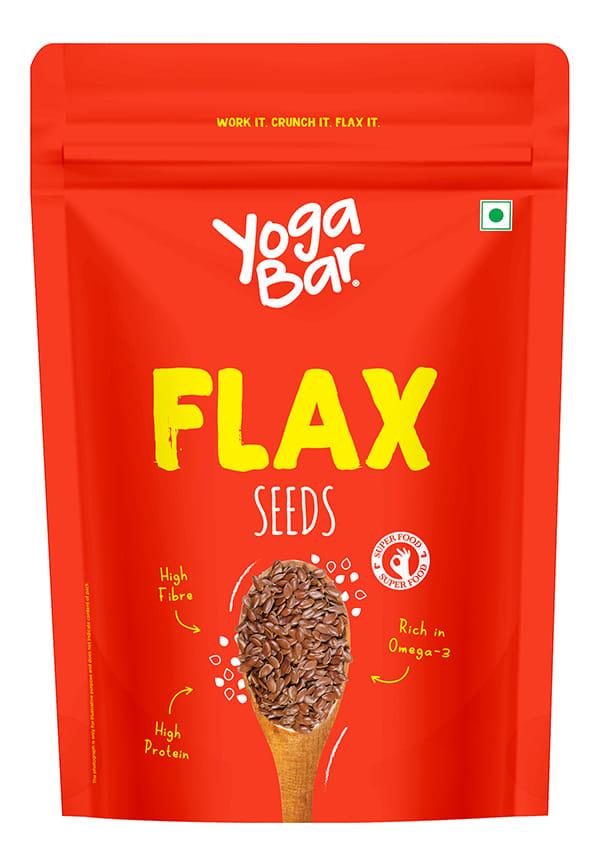
Flax Seeds |Rich in Omega-3 Fatty Acids
Amazing Product, Great Price
5“amazing love it.. happy with the price it come for.”
Amazing Product, Great Price
5“amazing love it.. happy with the price it come for.”
Good for daily health
4“these are raw flax seed you can use for daily health benefits”
The soluble fibre in flax seeds forms a gel-like substance in your stomach, which slows digestion and helps you feel satisfied longer. This can naturally reduce your overall calorie intake without feeling deprived. The omega-3s may also help reduce inflammation, which some research suggests could support healthy weight management.
Some people swear by soaking a tablespoon of whole flax seeds in water overnight, then drinking the mixture first thing in the morning. The theory is that this helps with hydration and provides a gentle detox effect. While the science isn't definitive, staying well-hydrated definitely supports overall health and can help with appetite control.
If you're using flaxseed for weight loss, consistency matters more than timing. Having it with breakfast can help control hunger throughout the morning, while adding it to an afternoon snack might prevent evening overeating. Remember, flax seeds are calorie-dense, so stick to that 1-2 tablespoon daily limit.
While flax seeds are generally safe for most people, there are a few things to keep in mind to make sure you're getting the most benefit without any unwanted side effects.
This is super important—flax seeds absorb a lot of water, so you need to drink plenty of fluids when you increase your intake. Aim for at least 8-10 glasses of water daily, especially when you're first adding flaxseed to your diet. Not drinking enough water with high-fibre foods can actually cause constipation instead of helping with digestion.
Flax seeds can slow down the absorption of some medications, particularly blood thinners and diabetes medications. If you're on any prescription drugs, it's worth chatting with your doctor about timing. Generally, taking medications at least an hour before or after eating flax seeds helps avoid any interaction issues.
People with certain digestive conditions like inflammatory bowel disease should introduce flax seeds very gradually or avoid them altogether. Pregnant and breastfeeding women should stick to food amounts rather than supplements. If you have hormone-sensitive conditions, the phytoestrogens in flax seeds might be something to discuss with your healthcare provider.
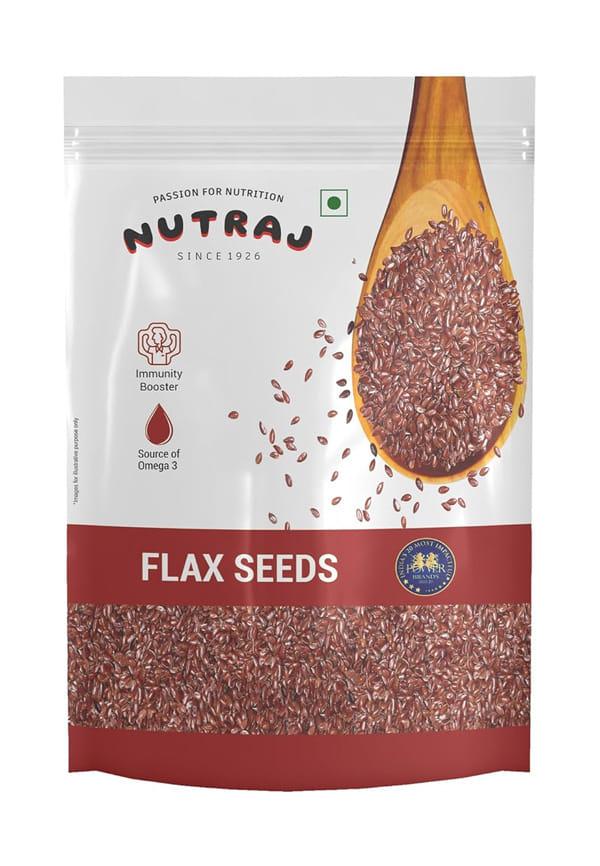
Flax Seeds
Super Quality and Healthy
5“super quality and super healthy”
Fresh and Healthy - Must Try
4“it's fresh and healthy must try”
Loved Them, Buying Again
5“I loved these ..definitely buying them again”
Ground flaxseed mixed into smoothies, oatmeal, or yoghurt is the most effective way. Your body can't digest whole flax seeds properly, so grinding them is essential for nutrient absorption. Start with 1 teaspoon daily and gradually increase to 1-2 tablespoons.
Add 1-2 tablespoons of ground flaxseed to your meals daily. The fibre helps you feel fuller longer, which can naturally reduce calorie intake. Try adding it to breakfast smoothies or mixing it into yoghurt. Remember to drink plenty of water and maintain a balanced diet overall.
Yes, eating 1-2 tablespoons of ground flaxseed daily is generally safe for most people. This provides beneficial omega-3s and fibre without overdoing it. Start slowly if you're new to flax seeds to let your digestive system adjust to the extra fibre.
While no food can reduce belly fat overnight, flax seeds can support digestive health and reduce bloating over time. Try soaking 1 tablespoon of flax seeds in water overnight and drinking it in the morning. The fibre and healthy fats may help with digestion and satiety.
Ground flaxseed contains fibre, protein, and lignans along with omega-3s, while flaxseed oil only provides the omega-3 fatty acids. Ground flaxseed offers more comprehensive nutrition, but flaxseed oil is more concentrated in omega-3s and easier to digest for some people.
Some studies suggest that flax seeds might support kidney health due to their anti-inflammatory properties, but there's no definitive evidence they lower creatinine levels. If you have kidney concerns, it's best to consult with your doctor before adding flax seeds to your diet.
The lignans in flax seeds may have mild hormone-balancing effects, and some research suggests they might influence DHT levels. However, the evidence isn't strong enough to rely on flax seeds alone for DHT management. Consult a healthcare provider for hormone-related concerns.
You might notice digestive improvements within a few days to a week of regular consumption. Other benefits like improved skin or heart health markers typically take 4-6 weeks of consistent use. Remember, flax seeds work best as part of an overall healthy lifestyle.
Learning how to use flax seeds in your diet doesn't have to be complicated. These tiny nutritional powerhouses can easily become part of your daily routine with just a few simple tweaks to your meals. Whether you're after the omega-3s, the fibre, or hoping flaxseed might support your weight loss goals, consistency is what matters most.
The key is starting slowly, staying hydrated, and finding ways to incorporate ground flaxseed that actually taste good to you. From morning smoothies to homemade energy balls, there are countless delicious ways to get your daily dose. Just like discovering your perfect skincare routine or finding that ideal snack brand, exploring different flaxseed uses is all about experimenting until you find what works for your lifestyle. At Smytten, we believe in the power of trying new things to discover what truly works for you—whether that's a revolutionary face serum or a simple superfood like flax seeds that might just become your next wellness obsession.
