Best Sugar Substitutes for Baking FAQ: Your Questions Answered

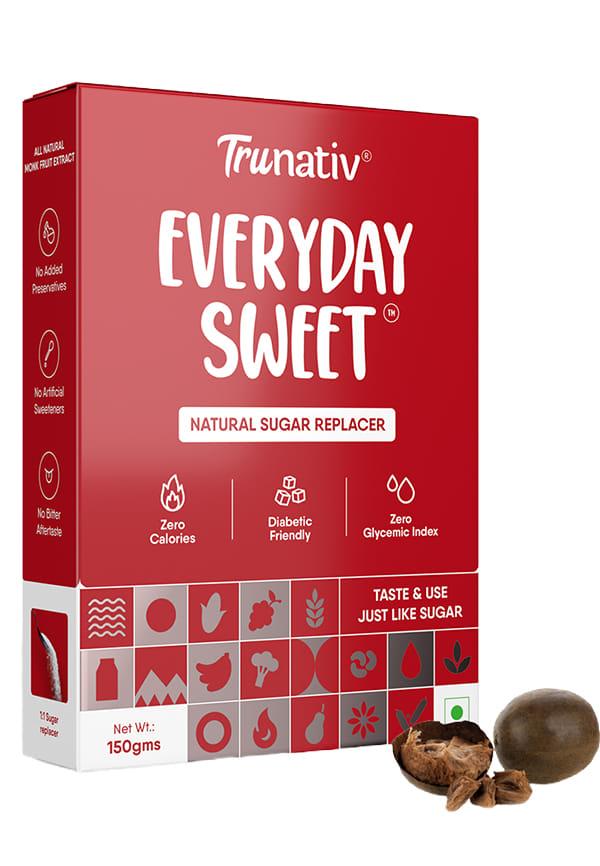
Everyday Sweet 1:1 Monk Fruit Juice Powder, Natural Sugar Replacer, Diabetic Friendly
Swapping sugar for healthier alternatives in your baking adventures? You're not alone. More home bakers are discovering that the best sugar substitutes for baking can deliver the sweetness they crave without the guilt. Whether you're managing blood sugar levels, cutting calories, or simply exploring new flavours, finding the right sugar alternative can transform your kitchen game. From natural sweeteners like stevia to sugar alcohols like erythritol, each option brings its own personality to your favourite recipes. Let's dive into everything you need to know about making the switch.
The top sugar alternatives for baking include monk fruit sweetener, stevia, erythritol, coconut sugar, and xylitol. Each offers unique benefits depending on your specific needs and taste preferences.
Here's a quick comparison of the most popular options:
Monk fruit sweetener: 150-200 times sweeter than sugar, zero calories, no aftertaste
Stevia: 200-300 times sweeter than sugar, zero calories, slight herbal notes
Erythritol: 70% as sweet as sugar, nearly zero calories, cooling sensation
Coconut sugar: Similar sweetness to regular sugar, contains minerals, caramel-like flavour
Xylitol: Same sweetness as sugar, 40% fewer calories, dental benefits
Monk fruit sweetener stands out as one of the most versatile healthy sugar substitutes. It's extracted from a small Asian fruit and provides intense sweetness without any calories or blood sugar spikes.
Stevia extract comes from the stevia plant and works brilliantly in most baking applications. The key is finding a high-quality brand that minimises any bitter aftertaste.
Erythritol behaves most like regular sugar in recipes, making it perfect for beginners. It measures cup-for-cup in most cases, though you might notice a slight cooling effect.
When exploring natural sweeteners for baking, you'll find options that range from zero-calorie plant extracts to minimally processed alternatives. Each category offers distinct advantages for different baking styles and dietary needs.
Baking with stevia requires some practice, but the results can be fantastic. Use about 1 teaspoon of stevia extract for every cup of sugar in your recipe. The trick is combining it with other ingredients that add bulk and moisture.
For monk fruit sweetener baking, start with small amounts since it's incredibly concentrated. Most commercial blends are cut with erythritol or other bulking agents, making measurements easier. Check the package for specific conversion ratios.
Erythritol baking offers the closest experience to traditional sugar. You can typically substitute it 1:1 in most recipes, though you might need to add a bit more liquid to compensate for texture differences.
Xylitol works similarly to erythritol but provides the same sweetness level as regular sugar. It's particularly good for cookies and muffins where you want that familiar sugar taste.
Coconut sugar brings a lovely caramel undertone to baked goods. Use it as a 1:1 replacement for brown sugar in recipes like cookies or quick breads.
Date paste and fruit purées work wonderfully in dense baked goods like brownies or fruit cakes. They add natural sweetness plus moisture and fibre.
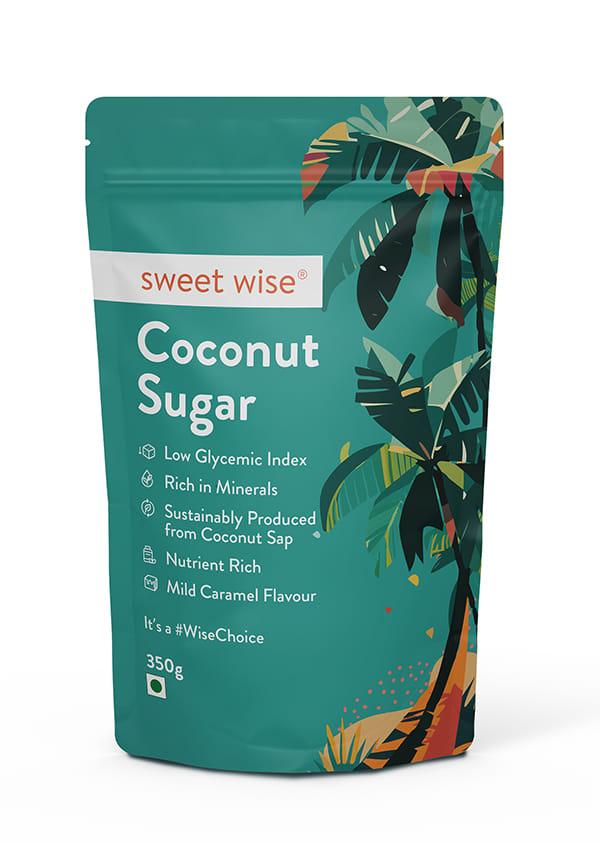
Coconut Sugar| Low Glycemic Sugar | Healthy Sugar Alternative
Mastering sugar free baking options means understanding how different sweeteners behave in your favourite recipes. Each substitute affects texture, moisture, and flavour in unique ways.
Here are the essential conversion ratios for popular best sugar replacements:
Stevia powder: 1 teaspoon replaces 1 cup sugar
Monk fruit sweetener: Follow package directions (varies by brand)
Erythritol: 1 cup replaces 1 cup sugar
Xylitol: 1 cup replaces 1 cup sugar
Coconut sugar: 1 cup replaces 1 cup sugar
When using liquid sweeteners, reduce other liquids in your recipe by about 25% to maintain proper consistency.
Different sweeteners affect your baked goods in various ways. Erythritol and xylitol provide structure similar to sugar, whilst stevia and monk fruit require additional bulking agents.
Browning happens differently with sugar alternatives. Coconut sugar caramelises beautifully, whilst erythritol and stevia don't brown as readily. You might need to adjust baking times or temperatures accordingly.
Choosing the right sweetener depends heavily on what you're baking. Different treats have unique requirements for texture, moisture, and structure.
For crispy cookies, erythritol or xylitol work brilliantly since they crystallise similarly to regular sugar. They help create that satisfying crunch we all love.
Chewy cookies benefit from combining monk fruit sweetener with a small amount of coconut sugar. This blend provides sweetness whilst maintaining the soft, tender texture.
Yeast-based breads need careful consideration since some sweeteners don't feed yeast effectively. Coconut sugar works well, or you can use a small amount of regular sugar just for yeast activation.
Quick breads and muffins are more forgiving. Stevia combined with applesauce or mashed banana creates lovely, moist results.
For blood sugar management, stick with zero-glycemic options like stevia, monk fruit, or erythritol. These low calorie sweeteners for baking won't spike glucose levels.
Always consult with healthcare providers about dietary changes, especially when managing diabetes or other health conditions.
Understanding both the benefits and challenges of low calorie sweeteners for baking helps you make informed choices for your kitchen adventures.
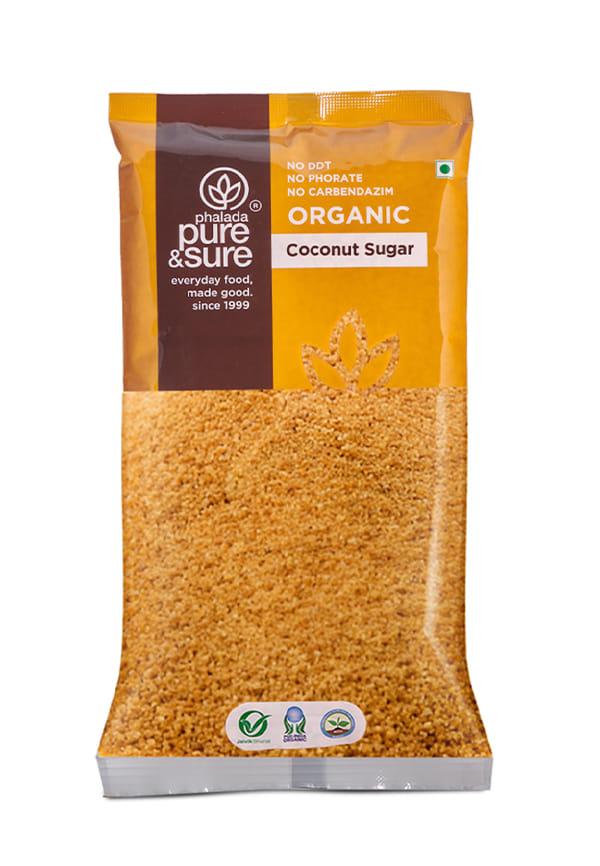
Organic Coconut Sugar
The calorie reduction alone makes these sweeteners appealing. You can enjoy your favourite treats whilst maintaining your health goals.
Blood sugar stability is another major benefit. Unlike regular sugar, most alternatives won't cause energy crashes or glucose spikes.
Many sugar substitutes are also better for dental health, as they don't feed harmful bacteria in your mouth the way traditional sugar does.
Some people notice aftertastes with certain sweeteners. Blending different types often eliminates this issue whilst creating more complex flavour profiles.
Texture changes are common, especially with zero-calorie options. Adding extra eggs, applesauce, or yoghurt can restore moisture and structure.
Digestive sensitivity affects some individuals, particularly with sugar alcohols. Start with smaller amounts to gauge your tolerance.
Combining sweeteners often yields the best results. Try mixing erythritol with a small amount of stevia for optimal taste and texture.
Temperature adjustments might be necessary. Some sugar alternatives bake faster, so reduce oven temperature by 25 degrees and monitor closely.
Creating a baking sweeteners comparison helps you choose the perfect option for your specific needs and preferences.
Sweetness intensity varies dramatically between options. Stevia and monk fruit pack serious punch, whilst erythritol provides gentler sweetness similar to regular sugar.
Aftertaste considerations matter for enjoyment. High-quality stevia and monk fruit products minimise bitter notes, whilst sugar alcohols typically taste clean.
Price per serving helps determine value. Whilst some alternatives cost more upfront, their concentrated sweetness often makes them economical long-term.
Availability varies by location. Most supermarkets now stock basic options like stevia and erythritol, whilst specialty stores offer premium brands.
Just as Smytten lets you discover new beauty and wellness products through trial packs before committing to full sizes, you can experiment with different sweetener brands in small quantities. This approach helps you find your perfect match without wasting money on large packages you might not enjoy.
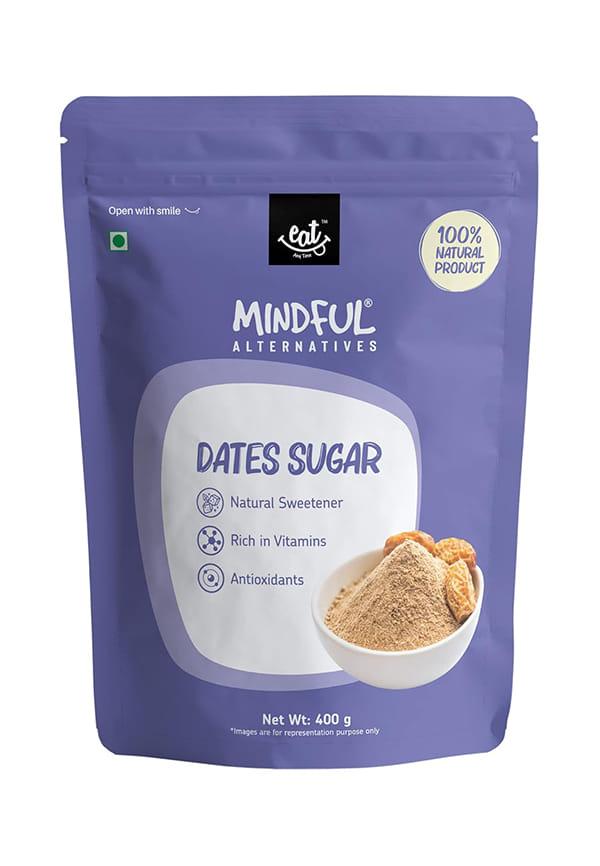
Dates Sugar
Keto-friendly options include stevia, monk fruit, and erythritol. These won't interfere with ketosis since they don't affect blood sugar.
Paleo-approved sweeteners are more limited, with coconut sugar and pure stevia being the main options that fit these guidelines.
Erythritol is often considered the best overall alternative because it measures 1:1 with sugar and produces similar textures. For zero-calorie options, monk fruit sweetener blends offer excellent results with minimal aftertaste.
Stevia and monk fruit are the healthiest options since they're natural, zero-calorie, and don't affect blood sugar. Coconut sugar is the healthiest traditional sugar alternative, containing minerals and having a lower glycemic index.
Only certain sweeteners work as 1:1 substitutes. Erythritol, xylitol, and coconut sugar can replace sugar cup-for-cup. Stevia and monk fruit are much sweeter and require significant measurement adjustments.
Sugar provides more than sweetness—it affects texture, moisture, and browning. Substitutes behave differently, which can change the final result. Combining sweeteners or adding extra moisture often improves outcomes.
Most sugar substitutes are generally recognised as safe for daily use. However, some people experience digestive issues with sugar alcohols. Start with small amounts and consult healthcare providers if you have concerns.
Natural options like stevia and monk fruit are generally considered safe for children. Avoid artificial sweeteners and limit sugar alcohols, which can cause digestive upset in smaller bodies.
Many sugar alternatives bake faster than regular sugar. Reduce oven temperature by 25 degrees and check for doneness 5-10 minutes earlier than usual. Keep a close eye on browning.
Absolutely! Blending sweeteners often produces the best results. Try combining erythritol with stevia for optimal taste and texture, or mix coconut sugar with monk fruit for complex flavour profiles.
Finding the best sugar substitutes for baking transforms your kitchen into a healthier space without sacrificing the treats you love. Whether you choose natural zero-calorie options like stevia and monk fruit, or sugar alcohols like erythritol, each alternative offers unique benefits for your baking adventures.
The key is experimentation and patience. Start with simple recipes and gradually work your way up to more complex bakes. Remember that combining different sweeteners often yields better results than relying on just one.
Just as Smytten helps you discover new products through trial-sized options before committing to full purchases, approach sugar substitutes with the same exploratory mindset. Try small quantities of different brands and types until you find your perfect matches. With over 1,500 trusted brands and the ability to try products risk-free, Smytten makes discovering new ingredients as exciting as perfecting your favourite recipes. After all, why settle for 'maybe' when you can try it all and find exactly what works for your unique baking style?
