Best Nuts for Heart Health FAQ: Your Questions Answered

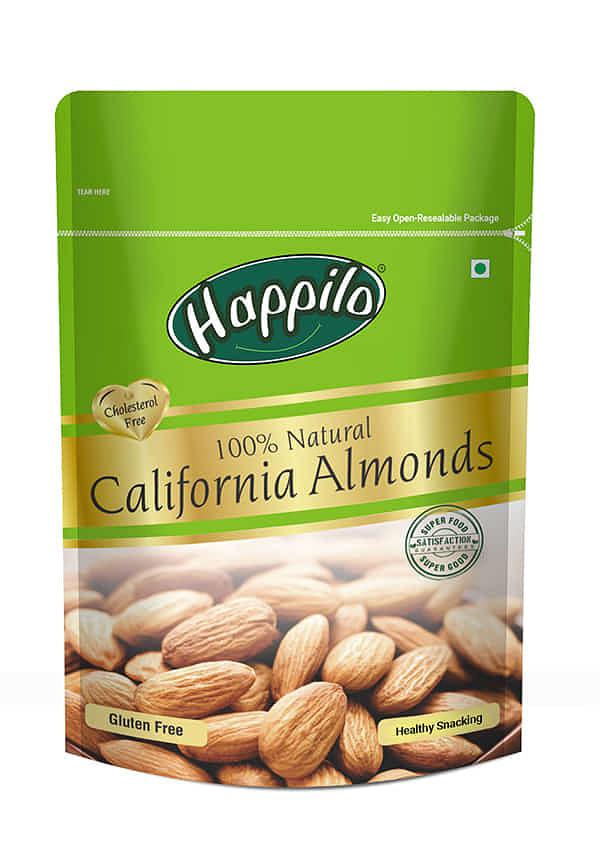
Premium Natural Californian Almonds
Very Good Product
 4
4“very good product very good product”
Very Good Product
4“very good product very good product”
Very Good Product
4“very good product very good product”
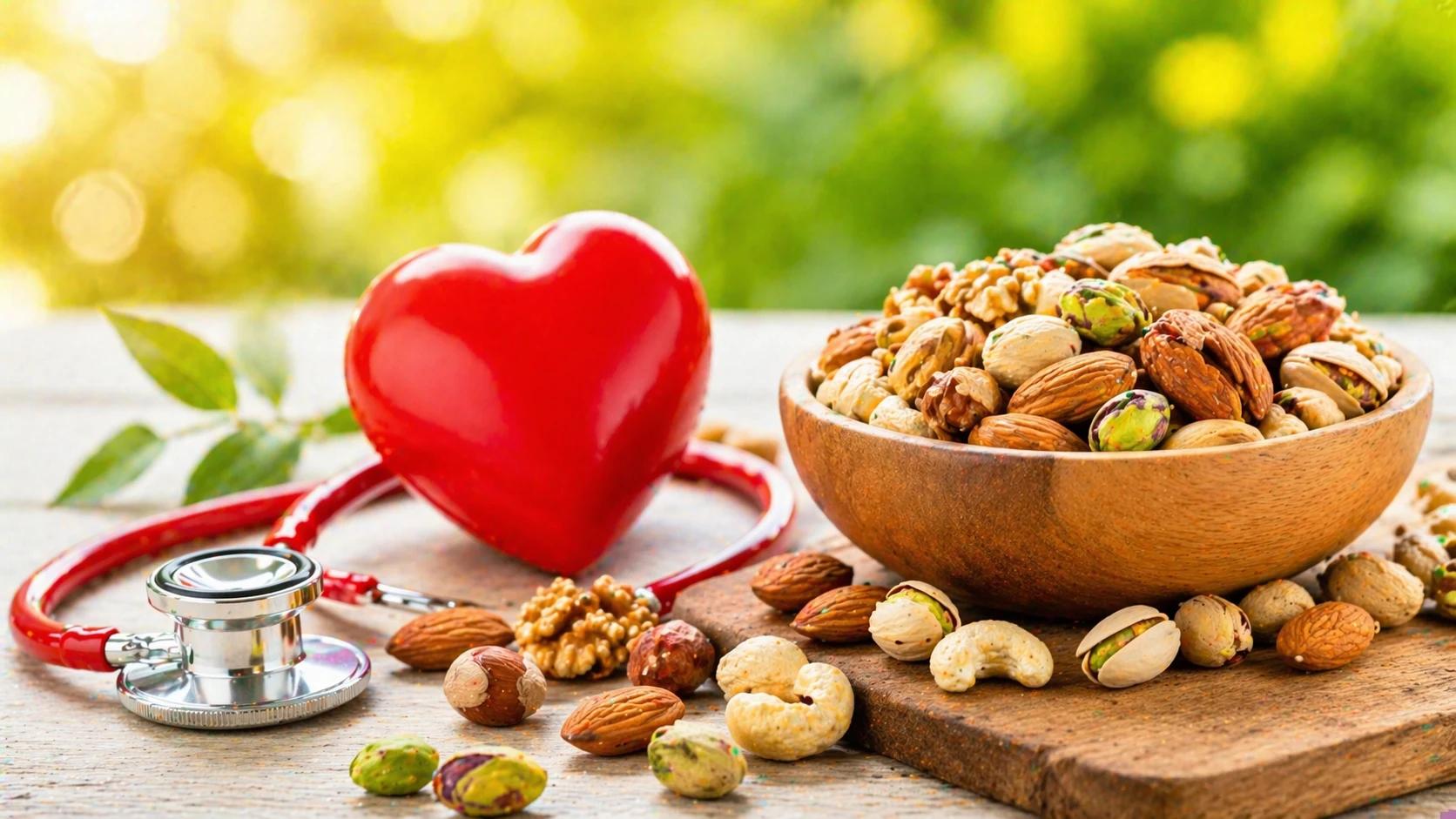
Your heart deserves the best, and choosing the right nuts can be a game-changer for cardiovascular health. With so much conflicting information out there, it's natural to have questions about which nuts actually benefit your heart, how much to eat, and whether they really make a difference. Let's dive into the science-backed answers that'll help you make smart choices for your ticker. From walnuts packed with omega-3s to almonds loaded with vitamin E, we're covering everything you need to know about heart healthy nuts.
When it comes to the best nuts for heart health, research consistently points to six standout varieties that offer impressive cardiovascular benefits. These heart healthy nuts aren't just tasty snacks—they're nutritional powerhouses that can genuinely support your heart's wellbeing when eaten as part of a balanced diet.
Walnuts top the list for good reason. They're the only nut that provides a significant amount of plant-based omega-3 fatty acids, specifically alpha-linolenic acid (ALA). Studies show that eating just 30g of walnuts daily can improve blood flow and reduce inflammation markers linked to heart disease.
Almonds are brilliant for cholesterol management, thanks to their high vitamin E content and healthy monounsaturated fats. Research indicates that munching on almonds regularly can lower LDL (bad) cholesterol by up to 10%. Plus, their magnesium content helps maintain steady blood pressure.
These little green gems are packed with antioxidants and plant sterols that naturally block cholesterol absorption. What's clever about pistachios is their shells—they naturally slow down your eating pace, helping with portion control whilst still delivering heart-protective benefits.
Technically a legume but nutritionally similar to tree nuts, peanuts offer excellent heart protection at a fraction of the cost. They're rich in folate, which helps reduce homocysteine levels—a risk factor for heart disease. Perfect for budget-conscious heart health.
Both macadamias and hazelnuts are loaded with heart-healthy monounsaturated fats. Whilst they're higher in calories, their fat profile is similar to olive oil, making them excellent for maintaining healthy cholesterol levels when eaten in moderation.
The magic behind nuts for cholesterol management lies in their unique combination of healthy fats, fibre, and plant compounds. Understanding how these work together helps explain why nuts are so effective for heart health.
Nuts contain unsaturated fats that help replace saturated fats in your diet, naturally lowering LDL cholesterol. The soluble fibre in nuts binds to cholesterol in your digestive system, preventing its absorption. Plant sterols and stanols found in nuts also compete with cholesterol for absorption, further reducing blood cholesterol levels.
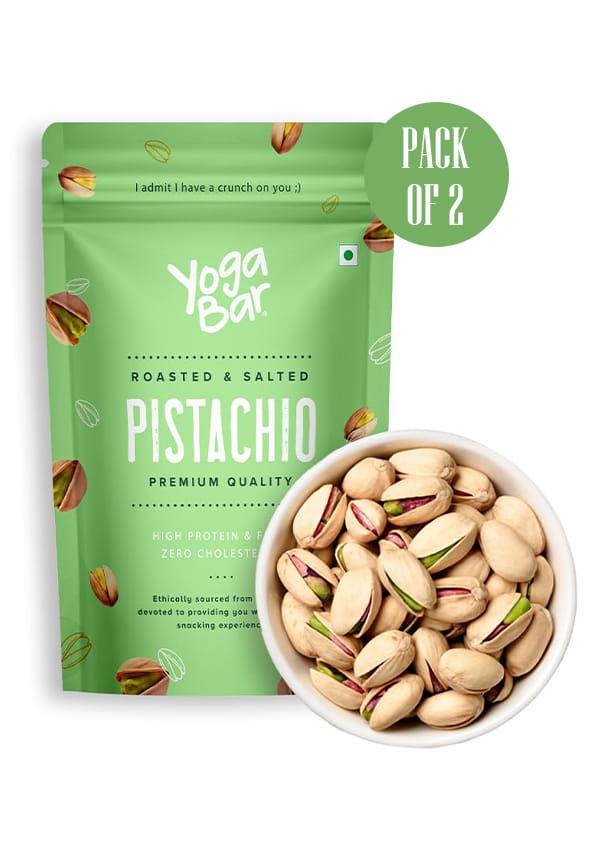
Roasted & Salted Pistachios | Premium Quality California Pistachios
Nice Offer and Purchase
5“Very nice and good offer to be purchase ”
Nice Offer and Purchase
5“Very nice and good offer to be purchase ”
Crisp Savoury Snack
5“crisp snack savoury should try”
Regular nut consumption doesn't just lower bad cholesterol—it can actually improve your overall cholesterol profile. Studies show that eating nuts can reduce LDL cholesterol whilst maintaining or even slightly increasing HDL (good) cholesterol, creating a healthier ratio that benefits cardiovascular health.
The benefits of nuts extend far beyond cholesterol management. These nutritional powerhouses support your cardiovascular system in multiple ways, making them a smart addition to any heart-healthy eating plan.
Many nuts are excellent sources of magnesium and potassium—minerals that help regulate blood pressure. The best nuts for lowering blood pressure include almonds, cashews, and pistachios. Regular consumption can help improve arterial flexibility and reduce hypertension risk.
Chronic inflammation is a key driver of heart disease, and nuts contain powerful anti-inflammatory compounds. Regular nut consumption has been shown to reduce C-reactive protein levels and other inflammatory markers, supporting overall cardiovascular health.
Nuts help improve endothelial function—the ability of your arteries to dilate and contract properly. This improved arterial flexibility, combined with nuts' antioxidant properties, can help prevent plaque formation and reduce arterial stiffness.
Getting the right amount of daily nut consumption is crucial for maximising heart benefits without overdoing calories. The sweet spot for most people is about 30g (roughly a small handful) per day.
A 30g serving typically equals about 23 almonds, 14 walnut halves, or 49 pistachios. This portion provides heart benefits whilst keeping calories in check—most nuts contain about 160-200 calories per 30g serving.
Raw or dry-roasted nuts without added salt are your best bet for heart health. Heavily salted varieties can counteract the blood pressure benefits, whilst flavoured nuts often contain added sugars and unhealthy oils that diminish their cardiovascular advantages.
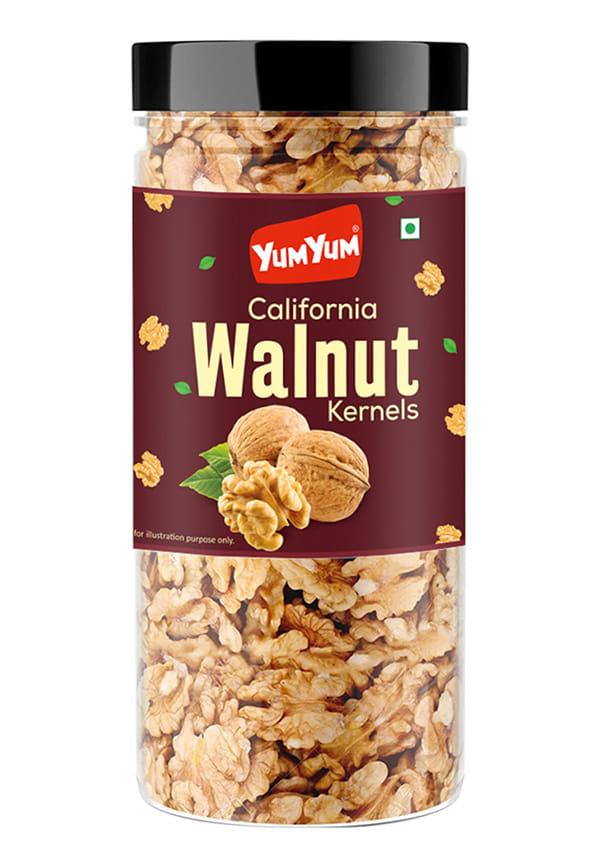
California Walnut Kernels, Akhrot Giri Dry Fruits - Walnuts
Spreading your nut intake throughout the day can help with satiety and blood sugar control. Try adding nuts to breakfast, using them as an afternoon snack, or incorporating them into dinner salads for consistent heart-healthy benefits.
Understanding nut nutrition facts helps you make informed choices about which varieties to include in your diet. Each type of nut offers a unique nutritional profile that contributes to heart health in different ways.
Most nuts provide 4-6g of protein per 30g serving, along with 2-4g of fibre. The healthy fats in nuts make up the majority of their calories, with walnuts being highest in omega-3s and almonds leading in vitamin E content.
Nuts are packed with heart-protective micronutrients. Almonds excel in vitamin E and magnesium, Brazil nuts are selenium superstars, and cashews provide copper and zinc. These minerals work together to support cardiovascular function and protect against oxidative stress.
Despite being calorie-dense, nuts can actually support weight management due to their protein and fibre content, which promote satiety. The key is sticking to appropriate portions and choosing them over less nutritious snacks.
Getting the most from your nut consumption involves smart shopping, proper storage, and creative incorporation into your daily meals. These practical tips ensure you're maximising the cardiovascular benefits whilst keeping things delicious and sustainable.
Choose nuts that look plump and smell fresh—avoid any that appear shrivelled or have an off odour. Store them in airtight containers in the fridge to maintain their healthy oils and prevent rancidity, which can reduce their nutritional benefits.
Beyond snacking, try adding chopped nuts to yoghurt, blending them into smoothies, or using nut butters as spreads. Toasted nuts make excellent salad toppers, whilst ground nuts can replace breadcrumbs in heart-healthy recipes.
If you have diabetes, pair nuts with lower-glycemic foods to help manage blood sugar. Those on blood-thinning medications should consult their doctor before significantly increasing nut intake, particularly walnuts, due to their omega-3 content.
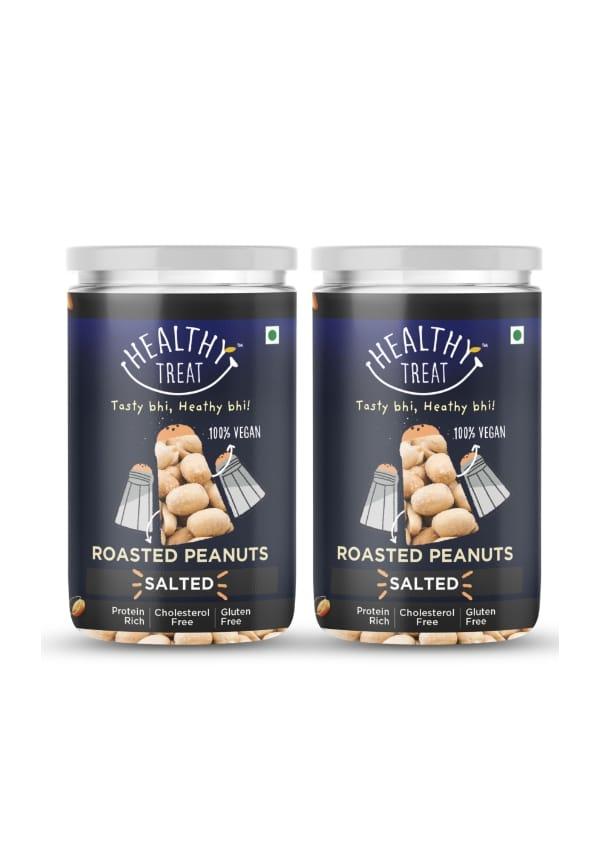
Roasted Peanut- Salted
When exploring heart-healthy nutrition options, platforms like Smytten make it easier to discover and try new wellness products. With curated trial packs from trusted brands, you can explore different nutritional supplements and health-focused snacks before committing to full-size purchases, making your journey towards better heart health both affordable and risk-free.
Absolutely! Whilst peanuts are technically legumes, their nutritional profile is remarkably similar to tree nuts. They're rich in heart-healthy monounsaturated fats, folate, and niacin. Studies show that regular peanut consumption can reduce heart disease risk by up to 20%. Just choose unsalted varieties to maximise the cardiovascular benefits.
Whilst nuts are heart-healthy, moderation is key. Eating excessive amounts can lead to weight gain due to their high calorie content, which might counteract cardiovascular benefits. Stick to the recommended 30g daily serving, and remember that variety in your diet is important for overall heart health.
Avoid heavily salted, flavoured, or honey-roasted nuts if you have high blood pressure. The added sodium can worsen hypertension. Instead, choose raw, dry-roasted, or lightly salted varieties. Almonds, pistachios, and walnuts are particularly beneficial for blood pressure management when consumed without added salt.
Whilst fatty fish provides EPA and DHA omega-3s, walnuts offer ALA omega-3s, which your body can partially convert to EPA and DHA. For optimal heart health, include both in your diet—aim for fatty fish twice weekly and a handful of walnuts daily for comprehensive omega-3 coverage.
Dry-roasted nuts retain most of their heart-healthy properties, though some vitamin E may be lost during roasting. Avoid nuts roasted in oils or with added sugars and salt. Light roasting can actually make some antioxidants more bioavailable, so dry-roasted varieties are still excellent choices for heart health.
Natural nut butters without added sugars, oils, or salt can provide similar heart benefits to whole nuts. However, it's easier to overconsume nut butter, so measure portions carefully. Whole nuts also provide more satiety and require more energy to digest, which can be advantageous for weight management.
Nuts generally don't interact with medications, but their vitamin E content might enhance the effects of blood-thinning medications. If you're on warfarin or similar medications, consult your doctor before significantly increasing nut consumption, especially walnuts and almonds which are high in vitamin E.
There's no specific "best" time, but spreading nut consumption throughout the day can help with satiety and blood sugar control. Many people find that having nuts as an afternoon snack helps prevent overeating at dinner, whilst others prefer adding them to breakfast for sustained energy.
The best nuts for heart health include walnuts, almonds, pistachios, and peanuts, each offering unique cardiovascular benefits through their rich profiles of healthy fats, fibre, and essential nutrients. A daily 30g serving provides optimal heart protection without excessive calories, whilst choosing unsalted, minimally processed varieties maximises the benefits. Remember, nuts work best as part of a balanced diet—they're not magic bullets but rather valuable allies in your heart health journey. Whether you're managing cholesterol, blood pressure, or simply want to support your cardiovascular system, incorporating these nutritional powerhouses into your daily routine is a delicious step towards better heart health.
