Best Drinks for Gut Health FAQ: Your Questions Answered


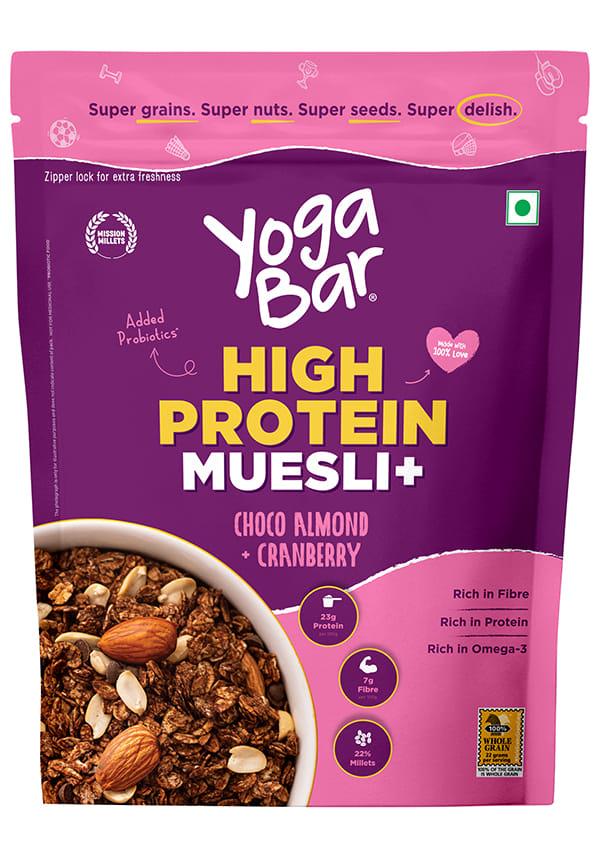
High Protein Muesli | Choco Almond and Cranberry | Added Probiotics
Your gut's been sending you signals—bloating after meals, that sluggish feeling, or just not feeling quite right. Real talk, what you drink can be a total game-changer for your digestive wellness. From ancient fermented drinks to modern probiotic powerhouses, the right beverages can transform how your gut feels and functions. Let's dive into the science-backed drinks that actually work, plus answer all those burning questions about gut health beverages you've been wondering about.
When it comes to gut health drinks, not all beverages are created equal. The most effective options fall into three main categories: probiotic-rich fermented drinks, anti-inflammatory beverages, and digestive stimulants. Each works differently to support your gut microbiome and overall digestive wellness.
Kefir tops the list as one of the most potent probiotic drinks available. This fermented milk beverage contains over 12 different strains of beneficial bacteria, making it significantly more diverse than regular yoghurt. Just 120ml daily can introduce billions of live cultures to your digestive system.
Kombucha has become your kind of trendy gut-friendly drink, and for good reason. This fermented tea combines the benefits of probiotics with antioxidants from tea leaves. The fermentation process creates beneficial bacteria whilst maintaining a refreshing, slightly fizzy taste that's worth obsessing over.
Traditional buttermilk (chaas) deserves a spot in your daily routine. This Indian yoghurt-based drink has been supporting digestive health for centuries. Unlike store-bought versions loaded with additives, homemade chaas provides natural probiotics along with cooling properties that soothe your digestive tract.
Ginger tea works as nature's bloating relief system. The active compounds in ginger, particularly gingerol, help reduce inflammation in your digestive tract whilst stimulating digestive enzymes. It's particularly effective when consumed 30 minutes before meals.
Turmeric latte or golden milk brings curcumin's powerful anti-inflammatory properties to your gut health routine. This bright yellow compound helps heal the gut lining and reduces inflammation that can disrupt your microbiome balance.
Bone broth might sound old-school, but it's packed with glutamine—an amino acid that helps repair and strengthen your gut lining. The collagen and minerals in properly made bone broth support overall digestive wellness.
Warm lemon water kickstarts your digestive system each morning. The citric acid helps stimulate stomach acid production, whilst the warm temperature gently awakens your digestive tract after hours of rest.
Apple cider vinegar drinks help optimise stomach acid levels, which is crucial for proper digestion. Always dilute it properly—one tablespoon in a glass of water is plenty to support your digestive fire without causing irritation.
Peppermint tea acts as a natural muscle relaxant for your digestive tract. It's particularly helpful for reducing cramping and supporting smooth digestion after meals.
Jeera (cumin) water activates digestive enzymes and has been a traditional remedy for digestive issues across India. Soaking cumin seeds overnight and drinking the water first thing in the morning can significantly improve your digestive function.
Understanding how probiotic drinks work helps you make smarter choices about which ones to include in your routine. These beverages don't just pass through your system—they actively colonise and support your gut environment.
Fruit & Nut Muesli, Super Save Pack, Wholegrain Breakfast, High Fiber Pouch
When you consume fermented drinks, you're introducing live beneficial bacteria that can establish themselves in your gut. These bacteria compete with harmful microorganisms for space and resources, essentially crowding out the bad guys.
The fermentation process also creates beneficial compounds like short-chain fatty acids, which serve as food for your gut lining cells. This helps maintain the integrity of your intestinal barrier, preventing harmful substances from entering your bloodstream.
Regular consumption of diverse probiotic drinks increases the variety of beneficial bacteria in your microbiome. This diversity is crucial for optimal digestive health, immune function, and even mood regulation.
Both kefir and kombucha offer unique benefits, but they work differently in your system. Kefir benefits include a higher concentration of live bacteria strains—typically 12 or more compared to kombucha's 2-4 strains.
Kombucha benefits extend beyond probiotics to include antioxidants from tea and beneficial acids produced during fermentation. It's also lower in calories and naturally contains less sugar than kefir.
For optimal results, aim for 120-240ml of either drink daily, preferably between meals when stomach acid levels are lower. This timing helps more beneficial bacteria survive the journey to your intestines.
Your morning beverage choice sets the tone for your entire digestive day. The right drinks for digestion can jumpstart your system and prepare it for optimal nutrient absorption throughout the day.
Starting with warm lemon water helps stimulate your digestive fire after hours of rest. The warmth gently awakens your digestive system, whilst the citric acid encourages stomach acid production. Add a pinch of Himalayan salt for extra electrolyte support.
Apple cider vinegar morning shots, when properly diluted, can optimise your stomach's pH levels for better digestion. Mix one tablespoon in 200ml of warm water and drink it 15-20 minutes before breakfast.
Homemade probiotic smoothies combine the benefits of fermented ingredients with fibre-rich fruits and vegetables. Blend kefir with berries, spinach, and a tablespoon of ground flaxseed for a gut-supporting breakfast drink.
Timing matters when it comes to maximising the benefits of healthy gut beverages. Probiotic drinks work best between meals when stomach acid levels are lower, allowing more beneficial bacteria to reach your intestines alive.
Digestive stimulants like ginger tea or warm lemon water should be consumed 15-30 minutes before meals to prepare your digestive system. Post-meal soothing options like peppermint tea help relax your digestive tract and reduce bloating.
Fruit & Nut Muesli, Super Save Pack, Wholegrain Breakfast, High Fiber Pouch
Chronic inflammation in your digestive tract can disrupt your microbiome balance and lead to various digestive issues. The right beverages for gut health can help calm inflammation and support healing.
Golden milk turmeric latte combines turmeric's powerful curcumin with black pepper to enhance absorption. Heat 250ml of your preferred milk, add half a teaspoon of turmeric powder, a pinch of black pepper, and a touch of honey for sweetness.
Ginger-honey inflammation fighter tea helps reduce digestive inflammation whilst soothing your stomach. Steep fresh ginger slices in hot water for 10 minutes, then add raw honey to taste. The combination provides both immediate relief and long-term anti-inflammatory benefits.
Aloe vera juice, when sourced from reputable brands, can help soothe inflamed gut lining. Start with small amounts—about 30ml daily—and choose products specifically designed for internal consumption.
High-sugar beverages feed harmful bacteria in your gut, potentially disrupting your microbiome balance. This includes fruit juices, sodas, and energy drinks that can cause rapid blood sugar spikes and promote inflammation.
Artificial sweeteners, whilst calorie-free, can negatively impact your gut bacteria diversity. Some studies suggest they may alter the composition of your microbiome in ways that affect glucose metabolism.
Excessive caffeine can irritate your gut lining and increase stomach acid production beyond optimal levels. If you're sensitive to caffeine, consider switching to herbal teas or limiting coffee to one cup daily.
Creating your own gut-friendly drinks at home ensures you control the ingredients and avoid unnecessary additives. Plus, it's often more cost-effective than buying commercial versions.
Simple water kefir requires just water kefir grains, filtered water, and a touch of natural sugar for the grains to feed on. Ferment for 24-48 hours at room temperature, then strain and enjoy. You can flavour the second fermentation with fruits or herbs.
Homemade kombucha brewing starts with a SCOBY (symbiotic culture of bacteria and yeast) and sweet tea. The process takes 7-14 days, but you'll have a continuous supply of fresh, probiotic-rich kombucha.
Traditional buttermilk (chaas) is the simplest to make. Blend fresh yoghurt with water in a 1:1 ratio, add a pinch of salt, roasted cumin powder, and fresh mint. This cooling drink supports digestion whilst providing beneficial bacteria.
Five-minute ginger tea blend requires just fresh ginger, hot water, and honey. Grate a thumb-sized piece of ginger, steep in boiling water for 5 minutes, strain, and sweeten to taste. This warming drink stimulates digestion and reduces bloating.
Prebiotic fibre smoothie combinations feed your beneficial gut bacteria. Blend banana, berries, spinach, and a tablespoon of ground flaxseed with your choice of liquid. The fibre feeds your microbiome whilst providing essential nutrients.
High Protein Muesli Choco Almond & Cranberry
Herb-infused digestive waters are perfect for sipping throughout the day. Combine fennel seeds, coriander seeds, and cumin seeds in water overnight. Strain and drink throughout the day for gentle digestive support.
Kombucha, bone broth, and warm lemon water support your body's natural detoxification processes. These drinks help maintain a healthy gut environment rather than "cleaning" in the traditional sense. Consistency is key—incorporate these beverages into your daily routine for best results.
Aim for 120-240ml of fermented beverages daily, ideally consumed between meals when stomach acid levels are lower. Start with smaller amounts and gradually increase to allow your digestive system to adjust to the beneficial bacteria.
Whilst drinks for gut microbiome support are incredibly beneficial, they work best as part of a holistic approach. Combine gut-friendly beverages with a diverse, fibre-rich diet, adequate sleep, stress management, and regular physical activity for optimal digestive wellness.
Positive changes typically include reduced bloating, improved regularity, better energy levels, and enhanced mood. You might also notice fewer digestive discomforts after meals and improved sleep quality. Most people begin noticing changes within 2-4 weeks of consistent consumption.
Some people experience temporary bloating or changes in bowel movements when first introducing probiotic drinks. This usually resolves within a week as your system adjusts. Start slowly and consult a healthcare provider if you have compromised immunity or serious digestive conditions.
Homemade versions often contain more live cultures and fewer additives, but quality store-bought options can be convenient and effective. Look for products with minimal ingredients, live cultures, and no artificial additives when choosing commercial options.
Your gut health journey doesn't have to be complicated or expensive. The best drinks for gut health are often simple, traditional beverages that have supported digestive wellness for generations. Whether you choose probiotic-rich kefir, soothing ginger tea, or fermented kombucha, consistency matters more than perfection.
Just like discovering your perfect skincare routine, finding the right gut health drinks takes some experimentation. What works brilliantly for your friend might not be your cup of tea—literally. Start with one or two options that appeal to you, then gradually expand your repertoire as your digestive system adapts.
Speaking of discovery, platforms like Smytten make it easier to explore wellness products without the commitment of full-size purchases. With curated trial packs from trusted brands, you can discover gut-supporting supplements and wellness products that complement your beverage routine. After all, why settle for maybe when you can Try It All and find what truly works for your unique digestive needs?
