Best Drinks for Digestion FAQ: Your Gut Health Questions Answered


Organic Apple Cider Vinegar With Amla, Turmeric, Cinnamon & Black Pepper
Your gut's been sending you signals, hasn't it? That post-meal bloating, the sluggish feeling after eating, or maybe just that nagging sense that your digestion could use some TLC. Here's the thing—what you drink can be just as important as what you eat when it comes to keeping your digestive system happy. From ancient Ayurvedic remedies to modern probiotic powerhouses, the right beverages can transform how your body processes food. Let's dive into the science-backed drinks that actually work for better gut health, plus answer all those burning questions you've been googling at 2 AM.
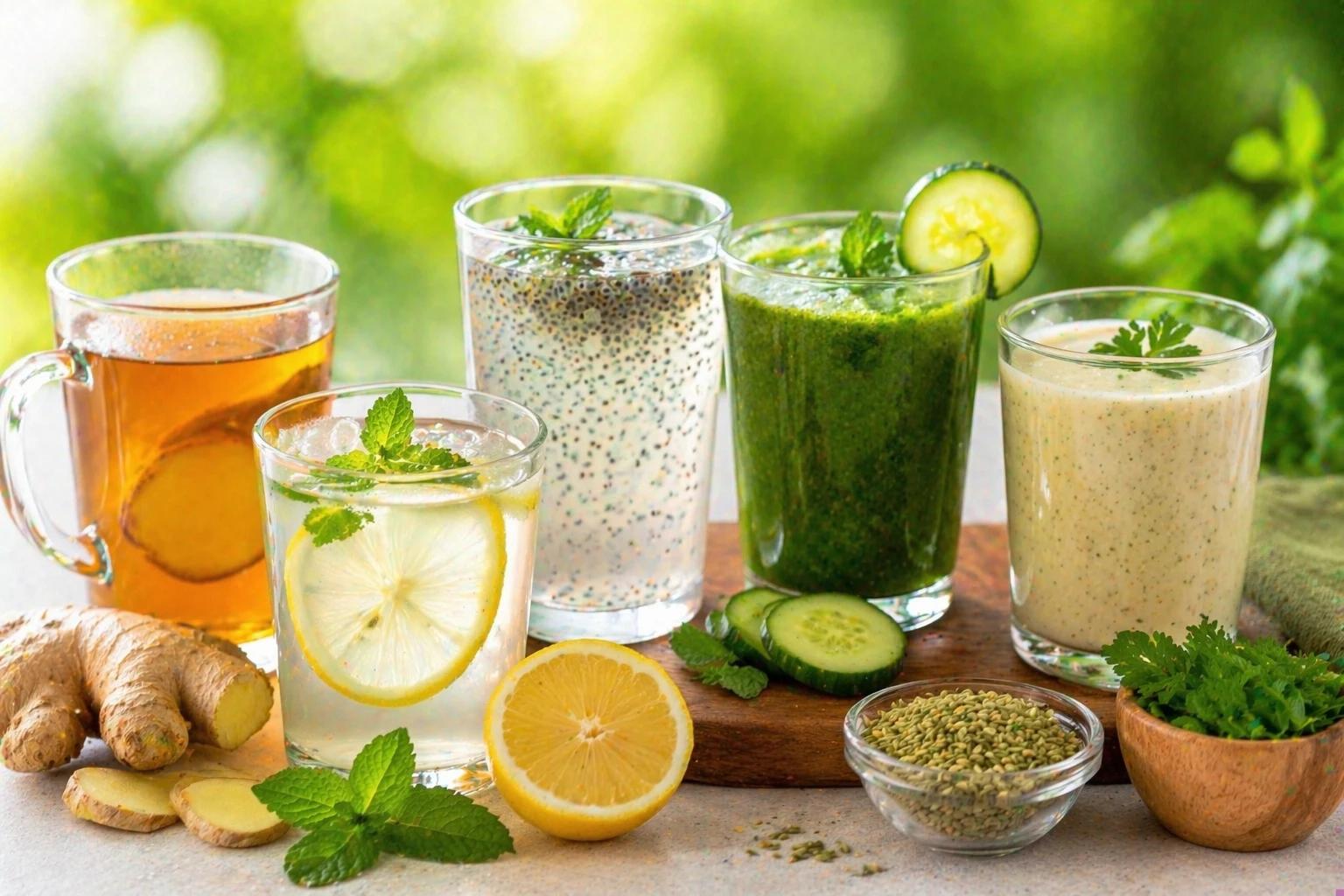
Real talk—not all digestive drinks are created equal. These seven have solid science backing them up and can genuinely help your gut do its job better.
Warm lemon water: Kickstarts digestive enzymes and helps with morning sluggishness
Ginger tea: Reduces nausea and speeds up gastric emptying
Peppermint tea: Relaxes digestive muscles and eases gas
Kombucha: Delivers beneficial probiotics for gut microbiome balance
Fennel tea: Traditional carminative that reduces bloating
Aloe vera juice: Soothes digestive tract inflammation
Prune juice: Natural laxative effect for constipation relief
The key is timing—most work best when consumed 30 minutes before meals or 1-2 hours after eating. Your digestive system has its own rhythm, and these drinks work with it, not against it.
Your morning drink choice sets the tone for your entire digestive day. Think of it as priming your gut's engine before you start feeding it fuel.
There's a reason this simple combo has stood the test of time. The citric acid in lemons stimulates the production of digestive enzymes, whilst the warm water helps kickstart your metabolism. Drink it 30 minutes before breakfast for maximum impact—this gives your stomach time to wake up properly. Try adding a pinch of pink salt or fresh ginger for extra digestive benefits.
This Ayurvedic favourite isn't just trendy—it's genuinely effective. Cumin seeds contain compounds that stimulate digestive enzymes and can help reduce bloating. Soak a teaspoon of cumin seeds in water overnight, strain, and drink first thing in the morning. The earthy taste might take some getting used to, but your gut will thank you.
Before you wrinkle your nose, hear us out. Diluted apple cider vinegar can help support stomach acid production, which naturally decreases as we age. Mix one tablespoon in a large glass of water—never drink it straight, as it can damage tooth enamel. Start with smaller amounts if you're new to this.
Nature's pharmacy is packed with herbs that have been soothing digestive woes for centuries. These aren't just old wives' tales—modern research backs up many traditional uses.
Ginger contains gingerol and shogaol, compounds that reduce inflammation and speed up gastric emptying. Fresh ginger root makes the most potent tea—slice a thumb-sized piece and steep in hot water for 10 minutes. It's particularly brilliant for nausea and that heavy feeling after rich meals.

Lemon Grass Ginger Tea Instant Premix
The menthol in peppermint has antispasmodic properties, meaning it helps relax the muscles in your digestive tract. This makes it your go-to for trapped gas and bloating. Drink it after meals rather than before—you want those digestive muscles working during eating, not relaxing.
Fennel seeds are natural carminatives, which is a fancy way of saying they help expel gas from your digestive system. The slightly sweet, liquorice-like taste makes this tea quite pleasant. Crush a teaspoon of seeds lightly before steeping for better flavour extraction.
Chamomile isn't just for bedtime—its anti-inflammatory and antispasmodic properties make it excellent for digestive upset. It's particularly good for stress-related digestive issues, as it helps calm both your nervous system and your gut.
Your gut microbiome is like a bustling city of bacteria, and these drinks help keep the good guys in charge. The key is consistency—occasional probiotic drinks won't transform your gut health overnight.
This fizzy fermented tea delivers live probiotics that can help balance your gut microbiome. Look for brands with minimal added sugar and multiple probiotic strains. Start with small amounts—some people experience initial bloating as their gut adjusts to the new bacterial residents.
Kefir typically contains more diverse probiotic strains than yogurt, making it a gut health superstar. Water kefir offers a dairy-free alternative that's just as beneficial. The tangy taste might surprise you at first, but it grows on most people.
The beverage industry has caught onto gut health, creating sodas and drinks enriched with prebiotics—the food that feeds your good bacteria. These are worth exploring, especially if you're trying to reduce regular fizzy drink consumption whilst supporting digestive health.
What you drink after eating can either support or sabotage your digestion. The golden rule? Wait at least 30 minutes after eating before drinking anything substantial.
Drinking large amounts of liquid immediately after eating dilutes your stomach acid, which can slow down protein digestion. This doesn't mean you can't sip water during meals, but save the big glasses for later. Your stomach needs time to do its acidic magic on your food.

Tulsi Ginger Chai Tea
Traditional Chinese Medicine and Ayurveda both favour warm drinks after meals, and there's some science to support this. Cold drinks can slow down digestion by reducing blood flow to the digestive organs. Room temperature or warm beverages are gentler on your system.
Bitter compounds stimulate digestive secretions, which is why many cultures end meals with bitter herbs or digestifs. You can make your own digestive blend with dandelion, gentian, or artichoke leaf. Start with small amounts—a little bitterness goes a long way.
Different digestive problems need different approaches. Here's how to match your drink choice to your specific gut concerns.
Prune juice is the classic for good reason—it contains sorbitol, a natural laxative. Start with 120ml daily and increase gradually. Psyllium husk drinks provide soluble fibre that helps form healthy stools. Remember, increasing fibre without adequate water can make constipation worse, so drink plenty of fluids.
When you need fast relief, warm water with a pinch of asafoetida (hing) works wonders—it's a traditional Indian remedy that's surprisingly effective. Activated charcoal drinks can help absorb excess gas, but use them sparingly and away from medications, as they can interfere with absorption.
Aloe vera juice can help soothe an irritated oesophagus, whilst coconut water provides natural alkalinity. Avoid citrus drinks if you have active reflux, despite lemon water being generally beneficial for digestion—timing and individual tolerance matter.
Sometimes knowing what not to drink is just as important as knowing what to include. These beverages can disrupt your digestive harmony.
Coffee stimulates stomach acid production, which isn't necessarily bad, but timing matters. Drinking coffee on an empty stomach can cause irritation in sensitive individuals. Carbonated drinks can contribute to bloating and may interfere with nutrient absorption when consumed with meals.
Alcohol disrupts the gut microbiome and can damage the intestinal lining with regular consumption. If you're dealing with digestive issues, consider reducing alcohol intake whilst you work on healing your gut. Your microbiome will appreciate the break.

Chamomile Delight Green Tea
Excessive sugar feeds harmful bacteria in your gut, potentially leading to imbalances. Artificial sweeteners can also disrupt gut bacteria and may cause digestive upset in sensitive individuals. Read labels carefully—sugar hides under many names.
Speaking of making informed choices about what goes into your body, platforms like Smytten make it easier to discover wellness products that support your health goals. With trial packs from trusted brands, you can explore digestive supplements and wellness drinks without committing to full-size purchases—because your gut health journey should be about finding what works for you, not settling for maybe.
For immediate relief, try warm water with fresh ginger or a cup of peppermint tea. These can help relax digestive muscles and reduce bloating within 15-30 minutes. Gentle movement like walking also aids digestion by encouraging gastric motility.
Green tea contains catechins that can speed up metabolism and digestion. Warm lemon water activates digestive enzymes quickly, whilst ginger tea enhances gastric motility. The key is choosing warm beverages over cold ones for faster digestive action.
Most herbal teas and natural digestive drinks are safe for daily consumption in moderate amounts. However, it's wise to rotate different options rather than sticking to just one. If you have medical conditions or take medications, consult your healthcare provider before making significant changes.
Some benefits, like reduced bloating from peppermint tea, can be felt within 30 minutes. However, improvements in overall gut health from probiotic drinks typically take 2-4 weeks of consistent consumption. Keep a food and symptom diary to track your progress.
Most people tolerate digestive drinks well, but some may experience initial bloating when starting probiotics. Ginger can interact with blood-thinning medications, and excessive amounts of certain herbs can cause upset. Start with small amounts and increase gradually.
It depends on the drink and your goal. Digestive enzyme-stimulating drinks like lemon water work best before meals, whilst soothing teas like chamomile are better after eating. Probiotic drinks can be consumed between meals for optimal bacterial survival.
Many herbal teas are safe for children in diluted forms, but always consult a paediatrician first. Chamomile and mild ginger tea are generally well-tolerated, whilst stronger herbs should be avoided. Stick to gentle options and smaller quantities for little ones.
Your digestive health doesn't have to be a mystery wrapped in discomfort. The right drinks can genuinely transform how your gut feels and functions, but remember—consistency trumps perfection. Start with one or two options that appeal to you, pay attention to how your body responds, and adjust accordingly. Whether it's starting your day with warm lemon water or winding down with chamomile tea, small changes can lead to significant improvements in your digestive comfort. Your gut has been working hard for you—now it's time to return the favour with some thoughtful beverage choices that actually work.
