Best Breakfast Foods for Protein: Your Complete FAQ Guide

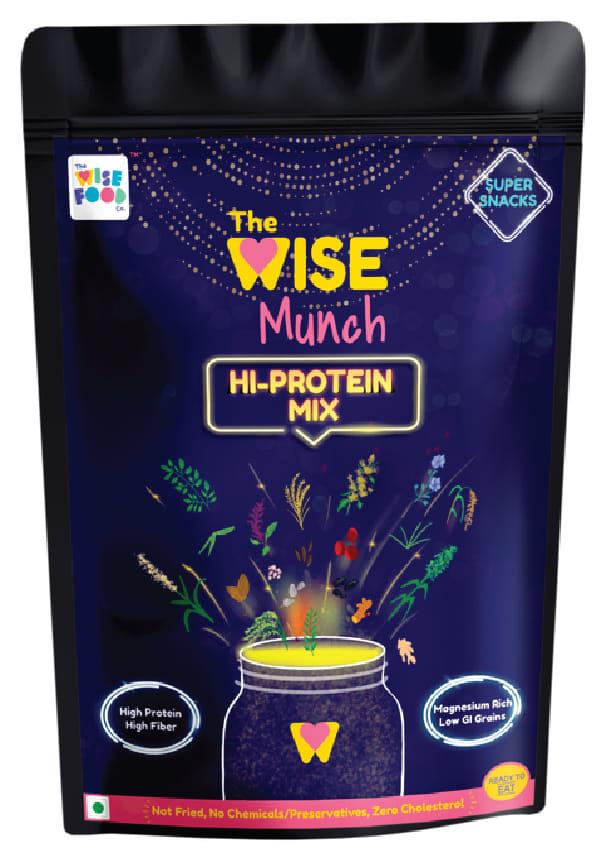
Hi-Protein Mix (Ready-to-Eat Snacks)
Let's be real—starting your day with the right fuel makes all the difference. When you're rushing out the door with just a sugary cereal or skipping breakfast altogether, you're basically setting yourself up for that mid-morning energy crash. The secret to sustained energy, better focus, and even muscle building lies in choosing the best breakfast foods for protein. Whether you're trying to build muscle, manage your weight, or simply feel more satisfied throughout the morning, getting 20-30g of protein at breakfast can be a total game-changer. From quick fixes to meal prep champions, we've got your complete guide to making mornings work for you.
When it comes to packing protein into your morning meal, some foods are absolute champions. The key is knowing which ones deliver the most bang for your buck—and taste good enough that you'll actually want to eat them every day.
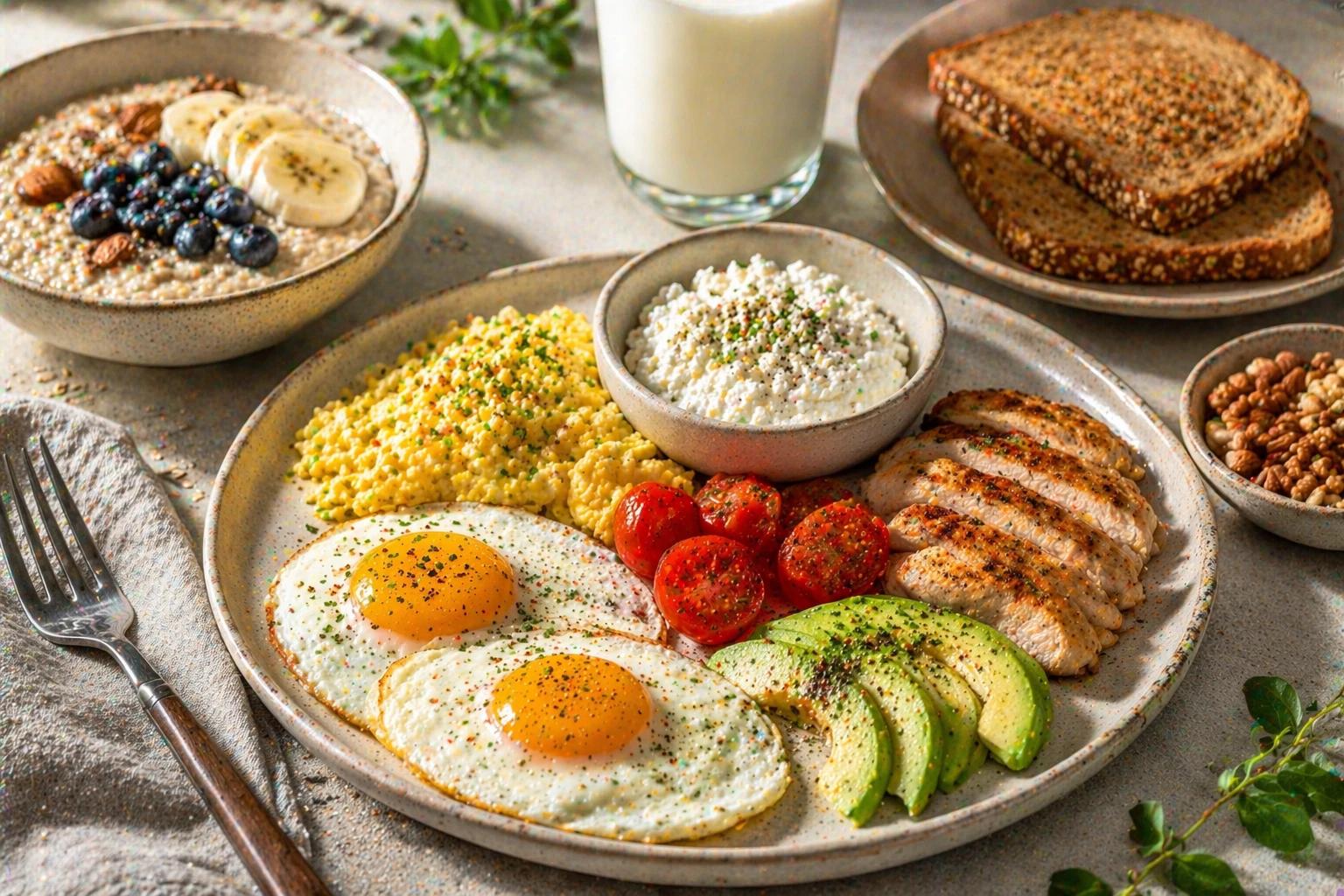
Eggs are probably the most versatile protein source you'll find. At 6g of protein per egg, they're also a complete protein, meaning they contain all nine essential amino acids your body needs. Whether you scramble them, make an omelette, or go for the classic boiled version, eggs are your reliable morning companion.
Greek yoghurt is another absolute winner, delivering 15-20g of protein per cup. The thick, creamy texture makes it perfect for parfaits, smoothie bowls, or just eating straight up with some berries. Plus, you're getting probiotics for gut health—talk about a win-win.
Cottage cheese might not sound exciting, but hear us out. With 14g of protein per half cup, it's packed with casein protein that digests slowly, keeping you full longer. Mix it with fruit, nuts, or even savoury herbs for a protein-rich start.
Lean meats like turkey sausage, grilled chicken breast, or smoked salmon can turn your breakfast into a proper feast whilst delivering serious protein numbers.
Tofu scramble is the plant-based answer to scrambled eggs, offering about 10g of protein per half cup. Season it with turmeric, nutritional yeast, and your favourite spices for a flavourful morning meal.
Protein powder is the convenient champion, delivering 20-30g of protein per scoop. Blend it into smoothies, mix it into overnight oats, or even make protein pancakes for a quick protein boost.
Nuts and seeds are brilliant for adding both protein and healthy fats. Almonds, chia seeds, hemp hearts, and pumpkin seeds can easily be sprinkled on yoghurt, oatmeal, or smoothie bowls.
Legumes might seem unusual for breakfast, but dishes like dal, chickpea flour pancakes, or even leftover lentil curry can provide substantial protein to start your day.
Finding the right high protein breakfast doesn't have to mean eating the same boring meal every day. Whether you've got five minutes or you're into serious meal prep, there's a protein-packed option that fits your lifestyle.
When you're running late but still want to fuel properly, these quick fixes have got your back. A protein smoothie with Greek yoghurt, protein powder, and frozen berries takes literally two minutes to blend and delivers 25-30g of protein.
Overnight oats with nut butter and protein powder can be prepped the night before—just grab and go. Avocado toast topped with hemp seeds and a dollop of cottage cheese gives you healthy fats plus protein. Even something as simple as hard-boiled eggs (prep a batch on Sunday) with whole grain toast can hit your protein targets.
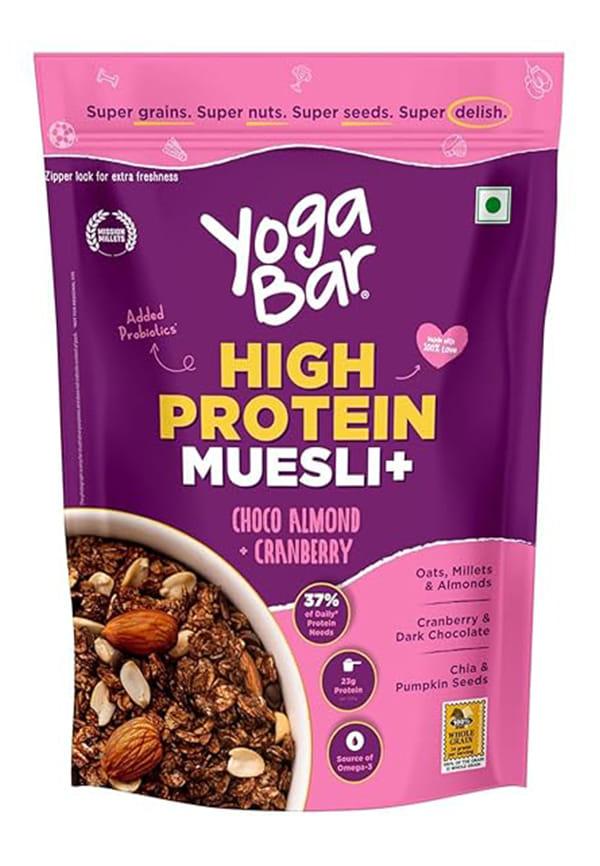
High Protein Muesli | Choco Almond and Cranberry | Added Probiotics
If you're into planning ahead, these make-ahead options will save your mornings. Egg muffins loaded with vegetables and cheese can be baked in batches and frozen—just microwave when you're ready to eat.
Chia pudding parfaits with layers of Greek yoghurt and berries look Instagram-worthy and pack serious protein. You can even make protein pancake batter in bulk, freeze individual portions, and reheat them throughout the week. Mason jar breakfast parfaits with yoghurt, nuts, and seeds stay fresh for days in the fridge.
Plant-based doesn't mean low-protein. Besan chilla (chickpea flour pancakes) delivers about 12g of protein per serving and can be loaded with vegetables for extra nutrition.
Moong dal cheela with vegetables bumps that up to around 15g of protein. Paneer bhurji with multigrain roti gives you a substantial 18g of protein whilst keeping things traditionally Indian. Quinoa breakfast bowls with nuts and seeds are perfect for those wanting something different from the usual suspects.
Hitting 30g of protein at breakfast might sound challenging, but it's totally doable with the right combinations. The trick is layering different protein sources rather than relying on just one.
Method 1: Greek yoghurt (20g) + almonds (6g) + chia seeds (4g) = 30g. This combo gives you creamy, crunchy, and satisfying textures whilst hitting your target.
Method 2: Two eggs (12g) + cottage cheese (14g) + whole grain toast (4g) = 30g. Perfect for those who prefer savoury breakfasts with substance.
Method 3: Protein smoothie with powder (25g) + milk (8g) = 33g. Quick, portable, and you can sneak in fruits and vegetables too.
For muscle building, try scrambled eggs with cheese, turkey sausage, and avocado toast. For weight management, go with a protein smoothie bowl topped with nuts and seeds. Vegetarian options include tofu scramble with nutritional yeast, served with protein-enriched bread and nut butter.
Your breakfast goals might vary depending on whether you're trying to build muscle, lose weight, or maintain your current physique. The good news is that protein-rich breakfasts support all these goals, just with slightly different approaches.
For building muscle, timing and protein quality matter. Complete proteins that contain all essential amino acids are your best friends. Think eggs, dairy, quinoa, and protein powders.
If you're working out in the morning, having some protein before and after your session can optimise muscle protein synthesis. Calorie-dense combinations like protein pancakes with nut butter, or Greek yoghurt with granola and nuts, help you meet both protein and calorie targets for muscle gain.
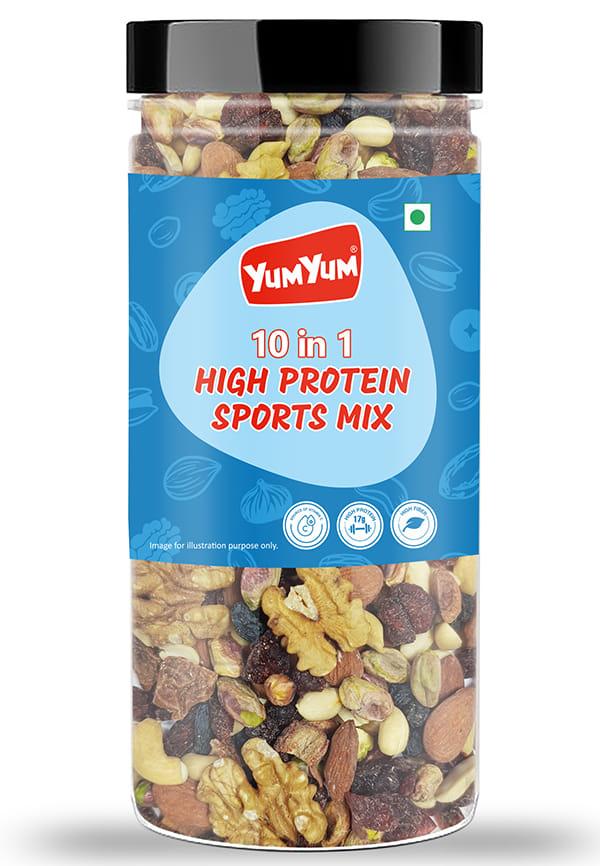
Premium 10 in 1 High Protein Sports Mix | Rich in Fiber |Plant Based Protein
Protein is brilliant for weight management because it keeps you feeling full longer and requires more energy to digest. Starting your day with 25-30g of protein can reduce cravings and prevent that mid-morning snack attack.
Focus on lean protein sources paired with fibre-rich foods. Think egg white omelettes with vegetables, Greek yoghurt with berries, or protein smoothies with spinach and low-sugar fruits. These combinations maximise satiety whilst keeping calories in check.
Protein-rich breakfasts aren't limited to Western-style eggs and yoghurt. Every culture has developed brilliant ways to start the day with substantial nutrition, and exploring these options keeps your breakfast routine interesting.
Traditional Indian breakfasts are naturally protein-rich when you know what to look for. Sprouted moong provides complete protein and is incredibly digestible. Upma made with semolina and loaded with nuts and vegetables offers both protein and complex carbs.
Modern adaptations include protein-rich dosas made with lentil and rice batter, or idlis served with sambar for a complete amino acid profile. Regional specialities like poha with peanuts or dhokla variations showcase how traditional foods can meet modern nutrition goals.
Mediterranean breakfasts often feature Greek yoghurt with nuts and honey—simple but effective. American-style protein pancakes and egg-based dishes have gained popularity worldwide for good reason. Asian options like miso soup with tofu or congee with eggs offer warming, protein-rich starts to the day.
Even with the best intentions, it's easy to fall into protein breakfast traps that might sabotage your goals. Knowing what to avoid can save you time, money, and frustration.
Relying only on protein powder supplements misses out on the additional nutrients that whole foods provide. While convenient, powders shouldn't be your only protein source.
Ignoring protein quality is another common mistake. Not all proteins are created equal—complete proteins with all essential amino acids are more beneficial than incomplete ones. Skipping fibre and healthy fats in favour of pure protein can leave you hungry sooner and miss important nutrients. Poor timing and portion sizes can also impact how well your body uses the protein you're consuming.
Balance your macronutrients by including some healthy fats and complex carbs with your protein. This combination provides sustained energy and better nutrient absorption.
Stay hydrated, especially with high-protein meals, as protein metabolism requires adequate water. For budget-friendly options, focus on eggs, legumes, and seasonal produce rather than expensive protein powders and supplements. Batch cooking and meal prep can save both time and money whilst ensuring you always have protein-rich options ready.
Speaking of discovering new options, platforms like Smytten make it easier to explore different protein-rich products and health foods. With trial packs from trusted brands, you can discover your next favourite protein powder, nut butter, or healthy breakfast option without committing to full-size purchases.
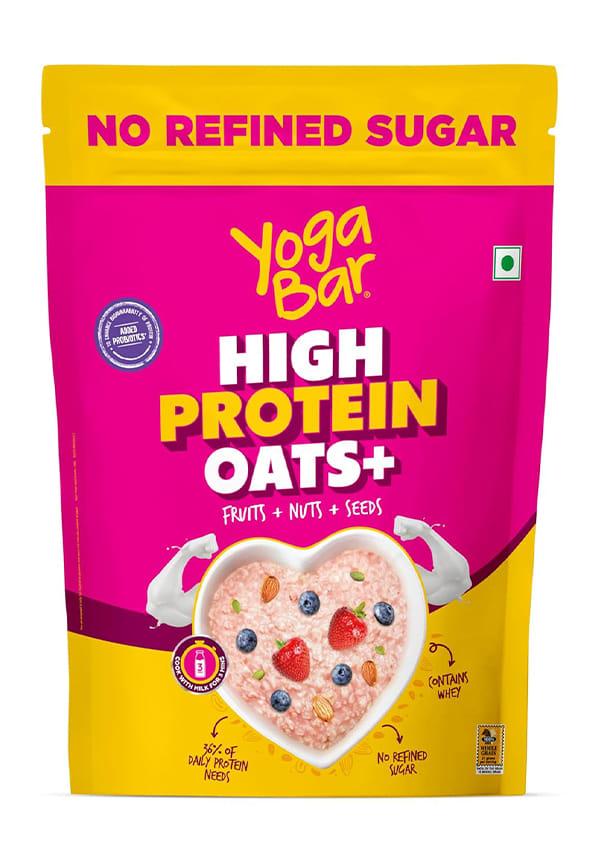
Protein Oats Fruit and Nut
Most adults should aim for 20-30g of protein at breakfast, whilst active individuals or those focused on muscle building might target 25-40g. This amount helps maintain muscle mass, supports metabolism, and keeps you satisfied until your next meal.
Absolutely! Combining different plant proteins like legumes, nuts, seeds, and whole grains provides complete amino acid profiles. Options like tofu scramble, chickpea flour pancakes, quinoa bowls, and protein-enriched smoothies can easily meet your protein needs.
Within 2 hours of waking is ideal for optimal metabolism and muscle protein synthesis. If you exercise in the morning, having some protein both before and after your workout can maximise the benefits.
Whole foods provide additional nutrients like vitamins, minerals, and fibre that protein shakes might lack. However, protein shakes offer convenience and concentrated protein when you're short on time. The best approach combines both based on your schedule and preferences.
Focus on make-ahead options that store well, such as overnight oats with protein powder, egg muffins with vegetables, chia pudding parfaits, and pre-cooked proteins like hard-boiled eggs. Batch cooking on weekends can set you up for the entire week.
Greek yoghurt (15-20g per cup), cottage cheese (14g per half cup), eggs (6g each), and protein powder (20-30g per scoop) are among the highest. Combining these with nuts, seeds, and whole grains can easily push your breakfast protein to 25-30g.
Yes, protein increases satiety and has a higher thermic effect, meaning your body burns more calories digesting it. A protein-rich breakfast can reduce cravings throughout the day and help maintain muscle mass during weight loss.
Protein smoothies, overnight oats with protein powder, Greek yoghurt with nuts, hard-boiled eggs with toast, or even a handful of nuts with a piece of fruit can provide quick protein when you're rushing.
Getting enough protein at breakfast doesn't have to be complicated or boring. Whether you're team eggs, obsessed with Greek yoghurt, or exploring plant-based options, there's a protein-rich breakfast that fits your taste and lifestyle. The key is finding combinations you actually enjoy eating—because the best breakfast is the one you'll stick with consistently.
Remember, your protein needs might vary based on your activity level, goals, and preferences. Start with 20-25g and see how you feel, then adjust accordingly. With options ranging from quick five-minute fixes to elaborate weekend meal prep sessions, you can always find a way to fuel your mornings properly. After all, when you start your day with the right nutrition, everything else tends to fall into place more easily.
