Hyperpigmentation on Neck Folds FAQ: Insulin Resistance Skincare Explained


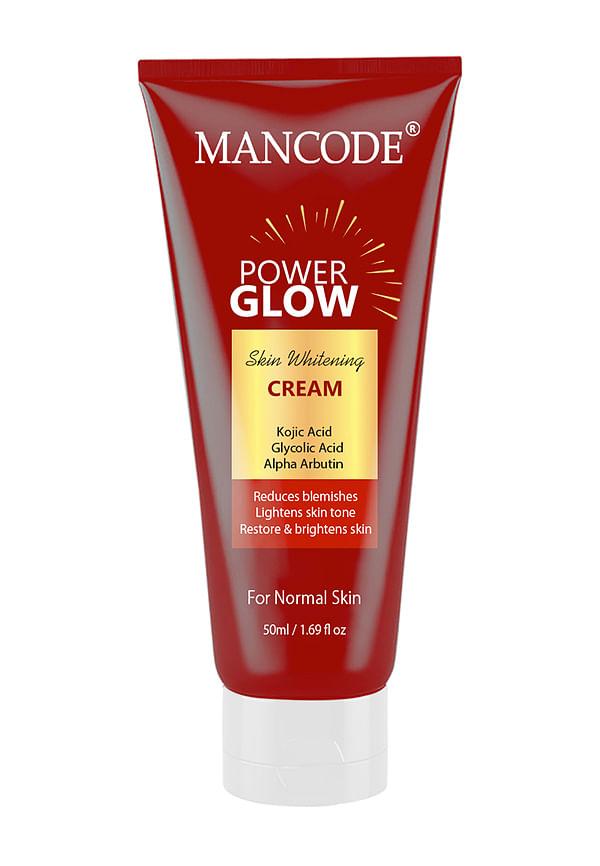
Power Glow Skin Whitening Cream Reduces Dark Spots
Dark patches on your neck folds can be more than just a cosmetic concern—they might be your skin's way of telling you something important about your health. If you've noticed thick, velvety dark areas around your neck, you're likely dealing with a condition called acanthosis nigricans, which is closely linked to insulin resistance. Let's dive into everything you need to know about this hyperpigmentation on neck folds insulin resistance skincare approach and how to tackle it effectively.
The link between dark neck folds and insulin resistance isn't just coincidental—it's a direct biological response. When your body struggles to process insulin properly, it can trigger specific skin changes that show up as hyperpigmentation, particularly in areas where skin rubs against skin.
Acanthosis nigricans is a skin condition characterised by dark, thick, velvety patches that typically appear in body folds and creases. Unlike regular hyperpigmentation, this condition involves both darkening and thickening of the skin. The most common areas affected include the neck, armpits, groin, and sometimes the knuckles.
When your body becomes resistant to insulin, your pancreas produces more insulin to compensate. These elevated insulin levels can bind to growth factor receptors in your skin cells, causing them to multiply rapidly. This process leads to the characteristic thick, dark patches you see in insulin resistance skin conditions.
Recognising the early signs of acanthosis nigricans can help you address both the skin condition and underlying health concerns. The appearance and texture of these patches can tell you quite a bit about what's happening beneath the surface.
The patches typically start as slightly darker areas that gradually become more pronounced. They often have a symmetrical pattern, appearing on both sides of the neck or in matching areas like both armpits.
• Thick, velvety texture that feels different from surrounding skin • Brown to black discolouration that doesn't wash off • Gradual onset, often developing over months or years • No pain or itching in most cases
While acanthosis nigricans itself isn't dangerous, it can be an early warning sign of diabetes or other metabolic conditions. If you notice these changes, especially alongside symptoms like increased thirst, frequent urination, or unexplained weight changes, it's worth having a chat with your doctor.
The good news is that neck hyperpigmentation treatment can be quite effective when you address both the symptoms and the underlying cause. The key is understanding that this isn't just a surface-level skin issue—it requires a comprehensive approach.
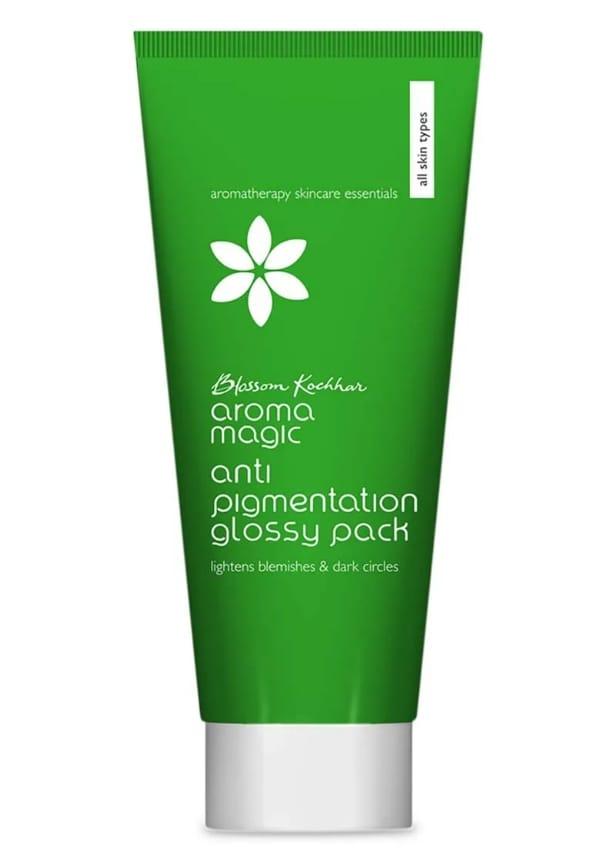
Anti Pigmentation Glossy Pack Fades Blemishes & Dark Circles
Super Product, Early Delivery
 5
5“super product on delivery previous date”
Super Product, Early Delivery
5“super product on delivery previous date”
Super Product, Early Delivery
5“super product on delivery previous date”
Your doctor might recommend several treatment options depending on the severity of your condition and underlying health factors.
• Topical retinoids: Help speed up skin cell turnover and reduce thickness • Metformin therapy: Addresses insulin resistance directly, often improving skin appearance • Keratolytic agents: Ingredients like salicylic acid and urea help remove thick skin layers • Alpha hydroxy acids: Gentle exfoliation to improve skin texture
For more stubborn cases, dermatologists offer several advanced treatment options that can significantly improve the appearance of dark neck folds.
• Chemical peels with glycolic or lactic acid • Laser therapy specifically designed for pigmentation issues • Combination treatments that target both thickness and discolouration
Creating an effective skincare for dark neck routine involves choosing the right products and using them consistently. The goal is to gently encourage skin renewal whilst addressing the underlying factors that contribute to the condition.
When shopping for products to address acanthosis nigricans, certain ingredients have proven particularly effective.
• Retinoids: Promote cell turnover and reduce skin thickness • Alpha hydroxy acids: Gentle exfoliation without irritation • Kojic acid: Natural skin lightening properties • Niacinamide: Reduces inflammation and improves skin barrier function • Urea: Helps soften thick, rough skin
Your daily cleansing routine plays a crucial role in managing this condition. The right approach can prevent further irritation whilst supporting your treatment goals.
• Use gentle, pH-balanced cleansers that won't strip your skin • Avoid harsh scrubbing, which can worsen the condition • Pat skin dry rather than rubbing to reduce friction • Apply moisturiser whilst skin is still slightly damp
Addressing the root cause of insulin resistance through lifestyle changes can significantly improve both your overall health and skin appearance. These changes work alongside topical treatments to provide the best results.
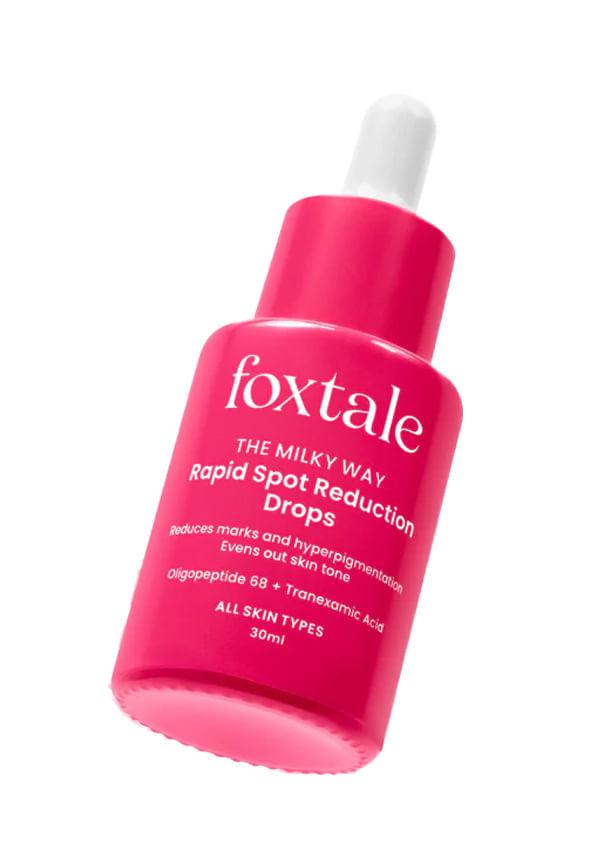
3% Tranexamic Acid & Peptide Serum for Hyperpigmentation, Reduces Marks
Good Smelling & Lightweight
5“good smelling light weight good”
Good Smelling & Lightweight
5“good smelling light weight good”
Nice Product, Milk Texture
4“very nice product its like an milk texture”
What you eat directly impacts your insulin levels and, consequently, your skin health. Focus on foods that help stabilise blood sugar and reduce inflammation.
• Choose low glycemic index foods that don't spike blood sugar • Include plenty of fibre-rich vegetables and whole grains • Limit processed foods and added sugars • Consider anti-inflammatory foods like fatty fish and leafy greens
Regular physical activity is one of the most effective ways to improve insulin sensitivity. Even modest increases in activity can make a noticeable difference over time.
• Aim for at least 150 minutes of moderate exercise weekly • Include both cardio and strength training • Start slowly if you're new to exercise • Find activities you enjoy to make it sustainable
Once you've started seeing improvement, maintaining those results requires ongoing attention to both skincare and lifestyle factors. The good news is that many people find their skin continues to improve with consistent care.
Simple daily habits can help prevent the condition from worsening and support your treatment efforts.
• Wear breathable, loose-fitting clothing to reduce friction • Maintain good hygiene without over-washing • Keep skin moisturised to prevent irritation • Monitor blood sugar levels if you have diabetes
While many cases of acanthosis nigricans can be managed with over-the-counter products and lifestyle changes, some situations warrant professional medical attention.
• Rapid onset or sudden worsening of symptoms • Signs of infection like pain, warmth, or unusual odour • No improvement after 3-6 months of consistent treatment • Concerns about underlying health conditions
Finding the right products for your specific needs doesn't have to involve expensive full-size purchases. Platforms like Smytten make it easier to explore different skincare for dark neck options through trial-sized products from trusted brands like Cetaphil and Dot & Key, helping you discover what works best for your skin before committing to full-size versions.
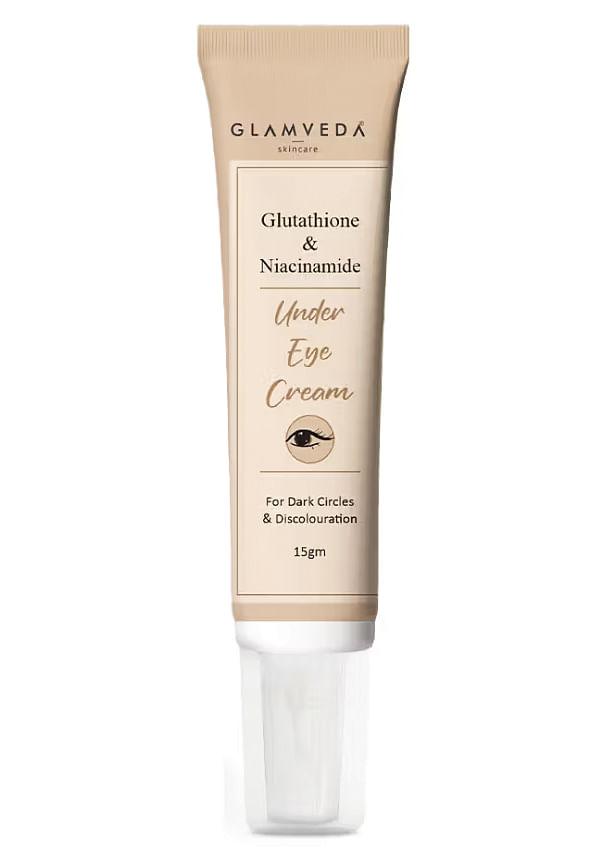
Glutathione & Niacinamide Under Eye Cream For Dark Circles & Wrinkles
Best Under Eye Cream
5“Best under eye cream o used in ”
Best Under Eye Cream
5“Best under eye cream o used in ”
Best Under Eye Cream
5“Best under eye cream o used in ”
While significant improvement is possible, complete reversal depends on several factors including how long you've had the condition and how well you manage underlying insulin resistance. Most people see noticeable improvement within 6-12 months of consistent treatment, though some darkening may persist.
You might start noticing changes in skin texture within 4-6 weeks, but visible lightening typically takes 3-6 months of consistent treatment. The thickness usually improves before the colour does, so don't get discouraged if progress seems slow initially.
While some people report success with ingredients like baking soda or lemon juice, these can actually irritate the skin and worsen the condition. Stick to proven ingredients like retinoids, alpha hydroxy acids, and gentle moisturisers for safer, more effective results.
Not always, but it's often an early sign of insulin resistance, which can lead to type 2 diabetes. Other causes include obesity, hormonal disorders, certain medications, and rarely, cancer. That's why it's important to have it evaluated by a healthcare provider.
Yes, weight loss can significantly improve acanthosis nigricans, especially when the condition is related to insulin resistance. Even a 5-10% reduction in body weight can lead to noticeable improvements in both insulin sensitivity and skin appearance.
Acanthosis nigricans involves both darkening and thickening of the skin, creating a velvety texture. Regular hyperpigmentation typically only involves colour changes without the characteristic thickness. The location (body folds) and underlying health connections also distinguish acanthosis nigricans.
Avoid harsh scrubs, alcohol-based products, and anything that increases friction or irritation. Be cautious with strong acids or retinoids initially—start with lower concentrations and gradually increase as your skin tolerates them.
Managing hyperpigmentation on neck folds insulin resistance skincare approach requires patience and a comprehensive strategy that addresses both the visible symptoms and underlying health factors. The most effective approach combines appropriate skincare products with lifestyle changes that improve insulin sensitivity. Remember that this condition often reflects what's happening inside your body, so treating it successfully means taking care of your overall health too.
With consistent care and the right approach, most people see significant improvement in both the appearance and texture of their skin. Whether you're exploring new treatment options or looking for gentle products to support your current routine, platforms like Smytten offer an affordable way to try different solutions from over 1,500 trusted brands, helping you find what works best for your unique situation without the commitment of full-size purchases.
