How to Use Skin Brightening Cream for Glowing Skin

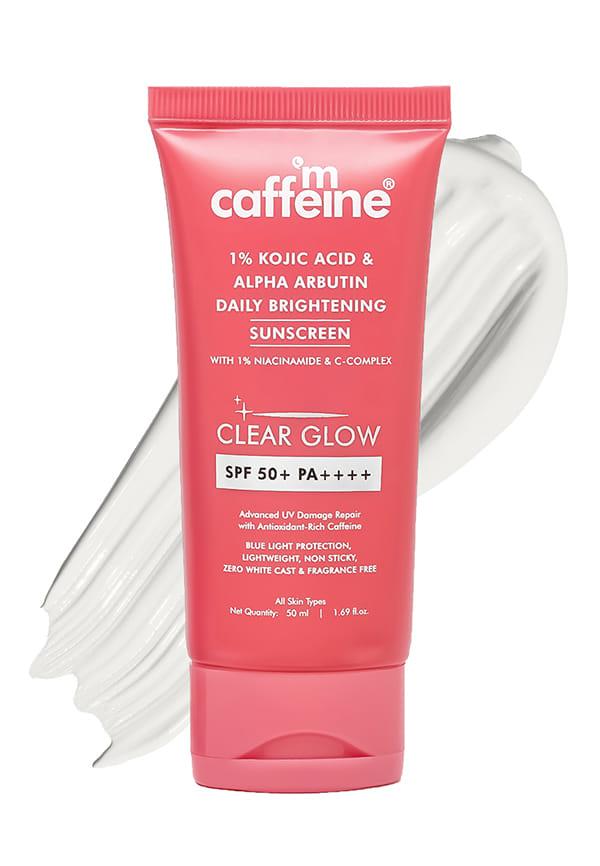
CLEAR GLOW 1% Kojic Acid, Alpha Arbutin Daily Brightening Sunscreen|SPF 50 PA++++ Non Greasy
Effective for Summers
 5
5“it's soo effective love ot for Summers”
Nice Summer Cream
5“very nice cream for use in summers feels like water”
Doesn't form foam
5“doesn't form the foam and I haven't use it”
Getting that perfect glow isn't just about finding the right skin brightening cream—it's about knowing how to use it properly. Real talk, you could have the most amazing product in your hands, but if you're not applying it correctly, you're basically throwing money down the drain. Whether you're dealing with stubborn dark spots, uneven skin tone, or just want that radiant complexion everyone's obsessing over, mastering the art of brightening cream application is your ticket to success. The good news? It's not rocket science, but there are definitely some insider tricks that can make all the difference. From understanding when to apply it in your routine to knowing exactly how much product to use, we're breaking down everything you need to know about how to use skin brightening cream effectively. Plus, with platforms like Smytten offering trial sizes of top brightening products, you can actually test what works for your skin before committing to full-size versions—because let's be honest, skincare is way too personal for guesswork.
Apply brightening cream on clean, dry skin using the dot method and gentle upward strokes
Always follow with SPF 30+ sunscreen during the day—this step is non-negotiable
Start with every other day application to build tolerance, then increase frequency based on your skin's response
Look for ingredients like vitamin C, niacinamide, and kojic acid for safe, effective brightening
Expect to see initial results in 4-6 weeks with consistent use and proper application
Before diving into application techniques, let's get clear on what's actually happening when you use these products. Skin brightening creams work by targeting melanin production and promoting cell turnover to reveal fresher, more even-toned skin underneath.
The magic happens through key active ingredients that each have their own superpowers. Vitamin C acts as an antioxidant whilst inhibiting tyrosinase, the enzyme responsible for melanin production. Niacinamide (vitamin B3) reduces the transfer of melanin to skin cells and helps strengthen your skin barrier. Alpha hydroxy acids (AHAs) like glycolic acid gently exfoliate dead skin cells, revealing brighter skin beneath. Understanding these mechanisms helps you appreciate why consistency and proper application matter so much for achieving those skin lightening cream benefits you're after.
Here's the reality check: despite what some products claim, there's no such thing as dramatic results overnight. Most people start noticing subtle improvements around the 4-6 week mark, with more significant changes appearing after 8-12 weeks of consistent use. This timeline varies based on your skin type, the severity of hyperpigmentation, and the specific ingredients in your chosen product.
Getting your application technique right is absolutely crucial for maximising results and avoiding irritation. Think of it like learning to drive—once you master the basics, it becomes second nature.
Start with a gentle cleanser to remove any dirt, oil, or makeup residue. Your skin needs to be completely clean for the active ingredients to penetrate effectively. Pat your face dry with a clean towel—never rub, as this can cause micro-tears and irritation.
If you're trying a new product, always do a patch test first. Apply a small amount to your inner wrist or behind your ear and wait 24-48 hours to check for any adverse reactions. This step might seem tedious, but it's way better than dealing with a full-face reaction.
Now for the main event—how to apply brightening cream like a pro. Use about a pea-sized amount for your entire face; more isn't always better and can actually lead to irritation or product pilling.
Apply using the dot method: place small dots of cream on your forehead, both cheeks, nose, and chin. Then, using gentle upward strokes and outward movements, blend the product evenly across your face. Pay special attention to areas with hyperpigmentation or uneven tone, but avoid the delicate eye area and the corners of your nostrils where skin is more sensitive.
Give the product 2-3 minutes to fully absorb before applying your next skincare step. This absorption time is crucial for preventing product interference and ensuring maximum efficacy.
After your brightening cream has absorbed, follow with a moisturiser if needed (some brightening creams are formulated to be moisturising enough on their own). The most critical step, especially for morning application, is applying broad-spectrum SPF 30 or higher sunscreen.
Sun protection isn't optional when using brightening products—it's absolutely essential. Many brightening ingredients can increase photosensitivity, and UV exposure can actually worsen hyperpigmentation, completely undermining your efforts.
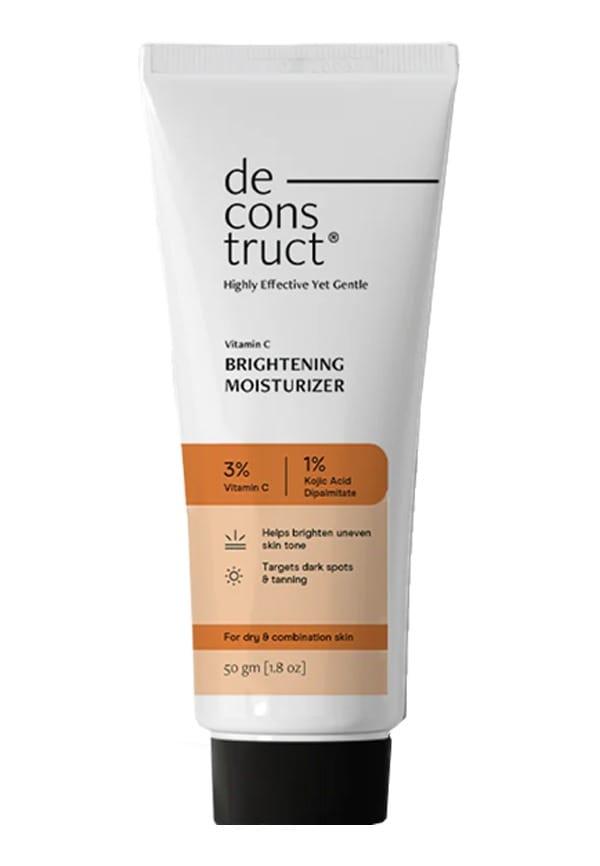
Niacinamide Brightening Moisturizer- 5% Niacinamide + 1% Kojic Acid + 5% Vitamin C + Vitamin E
Nice product, must try
5“nice product must try to all skin types”
Good Consistency, Not Patchy
4“good consistency medium not patchy”
Good for Dry Skin
5“Helpful for dry skin made my skin soft”
Timing is everything when it comes to brightening cream application. The when and how often can make or break your results, so let's get this sorted.
Most brightening creams can be used both morning and night, but some ingredients work better at specific times. Vitamin C is brilliant for morning use as it provides antioxidant protection against environmental damage. Retinoids and stronger AHAs are typically better suited for nighttime application when your skin is in repair mode.
Start with every other day application to allow your skin to build tolerance, especially if you have sensitive skin. Once your skin adapts (usually after 1-2 weeks), you can gradually increase to daily use. Oily skin types often tolerate daily use more quickly, whilst dry or sensitive skin may need a slower introduction.
For those wondering about safe skin brightening methods, consistency trumps intensity every time. It's better to use a gentler product daily than a harsh one sporadically.
If you have melanin-rich skin, you'll want to be extra careful about product selection and application frequency. Darker skin tones are more prone to post-inflammatory hyperpigmentation, so gentle, consistent application is key.
Start with lower concentrations of active ingredients and always prioritise products specifically formulated for deeper skin tones. The goal is evening out your natural skin tone, not dramatically lightening it.
The eternal skincare debate: serum or cream? Both have their place in a brightening routine, and understanding their differences helps you make the right choice for your skin's needs.
Serums typically have a lighter, more fluid texture that allows for deeper penetration of active ingredients. They often contain higher concentrations of brightening actives like vitamin C or niacinamide. Creams, on the other hand, provide more moisture and can be better for dry skin types or those who prefer a simplified routine.
If you're using both, the layering order matters: apply serum first (thinnest consistency), wait for absorption, then follow with cream (thicker consistency). This ensures each product can work effectively without interference.
For those exploring the best skin brightening products, consider your skin type, climate, and personal preferences. Oily skin often responds well to lightweight serums, whilst dry skin may benefit more from nourishing brightening creams.
Not all skin concerns are created equal, and your application technique might need tweaking based on what you're trying to achieve.
For stubborn dark spots, you might want to use a targeted approach. Apply your brightening cream to the entire face as usual, but consider using a slightly thicker layer on areas with more pronounced hyperpigmentation.
To reduce dark spots with cream effectively, consistency is your best friend. Most people see initial fading around the 6-8 week mark, with continued improvement over several months. Don't get discouraged if progress seems slow—hyperpigmentation treatment cream works gradually but surely.
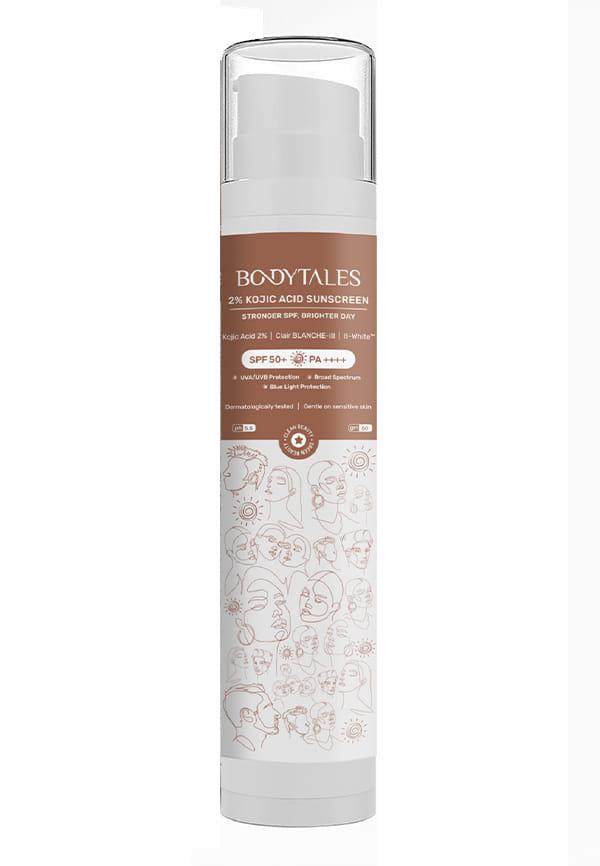
2% Kojic Acid & Alpha Arbutin Brightening Sunscreen SPF 50 PA++++
For overall skin tone improvement, focus on full-face application with particular attention to areas where you notice colour variations. This might include your T-zone, jawline, or areas where you've had previous breakouts.
An even skin tone cream works best when combined with gentle exfoliation (1-2 times per week) to help remove dead skin cells and allow better product penetration.
The ingredient list on your brightening cream tells the real story of what you can expect. Let's break down the most effective options and how they work.
Natural skin brightening ingredients have gained popularity for good reason—they're often gentler whilst still being effective. Kojic acid, derived from fungi, inhibits melanin production and is particularly effective for age spots. Arbutin, found in bearberry plants, works similarly but tends to be less irritating.
Licorice extract contains glabridin, which helps prevent UV-induced pigmentation and has anti-inflammatory properties. Vitamin C from natural sources like kakadu plum or acerola cherry provides antioxidant benefits alongside brightening effects.
Chemical actives often provide faster, more dramatic results but require careful use. Hydroquinone is highly effective but should be used under dermatological guidance due to potential side effects with long-term use.
Alpha hydroxy acids like glycolic and lactic acid work by promoting cell turnover, revealing brighter skin underneath. Retinoids (vitamin A derivatives) are excellent for both brightening and anti-ageing but can cause initial irritation.
Even with the best intentions, it's easy to make mistakes that can sabotage your brightening goals. Let's address the most common pitfalls so you can avoid them.
Using too much product is probably the biggest mistake people make. More cream doesn't equal faster results—it just increases the risk of irritation and waste. Stick to that pea-sized amount for your entire face.
Skipping sunscreen is another major error that can actually make hyperpigmentation worse. UV exposure whilst using brightening products can lead to rebound pigmentation, essentially undoing all your hard work.
Inconsistent application is also problematic. Using your brightening cream sporadically won't give you the results you're after. Set a routine and stick to it for at least 8-12 weeks before evaluating effectiveness.
Watch for signs of irritation like excessive redness, burning, or peeling. Some mild tingling with certain ingredients is normal, but persistent discomfort isn't. If irritation occurs, reduce frequency or discontinue use.
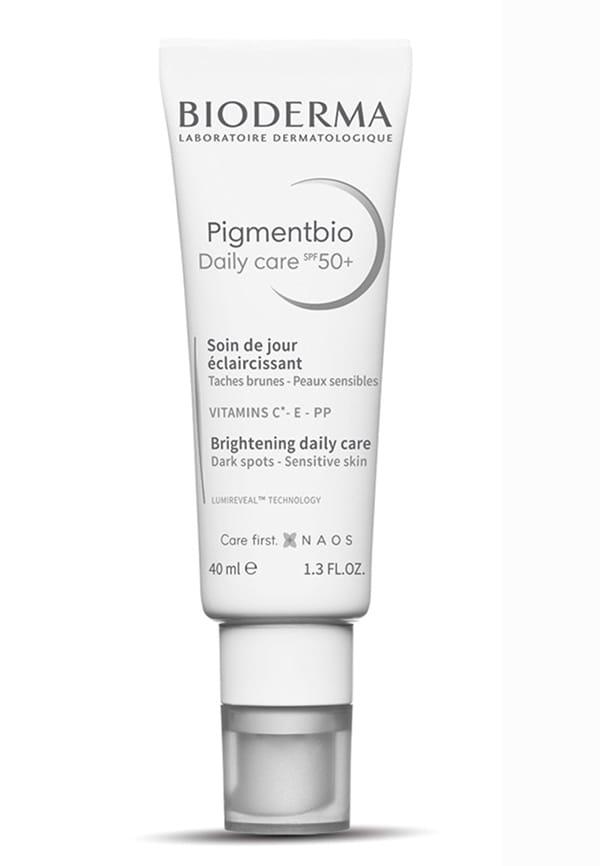
Pigmentbio Daily Care SPF 50+ Brightening Cream for Dark Spots & Senstive Skin
Never mix brightening creams with other strong actives like retinoids or AHAs without understanding potential interactions. When in doubt, consult a dermatologist, especially if you have sensitive skin or existing skin conditions.
Most brightening creams are formulated for daily use, but it depends on the specific ingredients and your skin's tolerance. Start with every other day and gradually increase frequency as your skin adapts. Always follow product instructions and listen to your skin's response.
Apply brightening cream after cleansing and toning but before moisturiser and sunscreen. If using a serum as well, apply the serum first, then the cream. Morning application requires mandatory sunscreen follow-up.
Most people notice subtle improvements around 4-6 weeks, with more significant changes appearing after 8-12 weeks of consistent use. Results vary based on skin type, severity of pigmentation, and product formulation.
Yes, but be mindful of ingredient interactions. Avoid combining multiple strong actives at once. If you're trying new combinations, Smytten's trial sizes let you test compatibility before committing to full-size products.
Most brightening creams work well for normal, oily, and combination skin types. Those with dry or sensitive skin should look for gentler formulations with hydrating ingredients. Always patch test new products regardless of skin type.
Brightening creams aim to even out skin tone and restore natural radiance, whilst whitening creams may contain stronger ingredients designed to lighten skin beyond its natural tone. Brightening is generally considered the safer, more natural approach.
Mastering how to use skin brightening cream effectively comes down to consistency, proper technique, and patience. Start with clean skin, use the right amount of product, and never skip sunscreen during the day. Remember that glowing skin cream application is just one part of the equation—your overall skincare routine, lifestyle factors, and realistic expectations all play crucial roles in achieving your desired results.
The most important thing to remember is that safe skin brightening methods prioritise gradual improvement over dramatic overnight changes. Choose products with proven ingredients, follow proper application techniques, and give your skin time to respond. Whether you're dealing with dark spots, uneven tone, or just want that extra glow, the right approach will get you there.
Finding the perfect brightening cream for your skin doesn't have to be a guessing game. Smytten offers curated trial packs from trusted skincare brands, letting you test different formulations before committing to full-size purchases. With over 1,500 brands available and 100% cashback on trial minis, you can explore various brightening products to discover what works best for your unique skin needs. The platform's authentic, brand-verified minis ensure you're getting genuine products, whilst PAN-India delivery means you can access the latest brightening innovations no matter where you are. After all, why settle for maybe when you can try before you buy and find your perfect brightening routine with confidence?
