How to Use Groin Brightening Cream for Lighter Skin


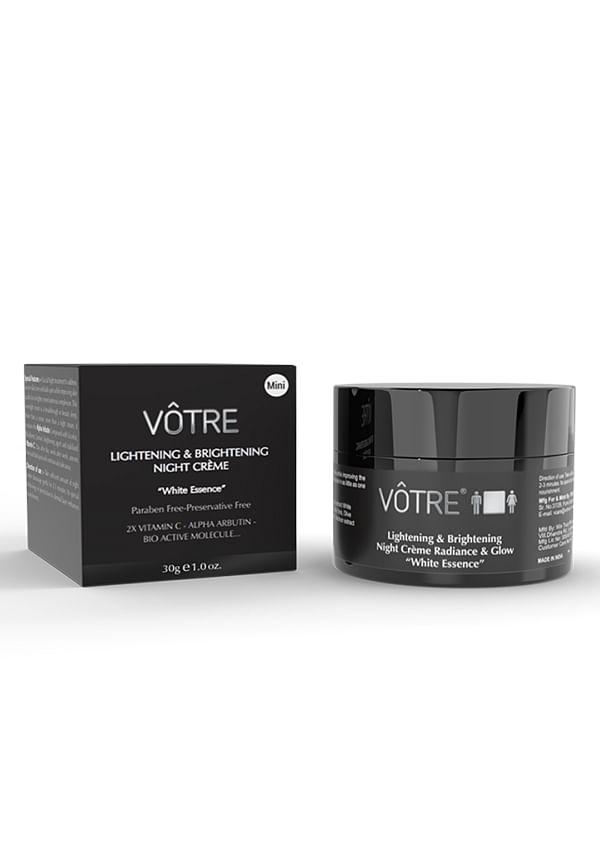
White Essence Brightening Night Restore Cream | Niacinamide, Rucinol & White Mulberry | For Skin Repair, Radiance Enhancement & Even-Looking Skin Ton
Loved the texture
 5
5“Great product 👍 with good texture I loved it 😍”
Positive Night Cream Review
5“good night cream reviews are good will try it”
Dark patches around the groin area can feel like an unwelcome surprise, especially when you're getting ready for beach season or just want to feel confident in your own skin. Whether it's from friction, hormonal changes, or just genetics being a bit cheeky, groin darkening is more common than you might think. The good news? There are safe, effective ways to address it, and knowing how to use groin brightening cream properly can make all the difference. With the right approach and realistic expectations, you can work towards lighter, more even-toned skin in these intimate areas. Plus, with platforms like Smytten offering trial-sized versions of various skincare products, you can test what works for your skin before committing to full-size purchases.
TL;DR
Groin darkening happens due to friction, hormones, or medical conditions—brightening creams can help when used correctly
Always patch test intimate area products and choose gentle, dermatologist-approved ingredients like kojic acid or niacinamide
Apply groin lightening cream to clean, dry skin using gentle circular motions, typically once daily
Results take 6-12 weeks to show, and consistency is key for safe groin brightening
Consult a dermatologist if darkening is sudden, severe, or doesn't improve with proper treatment
Let's be real—groin darkening isn't something people chat about over coffee, but it's actually super common. The skin in your groin area, including your inner thighs and bikini line, can develop darker patches for several reasons. Understanding what's causing your specific situation helps you choose the right approach for reducing groin darkness.
Friction is probably the biggest culprit. Think about it—this area gets a lot of action from walking, exercise, and tight clothing. When skin rubs against skin or fabric repeatedly, it can trigger a condition called acanthosis nigricans, which creates those darker, sometimes velvety patches. Hormonal changes during pregnancy, PCOS, or insulin resistance can also darken intimate areas. Sometimes it's just genetics being a bit unfair.
The key thing to know is when groin lightening cream is your friend versus when you need professional help. If the darkening appeared gradually and isn't accompanied by itching, pain, or unusual odours, topical treatments are usually worth trying. However, sudden changes, severe darkening, or symptoms like irritation definitely warrant a dermatologist visit before you start any intimate area brightening routine.
Not all brightening creams are created equal, especially when we're talking about sensitive intimate areas. The skin around your groin is thinner and more delicate than other parts of your body, so you need safe groin brightening products that won't cause irritation or damage.
Kojic acid is a gentle favourite that comes from rice fermentation—it works by inhibiting melanin production without being too harsh. Niacinamide (vitamin B3) is another winner that not only helps with skin lightening but also improves overall skin texture and reduces inflammation.
Vitamin C in stable forms like magnesium ascorbyl phosphate can brighten skin whilst providing antioxidant benefits. Arbutin and licorice extract are natural alternatives that work more slowly but are incredibly gentle on sensitive skin.
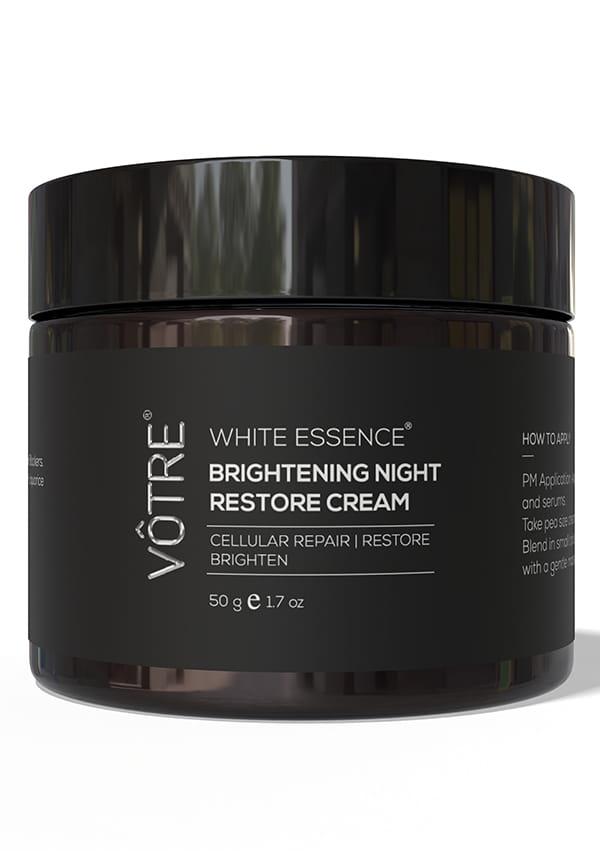
White Essence Brightening Night Restore Cream | Niacinamide, Rucinol & White Mulberry | For Skin Repair, Radiance Enhancement & Even-Looking Skin Ton
Steer clear of products with high concentrations of hydroquinone (above 2%) for intimate areas, as they can cause irritation or even paradoxical darkening. Avoid anything with harsh acids like glycolic acid in high percentages, retinoids, or bleaching agents not specifically formulated for sensitive skin.
Getting the application right is crucial for both safety and effectiveness. Here's how to use groin brightening cream like a pro, whether you're targeting your bikini line, inner thighs, or other intimate areas.
Before you even think about applying any dark inner thigh cream to the intended area, do a patch test on a small area of your inner arm. Wait 24-48 hours to see if any irritation develops. This step isn't optional—intimate skin can react differently than other areas.
Clean the area gently with a mild, fragrance-free cleanser and pat completely dry. Timing matters too—evening application is usually best since many lightening ingredients can increase sun sensitivity.
Start with a pea-sized amount of your chosen groin lightening cream. Less is definitely more when it comes to intimate areas. Apply using gentle, circular motions, ensuring even coverage without rubbing too vigorously. The skin should absorb the product within a few minutes—if it's sitting on top, you've used too much.
Most products work best with once-daily application, typically at night. Don't be tempted to apply more frequently thinking it'll work faster—that's a recipe for irritation.
Give the cream at least 15-20 minutes to absorb before putting on clothing. Choose breathable, loose-fitting clothes to avoid friction and allow the skin to breathe. Maintain good hygiene, but avoid harsh scrubbing or exfoliating the treated area.
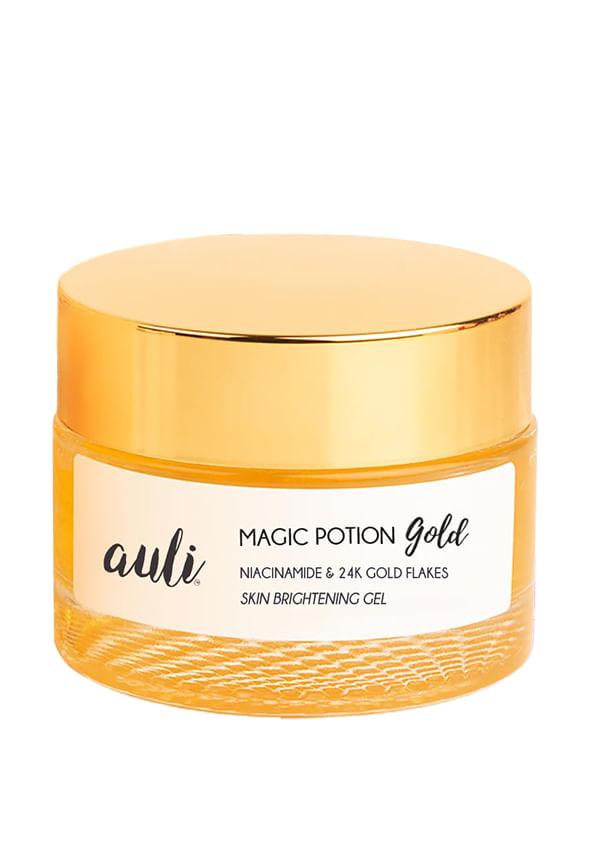
Auli 24K Gold Niacinamide Hydrating Gel with Saffron- Brightens, Fades Spots - 60gm
Different areas around your groin might need slightly different approaches. The bikini line, for instance, might be more prone to irritation from shaving, so you'll want to be extra gentle there. For dark inner thigh cream application, focus on areas where skin-to-skin contact occurs most frequently.
When dealing with private area skin lightening, remember that the skin closest to mucous membranes is the most sensitive. Use even less product and consider starting with every other day to see how your skin responds. Some people find that alternating between different gentle ingredients works better than using the same product daily.
Even the gentlest skin lightening products can sometimes cause reactions, especially in sensitive groin areas. Common side effects include mild redness, slight stinging, or dryness—these usually settle within a few days as your skin adjusts.
However, if you experience severe burning, persistent redness, unusual discharge, or worsening darkening, stop using the product immediately and consult a healthcare provider. Some people might experience contact dermatitis, which requires professional treatment.
Sun protection becomes extra important when using any lightening products. The treated skin can be more sensitive to UV rays, so if you're planning beach days or pool time, make sure those areas are well-covered or protected with appropriate sunscreen.
Here's the truth about how to lighten groin area effectively—it takes time. Most people start seeing subtle changes around 4-6 weeks, with more noticeable results appearing between 8-12 weeks of consistent use. The key word here is consistent.
Your results will depend on several factors: the underlying cause of darkening, your skin type, the severity of pigmentation, and how well you stick to the routine. Some areas respond faster than others—the bikini line might lighten quicker than deeply pigmented inner thigh areas.
Once you achieve your desired results, you'll likely need a maintenance routine to prevent the darkening from returning. This might mean using your chosen product 2-3 times per week instead of daily.
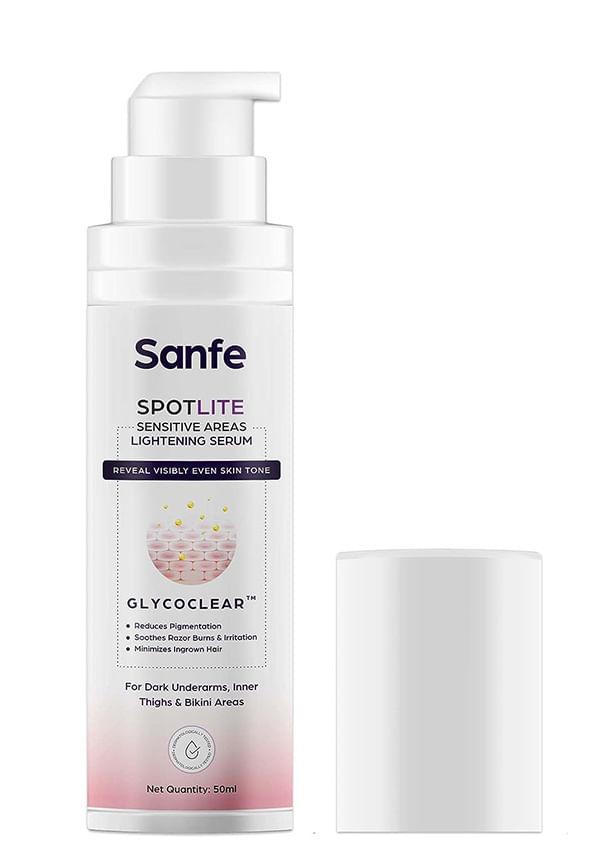
Dark Spot Sensitive Body Serum For Dark Underarms, Inner Thighs and Sensitive Areas
Gentle with Good Smell
5“gentle on skin doesn't irritate the skin and good smell”
Gentle with Good Smell
5“gentle on skin doesn't irritate the skin and good smell”
Best Results in First Use
4“best results in first use ......”
Most people see initial results within 4-6 weeks of consistent daily use, with significant improvement typically visible after 8-12 weeks. The timeline varies based on skin type, severity of darkening, and the specific product used.
It's best to avoid most skin lightening products during pregnancy and breastfeeding, as hormonal changes can affect how your skin responds. Always consult your doctor before starting any new skincare routine during this time.
Wait at least 24 hours after shaving before applying any lightening cream to avoid irritation. Freshly shaved skin is more sensitive and prone to reactions.
Medical creams typically contain higher concentrations of active ingredients and may include prescription-only components like tretinoin or higher-strength hydroquinone. Over-the-counter options use gentler concentrations of ingredients like kojic acid, niacinamide, or vitamin C, making them safer for self-use but potentially slower-acting.
It's generally not recommended to layer multiple lightening products, especially when starting out. This increases the risk of irritation and can actually slow down results. Stick to one product for at least 6-8 weeks before considering changes.
Using groin brightening cream effectively comes down to choosing the right product for your skin type, applying it correctly, and maintaining realistic expectations about timing. The most important thing is consistency—sporadic use won't give you the results you're looking for.
Remember that gentle, gradual improvement is always better than aggressive treatment that might cause irritation or damage. If you're dealing with sudden or severe darkening, or if over-the-counter products aren't helping after 3 months of consistent use, it's worth consulting a dermatologist for personalised advice.
Most importantly, know that groin darkening is completely normal and nothing to be embarrassed about. Whether you choose to treat it or not is entirely your decision—you're perfect either way.
Finding the right approach to intimate area brightening often involves some trial and error, which is where Smytten's trial packs become incredibly valuable. As India's largest product discovery platform, Smytten lets you test various skincare products through curated trial packs before committing to full-size purchases. With over 1,500 trusted brands available, including gentle skincare options perfect for sensitive areas, you can explore different formulations safely and affordably. The platform's 100% cashback on trials makes it risk-free to discover what works best for your skin, and with PAN-India delivery, you can access authentic, brand-verified products regardless of your location. After all, when it comes to intimate skincare, why settle for guessing when you can try before you buy and find exactly what your skin needs?
