How to Use Glycolic Acid Body Scrub Effectively for Smooth Skin

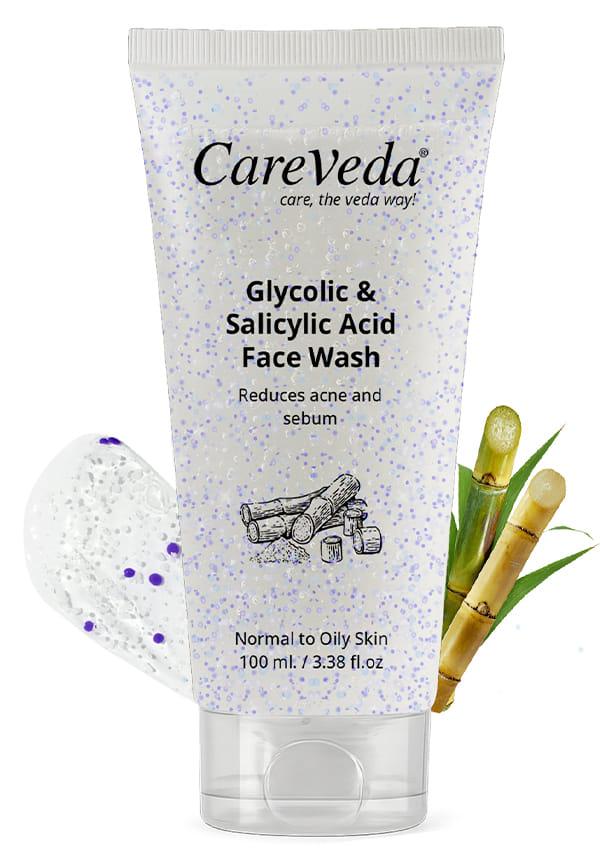
Glycolic & 1% Salicylic Acid Face Wash for Acne & Oil Control
Ever wondered why your body feels rough despite regular scrubbing? The secret might be switching from physical to chemical exfoliation. Glycolic acid body scrub has become the go-to solution for achieving that smooth, glowing skin you've been chasing. Unlike traditional scrubs that only work on the surface, this powerhouse ingredient dives deeper to tackle everything from stubborn dark spots to pesky ingrown hairs. Whether you're dealing with back acne or just want silkier skin all over, knowing how to use glycolic acid body scrub effectively can be a total game-changer. With so many options available on Smytten, finding your perfect match has never been easier—but first, let's master the art of using it right.
TL;DR
Glycolic acid body scrub is a chemical exfoliant that penetrates deeper than physical scrubs to remove dead skin cells and reveal smoother skin
Start with once-weekly application, gradually increasing frequency based on your skin's tolerance—sensitive skin types should stick to weekly use
Always patch test first, apply on damp skin using gentle circular motions, and follow up with moisturiser and SPF protection
It's particularly effective for treating body acne, dark spots, ingrown hairs, and rough texture on areas like elbows and knees
Side effects like redness or irritation are normal initially but should subside—discontinue use if severe reactions occur
Glycolic acid belongs to the alpha hydroxy acid (AHA) family and is derived from sugar cane. As a chemical exfoliant for body care, it works differently from those grainy physical scrubs you might be used to. Instead of manually buffing away dead skin, glycolic acid dissolves the bonds holding dead skin cells together, allowing them to shed naturally and reveal the fresh, healthy skin underneath.
The magic lies in its molecular size—glycolic acid has the smallest molecules among all AHAs, which means it can penetrate deeper into your skin. This deeper penetration is what makes glycolic acid scrub benefits so impressive. It doesn't just work on the surface; it gets into those pores and really sorts things out from within.
Unlike physical scrubs that can sometimes be too harsh and cause micro-tears, glycolic acid provides gentle yet effective exfoliation. It's particularly brilliant for areas that tend to get rough or bumpy, like your elbows, knees, and the back of your arms. The science behind it is pretty straightforward—it speeds up your skin's natural cell turnover process, which naturally slows down as we age.
Getting the technique right is crucial for seeing results without irritation. Here's how to use glycolic acid body scrub effectively, broken down into manageable steps that'll have you feeling like a skincare pro.
Before you dive in, patch testing is non-negotiable. Apply a small amount to your inner forearm and wait 24-48 hours to check for any adverse reactions. Your skin might tingle slightly—that's normal—but severe redness, burning, or swelling means this isn't your kind of pick.
Start with clean, damp skin. A quick shower rinse will do, but avoid using harsh soaps or other exfoliating products beforehand. Your skin should be slightly wet, as this helps the glycolic acid spread more evenly and reduces the risk of irritation.
Less is definitely more when you're starting out. Use about a teaspoon-sized amount for each body section you're treating. Work in gentle, circular motions—no aggressive scrubbing needed here. The glycolic acid is doing the heavy lifting, so your job is just to help it along.
Start from your upper body and work downward. This prevents any product from dripping onto areas you've already treated. Focus on problem areas like your back, chest, or anywhere you've noticed bumps or dark spots. Avoid sensitive areas like your neck and inner thighs until you know how your skin responds.
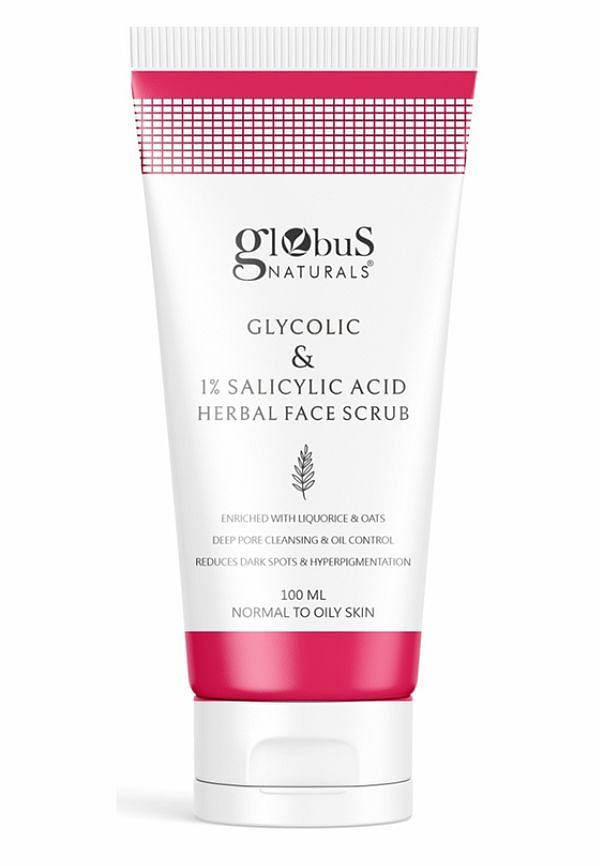
Glycolic & Salicylic Acid Scrub
Rinse thoroughly with lukewarm water—hot water can increase irritation. Pat your skin dry gently with a clean towel, then immediately apply a good moisturiser. Your skin will be more receptive to hydration after exfoliation, so this is the perfect time to lock in moisture.
SPF is absolutely essential the next day and for several days after using glycolic acid. AHAs make your skin more photosensitive, so skipping sun protection could lead to dark spots—the exact opposite of what you're trying to achieve.
The frequency question is where many people go wrong. Your skin type and tolerance level should guide how often to use glycolic acid scrub, not what worked for your mate or what you saw on social media.
If you have **sensitive skin**, start with once weekly applications. Your skin needs time to adjust to this new routine, and rushing the process often leads to irritation that could set you back weeks. Stick to this schedule for at least a month before considering any increases.
**Normal skin types** can typically handle 2-3 times weekly once they've built up tolerance. Start with once weekly for the first month, then gradually increase to twice weekly. If your skin feels comfortable after another month, you might try three times weekly.
Those with **oily or acne-prone skin** might be tempted to use it daily, but resist that urge. Even oily skin can become irritated with overuse. Follow the same gradual approach, but you might find you can tolerate more frequent use once your skin adjusts.
Watch for signs that you need to dial it back: persistent redness, increased sensitivity, or skin that feels tight and uncomfortable. These are your skin's way of saying 'slow down, mate.'
One of the brilliant things about glycolic acid is its versatility. It's not a one-trick pony—this ingredient can tackle multiple skin concerns simultaneously, making it worth obsessing over for anyone dealing with various body skin issues.
Back acne, or 'bacne' as it's commonly known, can be particularly stubborn because it's hard to reach and often gets aggravated by clothing and sweat. Glycolic acid body scrub for acne works by unclogging pores and preventing dead skin cells from building up and causing blockages.
For chest and shoulder breakouts, apply the scrub in gentle upward motions. These areas can be more sensitive than your back, so start with a lower concentration and see how your skin responds. The key is consistency rather than intensity.
Post-inflammatory hyperpigmentation from old acne spots or ingrown hairs can linger for months without proper treatment. Glycolic acid scrub for dark spots works by accelerating cell turnover, helping to fade these marks more quickly than they would naturally.
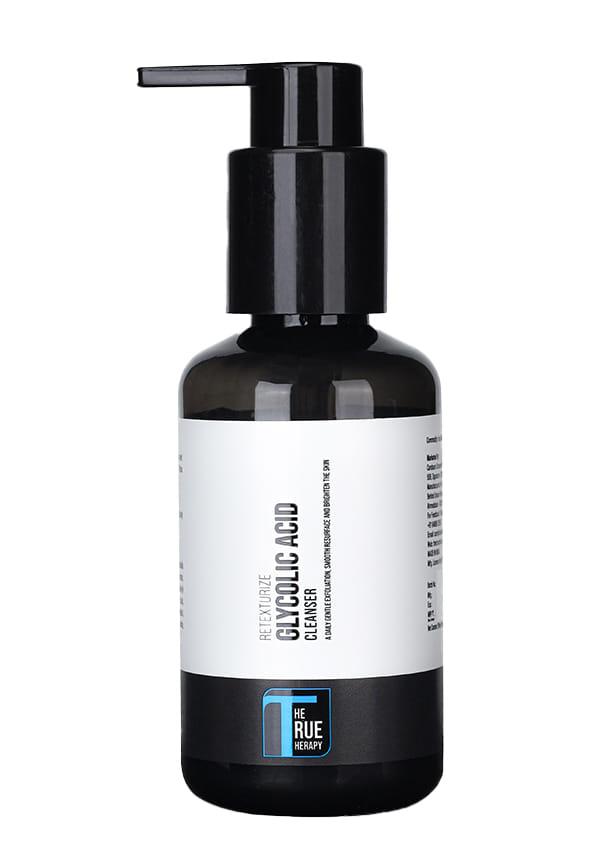
Glycolic Acid Face Cleanser
Focus on areas where you've noticed uneven skin tone—this might be your upper arms, back, or anywhere you've had previous breakouts. Remember, this is a marathon, not a sprint. You'll typically start seeing improvements after 4-6 weeks of consistent use.
Ingrown hairs happen when dead skin cells clog hair follicles, forcing hairs to grow sideways under the skin. Glycolic acid scrub for ingrown hairs works by keeping those follicles clear and allowing hairs to grow normally.
For areas like your bikini line, legs, and underarms, use the scrub 2-3 days after hair removal. This timing helps prevent ingrown hairs from forming while avoiding irritation on freshly shaved or waxed skin.
Let's be real—glycolic acid is powerful stuff, and with great power comes the need for proper precautions. Understanding glycolic acid scrub side effects helps you use it safely and know when something's not quite right.
Common side effects include mild tingling, slight redness, and some initial dryness. These usually subside as your skin builds tolerance. However, severe burning, persistent redness lasting more than a day, or any blistering means you should stop use immediately and possibly consult a dermatologist.
Never use glycolic acid scrub on broken, sunburned, or recently waxed skin. If you're using other active ingredients like retinoids or benzoyl peroxide, introduce glycolic acid slowly to avoid overwhelming your skin. Some medications can increase photosensitivity, so chat with your doctor if you're on any prescription treatments.
Pregnant and breastfeeding women should generally avoid high-concentration glycolic acid products, though lower concentrations are typically considered safe. When in doubt, always consult your healthcare provider.
Not all glycolic acid products are created equal, and finding the best glycolic acid body scrub for your needs requires understanding what to look for. Concentration is key—beginners should start with 5-10% glycolic acid, while experienced users might handle 15-20%.
Look for products that also contain hydrating ingredients like hyaluronic acid, glycerin, or ceramides. These help counteract any drying effects and keep your skin comfortable. Avoid products with harsh physical exfoliants mixed in—you don't need both chemical and physical exfoliation happening simultaneously.
The choice between a traditional scrub and a glycolic acid body wash often comes down to personal preference and skin sensitivity. Body washes tend to be gentler and easier to incorporate into your routine, while scrubs typically offer more targeted treatment for specific areas.
Consider the pH level too—glycolic acid works best at a pH between 3-4. Products with higher pH levels might be gentler but less effective. Many quality brands will list the pH on their packaging or website.
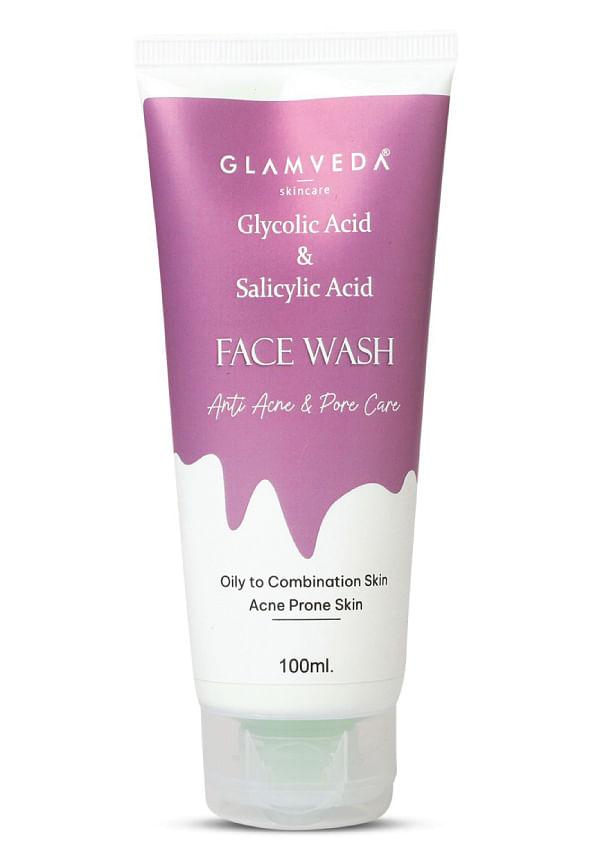
Glycolic Acid & 0.05% ww Salicylic Acid Anti Acne face wash
Using glycolic acid scrub on face isn't typically recommended. Facial skin is much more delicate than body skin, and body formulations are usually too strong for your face. If you want to use glycolic acid on your face, look for products specifically formulated for facial use with lower concentrations and gentler ingredients.
Most people start noticing smoother texture within 2-3 weeks of consistent use. For issues like dark spots or ingrown hairs, you'll typically see improvements after 4-6 weeks. Remember, everyone's skin is different, so your timeline might vary. Available on Smytten, you can trial different formulations to find what works best for your skin.
Yes, but timing matters. Avoid using it on the same day as other exfoliating products or strong actives like retinoids. You can use gentle moisturisers and sunscreen alongside glycolic acid—in fact, these are essential for protecting your newly exfoliated skin.
Glycolic acid is an AHA that works on the surface and is brilliant for texture and dark spots. Salicylic acid is a BHA that penetrates oil and is better for acne-prone skin. Some people benefit from using both, but not at the same time.
Light peeling can be normal, especially when you first start using glycolic acid. However, excessive peeling or irritation suggests you might be using it too frequently or the concentration is too high for your skin. Scale back and let your skin recover.
Mastering how to use glycolic acid body scrub effectively is all about starting slow, being consistent, and listening to your skin. Begin with once-weekly applications, always patch test first, and never skip the moisturiser and SPF. The benefits—from smoother texture to fewer ingrown hairs and faded dark spots—make it worth the initial adjustment period.
Remember that everyone's skin responds differently, so what works for others might need tweaking for you. Pay attention to how your skin feels and looks, and don't be afraid to adjust your routine accordingly. With patience and proper technique, glycolic acid can become your secret weapon for achieving that smooth, glowing skin you've been after.
Finding the right glycolic acid body scrub doesn't have to involve expensive trial and error. Smytten is India's largest product discovery and trial platform, connecting you with top beauty and wellness brands through curated trial packs. With mini-sized products from over 1,500 trusted brands, you can explore different glycolic acid formulations before committing to full-size purchases. Each trial is linked with Trial Points, and you can get up to 8 minis for just ₹249, plus enjoy 100% cashback on trials redeemable for future orders. This try before you buy approach makes discovering your perfect glycolic acid body scrub both affordable and risk-free. With authentic brand-verified minis available on Smytten and PAN-India delivery, you can confidently experiment with different concentrations and formulations to find what works best for your skin. After all, why settle for 'maybe' when you can #TryItAll!
