How to Treat Hyperpigmentation on Legs After Shaving


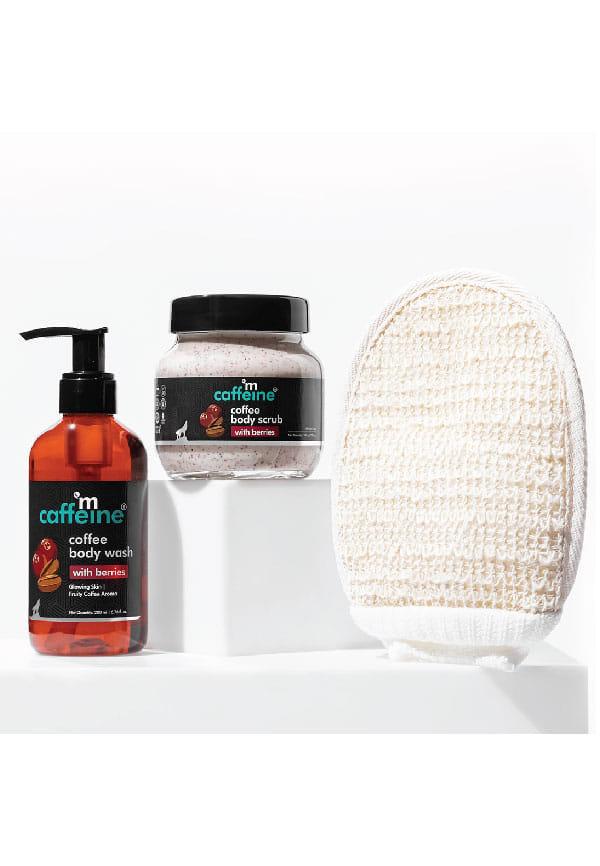
Coffee & Berries Body Exfoliation Routine
Let's be real—nothing's more frustrating than finally getting smooth legs only to notice dark spots and discolouration popping up afterwards. If you've been dealing with hyperpigmentation on legs after shaving, you're definitely not alone. Those stubborn dark patches can feel like they're ruining your confidence, especially when you just want to rock that cute dress or shorts without a second thought.
The good news? Understanding what causes these dark spots after shaving is the first step to getting rid of them for good. From razor bumps to post-inflammatory changes, there are proven solutions that can help you achieve that even skin tone you've been dreaming of. Ready to dive into the causes and discover treatments that actually work?
Think of hyperpigmentation legs as your skin's way of overreacting to irritation. When your skin gets inflamed—whether from shaving, razor bumps, or ingrown hairs—it produces extra melanin as a protective response. This excess melanin shows up as those annoying dark spots that seem to stick around way longer than they should.
Your leg skin is actually quite different from the delicate skin on your face. It's thicker and deals with constant friction from clothing, making it more prone to developing these stubborn patches when irritated.
Post inflammatory hyperpigmentation legs happens when your skin's melanocytes (the cells that produce pigment) go into overdrive after any kind of trauma or inflammation. Even something as routine as shaving can trigger this response, especially if your technique isn't quite right.
Every time you drag a razor across your skin, you're creating tiny micro-tears and causing friction. When this happens repeatedly—like with daily or frequent shaving—your skin starts to see it as an attack. Areas like your inner thighs and knees are particularly vulnerable because the skin there is more sensitive and prone to leg discoloration shaving issues.
Understanding why you're getting these dark spots is crucial for preventing them in the future. Most of the time, it comes down to technique, tools, or aftercare—all things you can totally control once you know what to look for.
The most common culprits are usually hiding in plain sight in your current routine.
Dry shaving is probably the biggest mistake you can make if you're prone to shaving irritation dark spots. Without proper lubrication, your razor is basically scraping against your skin instead of gliding smoothly. Using dull blades makes this even worse—they tug and pull at hair instead of cutting cleanly.
Shaving against the grain might give you a closer shave, but it also increases your risk of irritation and ingrown hairs dark spots. Too much pressure is another common mistake that can lead to unnecessary trauma.
Razor bumps hyperpigmentation is a real thing, and it happens when hair gets trapped under the skin after shaving. This creates inflammation, which then triggers that excess melanin production we talked about. If you have sensitive skin or coarse hair, you're more likely to experience this.
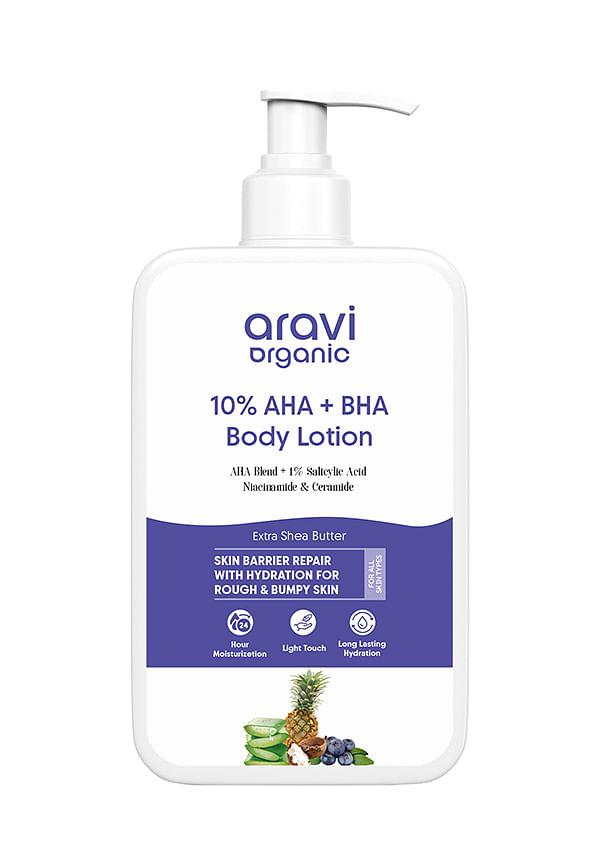
10% AHA + 1% BHA Body Lotion For Exfoliation - Treats Strawberry Legs & Bumpy Skin With Ceramide
Sun exposure can make existing pigmentation worse, whilst tight clothing creates friction that can irritate freshly shaved skin. Poor post-shave care—like skipping moisturiser or using harsh products—can also contribute to the problem.
Not all dark spots are created equal, and knowing what you're dealing with helps you choose the right treatment approach. Some discolouration fades on its own, whilst others need more targeted intervention.
Learning to spot the difference can save you time and frustration in your treatment journey.
Razor bumps are raised, inflamed bumps that appear shortly after shaving. Hyperpigmentation shows up as flat, dark patches that develop over time. Strawberry skin looks like tiny dark dots in your pores and is usually more about clogged follicles than true pigmentation.
People with darker skin tones are more prone to developing hyperpigmentation because their skin naturally produces more melanin. Hormonal changes, genetics, and even certain medications can also increase your risk of developing dark spots after shaving.
The good news is that leg skin discoloration treatment options are more accessible than ever. From gentle home remedies to professional treatments, there's something that can work for every skin type and budget.
The key is consistency and patience—most treatments take several weeks to show noticeable results.
Hydroquinone is considered the gold standard for treating hyperpigmentation, but it should be used carefully and preferably under professional guidance. Vitamin C serums are gentler and work by inhibiting melanin production whilst brightening existing dark spots.
Retinoids help speed up skin cell turnover, bringing fresh, unpigmented skin to the surface faster. Alpha hydroxy acids like glycolic acid provide gentle exfoliation that can help fade dark spots over time.
Aloe vera gel is brilliant for soothing irritated skin and has mild brightening properties. Coconut oil helps repair your skin barrier, whilst vitamin E oil can help reduce the appearance of dark spots and prevent new ones from forming.
Shea butter is excellent for keeping skin moisturised and protected, which is crucial for preventing further irritation that could lead to more pigmentation.
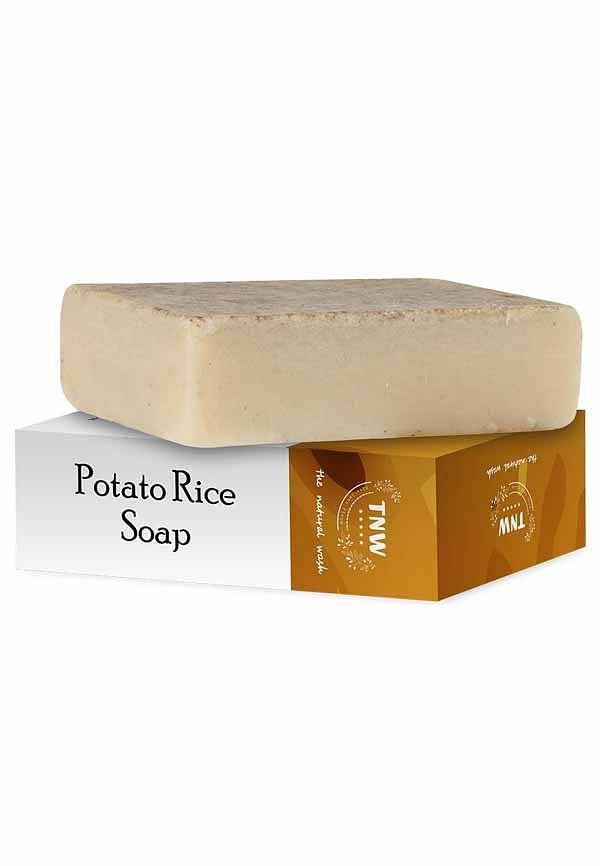
Handmade Potato Rice Soap For Tanning And Pigmentation For Oily Skin
Chemical peels can be effective for deeper pigmentation issues, whilst laser therapy offers more dramatic results for stubborn cases. Microdermabrasion provides gentle exfoliation that can help with surface-level discolouration.
Prevention is honestly your best bet when it comes to dealing with hyperpigmentation on legs after shaving. Once you've got your technique and routine sorted, you'll likely notice fewer dark spots developing in the first place.
Small changes to your current routine can make a massive difference in preventing future issues.
Always start with clean, damp skin and a sharp razor. Use a quality shaving cream or gel—never soap, which can be too drying. Shave in the direction of hair growth, not against it, and use light, gentle strokes.
Exfoliate gently 24-48 hours before shaving to prevent ingrown hairs, but never right before as this can increase sensitivity.
Rinse with cool water immediately after shaving to close pores and reduce inflammation. Apply a gentle, fragrance-free moisturiser whilst your skin is still damp to lock in hydration.
Sun protection is crucial—UV exposure can make existing pigmentation worse and slow down the healing process. Avoid tight clothing for at least a few hours after shaving to prevent friction.
If you're constantly battling prevent hyperpigmentation shaving issues, it might be worth exploring other options. Laser hair removal can reduce the need for frequent shaving, whilst waxing, though initially more irritating, can lead to less frequent hair removal sessions.
Creating a consistent routine is key to achieving that even skin tone legs goal. Your legs deserve the same attention you give your face, especially if you're dealing with persistent dark spots.
The best routine is one you'll actually stick to, so start simple and build up gradually.
Morning routine should include gentle cleansing, a brightening serum if you're using one, moisturiser, and SPF if your legs will be exposed. Evening is the perfect time for treatment products like retinoids or AHA exfoliants.
Gentle exfoliation 2-3 times per week can help prevent ingrown hairs and speed up the turnover of pigmented skin cells.
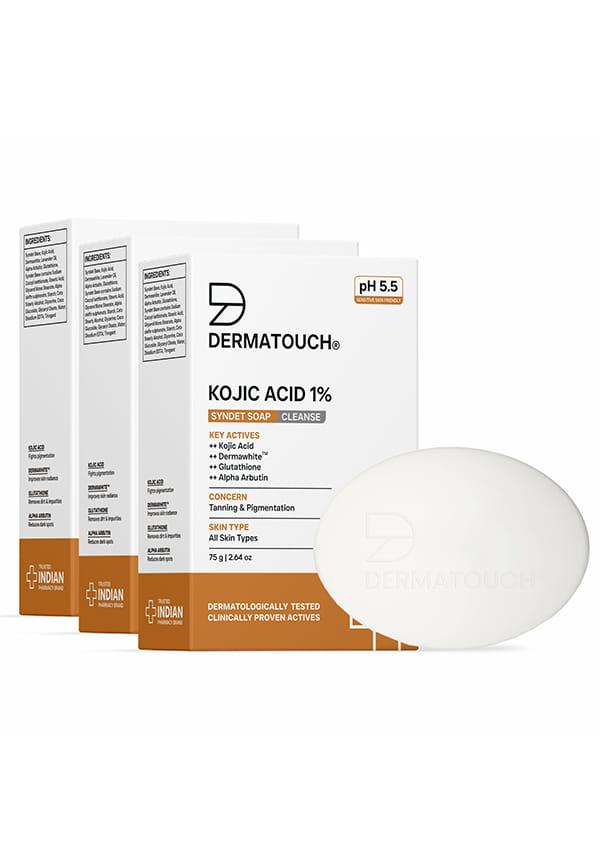
Kojic Acid 1% Soap with Glutathione ,For Pigmentation & Sun damage
Look for products with proven brightening ingredients like vitamin C, niacinamide, or kojic acid. Avoid anything with harsh fragrances or alcohol, which can cause further irritation.
Always patch test new products on a small area first, especially if you have sensitive skin. When it comes to trying new skincare products, platforms like Smytten make it easier to test different formulations without committing to full sizes—you can explore trial packs from trusted brands to find what works best for your skin.
Most topical treatments take 6-12 weeks to show noticeable results, so patience is key. Consistency matters more than using the most expensive products—a simple routine followed religiously will beat an elaborate one you only do occasionally.
Yes, shaving can definitely cause hyperpigmentation, especially if you're using improper technique, dull blades, or not following up with proper aftercare. The friction and micro-trauma from shaving can trigger your skin to produce excess melanin, leading to dark spots.
Mild hyperpigmentation can fade naturally in 6-12 weeks, but deeper or more established dark spots might take several months to improve. Using targeted treatments can speed up this process significantly.
Whilst you can't guarantee you'll never get any irritation, proper shaving technique, good aftercare, and using the right products can dramatically reduce your risk of developing new dark spots.
Avoid harsh scrubs, alcohol-based products, and anything with strong fragrances that might irritate your skin further. Be cautious with new active ingredients and always introduce them gradually.
If your dark spots are getting worse despite proper care, if they're accompanied by other symptoms like itching or pain, or if over-the-counter treatments haven't helped after 3-4 months of consistent use.
Dealing with hyperpigmentation on legs after shaving can feel frustrating, but remember that it's completely treatable with the right approach. The key is understanding what's causing your specific issues and being consistent with your prevention and treatment routine.
Whether you're trying gentle home remedies or exploring professional treatments, patience is your best friend here. Most solutions take time to work, but the results are definitely worth the wait. And remember, finding the right products for your skin doesn't have to break the bank—with options to try before you buy, you can discover what works without the guesswork.
Your journey to smooth, even-toned legs is totally achievable. Start with proper shaving technique, invest in good aftercare, and don't be afraid to experiment with different treatments until you find your perfect routine. After all, why settle for 'maybe' when you can find products that actually work for your skin?
