How to Treat Dark Crotch in Men: Remedies for Inner Thighs


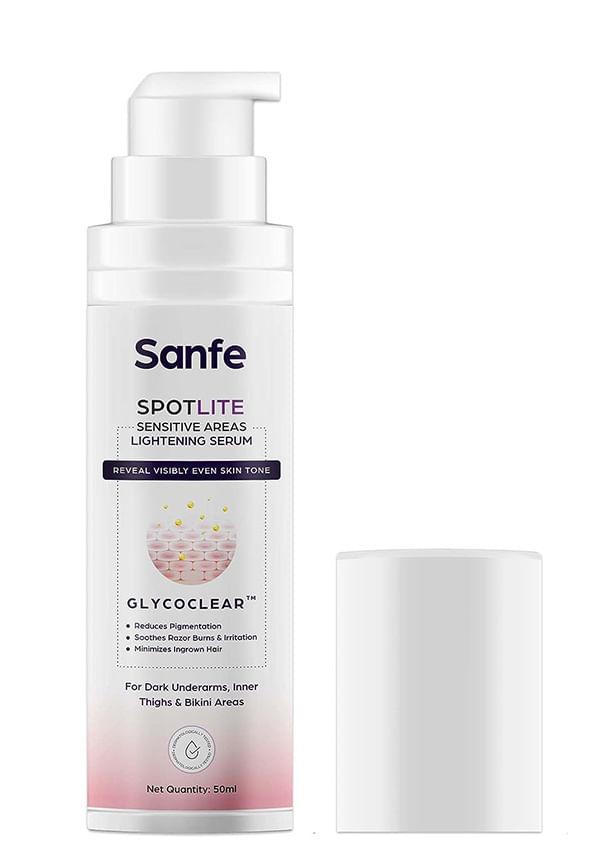
Dark Spot Sensitive Body Serum For Dark Underarms, Inner Thighs and Sensitive Areas
Gentle with Good Smell
 5
5“gentle on skin doesn't irritate the skin and good smell”
Gentle with Good Smell
5“gentle on skin doesn't irritate the skin and good smell”
Best Results in First Use
4“best results in first use ......”
Dark skin around the crotch and inner thighs is more common than you might think, especially among men. This condition, medically known as hyperpigmentation groin, affects millions of guys worldwide and can be caused by everything from friction to hormonal changes. While it's completely normal and rarely a serious health concern, we get that it can knock your confidence. The good news? There are plenty of proven ways to treat dark crotch areas and lighten inner thighs safely. Whether you're dealing with mild darkening or more noticeable hyperpigmentation, understanding the causes and exploring both medical treatments and natural remedies can help you find the right solution. From prescription creams to home remedies you probably already have in your kitchen, we'll walk you through everything you need to know about addressing this common skin concern. Plus, with platforms like Smytten offering trial-sized skincare products, you can test different treatments without committing to full-size purchases right away.
TL;DR
Dark crotch and inner thigh hyperpigmentation in men is usually caused by friction, hormonal changes, or underlying conditions like jock itch
Medical treatments include prescription creams with hydroquinone or tretinoin, while natural remedies like aloe vera and coconut oil can provide gentle relief
Prevention focuses on wearing breathable fabrics, maintaining proper hygiene, and managing weight to reduce chafing inner thighs
Most cases improve with consistent treatment over 2-3 months, but severe hyperpigmentation may require dermatologist intervention
Combining medical treatments with lifestyle changes gives the best results for skin lightening groin areas
Let's start with the basics. Dark skin in the groin area, medically called acanthosis nigricans or post-inflammatory hyperpigmentation, happens when your skin produces extra melanin in response to irritation or other triggers. This isn't just a cosmetic issue—it's your skin's way of protecting itself from ongoing friction, infection, or inflammation.
The condition typically affects the inner thighs, groin creases, and sometimes extends to the buttocks area. While it's more noticeable on lighter skin tones, it can affect men of all ethnicities. The key thing to remember is that this darkening is usually reversible with the right approach and patience.
Most cases of groin hyperpigmentation can be managed at home, but you should consider professional help if the darkening appears suddenly, spreads rapidly, or comes with other symptoms like itching, pain, or unusual odour. These could signal underlying conditions that need medical attention.
Understanding what's causing your dark crotch is crucial for choosing the right treatment. Here are the most common culprits behind this frustrating skin concern.
This is probably the biggest offender. Tight clothing, excess weight, or activities that involve repetitive leg movement can cause constant rubbing between your thighs. Over time, this friction triggers your skin to darken as a protective response. If you've noticed the darkening gets worse after long walks, gym sessions, or wearing certain clothes, friction is likely your main issue.
Fungal infections thrive in warm, moist environments—making your groin area prime real estate. Jock itch treatment often resolves the infection, but the inflammation can leave behind darker patches. If you've had recurring fungal infections, this could explain persistent hyperpigmentation groin issues.
Insulin resistance, diabetes, and hormonal imbalances can trigger acanthosis nigricans. If you're dealing with weight gain, fatigue, or other health changes alongside the darkening, it's worth getting checked for underlying conditions.
Prolonged sitting, especially on hard surfaces or in synthetic fabrics, can cause similar darkening on your buttocks. Office workers and drivers often notice this pattern. Poor air circulation and moisture buildup make the problem worse.
When home remedies aren't cutting it, medical treatments can provide faster, more dramatic results. Here's what dermatologists typically recommend for treating dark crotch areas.
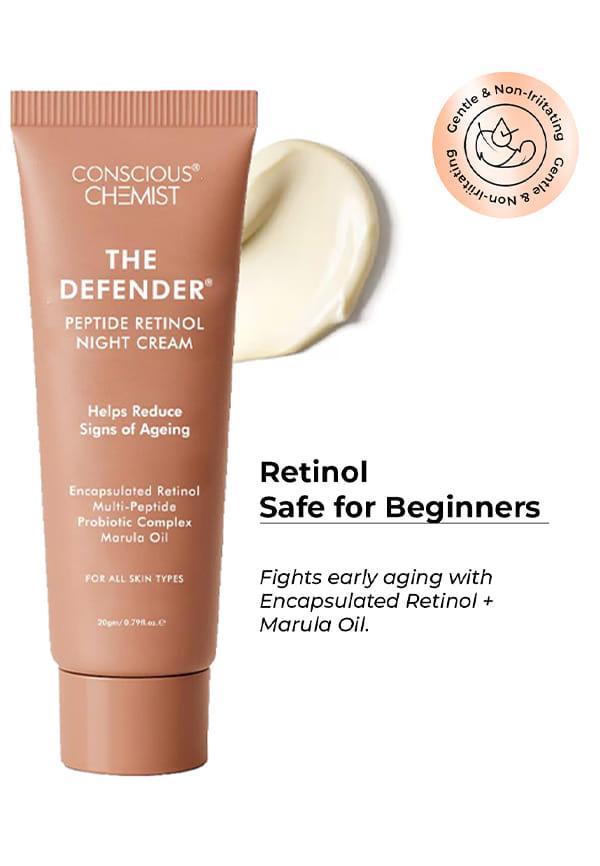
Multi Peptide Retinol Anti Aging Night Cream For Fine Lines & Sagging Skin
Good Product
5“it is really a very good product”
Good Product
5“it is really a very good product”
Good Product
5“it is really a very good product”
Hydroquinone is considered the gold standard for skin lightening groin areas. Usually prescribed in 2-4% concentrations, it works by inhibiting melanin production. Tretinoin, a vitamin A derivative, helps speed up cell turnover and can be combined with hydroquinone for better results. Mild corticosteroids might be prescribed short-term to reduce inflammation, especially if there's an underlying rash or irritation.
For severe cases, dermatologists might recommend chemical peels or laser therapy. These treatments work by removing the top layers of darkened skin and stimulating new, lighter skin growth. However, these procedures require careful consideration for sensitive groin areas and aren't suitable for everyone.
Prescription treatments typically cost between ₹500-₹2,000 per month, depending on the specific medications. Most people see improvement within 6-12 weeks of consistent use, with maximum results appearing after 3-6 months.
If you prefer starting with gentler approaches, several natural remedies for dark inner thighs have shown promising results. While they work slower than medical treatments, they're generally safer for sensitive skin groin care.
Mix equal parts coconut oil and fresh lemon juice for a natural lightening treatment. The vitamin C in lemon helps inhibit melanin production, while coconut oil moisturises and has anti-inflammatory properties. Apply this mixture twice daily after cleansing, but always do a patch test first—lemon can be irritating for some people.
Pure aloe vera gel is excellent for sensitive skin groin care. It soothes inflammation, promotes healing, and has mild lightening properties. Apply fresh aloe gel twice daily and leave it on for 20-30 minutes before rinsing. This is one of the safest options for the delicate groin area.
Oatmeal scrubs can help remove dead skin cells and promote new cell growth. Mix ground oats with honey and a bit of milk to create a gentle scrub. Use this 2-3 times weekly, but be careful not to over-exfoliate, as this can worsen hyperpigmentation.
Turmeric paste (mixed with milk or yoghurt) has anti-inflammatory and mild lightening properties. Baking soda mixed with water creates an alkaline paste that some people find helpful, though it can be drying. Potato slices contain vitamin C and mild acids that may help with gradual lightening.
Consistency is key when treating groin hyperpigmentation. Here's how to structure your daily routine for the best results.
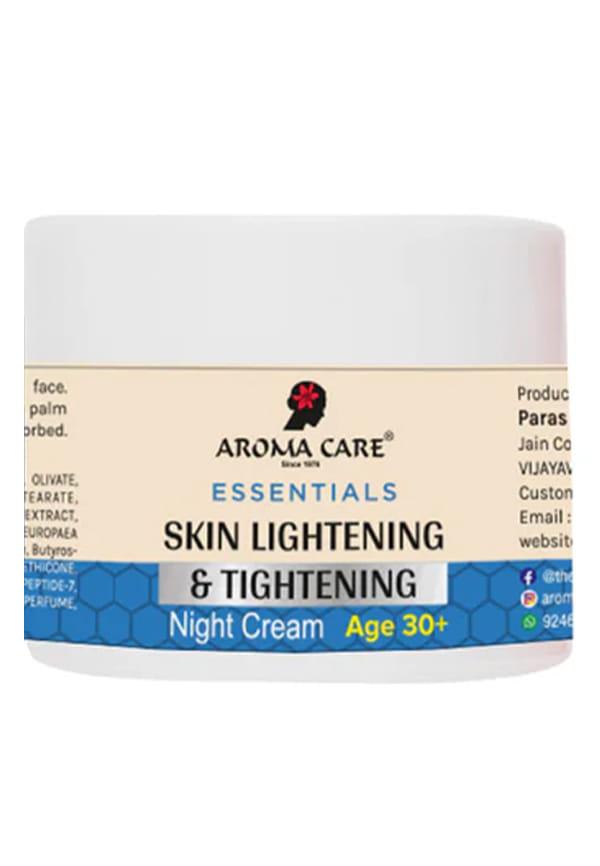
Skin Lightening&Tightening Night Cream
Start with gentle cleansing using a mild, fragrance-free soap or cleanser. Pat the area dry completely—moisture trapped in skin folds can worsen darkening. Apply your chosen treatment (whether prescription or natural) and follow with a light, non-comedogenic moisturiser. If you're using lemon-based treatments, avoid sun exposure as it can cause photosensitivity.
Cleanse again after your day, especially if you've been active or sweating. This is the best time for stronger treatments like retinoids or hydroquinone. Always moisturise after treatment to prevent dryness and irritation.
Gentle exfoliation 2-3 times per week helps remove dead skin cells and allows treatments to penetrate better. Use either a mild scrub or a soft washcloth with circular motions. Don't overdo it—aggressive scrubbing can actually make hyperpigmentation worse.
While some people search for how to lighten dark inner thighs in a week, the reality is that significant improvement takes time. Natural remedies typically show results after 4-8 weeks of consistent use, while medical treatments may work faster but still require 6-12 weeks for noticeable changes.
Prevention is always better than treatment. Here's how to stop dark crotch issues from developing or worsening.
Invest in breathable, moisture-wicking fabrics like cotton or bamboo for your underwear and workout clothes. Avoid tight-fitting garments that can cause chafing inner thighs. Loose-fitting boxers are generally better than briefs for preventing friction and allowing air circulation.
Use anti-chafing balms or powders, especially during exercise or hot weather. Products containing zinc oxide or cornstarch can help reduce friction and absorb excess moisture. Apply these to clean, dry skin before getting dressed.
Maintaining a healthy weight reduces skin-on-skin friction and can help with insulin resistance-related darkening. If you have diabetes or prediabetes, managing your blood sugar levels is crucial for preventing further hyperpigmentation.
Shower daily, especially after sweating, and make sure to dry the groin area thoroughly. Change out of wet or sweaty clothes promptly. Use antifungal powders if you're prone to fungal infections, but avoid products with heavy fragrances that might irritate sensitive skin.
While most cases of dark crotch can be managed at home, certain situations require professional medical attention. Understanding when to escalate your care can save you time and prevent complications.
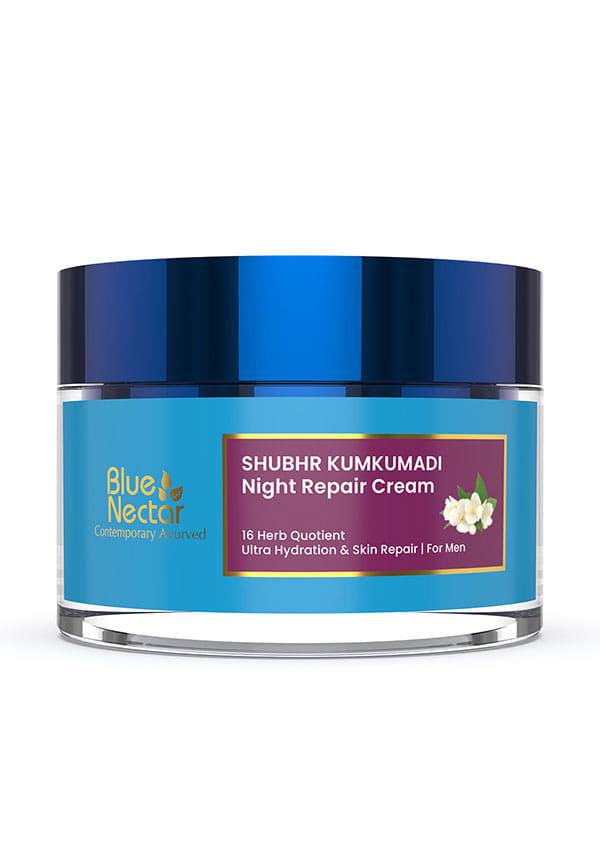
Jasmine & Pachouli Nourishing Night Repair Cream Men, 16 Herbs
See a dermatologist if the darkening appears suddenly, spreads rapidly beyond the typical areas, or is accompanied by symptoms like severe itching, pain, bleeding, or foul odour. These could indicate underlying infections, allergic reactions, or other medical conditions that need professional groin rash treatment.
Dermatologists often recommend combining treatments for faster results. This might include prescription creams plus lifestyle changes, or medical treatments alongside specific skincare routines. Professional guidance ensures you're using compatible products safely.
Most dermatologists schedule follow-up appointments every 6-8 weeks to monitor progress and adjust treatments. This is especially important if you're using prescription medications, as some require careful monitoring for side effects.
Start with gentle daily cleansing, moisturising, and addressing underlying causes like friction or fungal infections. Combine this with either natural remedies like aloe vera or medical treatments like hydroquinone cream. Consistency is key—most people see improvement after 6-12 weeks of regular treatment. Available treatments on Smytten include gentle cleansers and moisturisers specifically formulated for sensitive skin areas.
Permanent results require addressing root causes and maintaining good prevention habits. This means wearing breathable clothing, maintaining proper hygiene, managing weight, and treating any underlying health conditions. Even after successful lightening, you'll need to continue preventive measures to avoid recurrence.
Common causes include friction from tight clothing or excess weight, hormonal changes, insulin resistance, fungal infections like jock itch, and genetic predisposition. Poor hygiene and prolonged moisture exposure can also contribute. The darkening is your skin's protective response to irritation or inflammation.
Significant lightening in just one week isn't realistic or safe. While you might notice some improvement in skin texture and reduced irritation within a week of starting treatment, visible lightening typically takes 4-8 weeks with natural remedies and 6-12 weeks with medical treatments.
Jock itch is an active fungal infection that causes itching, burning, and sometimes a red, scaly rash. Hyperpigmentation is the darkening that can remain after the infection clears. Jock itch requires antifungal treatment, while hyperpigmentation needs lightening treatments. Sometimes both conditions exist simultaneously.
Treating dark crotch and inner thigh hyperpigmentation requires patience, consistency, and the right approach for your specific situation. Whether you choose natural remedies like aloe vera and coconut oil or opt for medical treatments like hydroquinone creams, the key is sticking with your routine for at least 6-12 weeks to see meaningful results.
Remember that prevention is just as important as treatment. Wearing breathable fabrics, maintaining proper hygiene, and addressing underlying health conditions can prevent future darkening. If home treatments aren't working after 2-3 months, or if you notice concerning symptoms, don't hesitate to consult a dermatologist for professional guidance.
Finding the right treatment for dark crotch and groin hyperpigmentation often involves trying different approaches to see what works best for your skin. This is where Smytten's trial-sized products become incredibly valuable—you can test various gentle cleansers, moisturisers, and skincare treatments without investing in full-size products upfront. With over 1,500 trusted brands available, including specialised sensitive skin care options, you can explore different solutions safely and affordably. The platform's 100% cashback on trial minis means you can experiment with multiple products to find your perfect routine, then purchase full sizes of the ones that work. After all, when it comes to treating sensitive skin concerns, why settle for guessing when you can try before you buy and find exactly what your skin needs?
