How to Tackle Under Eye Dark Circles and Hyperpigmentation
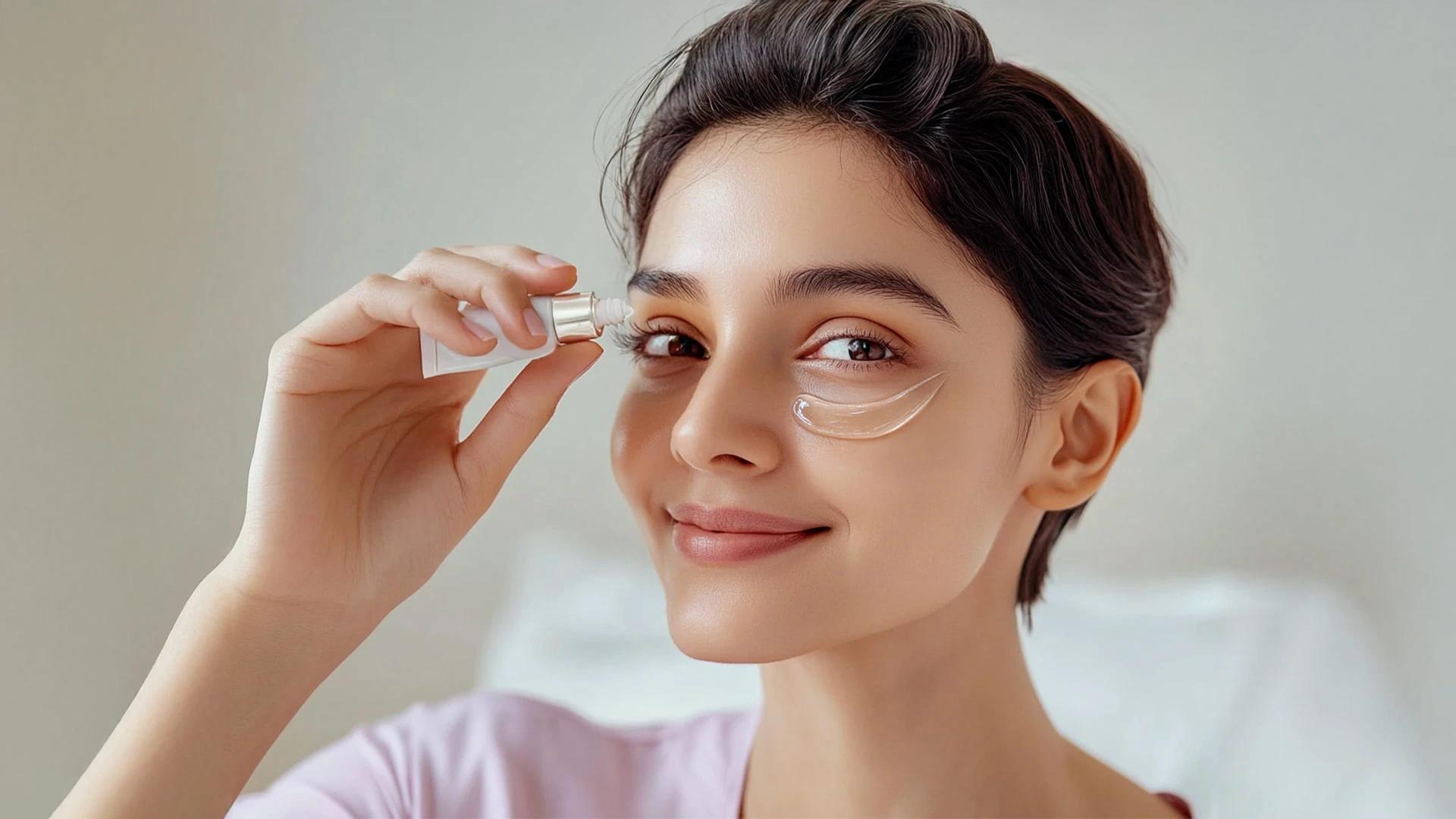

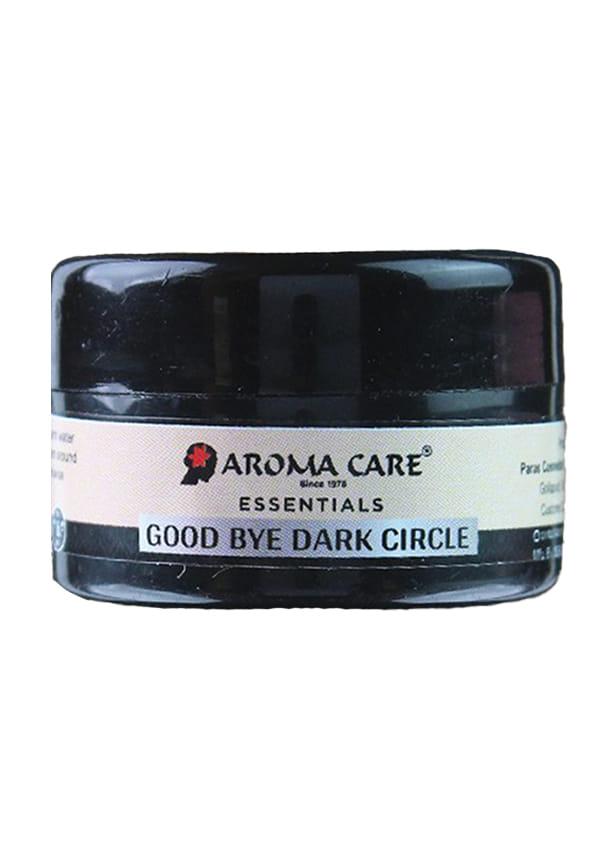
Good Bye Dark Circle
Let's be real—those stubborn shadows under your eyes can feel like they've moved in permanently. Whether you're dealing with dark circles that make you look tired 24/7 or hyperpigmentation that seems to get darker by the day, you're not alone in this struggle. The thing is, not all under-eye darkness is created equal, and knowing what you're actually dealing with makes all the difference in finding the right fix. From understanding the root causes to discovering treatments that actually work, we're breaking down everything you need to know about tackling under eye dark circles and hyperpigmentation once and for all.
Here's where things get interesting—what you think are just "dark circles" might actually be hyperpigmentation, and vice versa. These two conditions look similar but have completely different causes and treatments, which explains why that expensive eye cream might not be working for you.
Hyperpigmentation around eyes happens when your skin produces too much melanin in the delicate under-eye area. Think of it as your skin's overenthusiastic response to inflammation, sun damage, or genetics. This type of discolouration tends to appear as brown or greyish patches and is more common if you have a deeper skin tone. Unlike regular dark circles, hyperpigmentation doesn't change much based on how tired you are or whether you've had your morning coffee.
The easiest way to tell them apart? Look at the colour. Dark circles usually show up as blue, purple, or reddish shadows, especially when you're tired or dehydrated. They're often caused by blood vessels showing through thin under-eye skin or fluid retention. Hyperpigmentation, on the other hand, appears as consistent brown or black discolouration that doesn't fluctuate with your sleep schedule. If gently stretching the skin makes the darkness less visible, you're likely dealing with dark circles. If it stays put, that's probably hyperpigmentation.
Understanding what's behind your under eye dark circles is like solving a puzzle—there are usually multiple pieces involved. From your DNA to your daily habits, several factors can contribute to those pesky shadows.
If your mum or dad has dark circles, chances are you've inherited more than just their eyes. Genetics play a huge role in determining your skin thickness, bone structure, and natural pigmentation patterns around the eyes. Some people are simply born with thinner skin under their eyes, making blood vessels more visible, whilst others have a genetic predisposition to produce more melanin in this area.
Your daily routine has more impact on your under-eye area than you might think. Poor sleep quality doesn't just make you feel rubbish—it causes blood vessels to dilate, creating that telltale shadowy appearance. Dehydration makes the skin appear more sunken, emphasising any existing darkness. Then there's sun exposure, which can trigger hyperpigmentation around eyes, and don't get us started on how staring at screens all day can strain your eyes and worsen the appearance of dark circles.
Sometimes, dark circles are your body's way of telling you something's up internally. Iron deficiency anaemia is a common culprit—when your body doesn't have enough iron, it can't produce healthy red blood cells, leading to that tired, dark-eyed look. Vitamin K deficiency can affect blood clotting and circulation, whilst thyroid issues can cause fluid retention and puffiness that makes dark circles more noticeable.
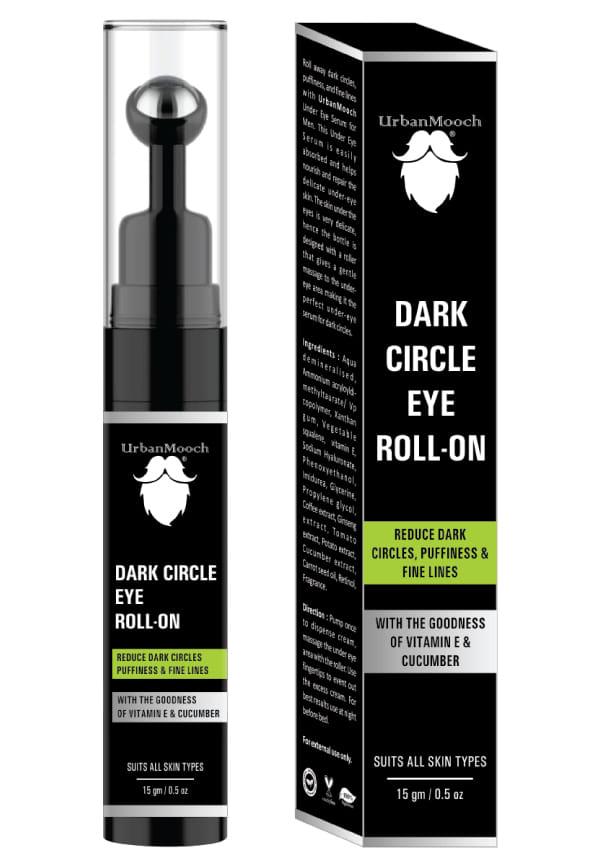
Under Eye Roll On for Dark Circles
What you eat can absolutely affect how your under-eye area looks. High-sodium foods cause water retention, leading to puffiness that can cast shadows. Too much caffeine can dehydrate you, whilst alcohol disrupts your sleep and dehydrates your skin. Food allergies and sensitivities can also cause inflammation that shows up as darkness or puffiness around the eyes.
When home remedies aren't cutting it, professional treatments can offer more dramatic results. The key is choosing the right treatment for your specific type of under-eye concern.
Chemical peels designed for the delicate eye area can help with hyperpigmentation by removing damaged skin layers and promoting cell turnover. Laser therapy targets both pigmentation and stimulates collagen production, whilst dermal fillers can add volume to hollow under-eye areas that create shadows. For circulation issues, carboxytherapy involves tiny injections of carbon dioxide to improve blood flow and reduce the appearance of dark circles.
Dermatologists might prescribe hydroquinone for stubborn hyperpigmentation, though it requires careful monitoring. Tretinoin can speed up skin cell turnover and improve the overall texture and tone of the under-eye area. Kojic acid and professional-grade vitamin C serums offer gentler alternatives for brightening and evening out skin tone.
The good news? You don't always need expensive procedures to see real improvement. Consistent home care can make a significant difference, especially when you address the underlying causes.
Cold compresses work by constricting blood vessels and reducing puffiness—try chilled spoons, ice cubes wrapped in a soft cloth, or even frozen peas for a quick fix. Cucumber slices aren't just for spa photos; they contain antioxidants and have a cooling effect that can temporarily reduce puffiness. Green tea bags are brilliant because caffeine helps constrict blood vessels whilst antioxidants fight inflammation. Gently massaging a few drops of almond oil under your eyes before bed can improve circulation and provide moisture.
Sleep hygiene is non-negotiable—aim for 7-9 hours of quality sleep and try sleeping with your head slightly elevated to prevent fluid accumulation. Hydration is equally important; drinking at least 8 glasses of water daily keeps your skin plump and healthy. Managing stress through meditation, exercise, or whatever works for you can prevent the hormonal fluctuations that worsen dark circles. And always, always wear sunglasses and SPF to protect the delicate eye area from UV damage.
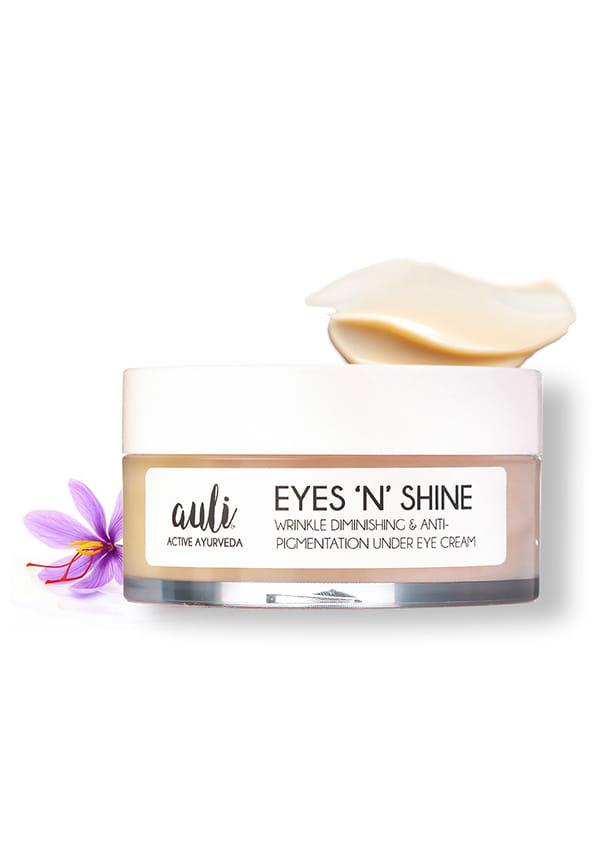
Auli Eyes and Shine Under-Eye Cream for Dark Circles, Puffiness, Wrinkles, Fine Lines - 30 gm
Include iron-rich foods like spinach, lentils, and lean meats to combat deficiency-related dark circles. Vitamin K sources such as leafy greens and broccoli support healthy circulation. Anti-inflammatory foods like berries, fatty fish, and turmeric can help reduce overall inflammation that contributes to under-eye darkness.
Not all eye creams are created equal, and choosing the right one depends on what's causing your dark circles in the first place. Here's what to look for and how to use it properly.
Vitamin C is your best friend for brightening and fighting hyperpigmentation around eyes. Look for stable forms like magnesium ascorbyl phosphate or sodium ascorbyl phosphate. Retinol can help with skin renewal, but start slowly as the eye area is sensitive. Caffeine improves circulation and can temporarily tighten the skin. Hyaluronic acid provides essential hydration without heaviness, whilst peptides support collagen production for firmer, more resilient skin.
Use your ring finger to gently pat product around the orbital bone—never rub or pull the delicate skin. Apply eye cream to clean skin, ideally twice daily, and always follow with SPF during the day. If you're using multiple products, apply thinnest to thickest consistency. Remember, results take time—give any new product at least 6-8 weeks before deciding if it's working.
Sometimes you need an instant fix whilst working on long-term solutions. The right makeup techniques can completely transform your under-eye area when done properly.
Understanding colour theory is game-changing here. For blue or purple dark circles, use a peach or orange corrector to neutralise the cool tones. If you have fair skin with pink undertones, try a lavender corrector. Yellow correctors work brilliantly for purple circles, whilst pink correctors can brighten sallow under-eye areas.
Choose a concealer one shade lighter than your skin tone, but not so light that it looks obvious. Apply colour corrector first, then concealer in an inverted triangle shape under the eye. Blend the edges carefully and set with a light dusting of translucent powder. For puffy eyes treatment through makeup, use a slightly darker shade in the hollow of the eye socket to create the illusion of depth.
The best treatment for dark circles is preventing them from getting worse in the first place. Building good habits now can save you time, money, and frustration later.
Gentle cleansing is crucial—use a mild, fragrance-free cleanser and avoid harsh rubbing. Follow with a hydrating eye cream morning and night, and never skip SPF during the day. The skin around your eyes is thinner and more delicate than the rest of your face, so it needs extra TLC.
If your dark circles persist after three months of consistent home care, or if they suddenly worsen without explanation, it's time to see a dermatologist. Any associated symptoms like pain, vision changes, or severe puffiness warrant professional evaluation to rule out underlying medical conditions.
Finding the right products for your specific needs doesn't have to involve expensive guesswork. Smytten, India's largest product discovery platform, connects you with over 1,500 trusted beauty and skincare brands through curated trial packs. With options from brands like Cetaphil and Dot & Key, you can explore different eye creams and treatments before committing to full-size purchases. Get up to 8 minis for just ₹249, plus enjoy 100% cashback redeemable for future orders—making it easier to find your perfect eye care routine without the financial risk.
Hyperpigmentation-related dark circles require targeted treatments including vitamin C serums, gentle chemical exfoliation, and consistent sun protection. Professional treatments like chemical peels or laser therapy show the best results for severe cases, but consistent home care with brightening ingredients can also make a significant difference.
Iron deficiency anaemia is the most common nutritional cause of dark circles, as it affects your body's ability to produce healthy red blood cells. Vitamin K deficiency can also contribute by affecting circulation, whilst B12 and vitamin D deficiencies may worsen the overall appearance of tired-looking eyes.
Whilst genetics play a significant role, lifestyle changes can dramatically improve the appearance of dark circles. Consistent sleep, proper hydration, stress management, and sun protection can prevent worsening and often lead to noticeable improvement within 4-8 weeks.
Results vary depending on the treatment method. Topical treatments typically show improvement in 4-8 weeks with consistent use, whilst professional procedures may show results within 2-4 weeks. For permanent results, ongoing maintenance and addressing underlying causes is essential.
Natural remedies like cold compresses, cucumber slices, and green tea bags can provide temporary relief from puffiness by reducing inflammation and constricting blood vessels. However, for long-term results, addressing underlying causes like allergies, sleep quality, or dietary factors is more effective.
Tackling under eye dark circles and hyperpigmentation isn't about finding one miracle cure—it's about understanding what you're dealing with and taking a comprehensive approach. Whether your darkness comes from genetics, lifestyle factors, or underlying health issues, there are effective solutions available. The key is being patient with the process, consistent with your routine, and realistic about timelines. Remember, even small changes in your sleep, diet, and skincare routine can make a noticeable difference. And when you're ready to explore new products, platforms like Smytten make it possible to try different treatments without the commitment, helping you build the perfect routine for your unique needs. Your under-eye area might be delicate, but with the right approach, those stubborn shadows don't have to be permanent.
