How to Soothe Hair Removal Irritation for Smooth Skin


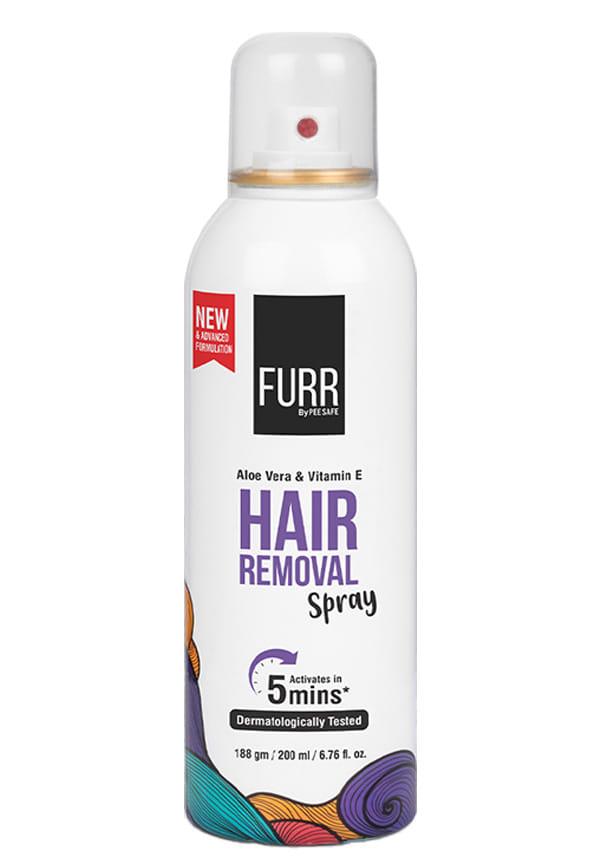
Hair Removal Spray with Vitamin E & Aloe Vera Extract
Loved, easy to use, soft skin
 5
5“i really love it,my experience are great. Easy to use and my skin feels so soft after using it”
Hassle-Free & Skin-Friendly Hair Removal
5“Pee safe furr hair removal cream spray is so good as it's hassel free and also good for skin”
Product Works Well
5“works great on every part of ur body”
Hair removal might promise silky smooth skin, but the aftermath can sometimes feel like a battlefield. Whether you're dealing with angry red bumps after shaving, tender skin from waxing, or that burning sensation from hair removal cream gone wrong, you're definitely not alone in this struggle. The good news? Learning how to soothe hair removal irritation doesn't require a degree in dermatology—just the right knowledge and a few tried-and-tested remedies. From immediate relief techniques to long-term prevention strategies, we'll walk you through everything you need to know about calming your skin after any hair removal method. Plus, with platforms like Smytten offering trial-sized skincare products, you can test different soothing treatments without committing to full-size purchases, making it easier to find what works best for your skin type.
TL;DR
Hair removal irritation happens due to trauma to hair follicles and surrounding skin, causing inflammation and sensitivity
Immediate relief involves cold compresses, aloe vera application, and avoiding harsh products for 24-48 hours
Home remedies like oatmeal baths, honey masks, and cucumber slices can effectively calm irritated skin
Different hair removal methods require specific aftercare—post-waxing care differs from razor burn relief
Prevention through proper technique, skin preparation, and quality products reduces future irritation risks
Let's be real—hair removal is essentially controlled trauma to your skin. Whether you're shaving, waxing, or using depilatory creams, you're disrupting the natural state of your hair follicles and the surrounding skin tissue. This disruption triggers your body's inflammatory response, leading to redness, swelling, and that familiar burning sensation.
Sensitive skin after shaving occurs when razor blades create micro-cuts on the skin surface while removing hair. These tiny wounds, combined with the friction from the razor, can leave your skin feeling raw and irritated. The situation becomes worse if you're using a dull blade or shaving against the grain without proper lubrication.
Redness after hair removal from waxing happens because you're literally pulling hair out from the root, which can damage the follicle and surrounding tissue. Your skin responds by increasing blood flow to the area, causing that telltale red, inflamed appearance. Chemical depilatories work by breaking down the protein structure of hair, but they can also affect the skin's surface if left on too long or if you have particularly sensitive skin.
When irritation strikes, your first 24 hours of care can make all the difference between quick healing and prolonged discomfort. The key is acting fast with gentle, cooling treatments that reduce inflammation without further aggravating your already sensitive skin.
If you're dealing with chemical burns from hair removal cream or severe allergic reactions, rinse the affected area with cool water for at least 60 seconds. Don't scrub or rub—just let the water flow over the skin to remove any remaining product. Pat the area dry with a clean, soft towel and apply a thin layer of petroleum jelly or zinc oxide to create a protective barrier.
For standard razor burn relief or post-waxing irritation, start with a cold compress. Wrap ice cubes in a clean cloth or use a cold, damp towel and apply it to the affected area for 10-15 minutes. This helps constrict blood vessels and reduce inflammation immediately.
Aloe vera for skin irritation is your next best friend. Pure aloe vera gel (not the kind with alcohol or fragrances) provides instant cooling relief and contains anti-inflammatory compounds that help speed healing. Apply a thin layer and let it absorb naturally—no rubbing required.
Your kitchen and bathroom cabinet probably contain several effective remedies for soothing irritated skin. These natural treatments can be just as effective as commercial products, often with fewer potential side effects.
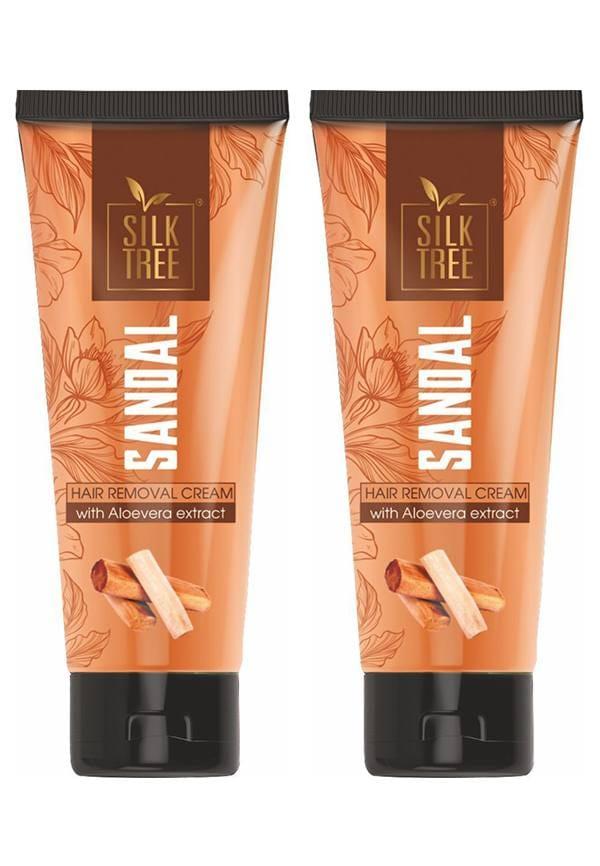
Sandal & Aloevera Extract Hair Removal Cream
Oatmeal isn't just for breakfast—it's brilliant for calming inflamed skin. The compounds in oats, called avenanthramides, have anti-inflammatory properties that can reduce itching and redness. Create an oatmeal bath by grinding plain oats into a fine powder and mixing it with lukewarm water, or make a paste for spot treatment.
Raw honey works as both an antibacterial and anti-inflammatory agent. Apply a thin layer to the irritated area and leave it on for 10-15 minutes before gently rinsing with cool water. Chamomile tea (cooled) can be applied as a compress—the bisabolol in chamomile helps reduce inflammation and promotes healing.
When you need immediate relief and don't have specialised products on hand, your kitchen can come to the rescue. Cucumber slices contain caffeic acid and vitamin C, both of which help reduce swelling and provide cooling relief. Simply place thin slices over the irritated area for 10-20 minutes.
Cold milk compresses work particularly well for sensitive areas. The lactic acid in milk gently exfoliates dead skin cells while the proteins help soothe inflammation. Soak a clean cloth in cold milk and apply it to the affected area for 15 minutes.
Sometimes, despite your best efforts with home remedies, you need something stronger to tackle persistent irritation or prevent infection. Knowing when to step up your treatment game can save you days of discomfort.
Hydrocortisone cream (0.5-1%) is your go-to for reducing inflammation and itching. Apply a thin layer twice daily, but don't use it for more than a week without consulting a healthcare provider. Look for fragrance-free formulations to avoid further irritation.
Soothing lotions for waxed skin should contain ingredients like ceramides, hyaluronic acid, or niacinamide. These help restore the skin barrier and lock in moisture while reducing inflammation. Avoid products with alcohol, fragrances, or alpha hydroxy acids immediately after hair removal.
If you notice signs of infection (increased warmth, pus, red streaking), severe blistering, or if irritation doesn't improve after 48-72 hours of proper care, it's time to consult a dermatologist. They might prescribe topical antibiotics or stronger anti-inflammatory medications.
For chronic ingrown hair treatment, professionals can recommend prescription retinoids or perform extractions safely. They can also help identify if you have an underlying skin condition that makes you more prone to hair removal irritation.
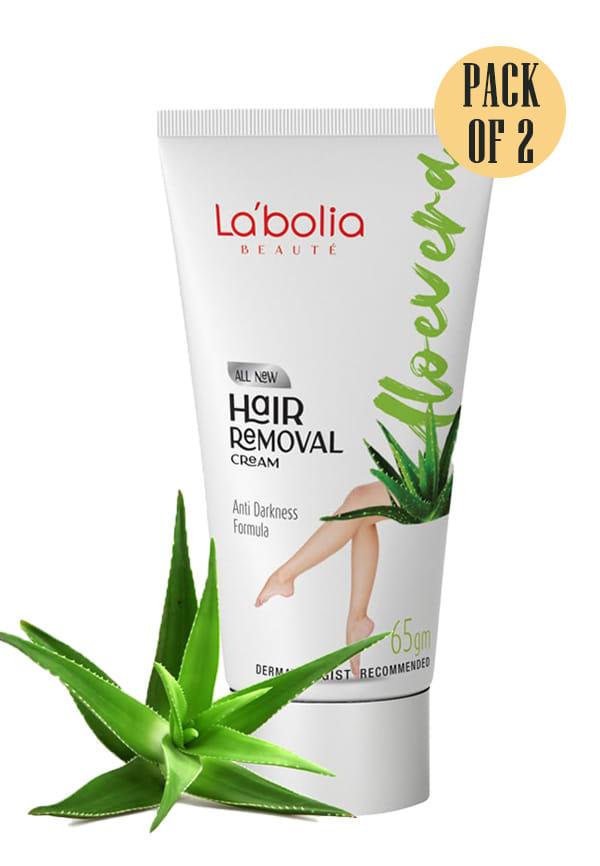
Hair Removal Cream Alo Vera
Happy with Product
5“good and useful product happy one”
Different hair removal methods require tailored aftercare approaches. What works for razor burn might not be ideal for post-waxing care, and understanding these differences can significantly improve your healing time and comfort.
Facial skin requires gentler treatment than body skin after waxing. Use alcohol-free toners and lightweight, non-comedogenic moisturisers to avoid clogging pores. For the bikini area, wear loose, breathable cotton underwear and avoid tight clothing for at least 24 hours to prevent friction and trapped moisture.
Itchy skin after waxing is completely normal and usually peaks 6-12 hours post-treatment. Resist the urge to scratch—instead, apply a cool compress or take an antihistamine if the itching is severe. Gentle moisturising twice daily helps speed the healing process.
Epilation can cause more prolonged irritation since it removes multiple hairs simultaneously. Apply a numbing gel containing lidocaine before treatment if you're particularly sensitive, and use cooling gels or ice packs immediately afterward.
Professional laser treatments require specific aftercare protocols provided by your technician. Generally, this includes avoiding sun exposure, using gentle cleansers, and applying prescribed healing ointments as directed.
The best treatment for hair removal irritation is preventing it in the first place. With proper preparation and technique, you can significantly reduce your risk of post-hair removal drama.
Exfoliate gently 24-48 hours before hair removal to remove dead skin cells and lift trapped hairs. Use a gentle scrub or exfoliating mitt—avoid harsh chemical exfoliants right before hair removal as they can increase sensitivity.
Always patch test new products, especially hair removal creams, on a small, inconspicuous area first. Wait 24 hours to check for any adverse reactions before using the product on larger areas.
For shaving, always use a sharp, clean razor and quality shaving cream or gel. Shave in the direction of hair growth, not against it, and rinse the blade frequently. Replace disposable razors after 3-5 uses or when they start to feel dull.
When using hair removal creams, follow timing instructions precisely. Leaving the product on longer doesn't mean better results—it just increases your risk of chemical burns. Always remove the cream with a damp cloth, not by scraping or rubbing.
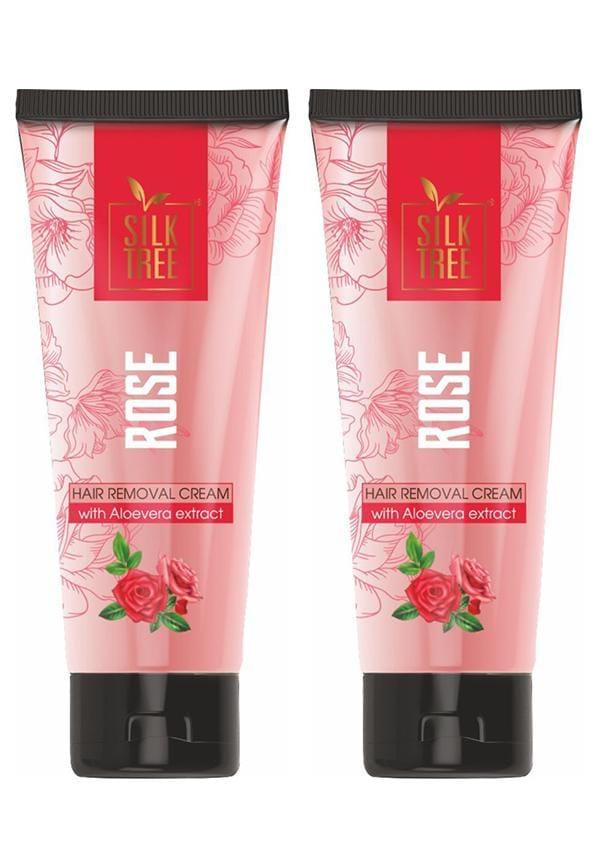
Rose Essence Hair Removal Cream
Most mild irritation from shaving or waxing subsides within 24-48 hours with proper care. More severe reactions, such as chemical burns from depilatory creams, may take 3-7 days to heal completely. If irritation persists beyond a week or worsens, consult a healthcare provider.
Apply a cold compress immediately after hair removal for 10-15 minutes, followed by pure aloe vera gel. Over-the-counter hydrocortisone cream can help reduce inflammation within 2-4 hours. Avoid hot showers, tight clothing, and fragranced products for at least 24 hours.
Wait at least 24 hours before applying makeup to freshly waxed facial areas, and avoid deodorant on freshly shaved underarms for 6-12 hours. These products can clog pores and cause further irritation. When you do resume use, opt for fragrance-free, gentle formulations available on Smytten for trial before committing to full sizes.
Regular gentle exfoliation 2-3 times per week helps prevent ingrown hairs by removing dead skin cells that can trap growing hairs. Use products containing salicylic acid or glycolic acid, and moisturise daily to keep skin soft and supple. Avoid tight clothing immediately after hair removal.
Yes, mild itching is completely normal after waxing and usually peaks within 6-12 hours post-treatment. This happens because your skin is healing from the trauma of hair removal. Apply cool compresses and avoid scratching to prevent further irritation or infection.
Managing hair removal irritation successfully comes down to understanding your skin's needs and responding appropriately. Immediate cooling treatments, gentle natural remedies, and proper aftercare can transform your post-hair removal experience from painful to manageable. Remember that different methods require different approaches—what soothes razor burn might not be ideal for post-waxing care.
Prevention remains your best strategy. Proper skin preparation, using quality products, and following correct techniques can significantly reduce your risk of irritation. When problems do arise, act quickly with cooling treatments and gentle, fragrance-free products to support your skin's natural healing process.
Finding the right products to soothe hair removal irritation often involves trial and error, which can be expensive and frustrating when you're already dealing with sensitive skin. Smytten's trial packs let you test different soothing lotions, aloe vera gels, and post-hair removal care products before investing in full sizes. With over 1,500 trusted brands available, including gentle skincare options from Cetaphil and Dot & Key, you can discover what works best for your skin type without the financial commitment. The platform's 100% cashback on trials makes it even easier to find your perfect post-hair removal routine, ensuring you never have to settle for products that don't suit your skin's unique needs.
