How to Protect Skin from Extreme Winter Dryness


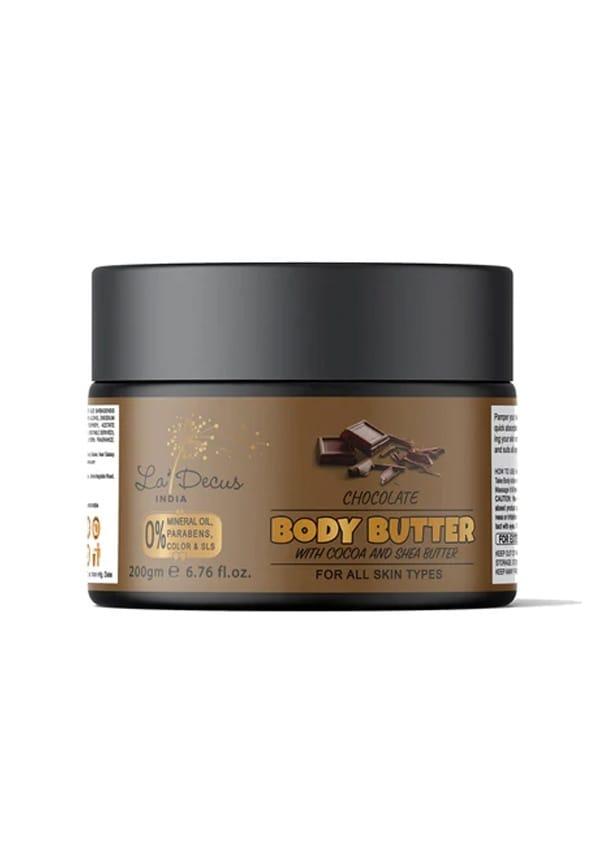
Chocolate Body Butter for Women and Men
Winter's here, and your skin's probably already sending you SOS signals. That tight, flaky feeling after a hot shower? The way your elbows look like they've been through a sandstorm? Real talk—regular moisturisers just don't cut it when temperatures drop and humidity disappears. Your skin needs something richer, something that actually sticks around when the weather gets brutal. Enter body butter for extreme winters—your skin's new best friend for surviving the cold months ahead. Let's dive into why this thick, luxurious formula might just be the game-changer your winter skincare routine desperately needs.
Ever wondered why your skin goes from normal to desert-dry the moment winter hits? It's not just in your head. Cold air holds way less moisture than warm air—we're talking about humidity levels dropping to as low as 10-20% during winter months. Your skin, which normally loves a good 40-60% humidity environment, suddenly finds itself in what's basically a moisture vacuum.
But here's where it gets worse. Those cosy heaters and radiators we rely on? They're secretly working against your skin. Indoor heating systems strip even more moisture from the air, creating this double whammy effect. Your skin's natural barrier—that protective layer that keeps moisture in and irritants out—starts breaking down. The result? Dry skin relief becomes less of a luxury and more of a necessity.
Your regular body moisturiser that worked perfectly in summer suddenly feels like you're applying water to a sponge. It absorbs quickly but doesn't provide the lasting protection your skin craves. This is where understanding the difference between light moisturisers and heavy-duty body butter for extreme winters becomes crucial. Your skin isn't being dramatic—it genuinely needs more intensive care during these harsh months.
Let's settle this once and for all. Body butter and regular moisturisers aren't just different textures—they're completely different approaches to hydration. Think of regular moisturiser as a quick drink of water, while body butter is like a hearty meal that keeps you satisfied for hours.
The magic lies in the formulation. Natural body butter typically contains a higher concentration of oils and butters—shea butter, cocoa butter, mango butter—that create a protective barrier on your skin. This barrier doesn't just add moisture; it prevents the moisture you already have from escaping. Regular moisturisers, with their lighter consistency, absorb quickly but often leave your skin vulnerable to moisture loss within a few hours.
Body butter's thick, almost solid texture might seem intimidating at first, but there's science behind it. When you warm it between your palms, it melts into a rich, spreadable consistency that penetrates deeper into your skin layers. This creates what dermatologists call an occlusive barrier—essentially a protective shield that locks in intense hydration for 8-12 hours.
If you're dealing with visibly dry, flaky skin, or if your usual moisturiser stops working the moment you step outside, it's time to upgrade. Body butter for extreme winters becomes essential when temperatures drop below 10°C or when indoor heating is constantly running. It's also your go-to for problem areas like elbows, knees, and heels that tend to get extra dry.
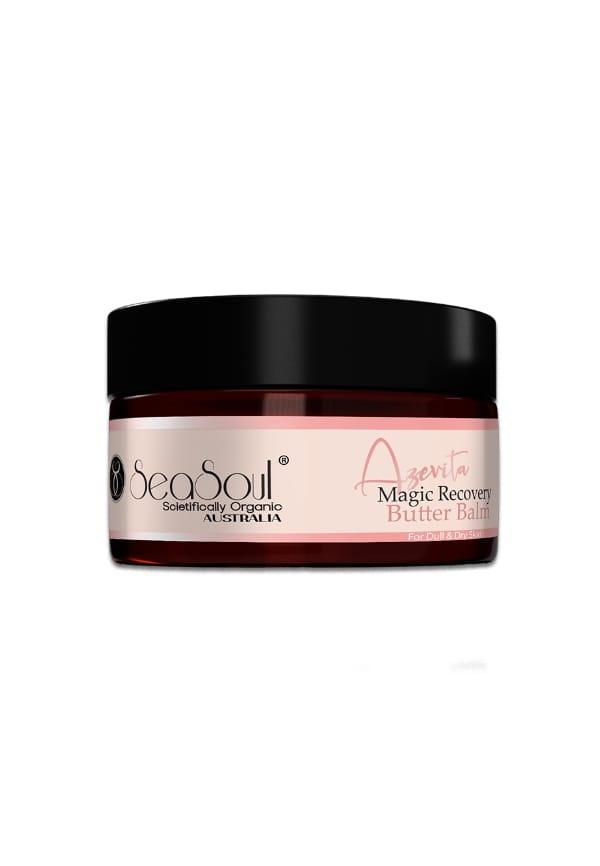
Magic Recovercy Butter Balm
Protecting your skin from winter dryness isn't just about slapping on body butter and hoping for the best. It's about creating a routine that works with your skin's natural processes. The key is timing and technique—two things that can make the difference between okay skin and skin that actually feels comfortable all winter long.
Start with your shower routine. Hot water feels amazing when it's freezing outside, but it's actually stripping your skin of its natural oils. Lukewarm water is your friend here. Keep showers short—5-10 minutes max—and use a gentle, fragrance-free cleanser that won't further dry out your skin. Pat yourself dry instead of rubbing vigorously, leaving your skin slightly damp.
Here's where the magic happens: apply your body butter for extreme winters while your skin is still slightly damp. This technique, called wet skin moisturising, helps trap that extra moisture and gives you better absorption. Focus on areas that tend to get driest first—elbows, knees, heels—then work your way to the rest of your body.
Some spots on your body are basically winter dryness magnets. Elbows and knees have fewer oil glands, making them prone to cracked skin repair needs. For these areas, consider a double-layer approach: apply a thin layer of deep conditioning lotion first, then seal it with body butter.
For those dealing with eczema relief needs, winter can trigger flare-ups. Look for sensitive skin body butter formulations that are fragrance-free and contain ingredients like ceramides or colloidal oatmeal. These help rebuild your skin barrier while providing the intense moisture eczema-prone skin craves.
Not all body butters are created equal, especially when you're dealing with India's unique winter conditions. Our winters might not be as harsh as those in colder countries, but the combination of pollution, dust, and sudden temperature changes creates its own set of challenges for your skin.
Shea butter remains the gold standard for natural body butter formulations. It's rich in vitamins A and E, plus it has natural anti-inflammatory properties that help calm irritated winter skin. Cocoa butter adds an extra layer of protection and has a lovely, subtle scent that doesn't compete with your other products. Mango butter, often overlooked, is actually fantastic for sensitive skin body butter needs because it's less likely to cause reactions.
Look for formulations that include natural oils like jojoba, argan, or sweet almond oil. These penetrate deeper than heavier oils and help deliver the butter's benefits to lower skin layers. Avoid products with too many synthetic fragrances or alcohol-based ingredients—they can actually make winter dryness worse.
When shopping for body butter for extreme winters, the ingredient list tells you everything. The first few ingredients make up the bulk of the product, so you want to see butters and oils listed early. Avoid products where water is the first ingredient—that's essentially an expensive moisturiser masquerading as body butter.
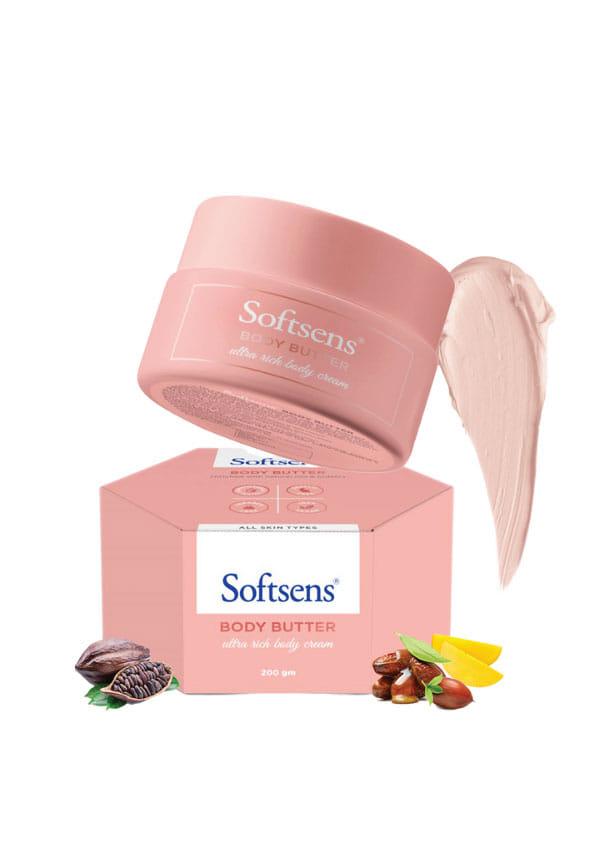
Nourishing Body Butter
Here's something most people get wrong: they apply body butter like regular lotion. Body butter needs a different approach to give you maximum benefits. Start by warming a small amount between your palms until it becomes soft and spreadable. This pre-warming step is crucial—it helps the product distribute evenly and absorb better.
Apply in upward circular motions, starting from your feet and working your way up. This isn't just about coverage; it's about helping your circulation while you moisturise. Pay extra attention to areas where your clothes might rub—waistbands, bra lines, sock areas—as these spots tend to get extra dry from friction.
Timing matters too. The best time for intense hydration is right after your shower when your skin is still slightly damp, and again before bed. Night-time application gives the body butter hours to work its magic without interference from clothes, weather, or daily activities.
Sometimes, even the richest body butter needs backup. On particularly harsh days, consider layering a lightweight deep conditioning lotion under your body butter. This creates multiple barriers of protection and can be especially helpful for areas prone to cracked skin repair needs.
Even with the best body butter for extreme winters, sometimes your skin throws curveballs. If you're still experiencing dryness despite regular application, check your routine for moisture thieves. Are you taking hot showers? Using harsh soaps? Wearing synthetic fabrics that don't breathe? Sometimes the solution isn't adding more products—it's removing the things that work against your skin.
For persistent issues like eczema relief or severe cracked skin repair needs, consider seeing a dermatologist. While body butter can provide significant relief, some conditions need professional attention. There's no shame in getting help—your skin will thank you for it.
If you're trying a new product and experiencing irritation, don't power through it. Sensitive skin body butter should never cause burning, stinging, or increased redness. Patch test new products on a small area first, especially if you have reactive skin.
Good winter skincare doesn't have to cost a fortune. Many effective body butters are available at reasonable prices, especially when you consider how long they last. A little goes a long way with body butter—you need much less product per application compared to regular moisturisers.
When shopping, consider the cost per use rather than just the upfront price. A slightly more expensive body butter that lasts three months might be more economical than a cheaper option you go through in six weeks. Look for sales during winter months when bath and body products are often discounted.
This is where platforms like Smytten become incredibly valuable for discovering your perfect body butter for extreme winters. With over 1,500 trusted brands including Cetaphil, Dot & Key, and Love, Beauty & Planet, you can try mini-sized versions before committing to full-size purchases. Getting up to 8 minis for just ₹249 with 100% cashback means you can experiment with different formulations without the financial risk. It's particularly helpful for finding the right sensitive skin body butter or testing whether a particular natural body butter works for your skin type.
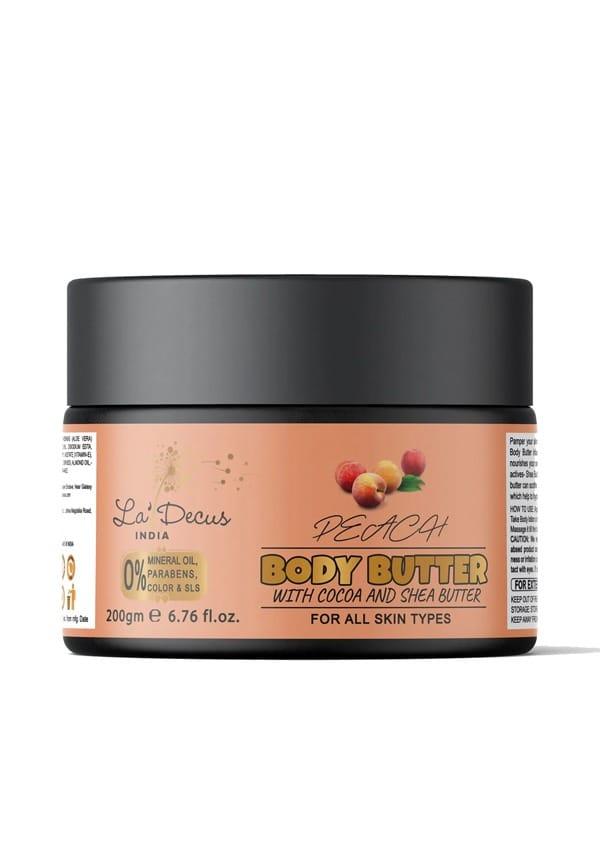
Peach Body Butter for Men and Women
Calming and effective body butter
 5
5“Excellent product,i never expected peach fragrance of the body butter calms my senses and boost ups my mood.very quick absorbing and gave the smooth touch to the skin”
Yes, for extreme winter conditions. Body butter contains higher concentrations of oils and butters that create a protective barrier, preventing moisture loss for 8-12 hours. Regular moisturisers absorb quickly but don't provide the same long-lasting protection against harsh winter weather.
Twice daily is ideal—once after showering while skin is slightly damp, and once before bed. For extremely dry areas like elbows and heels, you might need additional applications. Listen to your skin; if it feels tight or looks flaky, it's time to reapply.
Generally, no. Body butter formulations are too heavy for facial skin and can clog pores. Stick to face-specific moisturisers for your face, and save body butter for your body where the skin is thicker and can handle richer formulations.
Natural body butter uses plant-based ingredients like shea, cocoa, and mango butter, which tend to be gentler and more suitable for sensitive skin body butter needs. Synthetic versions may include petroleum-based ingredients that can be effective but might not suit everyone, especially those with sensitive skin.
Quality body butter should absorb within 10-15 minutes without leaving a greasy residue. If it stays greasy, you might be using too much, or the formulation might not suit your skin type. Start with a small amount and warm it between your palms before applying.
Winter doesn't have to mean suffering through months of dry, uncomfortable skin. The right body butter for extreme winters can transform your winter skincare routine from a daily struggle into something that actually protects and nourishes your skin. Remember, it's not just about finding any body butter—it's about finding the one that works for your specific skin needs, lifestyle, and budget.
Whether you're dealing with general winter dryness, need eczema relief, or require cracked skin repair, there's a formulation out there that can help. The key is being willing to experiment and find what works for you. With platforms offering trial sizes and discovery options, you can explore different brands and formulations without committing to full-size products immediately.
Your skin deserves to feel comfortable all year round. Don't settle for tight, flaky skin just because it's winter. With the right products, proper application techniques, and a consistent routine, you can maintain healthy, hydrated skin even when the weather's working against you. After all, why settle for 'maybe' when you can find exactly what your skin needs?
