How to Prevent Post Shave Dark Spots: A Simple Guide



5% Niacinamide & VIT C water-light Sunscreen gel SPF 50 Pa++++For Oily Skin,2X Glow
Loved the Product
 4
4“loved the product , it's amazing”
Mom loves it, replaces makeup
4“I got this one for my mom, and she likes this one as she doesn't do makeup after applying this..just this one cream is enough”
Mom loves it, replaces makeup
4“I got this one for my mom, and she likes this one as she doesn't do makeup after applying this..just this one cream is enough”
Ever noticed those stubborn dark spots that appear after shaving? You're definitely not alone. Post shave hyperpigmentation is one of those annoying beauty struggles that can leave you feeling frustrated, especially when you're just trying to keep your skin smooth and hair-free. Whether it's dark spots after shaving legs, razor burn dark spots on your face, or those pesky marks around your bikini line, these discoloured patches can seriously mess with your confidence. The good news? There are actually loads of ways to prevent and treat these marks before they become a bigger problem. From tweaking your shaving technique to choosing the right products, this guide will walk you through everything you need to know about how to prevent post shave dark spots. Plus, with platforms like Smytten offering trial-sized versions of top skincare brands, you can test different products without the commitment—because finding your perfect post-shave routine shouldn't break the bank.
TL;DR
Post-shave dark spots happen when shaving irritation triggers excess melanin production in your skin
Proper pre-shave prep, gentle technique, and quality aftercare can prevent most dark spots from forming
Different body areas need different approaches—what works for your legs might not suit your face
Existing dark spots can fade with consistent treatment using ingredients like vitamin C, niacinamide, and gentle exfoliation
Prevention is always easier than treatment, so focus on avoiding irritation in the first place
Let's get real about what's actually happening when those dark spots show up after shaving. Post shave hyperpigmentation is basically your skin's way of responding to trauma or irritation. When you shave, especially if you're being a bit too aggressive or using a dull razor, you're creating tiny micro-injuries on your skin's surface. Your skin then goes into protection mode and starts producing extra melanin—the pigment that gives your skin its colour—to shield the damaged area.
This process is called post-inflammatory hyperpigmentation (PIH), and it's particularly common in people with darker skin tones, though it can affect anyone. The key difference between regular razor bumps and actual dark spots is that bumps are immediate inflammation, while the darkening usually shows up a few days to weeks later as the skin heals.
You'll typically notice these marks on areas where the skin is more sensitive or where you tend to shave more frequently—think your face, underarms, bikini line, and legs. The timeline varies, but most people start seeing discolouration within 3-7 days after shaving, and without proper treatment, these spots can stick around for months.
The science behind skin darkening from shaving is actually pretty straightforward. When you drag a razor across your skin, you're not just cutting hair—you're also removing the top layer of dead skin cells and potentially creating friction that your skin interprets as damage. This triggers an inflammatory response, and inflammation is the main culprit behind those shaving irritation dark marks.
Think of it like this: your skin has special cells called melanocytes that produce melanin when they sense trouble. The more irritation you cause during shaving, the more these cells go into overdrive. Factors like using too much pressure, shaving against the grain repeatedly, or using a razor that's seen better days all contribute to this cycle.
Dull razors are particularly problematic because they require more pressure to cut through hair, which means more friction and potential for razor burn dark spots. Plus, if you're someone who shaves daily or multiple times a week, you're constantly re-irritating the same areas before they have a chance to properly heal.
Prevention really is your best friend when it comes to avoiding dark spots, and it all starts before you even pick up that razor. Proper prep work can make the difference between smooth, even-toned skin and dealing with weeks of discolouration later.
Start with warm water or steam to soften both your hair and skin. This makes the hair easier to cut and reduces the amount of pressure you need to apply. A warm shower or even holding a warm, damp towel against the area for a few minutes works brilliantly.
Exfoliate 1-2 days before shaving (not on the same day) to remove dead skin cells and help prevent ingrown hairs. Use a gentle scrub or a soft brush in circular motions. This step is crucial for preventing those ingrown hair dark spots that can develop later.
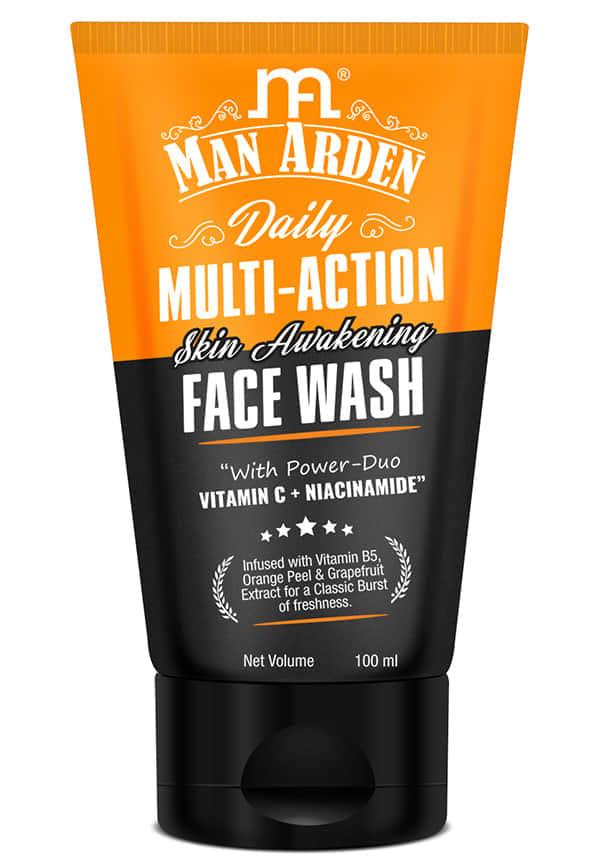
Vitamin C Daily Multi-Action Skin Awakening & Brightening Face Wash Vitamin C + Niacinamide
Look for pre-shave oils or creams that contain soothing ingredients like jojoba oil, coconut oil, or glycerin. These create a protective barrier between your skin and the razor while keeping everything nicely lubricated.
Your shaving technique can make or break your efforts to prevent dark spots. The golden rule? Always shave in the direction of hair growth, not against it. Yes, you might not get as close a shave, but you'll significantly reduce your risk of preventing razor bumps dark spots.
Use light, gentle strokes rather than pressing hard. Let the razor do the work—if you're having to apply pressure, it's time for a new blade. Stick to single passes over each area when possible, and if you absolutely must go over an area again, reapply your shaving cream or gel first.
For those prone to dark spots, a single-blade razor or a high-quality multi-blade razor with a moisturising strip often works better than cheap disposables. Replace blades regularly—a good rule of thumb is every 5-7 shaves or when you notice any tugging.
Give your skin time to recover between shaves. If you're noticing irritation, try extending the time between shaving sessions. Your skin needs at least 24-48 hours to properly heal from the minor trauma of shaving.
What you do immediately after shaving is just as important as your technique. The first step is cooling down the skin—splash with cold water or apply a cool, damp cloth to reduce inflammation and close your pores.
Follow up with a gentle, alcohol-free moisturiser within a few minutes of shaving. Look for products containing anti-inflammatory ingredients like aloe vera, niacinamide, or chamomile. These help calm the skin and reduce the likelihood of developing razor burn dark spots treatment needs later.
Freshly shaved skin is more vulnerable to UV damage, which can worsen any existing discolouration and create new dark spots. Apply SPF 30 or higher to any shaved areas that will be exposed to sunlight.
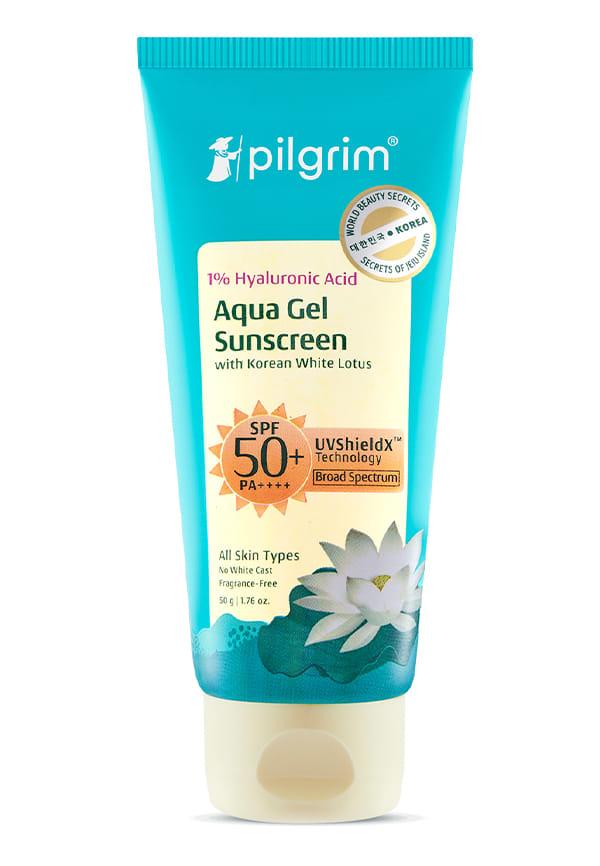
1% Hyaluronic Acid Aqua Sunscreen Gel SPF 50 PA++++
Great Fragrance, No White Cast
5“awesome with very nice fragrance and no white cast”
Best Sunscreen Ever
4“best sunscreen i ever used go for it”
Hydrating Sunscreen
5“Very nice sunscreen keeps my skin hydrated.”
Aloe vera gel straight from the fridge can provide immediate cooling relief. Green tea compresses (using cooled green tea bags or a cotton pad soaked in green tea) offer anti-inflammatory benefits, while raw honey has natural antibacterial and healing properties.
If you're already dealing with dark spots, don't panic—there are plenty of ways to reduce post shaving discoloration. The key is consistency and patience, as most treatments take 4-12 weeks to show significant results.
Gentle chemical exfoliation with salicylic acid (BHA) can help speed up cell turnover and fade existing marks. Start with a low concentration (0.5-1%) and use it every other day to avoid over-irritation. Vitamin C serums are brilliant for brightening and can help prevent new dark spots from forming while treating existing ones.
Niacinamide is a gentle but effective ingredient for reducing hyperpigmentation and can be used daily. For more stubborn spots, retinol (used in the evening) can help speed up skin renewal, but start slowly and always use sunscreen during the day.
For persistent dark spots that don't respond to at-home treatments, consider consulting a dermatologist about options like chemical peels, laser therapy, or prescription-strength lightening agents.
Not all skin is created equal, and different areas of your body need different approaches when it comes to preventing and treating dark spots after shaving legs versus your face or other sensitive areas.
Facial skin is thinner and more sensitive, so you'll want to use gentler products and techniques. Consider using a separate, higher-quality razor for your face, and always use a proper shaving cream rather than soap or body wash.
Legs can handle slightly more aggressive exfoliation and stronger active ingredients. You can use a body scrub 1-2 times per week and apply treatments like glycolic acid or retinol to help prevent and treat dark spots.
For areas like the bikini line and underarms, extra gentleness is key. These areas are more prone to ingrown hair dark spots remedies, so focus on preventing ingrown hairs through proper technique and gentle exfoliation.
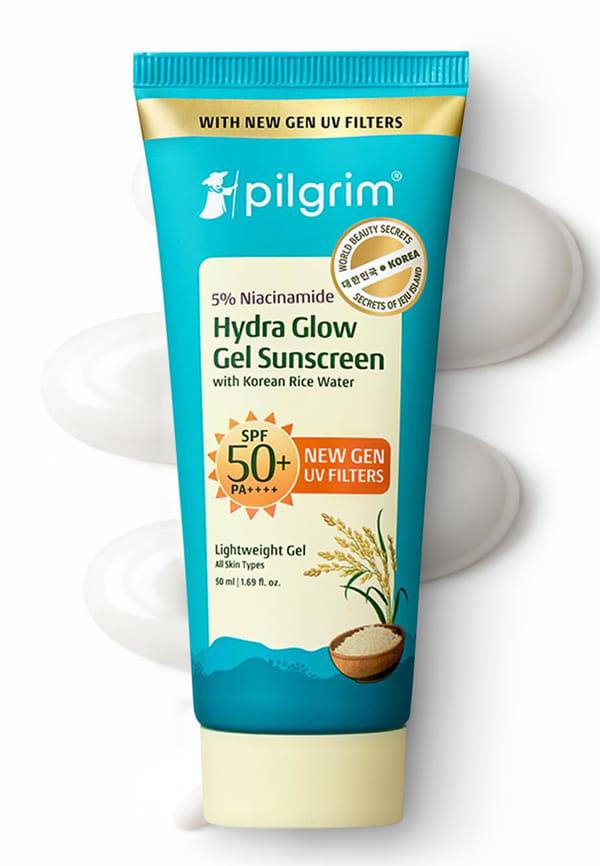
5% Niacinamide Oil-Free Super Light Gel Sunscreen SPF 50+ PA++++
Great Fragrance, No White Cast, Good Protection
5“awesome with very nice fragrance and no white cast and awesome for protection”
Sunscreen Review: No White Cast, Slight Fragrance
5“Nice sunscreen, no white cast but slight fragrance”
Lightweight & Brightening Sunscreen
4“light weight sunscreen and brighten skin”
Most dark spots will start to fade within 4-6 weeks with proper treatment, but stubborn spots can take up to 3-6 months to completely disappear. Consistency with your skincare routine is key to seeing results.
Absolutely! Sensitive skin actually benefits most from preventive measures. Focus on gentle techniques, quality products, and giving your skin plenty of recovery time between shaves. Trial on Smytten can help you find gentle, suitable products without committing to full sizes.
No, post-shave dark spots are not permanent. With the right treatment approach and patience, they will fade. However, prevention is always easier than treatment, so focus on improving your shaving routine first.
Razor bumps are immediate inflammation that appears as red, raised bumps right after shaving. Dark spots are the pigmentation that can develop days or weeks later as these bumps heal. Both can be prevented with proper technique.
This varies by person, but generally, giving your skin 24-48 hours between shaves allows for proper healing. If you notice irritation or dark spots developing, try extending the time between shaving sessions.
Preventing post-shave dark spots is absolutely achievable with the right approach. Focus on gentle preparation, proper technique, and consistent aftercare rather than trying to get the closest possible shave. Remember that your skin needs time to heal between shaving sessions, and what works for one area of your body might not work for another.
If you're already dealing with dark spots, don't get discouraged—consistent treatment with gentle exfoliation, brightening ingredients, and sun protection will help them fade over time. The most important thing is to address the root cause by improving your shaving routine to prevent new spots from forming.
Finding the right products for your post-shave routine doesn't have to involve expensive trial and error. Smytten offers curated trial packs from over 1,500 trusted brands, letting you test different shaving creams, aftercare products, and treatment serums before committing to full sizes. With 100% cashback on trials and authentic brand-verified minis available across India, you can discover what works best for your skin without the usual purchase risk. Whether you're looking for gentle exfoliants, soothing post-shave balms, or brightening treatments, you can try before you buy and build a routine that actually prevents those frustrating dark spots. After all, why settle for irritated, discoloured skin when you can find products that keep you smooth and confident?
