How to Prevent Hyperpigmentation After Waxing Your Bikini Area
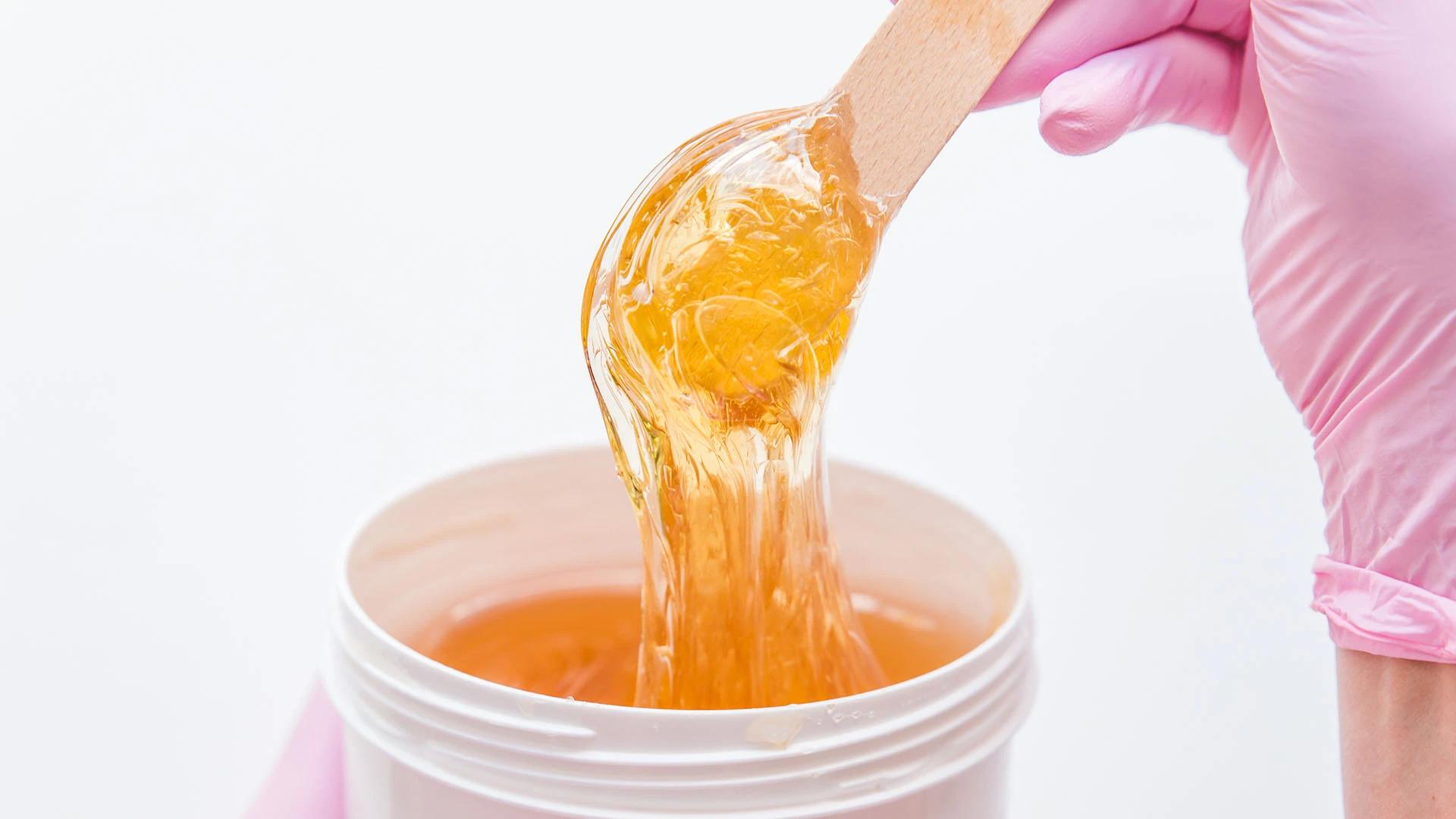

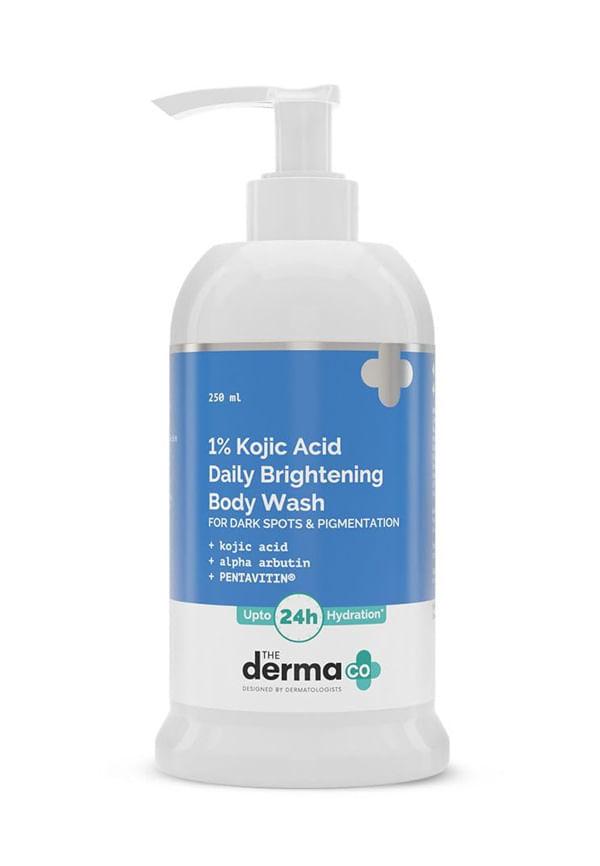
1% Kojic Acid Daily Brightening Body Wash with Alpha Arbutin
Let's be real—waxing your bikini area can feel like a necessary evil. You want smooth skin, but those pesky dark spots that sometimes follow? Not so much. If you've ever noticed bikini area hyperpigmentation after your waxing sessions, you're definitely not alone. The good news is that with the right prevention tips, you can keep your skin looking even and gorgeous without those unwanted post-wax dark spots.
Understanding how to prevent hyperpigmentation after waxing your bikini area isn't just about looking good (though that's a bonus). It's about keeping your skin healthy and comfortable. Whether you're dealing with ingrown hair discoloration or trying to avoid bikini line dark spots altogether, we've got the expert-backed strategies that actually work.
Before diving into prevention, it helps to know what you're actually dealing with. Hyperpigmentation after waxing happens when your skin produces extra melanin in response to trauma or irritation. Think of it as your skin's way of protecting itself—except the protection comes in the form of darker patches that nobody asked for.
The main culprit behind dark spots from waxing is inflammation. When hair gets yanked out from the root, your skin goes into defence mode. This inflammatory response triggers melanin production, especially in areas where the skin is already more sensitive.
Here's what's happening beneath the surface:
Hair removal trauma: The pulling action creates micro-injuries that trigger healing responses
Melanin overproduction: Your skin pumps out extra pigment to protect the affected area
Friction during waxing: The physical pressure and pulling can irritate delicate skin
Heat sensitivity: Hot wax can cause additional inflammation in sensitive areas
Your bikini area isn't just any old patch of skin—it's got some unique characteristics that make it more susceptible to bikini area skin discoloration. The hair here is typically thicker and coarser, which means it requires more force to remove. Plus, this area naturally has higher melanin concentration, making it more reactive to trauma.
The skin in your intimate areas is also thinner and more sensitive than other parts of your body. Add in the constant friction from clothing and movement, and you've got the perfect storm for post-waxing pigmentation issues.
The best defence against waxing hyperpigmentation prevention starts before you even book that appointment. Proper preparation can make all the difference between smooth, even skin and dealing with unwanted dark patches later.
Your pre-wax routine is crucial for preventing hyperpigmentation after hair removal. Start preparing your skin at least two days before your appointment to give it the best chance of handling the process smoothly.
Here's your pre-wax checklist:
Gentle exfoliation: Use a mild chemical exfoliant with lactic or glycolic acid 48 hours before waxing
Skip harsh products: Avoid retinoids, strong acids, or any irritating skincare for at least a week
Sun protection: Keep the area covered and avoid tanning beds or excessive sun exposure
Moisturise daily: Well-hydrated skin handles trauma better and heals faster
Avoid caffeine: It can make your skin more sensitive on the day of waxing
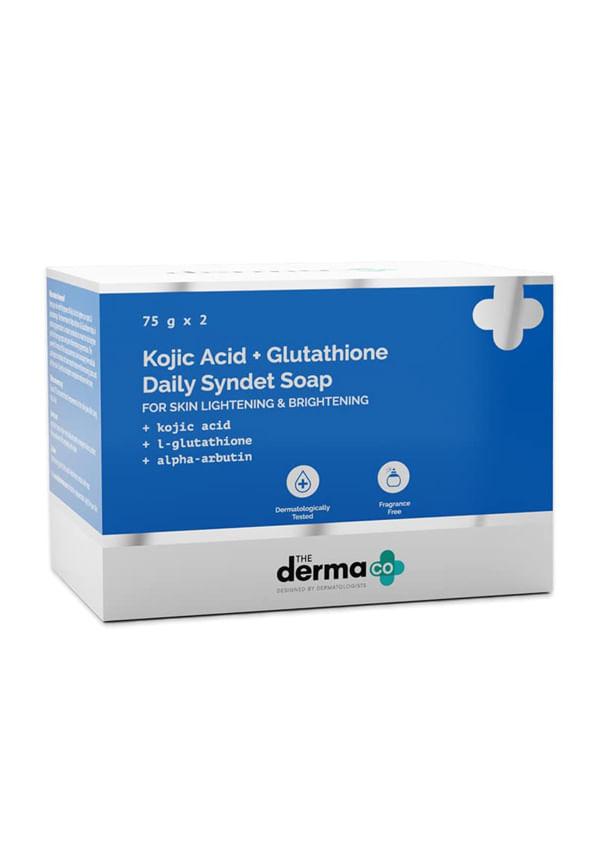
Kojic Acid + L-Glutathione Daily Syndet Soap
Not all waxing methods are created equal when it comes to preventing post-wax complications. The technique and temperature of the wax can significantly impact your risk of developing hyperpigmentation.
Cool wax or sugar wax tends to be gentler on sensitive skin compared to hot wax. If you're going to a professional, ask about their technique and whether they use products specifically designed for sensitive areas. A skilled esthetician will know how to minimise trauma whilst still getting effective results.
The first 48 hours after waxing are absolutely critical for preventing post wax dark spots. This is when your skin is most vulnerable and when the right care can make or break your results. Think of this time as your skin's healing window—what you do now sets the tone for how your skin recovers.
Your skin is essentially in recovery mode right after waxing, so treat it like the delicate situation it is. The goal is to calm inflammation and prevent any additional irritation that could trigger more pigmentation.
Your immediate post-wax protocol should include:
Cool compress: Apply a cold, damp cloth for 10-15 minutes to reduce inflammation
Loose clothing: Avoid tight fabrics that could cause friction against freshly waxed skin
Skip the gym: Sweating and friction from exercise can irritate healing skin
No hot baths: Stick to lukewarm water to avoid additional heat trauma
Fragrance-free everything: Use only gentle, unscented products for the first few days
The right products can work wonders for waxing aftercare dark spots prevention. Look for ingredients that calm inflammation whilst supporting healthy skin healing.
Your post-wax skincare heroes include:
Hydrocortisone cream: A mild over-the-counter option that reduces inflammation quickly
Aloe vera gel: Pure aloe provides cooling relief and supports healing
Chamomile extract: Known for its anti-inflammatory and soothing properties
Niacinamide: Helps regulate melanin production and reduces inflammation
Hyaluronic acid: Keeps skin hydrated without clogging pores
Once you've made it through the critical first few days, it's time to focus on long-term strategies that prevent ingrown hair discoloration and keep your skin looking its best. This is where consistency really pays off—the habits you build now will determine how your skin looks months down the line.
Regular exfoliation is your best friend for preventing both ingrown hairs and the dark spots that can come with them. But timing and technique matter—you don't want to irritate freshly waxed skin.
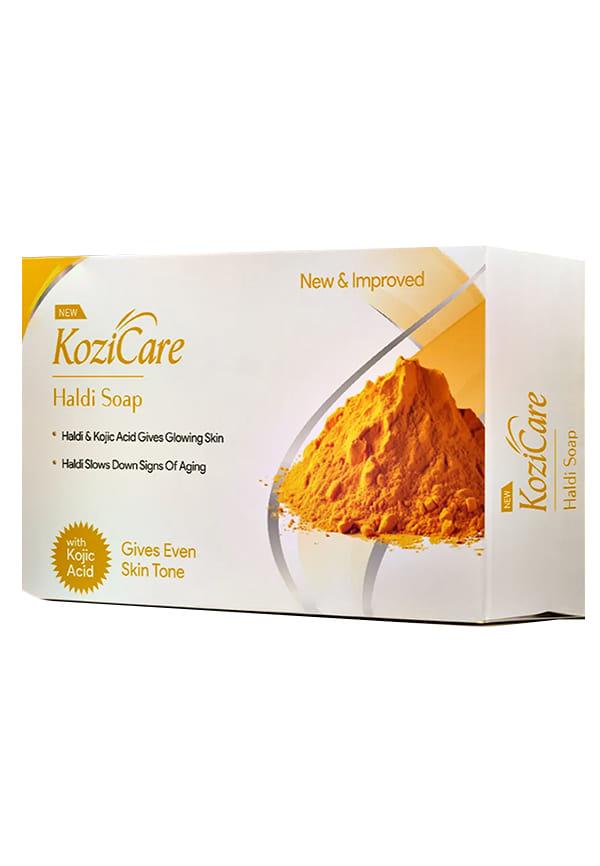
Kojic Acid & Glutathione Soap,Haldi Turmeric Face Ubtan Soap
Start gentle exfoliation about a week after waxing, then maintain it 2-3 times per week. Chemical exfoliants like salicylic acid or lactic acid work brilliantly for this area because they're gentler than physical scrubs. They help prevent dead skin from trapping new hair growth whilst also supporting even skin tone.
Your daily routine should focus on keeping skin healthy, hydrated, and protected. This isn't about complicated multi-step routines—it's about consistent, gentle care that supports your skin's natural healing processes.
Essential daily steps include:
Gentle cleansing: Use a mild, pH-balanced cleanser that won't strip your skin
Moisturising: Apply a fragrance-free moisturiser twice daily to maintain barrier function
Sun protection: Yes, even under clothing—UV can penetrate thin fabrics
Targeted treatments: Consider serums with vitamin C or kojic acid for evening out skin tone
When it comes to preventing bikini line dark spots, you've got options. Some people do brilliantly with simple at-home routines, whilst others benefit from professional guidance. Understanding when each approach works best can save you time, money, and frustration.
Most hyperpigmentation prevention can be handled effectively at home with the right products and consistency. The key is choosing gentle, proven ingredients that won't irritate sensitive skin.
Effective at-home ingredients include:
Vitamin C: A gentle antioxidant that supports even skin tone
Kojic acid: Naturally derived ingredient that helps prevent dark spots
Liquorice extract: Contains glabridin, which helps regulate melanin production
Alpha arbutin: A stable, gentle alternative to hydroquinone
Sometimes professional help is worth the investment, especially if you have particularly sensitive skin or a history of hyperpigmentation. A dermatologist can create a customised prevention plan that takes your specific skin type and concerns into account.
Consider professional consultation if you experience persistent irritation, have very dark skin that's prone to hyperpigmentation, or if over-the-counter products aren't giving you the results you want. Professional treatments like chemical peels or prescription-strength ingredients might be the game-changer you need.
Let's set realistic expectations here—prevention is always easier than treatment, but it's not magic. Understanding what to expect and when can help you stay consistent with your routine and know when you might need to adjust your approach.
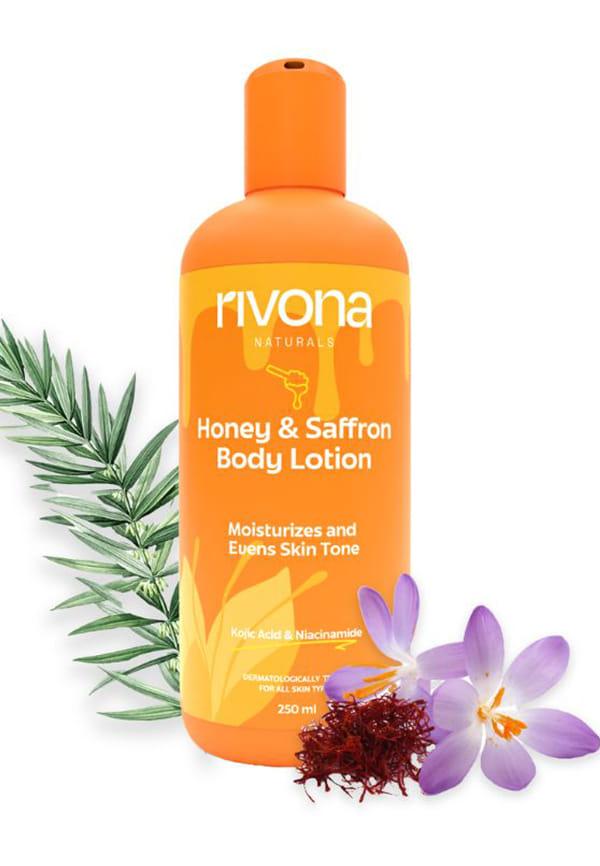
Honey & Saffron Body Lotion | 2% Kojic Acid Natural
With consistent prevention strategies, most people notice their skin handles waxing better within 2-3 sessions. Your skin becomes more resilient, and any minor irritation resolves faster. The key is giving your routine time to work—skin cell turnover takes about 28 days, so patience is essential.
If you do develop any hyperpigmentation despite your best efforts, proper prevention techniques can help it fade faster. Most post-wax dark spots resolve within 3-6 months with good care, compared to potentially years without intervention.
The best part about focusing on prevention is that you're building overall skin health, not just avoiding one specific problem. The gentle exfoliation, consistent moisturising, and sun protection that prevent waxing-related hyperpigmentation also keep your skin looking and feeling amazing in general.
When you're exploring different products for your prevention routine, platforms like Smytten make it easier to find what works for your skin without the commitment of full-size purchases. With curated trial packs from trusted brands, you can test gentle exfoliants, soothing moisturisers, and targeted treatments to build your perfect prevention routine. This approach lets you discover products that truly work for your skin type before investing in full sizes.
Start with proper pre-wax preparation including gentle exfoliation and avoiding harsh products. Immediately after waxing, apply anti-inflammatory products like aloe vera or hydrocortisone cream. Maintain consistent sun protection and gentle exfoliation routines long-term.
Dark spots develop when your skin produces excess melanin in response to the trauma of hair removal. The inflammation from waxing triggers your skin's protective mechanisms, leading to increased pigmentation in the affected area.
Most hyperpigmentation from waxing fades naturally within 3-6 months with proper care. Consistent use of gentle exfoliants, moisturisers, and sun protection can help speed up this process significantly.
Absolutely! Regular gentle exfoliation, proper moisturising, and wearing loose clothing help prevent both ingrown hairs and the discoloration that can result from them. The same routine that prevents one typically prevents the other.
Yes, the bikini area requires gentler formulations than other parts of your body. Look for fragrance-free, pH-balanced products specifically designed for sensitive skin. Avoid harsh acids or strong active ingredients in this delicate area.
Preventing hyperpigmentation after waxing your bikini area really comes down to being gentle with your skin and staying consistent with your care routine. The combination of proper preparation, immediate post-wax care, and long-term maintenance makes all the difference in keeping your skin smooth and evenly toned.
Remember, every skin type is different, so what works brilliantly for your friend might need tweaking for you. That's where trial and error becomes your best friend—and why having access to smaller sizes of products can be such a game-changer. Whether you're testing a new gentle exfoliant or trying a soothing post-wax treatment, being able to try before you fully commit helps you build the perfect routine for your skin's unique needs. After all, why settle for maybe when you can find products that truly work for you?
