How to Naturally Treat Inner Thigh Hyperpigmentation at Home

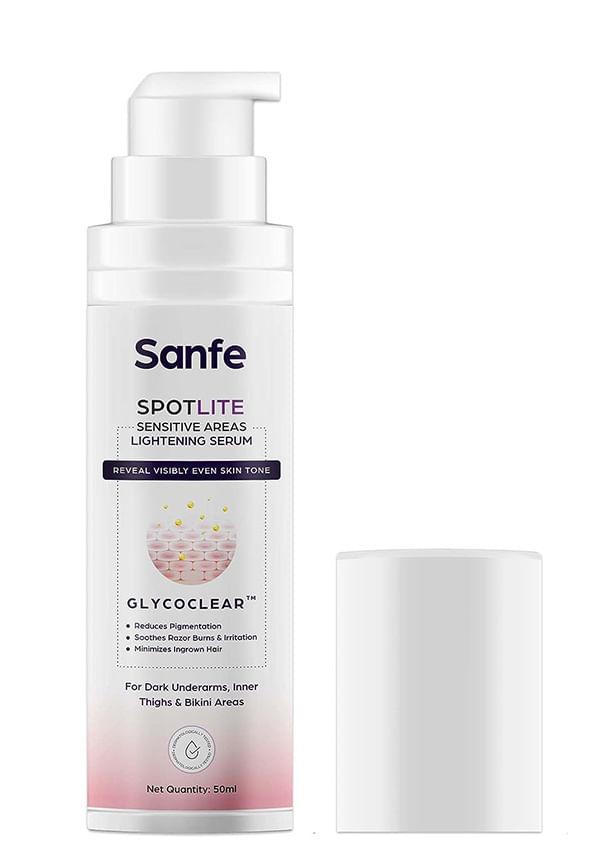
Dark Spot Sensitive Body Serum For Dark Underarms, Inner Thighs and Sensitive Areas
Let's be real—inner thigh discoloration is one of those things nobody talks about, but loads of us deal with. Whether it's from friction, hormonal changes, or just genetics being a bit cheeky, those darker patches can feel frustrating. The good news? You don't need to break the bank or book expensive treatments to tackle hyperpigmentation on inner thighs treatment at home. With the right natural remedies and a bit of patience, you can work towards evening out your skin tone using ingredients you probably already have in your kitchen. Ready to discover what actually works?
Before diving into solutions, let's chat about why inner thigh hyperpigmentation happens in the first place. Your skin produces melanin—the pigment that gives your skin its colour—and sometimes it goes a bit overboard in certain areas. This creates those darker patches that can feel so stubborn.
The main culprits behind inner thigh discoloration include friction from clothing or skin rubbing together, hormonal fluctuations (hello, pregnancy and PCOS), insulin resistance, and even certain medications. Weight gain can also contribute, as it increases friction between the thighs. Understanding these causes helps you tackle the problem more effectively and prevent it from coming back.
Now for the good stuff—home remedies for hyperpigmentation that don't require a chemistry degree to understand. These natural treatments focus on gentle exfoliation, skin lightening, and moisture restoration.
Aloe vera isn't just for sunburns—it's brilliant for treating dark inner thighs remedy situations too. The gel contains aloin, a compound that naturally lightens skin whilst reducing inflammation. Apply fresh aloe vera gel twice daily to clean, dry skin and let it absorb completely. You should start noticing improvements within 3-4 weeks of consistent use.
This combination works because lemon's vitamin C helps lighten skin naturally, whilst coconut oil prevents dryness and irritation. Mix equal parts fresh lemon juice and coconut oil, apply to the affected area, and leave for 15-20 minutes before rinsing. Use this treatment every other day to avoid over-exfoliation.
Perfect for sensitive skin, this scrub combines oatmeal's gentle exfoliation with yoghurt's lactic acid for natural skin renewal. Blend 2 tablespoons of oats with 3 tablespoons of plain yoghurt to create a paste. Gently massage onto damp skin in circular motions, then rinse after 10 minutes. Use weekly for best results.
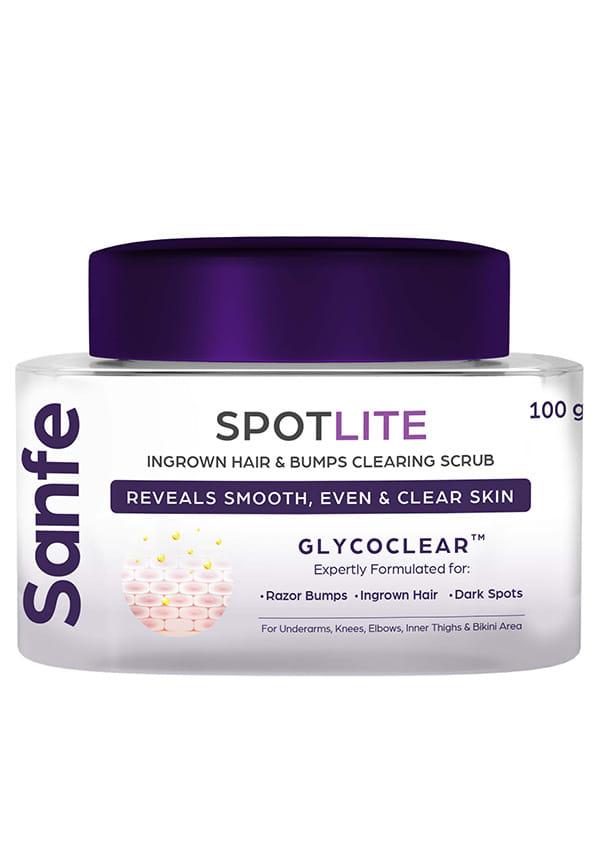
Dark Spot Sensitive Body Scrub For Dark Underarms, Inner Thighs and Sensitive Areas
Baking soda helps balance your skin's pH whilst providing gentle exfoliation. Mix 2 tablespoons of baking soda with enough water to form a thick paste. Apply to clean skin, leave for 10 minutes, then rinse thoroughly. Always do a patch test first, as some skin types might find this too harsh.
Turmeric's curcumin compound naturally lightens skin, whilst honey provides antibacterial benefits and moisture. Mix 1 teaspoon of turmeric powder with 2 tablespoons of raw honey. Apply the mixture, leave for 20 minutes, then rinse with lukewarm water. Use twice weekly for optimal results.
Potatoes contain vitamin C and natural enzymes that help lighten skin discoloration treatment areas. Grate a fresh potato, squeeze out the juice, and apply with a cotton pad. Let it dry naturally, then rinse after 15 minutes. This gentle treatment can be used daily.
This natural scrub removes dead skin cells whilst the lemon provides lightening benefits. Mix 2 tablespoons of sugar with fresh lemon juice to form a paste. Gently scrub in circular motions for 2-3 minutes, then rinse. Use once or twice weekly to avoid irritation.
Here's the thing about natural remedies for dark skin—they work, but they're not magic. Most people start seeing subtle improvements after 2-3 weeks of consistent use, with more noticeable changes appearing around the 6-8 week mark.
Several factors affect how quickly you'll see results, including how dark the hyperpigmentation is, your skin type, consistency of treatment, and whether you're addressing underlying causes like friction. The key is patience and consistency—skipping treatments or switching remedies too quickly won't give your skin time to respond properly.
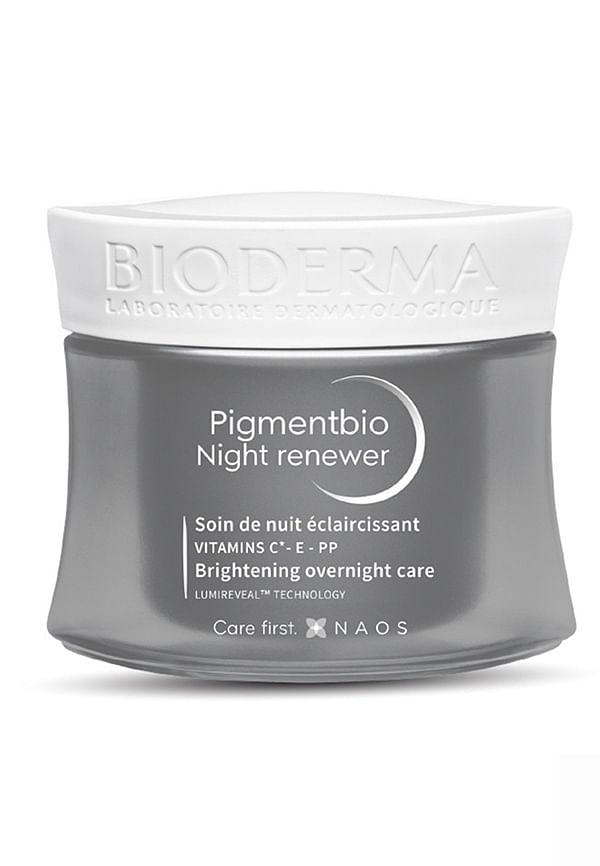
Pigmentbio Night Renewer Brightening Overnight Cream for Dark Spots, Sensitive Skin
Treating existing uneven skin tone thighs is great, but preventing new discoloration is even better. Start by choosing breathable, moisture-wicking fabrics that reduce friction. Cotton or bamboo underwear and loose-fitting clothes work brilliantly.
Maintaining a healthy weight reduces friction between thighs, whilst proper hygiene prevents bacterial buildup that can worsen discoloration. Keep the area clean and dry, especially after exercise. Regular gentle exfoliation (once or twice weekly) prevents dead skin buildup that can make hyperpigmentation look worse.
Consider using a gentle, fragrance-free moisturiser daily to keep skin healthy and resilient. When exploring skincare products, platforms like Smytten make it easy to try different formulations through curated trial packs before committing to full-size purchases, helping you find what works best for your skin without the guesswork.
Sometimes, despite your best efforts with hyperpigmentation home remedies, you might need professional help. If you notice the discoloration spreading rapidly, becoming raised or bumpy, or if it's accompanied by itching or pain, it's time to see a dermatologist.
Professional treatments include prescription lightening creams containing hydroquinone or tretinoin, chemical peels, and laser therapy. These options work faster than home remedies but come with higher costs and potential side effects. Most dermatologists recommend trying natural treatments first, especially for mild to moderate cases.
The best approach to inner thigh lightening combines multiple strategies tailored to your skin type and lifestyle. Start with one remedy and use it consistently for 2-3 weeks before adding another. This helps you identify what works without overwhelming your skin.
For sensitive skin, begin with gentler options like aloe vera or potato juice. If your skin tolerates these well, you can gradually introduce more active treatments like lemon-based remedies. Always patch test new ingredients on a small area first.
Track your progress with photos taken in consistent lighting—sometimes improvements are so gradual that you don't notice them day-to-day. Combine your chosen remedy with proper prevention strategies for the best long-term results.
Most people notice subtle improvements after 2-3 weeks of consistent daily use, with more significant changes visible around 6-8 weeks. The timeline depends on the severity of discoloration and your skin's response to treatment.
In many cases, yes—especially when the discoloration is caused by friction, weight gain, or hormonal changes. However, some underlying conditions like diabetes or genetic factors might make complete reversal more challenging.
Most natural ingredients are gentler than chemical treatments, but everyone's skin reacts differently. Always patch test new remedies and discontinue use if you experience irritation, redness, or increased darkening.
It's best to start with one treatment and add others gradually. Using too many active ingredients simultaneously can irritate your skin and make it harder to identify what's working.
Continued darkening usually means the underlying cause hasn't been addressed. Check for ongoing friction from clothing, hormonal imbalances, or insulin resistance. Sometimes, what looks like worsening is actually old pigmentation becoming more visible as surface layers shed.
Dealing with hyperpigmentation on inner thighs treatment at home doesn't have to be complicated or expensive. The natural remedies we've covered work because they address the root causes—excess melanin production, dead skin buildup, and inflammation—using gentle, accessible ingredients.
Remember, consistency beats intensity every time. Choose one or two treatments that fit your lifestyle and stick with them for at least 6-8 weeks before evaluating results. Combine your chosen remedy with prevention strategies like wearing breathable fabrics and maintaining good hygiene for the best outcomes.
While you're working on evening out your skin tone, don't forget that finding the right skincare products can make a huge difference. Smytten's trial packs let you explore different formulations from trusted brands without the commitment of full-size purchases, making it easier to discover what works best for your unique skin needs. After all, why settle for maybe when you can try it all and find your perfect match?
