How to Maintain Intimate Hygiene: Simple Daily Cleansing Tips


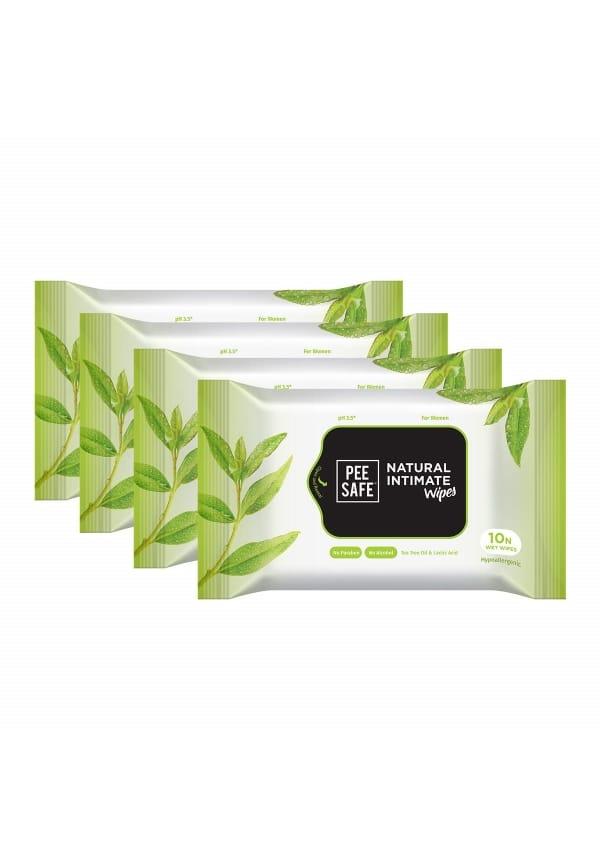
Intimate Wipes For Women-Skin Friendly, Alchol Free & Ph Balanced
Good Smell & Quality
 5
5“good smell, love this product and quality”
Great Product, Recommended
5“great product does the job. would recommend”
Great Product, Recommended
5“great product does the job. would recommend”
Let's be real—intimate hygiene isn't exactly the kind of topic that comes up in casual group chats, but it's something we all need to get right. Whether you're dealing with your first period, navigating new relationships, or just want to feel fresh and confident every day, knowing how to maintain intimate hygiene properly is essential. The good news? It's actually much simpler than the beauty industry wants you to believe. No fancy products or complicated routines needed—just some solid, science-backed intimate care tips that actually work. From understanding your body's natural processes to choosing the right products (hello, Smytten's curated collection of gentle cleansers), we're breaking down everything you need to know about keeping your intimate areas healthy and happy. Think of this as your no-nonsense guide to feeling confident in your own skin, minus the awkward conversations and confusing product labels.
TL;DR
Your intimate areas are naturally self-cleaning—less is often more when it comes to cleansing
Use pH-balanced, fragrance-free products designed specifically for intimate care
Daily external cleansing with warm water and gentle techniques is sufficient for most people
Cotton underwear, proper wiping technique, and staying hydrated are your best friends
Know the warning signs that require medical attention and don't ignore persistent issues
Before diving into the how-to's, let's talk about what's actually happening down there. Your intimate areas have their own ecosystem that's pretty brilliant at taking care of itself—when we don't interfere too much.
Here's something that might surprise you: the vagina is essentially a self-cleaning oven. It maintains a delicate pH balance between 3.8 and 4.5, which is slightly acidic and perfect for keeping harmful bacteria at bay whilst supporting the good stuff. This natural acidity is maintained by beneficial bacteria called lactobacilli, which produce lactic acid and hydrogen peroxide to keep things healthy. When this balance gets disrupted—through over-washing, harsh products, or certain medications—that's when problems like infections or irritation can occur.
Let's clear up some misconceptions that are doing more harm than good. Douching is completely unnecessary and can actually wash away the good bacteria your body needs. Despite what some adverts suggest, your intimate areas shouldn't smell like roses or vanilla—a mild, natural scent is perfectly normal and healthy. Over-cleansing with harsh soaps can strip away natural oils and disrupt your pH balance, leading to dryness, irritation, and increased infection risk.
Normal discharge varies throughout your menstrual cycle—it might be clear and stretchy around ovulation, or thicker and white at other times. A mild, natural scent is completely normal, but sudden changes in smell, colour, or texture could indicate an issue. If you experience persistent itching, burning, unusual discharge, or pain, it's worth chatting with a healthcare professional rather than trying to self-diagnose.
Now for the practical stuff—how to actually maintain intimate hygiene without overdoing it. The key is gentle, consistent care that supports your body's natural processes rather than fighting against them.
Warm water is often all you need for daily intimate cleansing. When washing, use your hands rather than washcloths or loofahs, which can harbour bacteria and be too rough for sensitive skin. Always wash from front to back to prevent bacteria from the anal area reaching the vaginal area. Remember, you're only cleaning the external areas—the vulva, not inside the vagina itself.
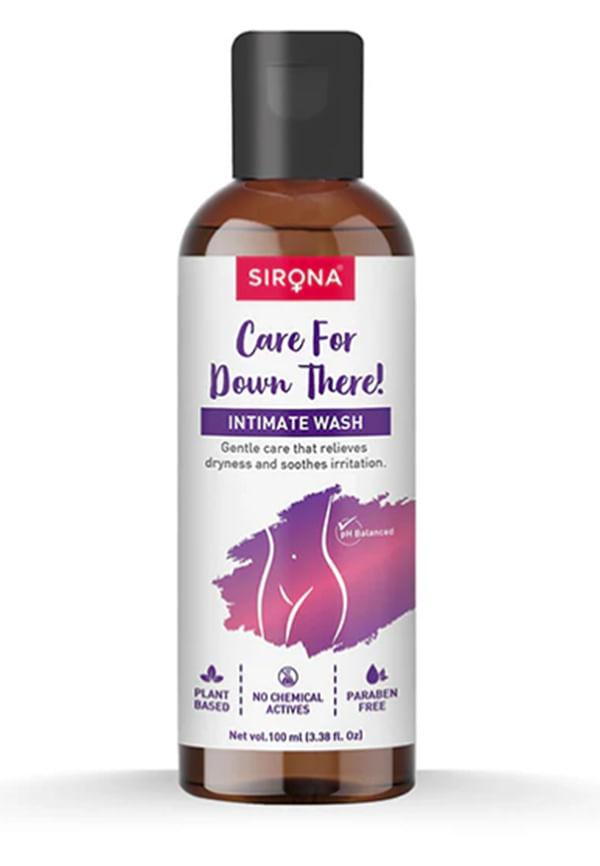
Natural pH-balanced Intimate Wash
Good Product, Bad Packaging
5“good but packaging not good .”
Best Wash Used
5“One of the best wash I have used till now”
Best Wash Used
5“One of the best wash I have used till now”
When choosing products for intimate care, look for pH-balanced formulas specifically designed for sensitive areas. The best intimate wash options are fragrance-free, soap-free, and contain gentle, natural ingredients like chamomile or aloe vera. Avoid anything with harsh chemicals, artificial fragrances, or antibacterial agents unless specifically recommended by a healthcare provider. For those exploring natural intimate hygiene options, ingredients like coconut oil can be beneficial, but always patch test first and avoid anything that might disrupt your natural pH balance.
If you have particularly sensitive skin, hypoallergenic formulas are your best bet. Look for products with minimal ingredients and always do a patch test on your inner arm before using any new product in intimate areas. Some people find that even the gentlest commercial products cause irritation, and plain warm water might be the best option for daily cleansing.
Beyond basic cleansing, there are specific feminine hygiene practices that can help maintain optimal intimate health throughout different life stages and situations.
During your period, change tampons, pads, or menstrual cups every 4-6 hours to prevent bacterial overgrowth and potential infections. When using menstrual cups, sterilise them properly between cycles and wash your hands thoroughly before insertion or removal. If you're using pads, choose breathable, cotton-topped options when possible, and avoid scented products that might cause irritation.
After sexual activity, urinating within an hour can help flush out any bacteria that might have been introduced, reducing the risk of urinary tract infections. Gentle cleansing with warm water is sufficient—there's no need for special post-sex products or douching. If you and your partner are both maintaining good hygiene, this simple routine should be enough to keep things healthy.
Cotton underwear is genuinely your best friend when it comes to intimate health. It's breathable, moisture-wicking, and doesn't trap heat and humidity like synthetic fabrics can. Avoid wearing tight-fitting clothes for extended periods, especially during workouts or hot weather. If you do wear synthetic workout gear, change out of it as soon as possible after exercising.
For those interested in more natural approaches to intimate care, there are several safe options that can complement your regular hygiene routine without disrupting your body's natural balance.
Probiotics, whether taken orally or applied topically (in products specifically designed for intimate use), can help maintain healthy bacterial balance. However, be cautious with DIY remedies—whilst coconut oil has antimicrobial properties, it can interfere with latex condoms and might not be suitable for everyone. Tea tree oil should never be used undiluted in intimate areas and even diluted versions can cause irritation in sensitive individuals.
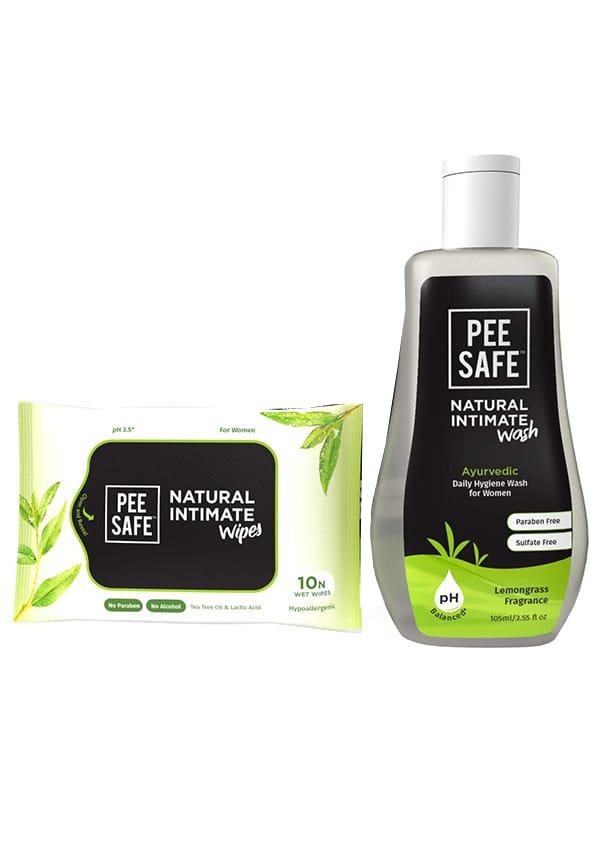
Natural Intimate Wash + Intimate Wipes
Mild & Refreshing
5“The smell is extremely mild. gives refreshing feels”
Mild & Refreshing
5“The smell is extremely mild. gives refreshing feels”
Mild & Refreshing
5“The smell is extremely mild. gives refreshing feels”
What you eat and drink affects your entire body, including your intimate health. Staying well-hydrated helps maintain healthy mucous membranes, whilst a balanced diet rich in probiotics (like yoghurt and fermented foods) can support good bacterial balance. Regular exercise is great for overall health, but remember to shower and change clothes promptly after sweating to prevent bacterial overgrowth.
Beyond basic washing, there are additional considerations for keeping your intimate areas clean and comfortable, especially when dealing with hair removal, travel, or different environmental conditions.
Pubic hair actually serves a protective function, trapping bacteria and reducing friction, so removal is purely a personal choice. If you do choose to groom, keep tools clean and sharp to prevent irritation and ingrown hairs. Whether you trim, shave, or wax, gentle exfoliation and moisturising (with appropriate products) can help prevent bumps and irritation.
When travelling or away from home, pack travel-sized versions of your usual intimate care products. Unscented wet wipes designed for intimate use can be handy for freshening up, but they shouldn't replace regular washing. In public restrooms, always wipe from front to back and wash your hands thoroughly before and after using the facilities.
Hot, humid weather can increase sweating and create conditions where bacteria thrive, so you might need to shower more frequently or change underwear during the day. In winter, indoor heating can cause dryness, so ensure you're drinking enough water and consider using a gentle, unscented moisturiser if needed (but avoid applying anything inside the vaginal area).
Knowing when your intimate hygiene routine needs professional input is crucial for maintaining long-term health and catching potential issues early.
Sudden changes in discharge colour, smell, or texture warrant a chat with your GP or gynaecologist. Persistent itching, burning, or pain that doesn't resolve with gentle care could indicate an infection or other condition requiring treatment. Unusual bleeding outside of your normal menstrual cycle should also be checked out promptly.
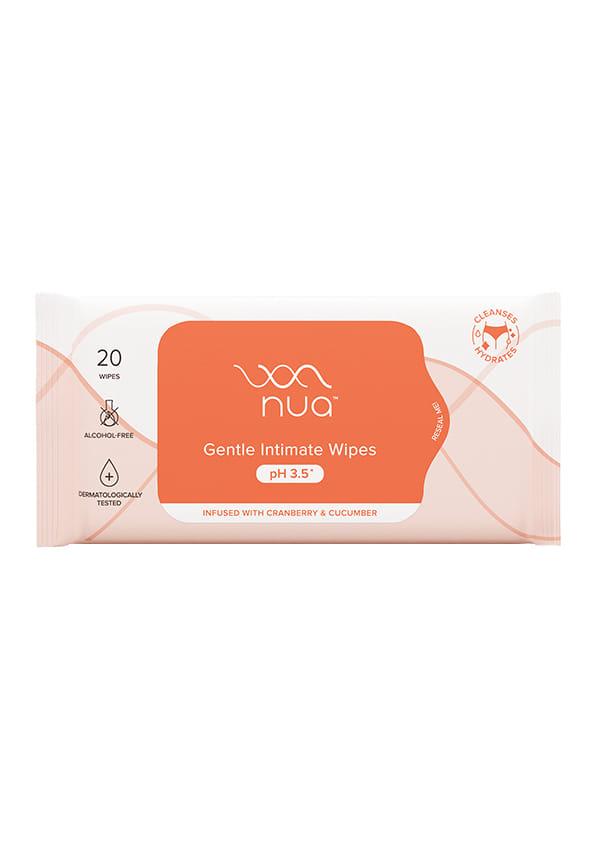
Nua Gentle Intimate Wipes
Very Good Product
5“Very good product, very nice👍🏻”
Useful and Good Quality
5“one of useful and good quality of sanitary goods.”
Good Quality, Recommended
5“The quality of product is too good and js recommended to all”
Regular gynaecological checkups are important for maintaining intimate health, even when you're feeling fine. Most healthcare providers recommend annual exams for sexually active individuals, including STI screenings and cervical cancer screening as appropriate for your age and risk factors. Don't skip these appointments—early detection and prevention are always better than treatment after problems develop.
Daily washing of external areas with warm water is sufficient for most people. Over-washing can disrupt your natural pH balance and cause irritation, so resist the urge to cleanse multiple times per day unless you've been particularly active or sweaty.
Look for pH-balanced, fragrance-free formulas specifically designed for intimate areas. Many people with sensitive skin find that plain warm water works best, but if you prefer using a product, choose one with minimal, gentle ingredients and always patch test first.
Regular soap is often too harsh and alkaline for intimate areas, which can disrupt your natural pH balance. Stick to products specifically formulated for intimate care or just use warm water for daily cleansing.
Change tampons, pads, or menstrual cups every 4-6 hours, wash your hands before and after handling menstrual products, and shower daily. You might want to rinse with warm water more frequently during heavy flow days, but avoid over-washing.
Natural doesn't always mean better or safer for intimate areas. Some natural ingredients can cause irritation or allergic reactions. Whether you choose natural or conventional products, the most important factors are that they're pH-balanced, fragrance-free, and specifically designed for intimate use. You can explore different options available on Smytten to find what works best for your skin.
Don't try to self-diagnose or treat persistent issues with over-the-counter products. If you experience ongoing itching, unusual discharge, pain, or other concerning symptoms, consult with a healthcare provider for proper diagnosis and treatment.
Maintaining intimate hygiene doesn't have to be complicated or expensive. Your body is designed to keep itself healthy with minimal intervention, so the best approach is often the gentlest one. Focus on daily external cleansing with warm water or pH-balanced products, wear breathable cotton underwear, and practice good general hygiene habits like proper wiping technique and hand washing. Remember that everyone's body is different, so what works for your friend might not work for you—and that's completely normal. Pay attention to your body's signals, don't ignore persistent issues, and don't be afraid to seek professional advice when needed. Most importantly, ignore the marketing messages that suggest your intimate areas need to smell like flowers or require expensive, complicated routines to stay healthy.
Finding the right intimate care routine is all about understanding your body and choosing products that support rather than disrupt its natural processes. Smytten is India's largest product discovery and trial platform, connecting consumers with top lifestyle, beauty, wellness, and grooming brands through curated trial packs from over 1,500 trusted brands. When it comes to intimate care products, being able to try before you buy is especially valuable—you can explore gentle cleansers and pH-balanced formulas through India's largest minis collection without committing to full-size purchases. With 100% cashback on trials and authentic brand-verified minis available across 27,000+ pincodes, you can discover what works best for your sensitive skin without the worry of wasting money on products that might not suit you. After all, when it comes to intimate hygiene, why settle for 'maybe' when you can try different options and find exactly what keeps you feeling fresh and confident?
