How to Layer Actives for Hyperpigmentation Without Damaging Barrier

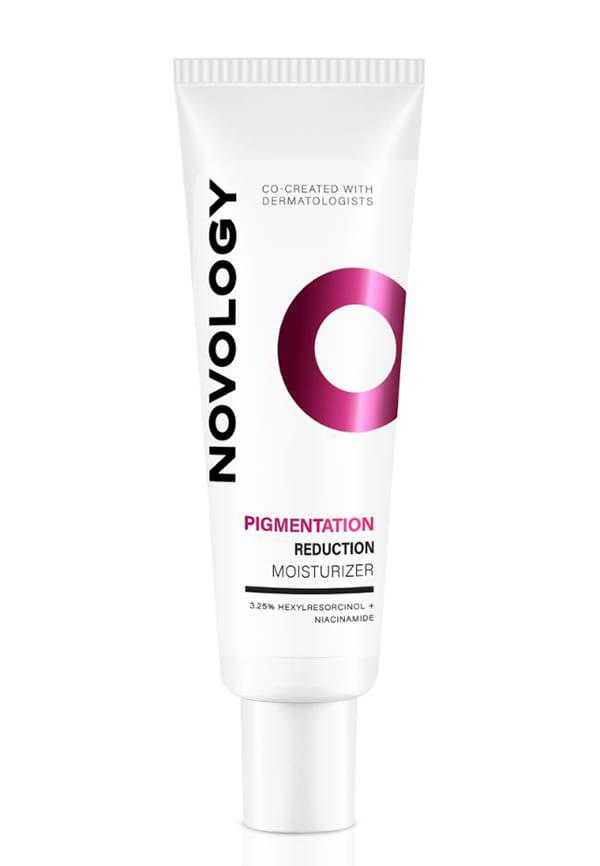
Pigmentation Moisturiser, Face Cream for Hyperpigmentation & Dark Spots
Dealing with dark spots and hyperpigmentation can feel like a never-ending battle, especially when you're trying to figure out how to layer actives for hyperpigmentation without damaging your skin barrier. The truth is, many of us get so focused on tackling those stubborn marks that we end up overdoing it with powerful ingredients, which can actually make things worse. Your skin barrier is like your skin's protective bouncer—when it's compromised, it can trigger more inflammation and, ironically, more hyperpigmentation. The good news? You can absolutely treat dark spots effectively while keeping your skin healthy and happy. It's all about understanding the science behind safe skincare layering and building a routine that works with your skin, not against it.
Before diving into the how-to of layering actives, let's get clear on what we're actually dealing with. Hyperpigmentation isn't just one thing—it's an umbrella term for various types of dark spots that show up when your skin produces too much melanin in certain areas.
There are several types of hyperpigmentation, each with its own triggers. Post-inflammatory hyperpigmentation (PIH) happens after acne, cuts, or any skin trauma. Melasma typically shows up due to hormonal changes, often during pregnancy or from birth control. Then there are age spots and sun spots from UV damage over time.
Here's where it gets interesting: when your skin barrier is damaged, it can actually trigger excess melanin production. Think of it as your skin going into overdrive trying to protect itself, but ending up creating more dark spots in the process.
Your skin barrier is made up of lipids, ceramides, and proteins that keep moisture in and irritants out. When it's compromised, your skin becomes more reactive and prone to inflammation—which is exactly what can worsen hyperpigmentation.
Signs your barrier might be damaged include persistent redness, stinging when applying products, unusual dryness, or increased sensitivity. If you're experiencing any of these whilst treating hyperpigmentation, it's time to slow down and focus on barrier repair alongside your dark spot treatment.
Understanding how to properly layer skincare actives isn't just about following rules—it's about working with your skin's natural processes. When you know the science, you can make smarter choices about what to use and when.
The key principle is molecular size and penetration. Smaller molecules penetrate deeper, whilst larger ones sit on the surface. This is why the thin-to-thick rule exists—you want your lightweight serums to absorb first, followed by heavier creams and oils.
pH compatibility is another crucial factor. Some ingredients work best at different pH levels, and layering incompatible products can neutralise their effectiveness or cause irritation.
When it comes to effective hyperpigmentation treatment, certain ingredients have proven track records. Vitamin C for hyperpigmentation works by inhibiting melanin production and providing antioxidant protection. L-ascorbic acid is the most potent form, but stable derivatives like magnesium ascorbyl phosphate are gentler options.
Niacinamide for hyperpigmentation is brilliant because it not only helps fade dark spots but also strengthens your skin barrier. It reduces inflammation and regulates melanin transfer, making it perfect for sensitive skin types.
Exfoliating acids for dark spots include AHAs like glycolic acid for surface-level pigmentation, BHAs like salicylic acid for acne-related marks, and PHAs for sensitive skin. These work by speeding up cell turnover to reveal fresh, even-toned skin underneath.
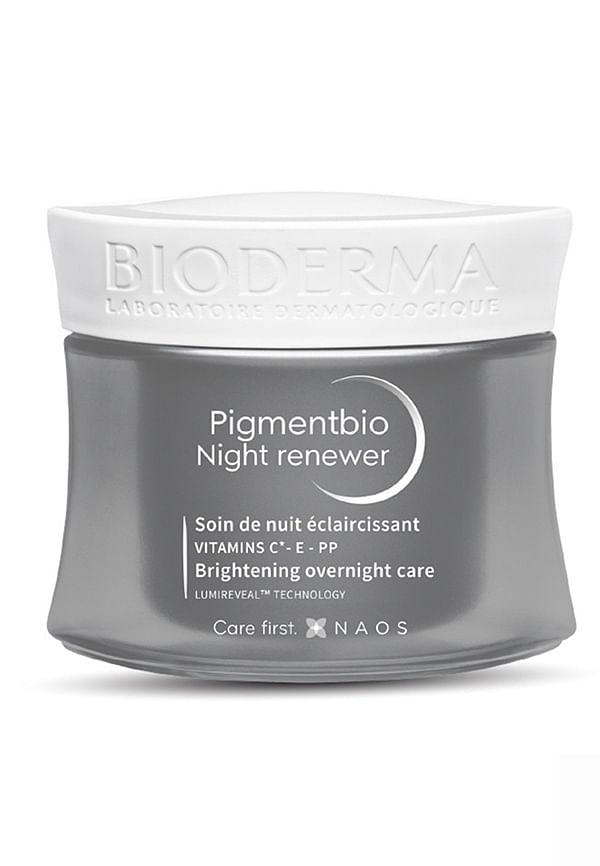
Pigmentbio Night Renewer Brightening Overnight Cream for Dark Spots, Sensitive Skin
Building an effective routine means thinking about both morning protection and evening treatment. Your morning routine should focus on protection and gentle brightening, whilst evenings are for more intensive treatments.
Start with a gentle cleanser that won't strip your skin. Follow with a vitamin C serum—this is your morning brightening powerhouse. Wait about 10-15 minutes, then apply niacinamide if you're using it. This combination is actually brilliant for hyperpigmentation because vitamin C prevents new dark spots whilst niacinamide helps fade existing ones.
Always finish with a moisturiser and broad-spectrum SPF of at least 30. Sun protection is non-negotiable when treating hyperpigmentation—UV exposure can undo all your hard work.
Evenings are when you can bring in the stronger actives. Start with double cleansing if you wear makeup or sunscreen. On active nights, apply your chosen exfoliating acid or retinol product. Remember, you don't need to use everything every night—alternating actives prevents overloading your skin.
Follow with hydrating serums and a nourishing moisturiser. If you're using prescription treatments, these typically go on clean skin before other products.
A smart approach is alternating your actives throughout the week. You might use vitamin C every morning, but alternate between exfoliating acids and retinol in the evenings. Include at least one or two 'rest' nights per week where you focus purely on hydration and barrier repair.
The secret to successful hyperpigmentation treatment lies in patience and consistency rather than aggressive application. Your skin needs time to process and respond to active ingredients without becoming overwhelmed.
This simple rule can prevent most layering mistakes. After applying each active ingredient, wait 10-15 minutes before adding the next product. This allows proper absorption and prevents ingredients from interfering with each other.
Watch for signs of over-layering: increased sensitivity, redness, or that tight, uncomfortable feeling. If you notice these, it's time to simplify your routine temporarily.
Contrary to old beliefs, vitamin C and niacinamide can absolutely be used together. Apply vitamin C first (it needs a lower pH), wait your 10-15 minutes, then follow with niacinamide. This combination is particularly effective for stubborn hyperpigmentation.
Safe acid combinations include using different acids on alternating nights rather than layering them together. Never mix vitamin C with retinol or benzoyl peroxide, as these can neutralise each other's effectiveness.
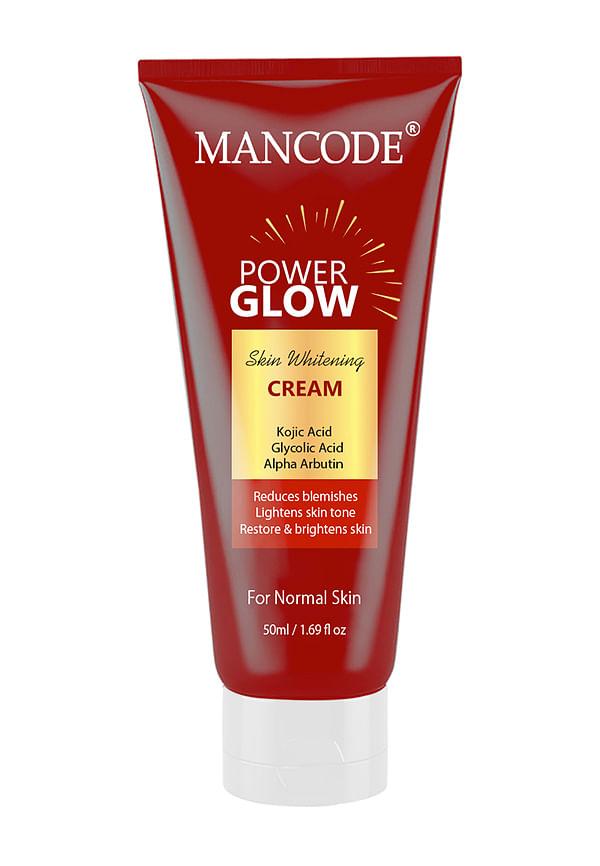
Power Glow Skin Whitening Cream Reduces Dark Spots
Incorporating barrier-supporting ingredients is crucial for long-term success. Ceramides help rebuild the skin's protective barrier, whilst hyaluronic acid provides essential hydration without heaviness.
If your skin becomes irritated, scale back to gentle cleansing, basic moisturising, and sun protection until it recovers. Recovery typically takes 1-2 weeks with proper care.
Even with the best intentions, it's easy to make mistakes when you're eager to see results. Recognising these common pitfalls can save your skin from unnecessary damage and setbacks.
Over-exfoliation is probably the biggest mistake people make when treating hyperpigmentation. Signs include persistent redness, increased sensitivity, shininess that isn't from healthy glow, and paradoxically, more breakouts or dark spots appearing.
If you recognise these signs, immediately reduce the frequency of active use and focus on gentle, hydrating products until your skin calms down.
Applying products in the wrong order can significantly reduce their effectiveness. Using too high concentrations too quickly is another common mistake—your skin needs time to build tolerance to active ingredients.
Starting with lower concentrations and gradually increasing allows your skin to adapt without becoming irritated or compromised.
You don't need a bathroom cabinet full of products to effectively treat hyperpigmentation. The key is choosing the right combination of ingredients that work well together and suit your skin type.
When exploring new products for your hyperpigmentation treatment routine, platforms like Smytten make it incredibly easy to test different formulations without committing to full sizes. With trial packs from trusted brands like Dot & Key, Cetaphil, and Renee, you can discover which vitamin C serums, niacinamide treatments, or gentle exfoliating acids work best for your skin. This approach is particularly valuable when building a skincare routine for dark spots, as what works for one person might not work for another. Being able to try before you buy means you can build an effective, personalised routine without the guesswork or wasted money on products that don't suit your skin.
While at-home treatments can be incredibly effective, sometimes professional intervention is needed for stubborn hyperpigmentation. Knowing when to seek help can save you time and prevent further skin damage.
If you've been consistent with a well-formulated routine for 3-4 months without seeing improvement, it might be time for professional help. Deep melasma, extensive sun damage, or hyperpigmentation that's getting worse despite treatment all warrant professional assessment.
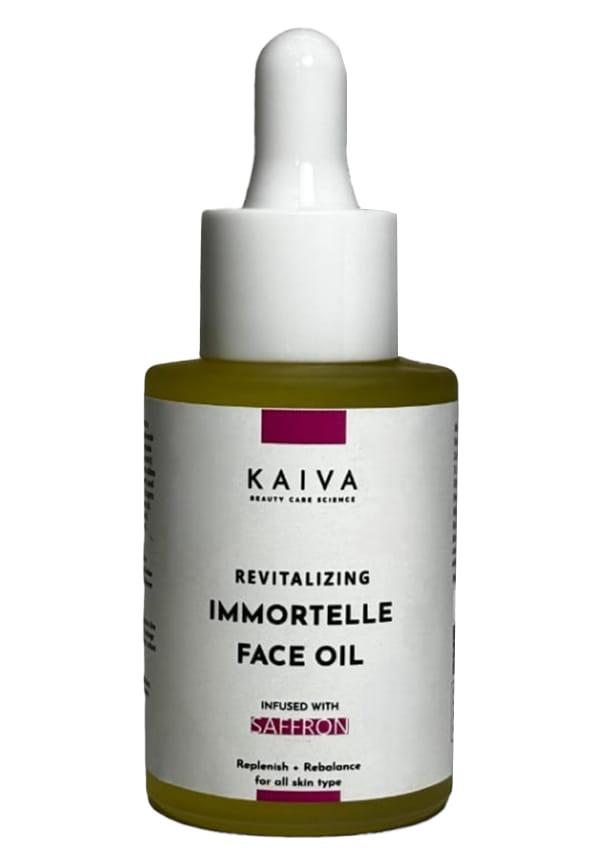
Immortelle Face Oil | Helps Reduce Dark Spots & Pigmentation
Dermatologists can prescribe stronger ingredients like tretinoin or hydroquinone, or recommend procedures like chemical peels or laser treatments for more dramatic results.
Most people start seeing subtle improvements in hyperpigmentation after 6-8 weeks of consistent treatment. Significant changes typically take 3-6 months, and some deeper pigmentation may take up to a year to fully fade.
The key is consistency rather than intensity. A gentle, sustainable routine that you can stick to long-term will always beat an aggressive approach that damages your skin barrier.
Yes, you absolutely can use vitamin C and niacinamide together. Apply vitamin C first on clean skin, wait 10-15 minutes for absorption, then apply niacinamide. This combination is particularly effective for hyperpigmentation as vitamin C prevents new dark spots whilst niacinamide helps fade existing ones and strengthens your skin barrier.
Wait 10-15 minutes between applying different active ingredients. This allows each product to absorb properly and prevents ingredients from interfering with each other's effectiveness or causing irritation.
Apply products from thinnest to thickest consistency. Start with water-based serums (like vitamin C or niacinamide), wait between applications, then move to heavier treatments, and finish with moisturiser. In the morning, always end with SPF.
Yes, a compromised skin barrier can worsen hyperpigmentation. When your barrier is damaged, it triggers inflammation that can stimulate excess melanin production, leading to more dark spots. This is why maintaining barrier health is crucial during hyperpigmentation treatment.
Start with 1-2 times per week and gradually increase based on your skin's tolerance. Most people can handle exfoliating acids 3-4 times per week once their skin has adapted. Always include rest days to allow your skin barrier to recover.
Signs include persistent redness, increased sensitivity, stinging when applying products, unusual shininess, and paradoxically, more breakouts or dark spots. If you notice these signs, reduce active use immediately and focus on gentle, hydrating products.
Learning how to layer actives for hyperpigmentation without damaging your skin barrier is absolutely achievable with the right approach. The key is understanding that effective treatment isn't about using the strongest products possible—it's about creating a sustainable routine that works with your skin's natural processes. Remember to start slowly, wait between product applications, and always prioritise your skin barrier health alongside your hyperpigmentation treatment goals.
Consistency trumps intensity every time. A gentle routine that you can maintain long-term will give you better results than an aggressive approach that leaves your skin irritated and reactive. With patience, the right ingredients, and proper layering techniques, you can achieve the clear, even-toned skin you're after whilst keeping your skin healthy and resilient. Your skin barrier will thank you, and your hyperpigmentation will gradually fade—it's a win-win situation that's absolutely worth the mindful approach.
